
Close Menu
    Facebook X (Twitter) Instagram
    SciTechDaily
    • Biology
    • Chemistry
    • Earth
    • Health
    • Physics
    • Science
    • Space
    • Technology
    Facebook X (Twitter) Pinterest YouTube RSS
    SciTechDaily
    Home»Science»“Dueling Dinosaurs” Fossil Solves One of Paleontology’s Biggest Debates
    Science

    “Dueling Dinosaurs” Fossil Solves One of Paleontology’s Biggest Debates

    By Tracey Peake, North Carolina State UniversityNovember 10, 2025No Comments4 Mins Read
    Facebook Twitter Pinterest Telegram LinkedIn WhatsApp Email Reddit
    Share
    Facebook Twitter LinkedIn Pinterest Telegram Email Reddit
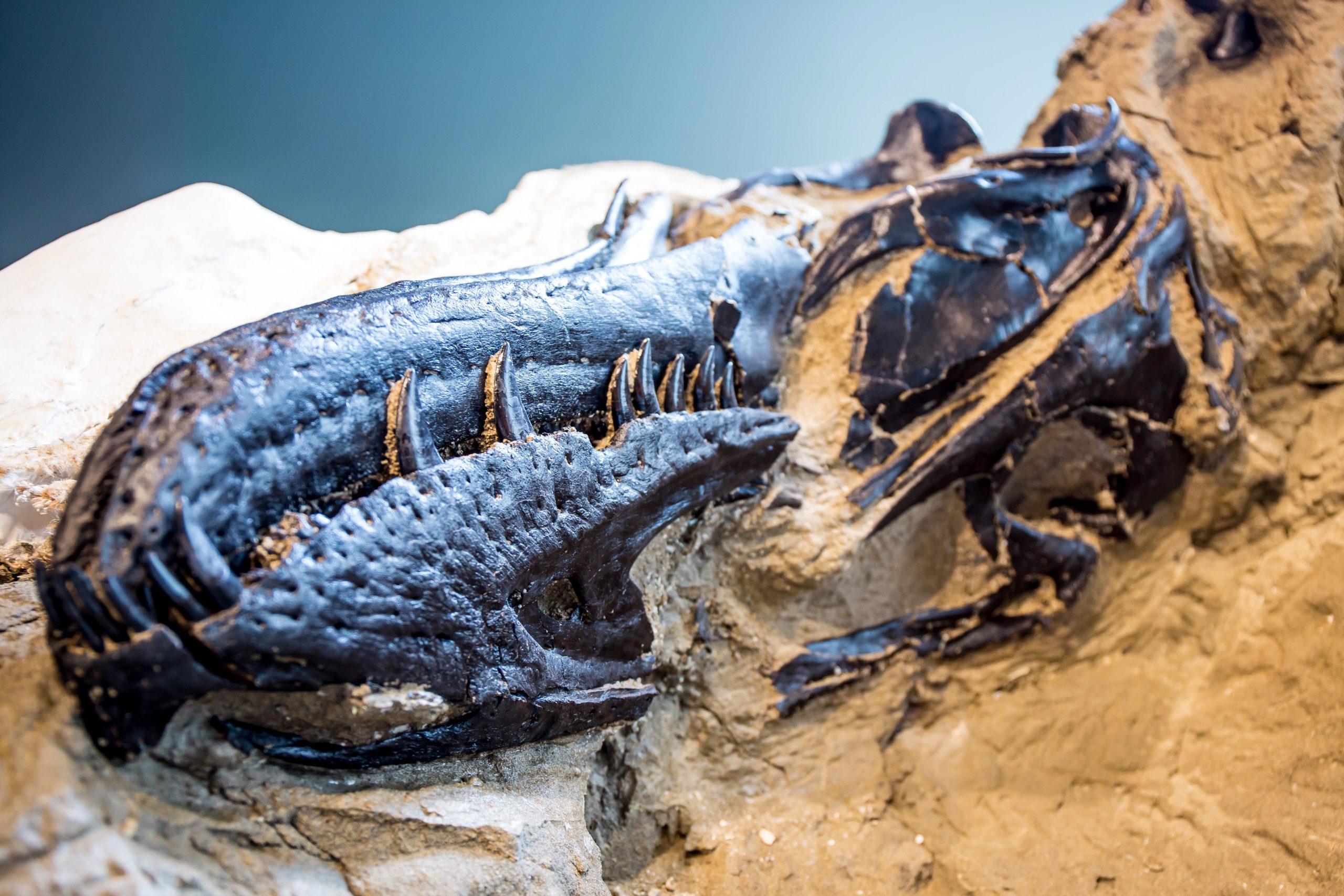
    Snout of Nanotyrannus lancensis
    Snout of Nanotyrannus. Credit: N.C. Museum of Natural Sciences

    Scientists have proven Nanotyrannus was its own species, reshaping what we know about the predators that lived alongside T. rex.

    What if our understanding of T. rex growth has been wrong all along? A newly analyzed tyrannosaur skeleton has brought one of paleontology’s longest-running controversies to an end: the question of whether Nanotyrannus represents a distinct species or simply an adolescent form of Tyrannosaurus rex.

    The fossil, part of the famed “Dueling Dinosaurs” discovery from Montana, preserves two dinosaurs frozen in combat—a Triceratops and a smaller tyrannosaur. That smaller predator has now been confirmed as a fully mature Nanotyrannus lancensis, not a juvenile T. rex as many researchers once believed.
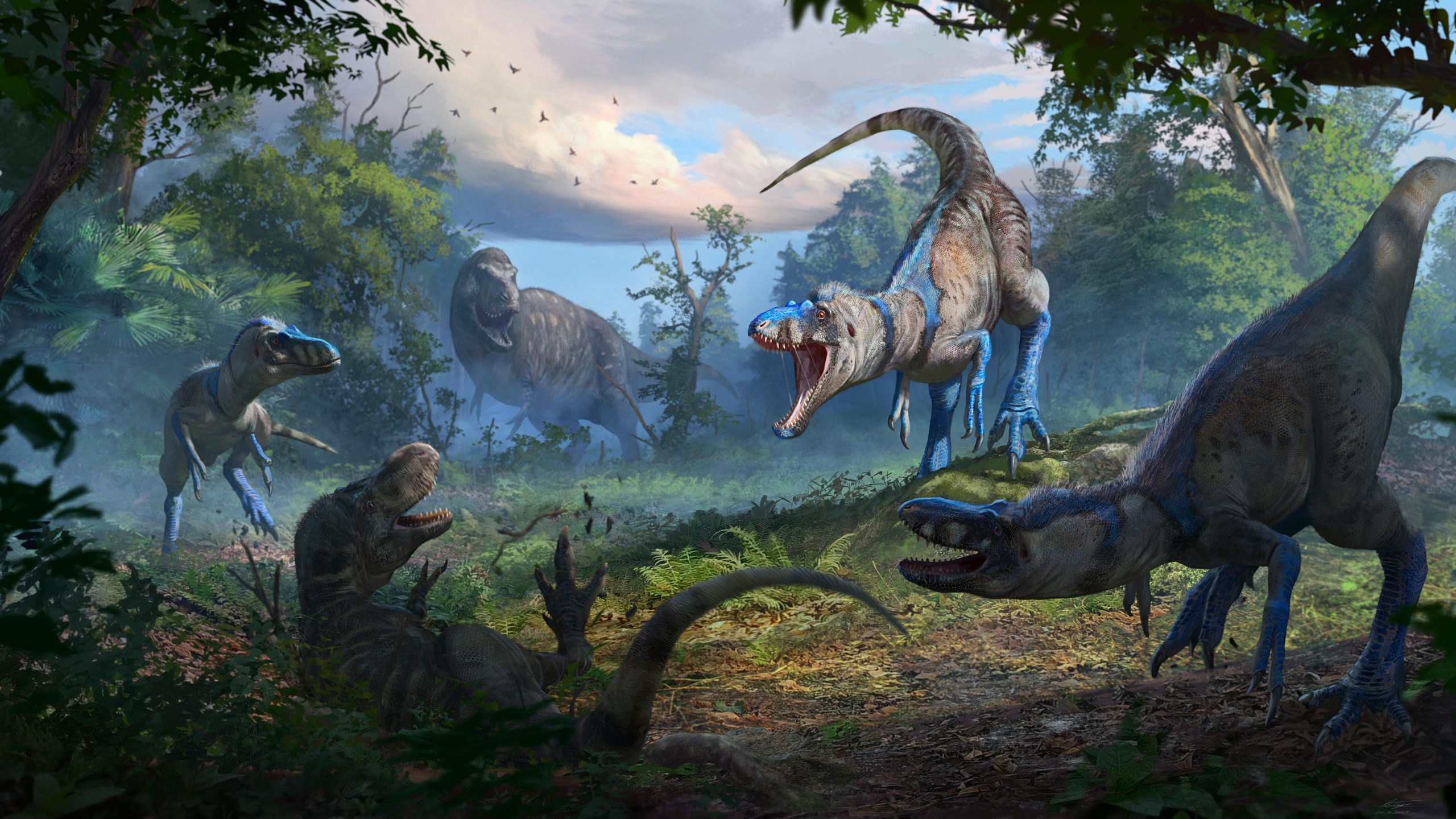
    Illustration of a Pack of Nanotyrannus Attacks a Juvenile T. rex
    A pack of Nanotyrannus attacks a juvenile T. rex. Credit: Anthony Hutchings

    “This fossil doesn’t just settle the debate. It flips decades of T. rex research on its head,” says Lindsay Zanno, associate research professor at North Carolina State University, head of paleontology at the North Carolina Museum of Natural Sciences and co-author of the study published in Nature.

    Evidence confirming Nanotyrannus as an adult species

    Through detailed analysis of growth rings, spinal fusion, and developmental anatomy, scientists determined that the animal was about 20 years old and fully grown at the time of death.
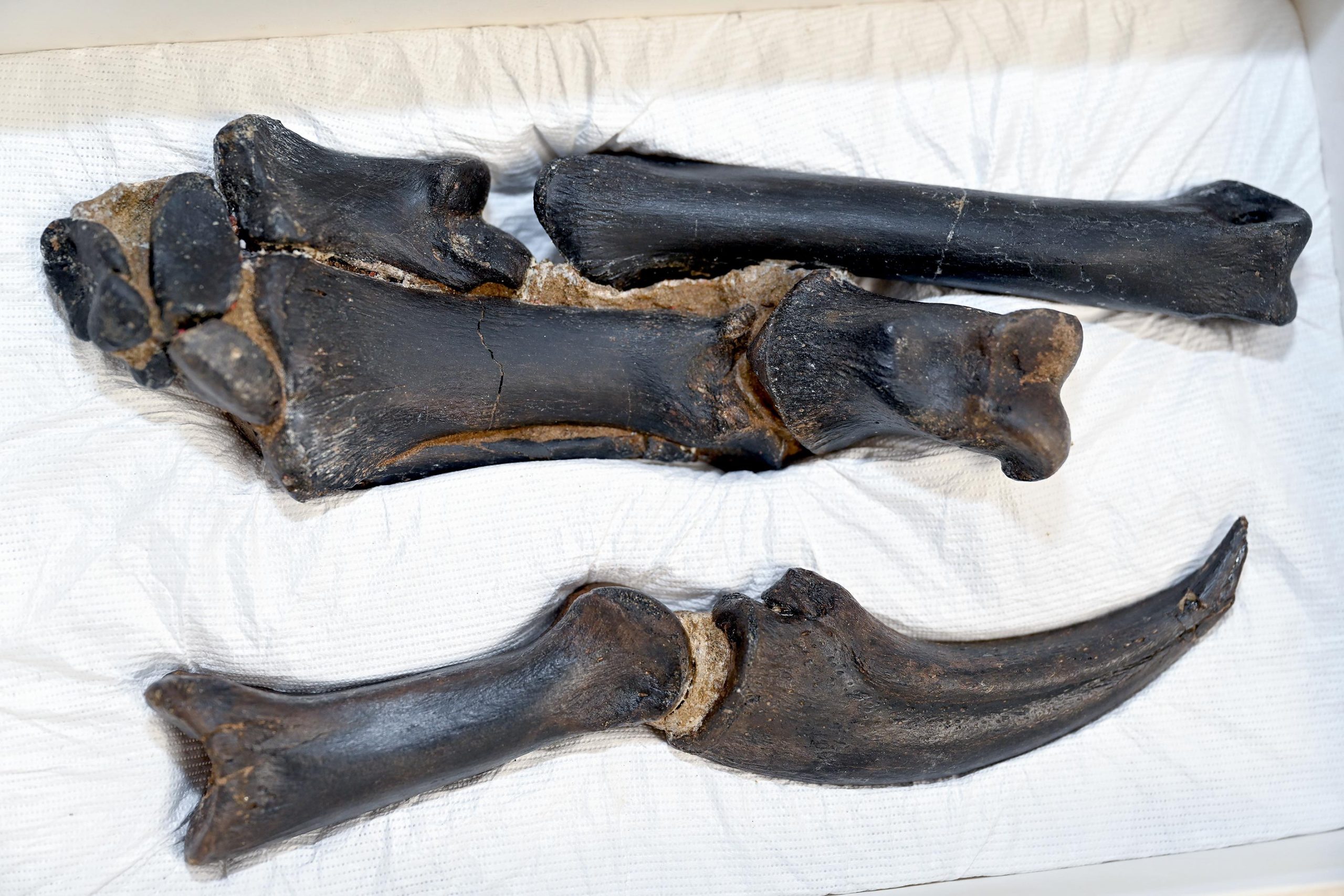
    Right Hand of Nanotyrannus lancensis
    Right hand of Nanotyrannus lancensis. Credit: N.C. Museum of Natural Sciences

    Its physical traits—including proportionally larger forelimbs, a greater number of teeth, fewer tail vertebrae, and unique skull nerve arrangements—are characteristics established early in development and biologically inconsistent with T. rex.

    “For Nanotyrannus to be a juvenile T. rex, it would need to defy everything we know about vertebrate growth,” says James Napoli, anatomist at Stony Brook University and co-author of the study. “It’s not just unlikely – it’s impossible.”
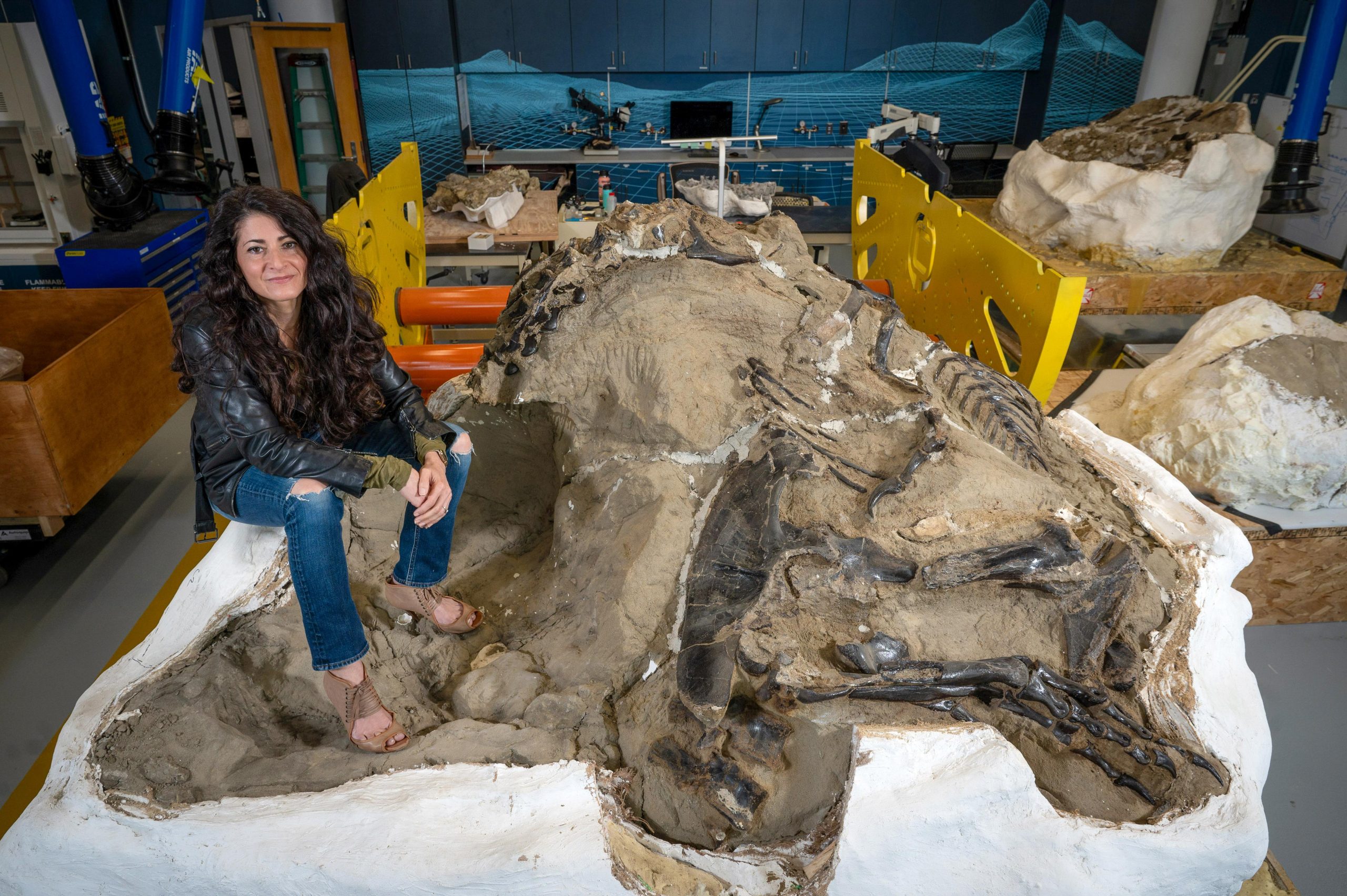
    Lindsay Zanno With the Dueling Dinos Fossil
    Lindsay Zanno, associate research professor at North Carolina State University and head of paleontology at the North Carolina Museum of Natural Sciences, with the Dueling Dinosaurs fossil. Credit: N.C. State University

    Rethinking tyrannosaur evolution and diversity

    The implications are profound. For years, paleontologists used Nanotyrannus fossils to model T. rex growth and behavior. This new evidence reveals that those studies were based on two entirely different animals – and that multiple tyrannosaur species inhabited the same ecosystems in the final million years before the asteroid impact.
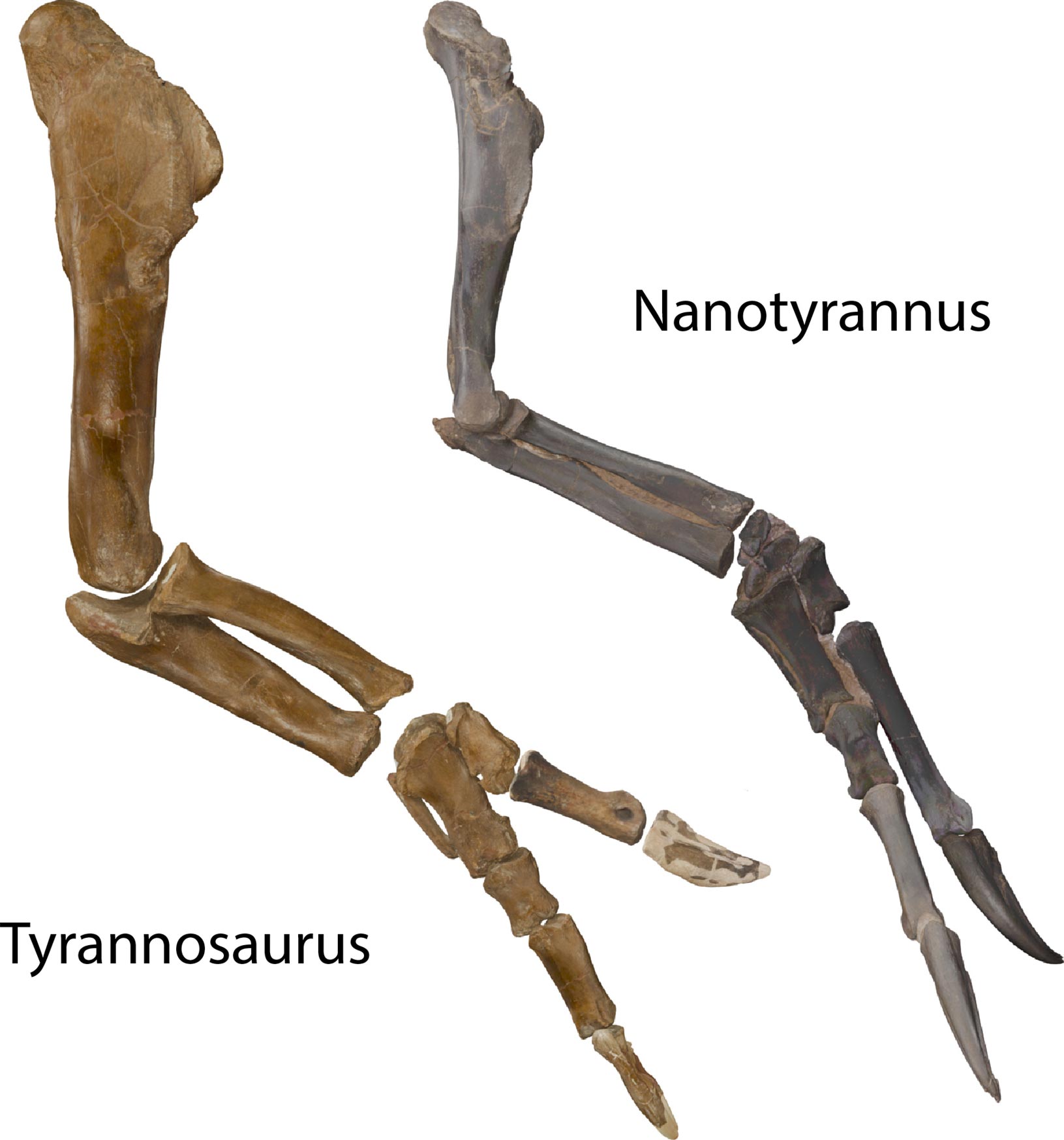
    Nanotyrannus and Tyrannosaurus rex Arm Comparison
    Nanotyrannus and Tyrannosaurus Rex arm comparison. Credit: NC Museum of Natural Sciences

    As part of their research, Zanno and Napoli examined over 200 tyrannosaur fossils. They discovered that one skeleton, formerly thought to represent a teenage T. rex, was slightly different than the Dueling Dinosaurs’ Nanotyrannus lancensis. They named this fossil a new species of Nanotyrannus, dubbed N. lethaeus. The name references the River Lethe from Greek mythology – a nod to how this species remained hidden in plain sight and “forgotten” for decades.

    A richer, more competitive late Cretaceous world

    Confirmation of the validity of Nanotyrannus means that predator diversity in the last million years of the Cretaceous was much higher than previously thought, and hints that other small-bodied dinosaur species might also be victims of mistaken identity.
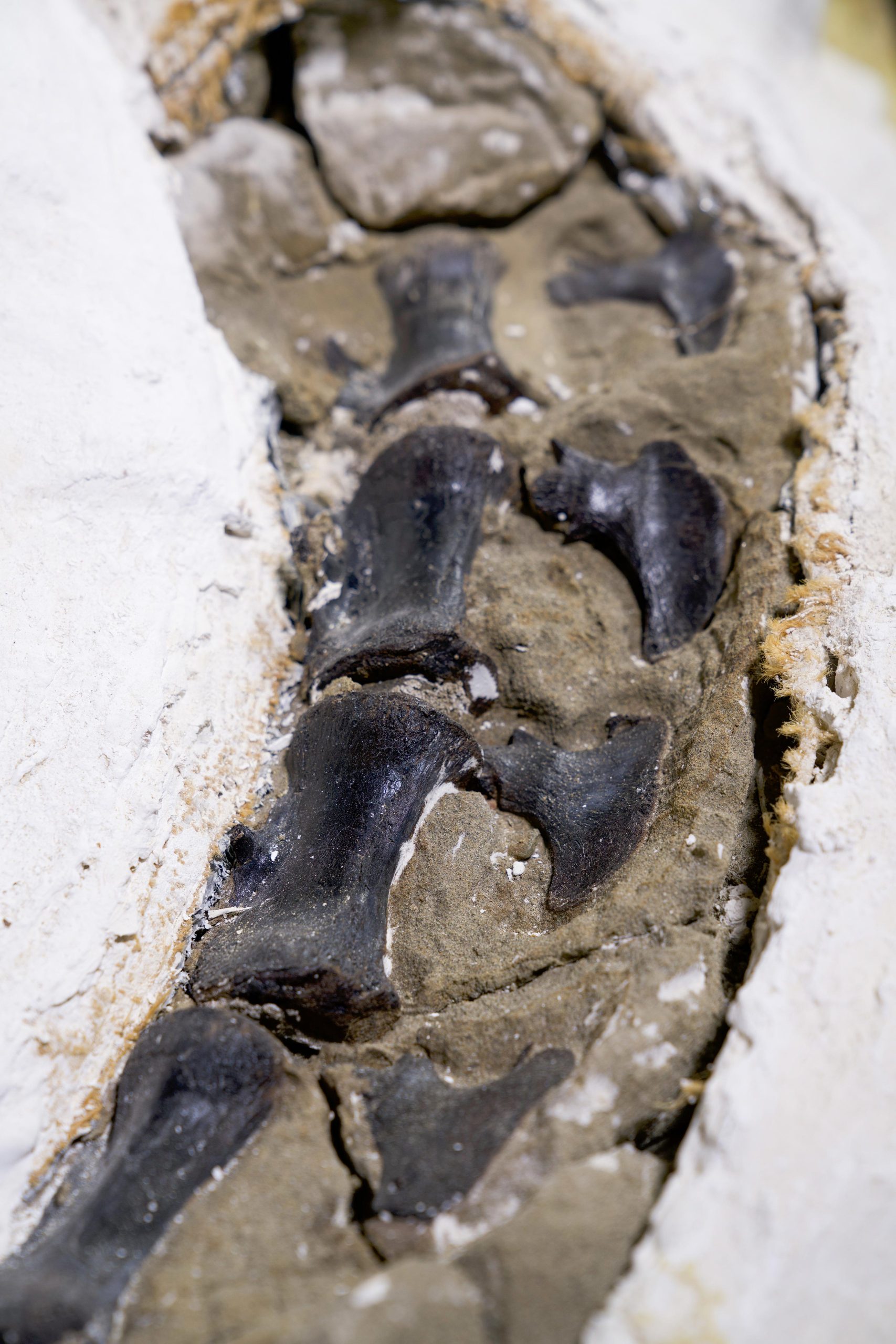
    Nanotyrannus lancensis Tail Vertebrae
    The Dueling Dinosaurs’ N. lancensis specimen preserves the first complete tail of this genus. Credit: N.C. Museum of Natural Sciences

    “This discovery paints a richer, more competitive picture of the last days of the dinosaurs,” Zanno says. “With enormous size, a powerful bite force, and stereoscopic vision, T. rex was a formidable predator, but it did not reign uncontested. Darting alongside was Nanotyrannus – a leaner, swifter, and more agile hunter.”

    Reference: “Nanotyrannus and Tyrannosaurus coexisted at the close of the Cretaceous” by Lindsay E. Zanno, and James G. Napoli, 30 October 2025, Nature.
    DOI: 10.1038/s41586-025-09801-6

    Never miss a breakthrough: Join the SciTechDaily newsletter.
    Follow us on Google and Google News.

    Dinosaurs Fossils North Carolina State University Paleontology Tyrannosaurus Rex
    Share. Facebook Twitter Pinterest LinkedIn Email Reddit

    Related Articles

    Did T. rex Leave These Mysterious Marks on Dinosaur Bones?

    Decades-Long Dinosaur Debate Settled: Nanotyrannus Was Real

    Scientists Confirm Nanotyrannus Was Fully Grown Not a Baby T. rex

    Scientists Just Found the Oldest Dome-Head Dinosaur Ever

    Scientists Discover Unusual New Dinosaur Species That Lived Underground

    Paleontology Plot Twist: New Research Shows Nanotyrannus Is Separate Species, Not “Juvenile T. rex”

    Who Was King Before T. rex? Dinosaur Fossil Reveals New Apex Predator

    Carnufex Carolinensis – North America’s Top Predator Before Dinosaurs?

    Jurassic Period Super-Sized Fleas Had Armored Mouthparts to Attack the Thick Hide of Dinosaurs

    Leave A Reply Cancel Reply

    • Facebook
    • Twitter
    • Pinterest
    • YouTube

    Don't Miss a Discovery

    Subscribe for the Latest in Science & Tech!

    Trending News

    JWST Finds a “Star” 100 Billion Times Brighter Than Any Star Should Be

    Scientists Find a Hidden Biological Link Across Different Forms of Autism

    Astronomers Discover a Ghostly River of Stars That Could Reveal Dark Matter

    Why Is Colorectal Cancer Rising in People Under 50? New Clues Point to the Environment

    Quantum Fluctuations Break a Crystal’s Symmetry Rules

    Why Does an Irregular Heartbeat Strike 40 Years Early in Some People?

    Scientists Reveal How ADHD Could Fuel Creative Thinking

    Scientists Find Just 3 Minutes of Sprinting Can Transform Blood Chemistry

    Follow SciTechDaily
    • Facebook
    • Twitter
    • YouTube
    • Pinterest
    • Newsletter
    • RSS
    SciTech News
    • Biology News
    • Chemistry News
    • Earth News
    • Health News
    • Physics News
    • Science News
    • Space News
    • Technology News
    Recent Posts
    • A 150-Million-Year-Old Dinosaur Flight Mystery May Finally Have an Answer
    • Giant Crocodylians Ruled South America’s Ancient Food Chain
    • 236-Million-Year-Old Fossil Reveals a Stunning Secret About the Origins of Mammal Birth
    • This Suitcase-Sized Spacecraft Could Detect a Signal From Before Stars Existed
    • Three Supermassive Black Holes Found in a Galaxy From the Dawn of the Universe
    Copyright © 1998 - 2026 SciTechDaily. All Rights Reserved.
    • Science News
    • About
    • Contact
    • Editorial Board
    • Privacy Policy
    • Terms of Use

    Type above and press Enter to search. Press Esc to cancel.