
A new Triassic crocodylomorph from Gloucester sheds light on early crocodile evolution and pre-extinction ecosystems.
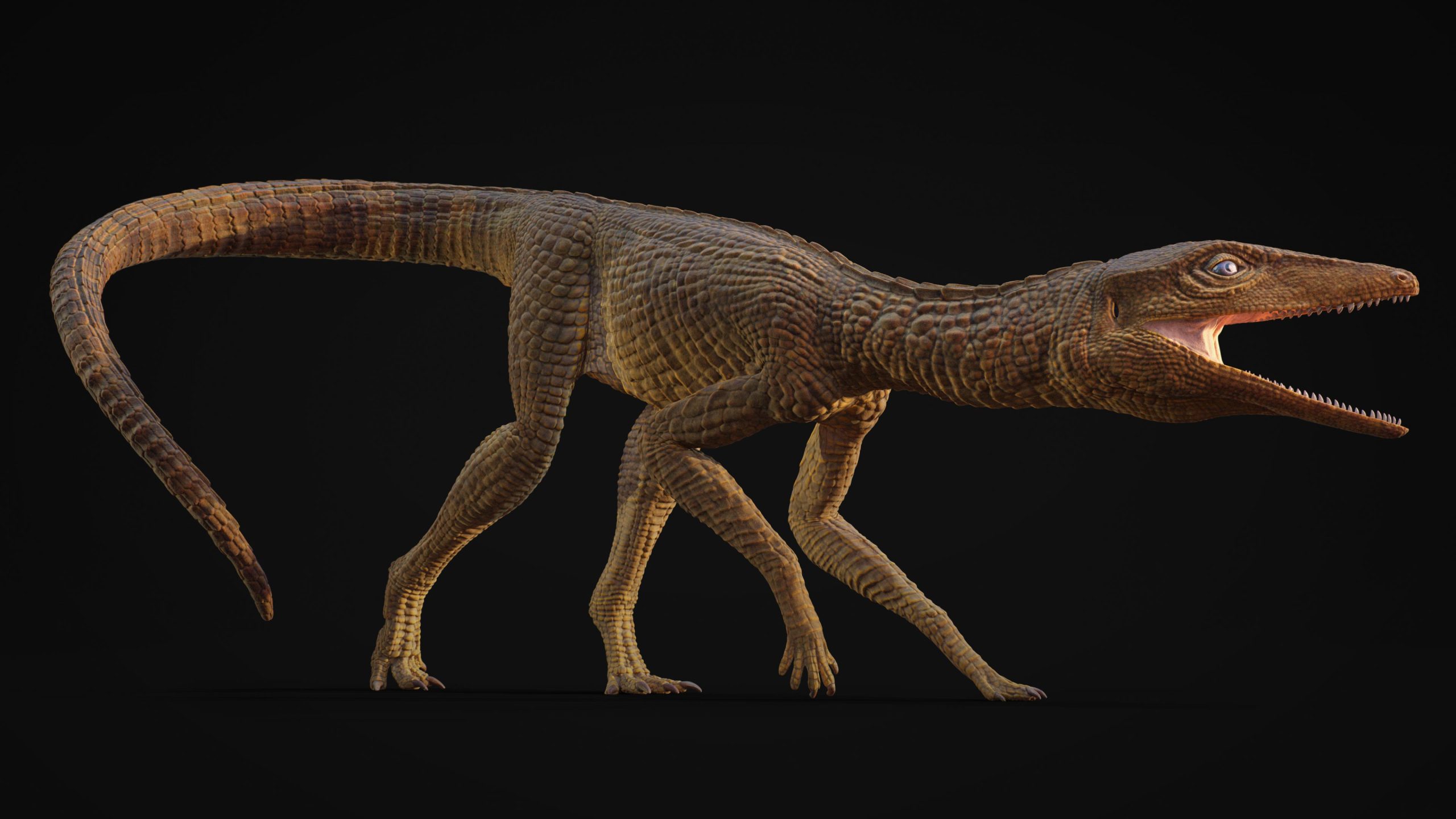
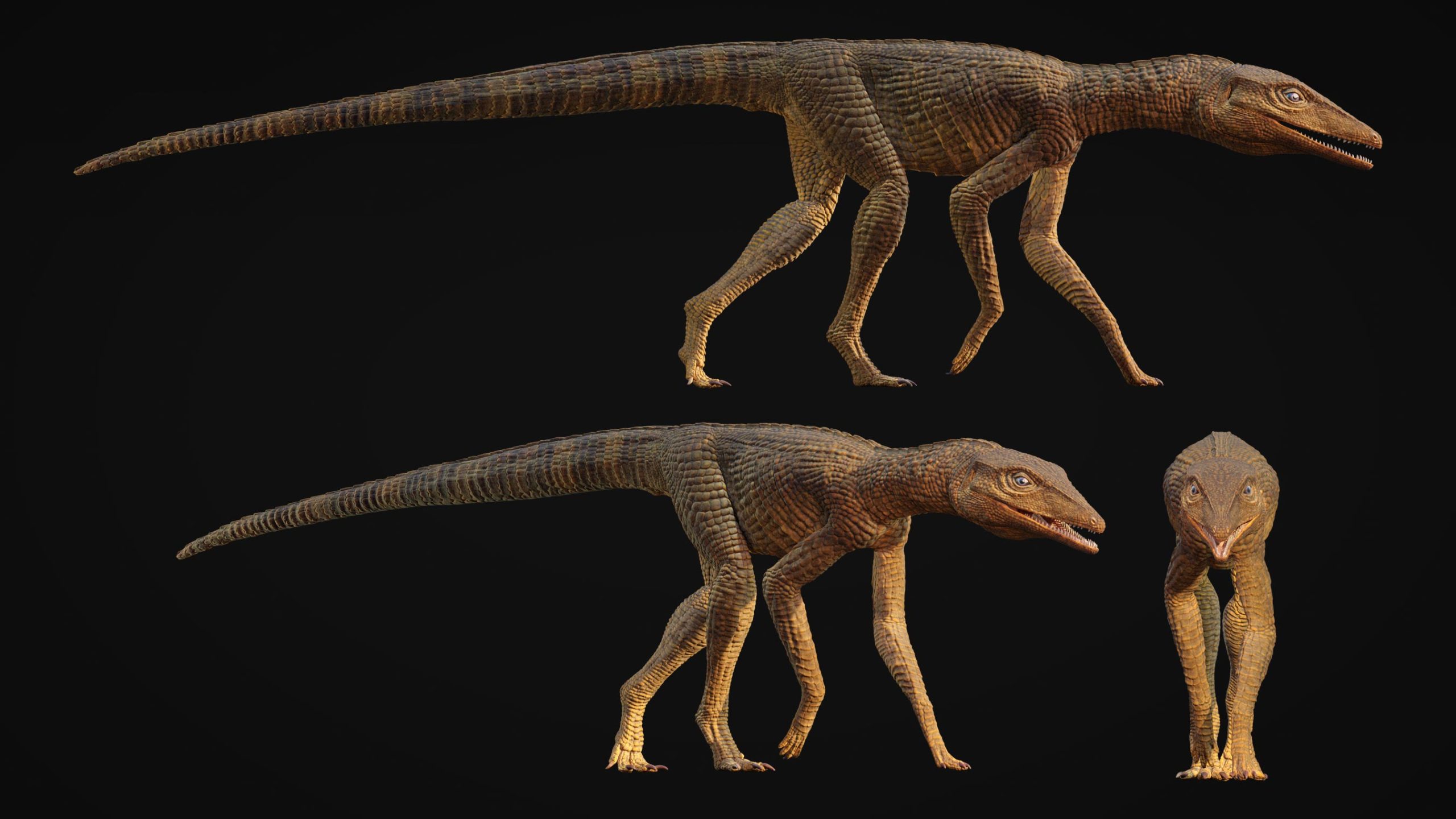
Scientists have identified a new species of crocodylomorph from the Triassic period based on fossils discovered in Gloucester, UK. Unlike the semi-aquatic crocodiles we know today, this ancient relative was built for life on land. With long, slim legs and a lightweight frame, it likely moved quickly across the landscape, earning comparisons to a reptilian greyhound.
During the Triassic, this region was an elevated area bordered by hot, dry plains, and the animal would have hunted small reptiles, amphibians, and early mammals among dense vegetation.
The species name, Galahadosuchus jonesi, reflects both legend and personal inspiration. The first part refers to Galahad, the Arthurian knight celebrated for his moral uprightness, a nod to the animal’s upright posture. The second part honors David Rhys Jones, a schoolteacher at Ysgol Uwchradd Aberteifi in Cardigan, Wales, who once taught the study’s lead author.
“We named it after my secondary school physics teacher,” says Ewan Bodenham, a PhD student at the Natural History Museum London and UCL and lead author of the paper.
“Mr Jones was just such a good teacher, not only in being able to explain things well, but you could tell that he was genuinely interested in the sciences. I think that really inspired me.”
“He also didn’t let me settle. He was very good at challenging people and helping students be the best they can be. Above all, he’s a very funny, genuine, nice guy.”
Fossils reveal a land-running ancestor
The fossils were recovered from fissure deposits located on both sides of the Bristol Channel in southern Wales and southwest England. These natural cracks and caves acted as traps, where animals that died on the surface were washed in and gradually buried by sediment, preserving their remains for millions of years.
Among the material found in these deposits was a previously known animal called Terrestrisuchus. This species belongs to Crocodylomorpha, the broader evolutionary group that includes modern crocodiles, but it represents one of the group’s earliest branches. Like the newly described Galahadosuchus, and unlike living crocodiles and alligators, Terrestrisuchus had long, slender limbs and was fully adapted to life on land rather than water.
“My PhD project is looking at the evolutionary relationships of these early crocodiles,” explains Ewan.
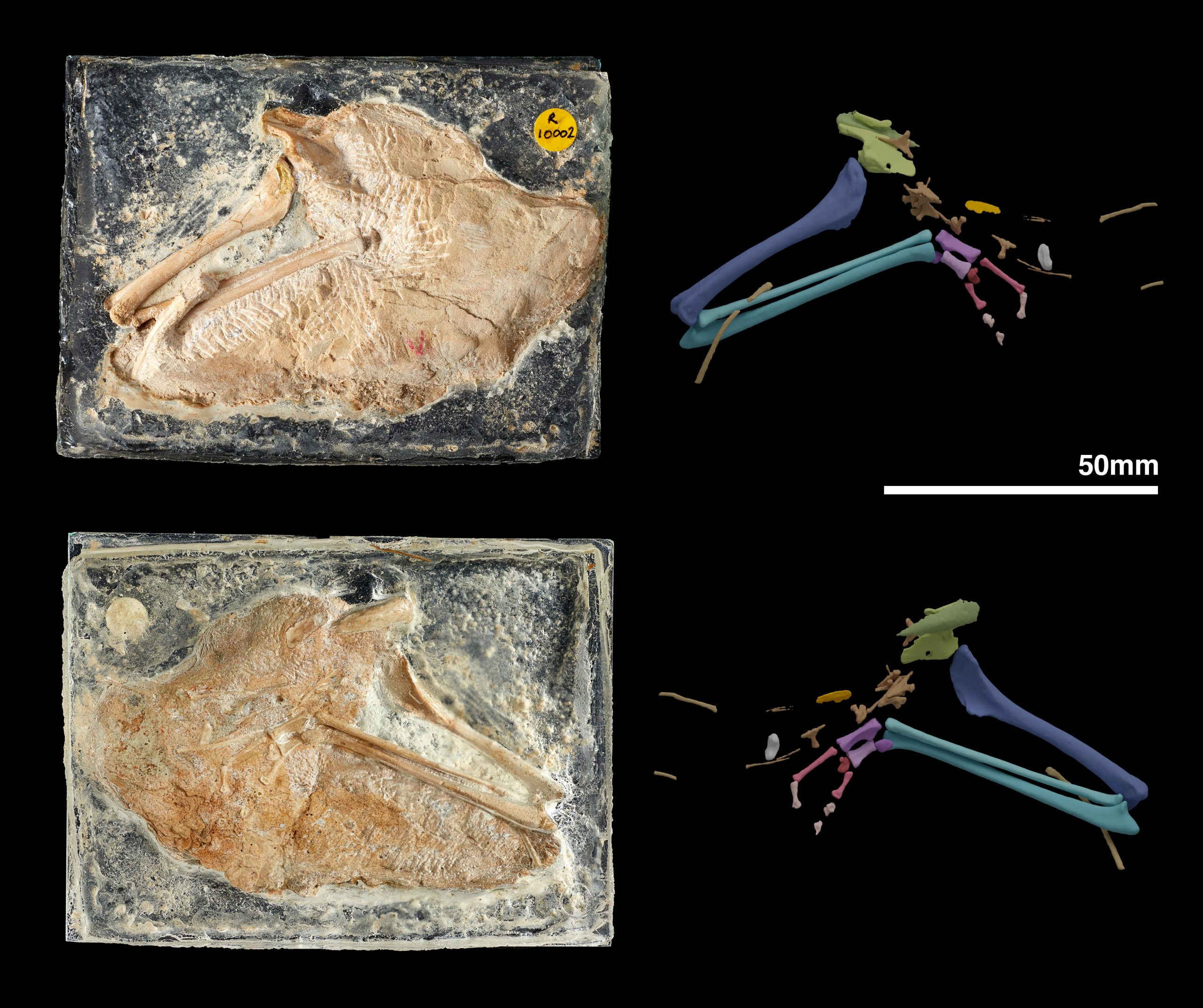
“So we conducted a detailed anatomical description of this specimen, making comparisons to other early crocodiles to determine if it was another specimen of Terrestrisuchus or if it was something new.”
The team found 13 key differences between the fossils, significant enough to name the specimen an entirely new species.
Reconstructing life before extinction
It adds another piece to the growing diversity of animals living in this region during the Late Triassic. This period preceded the Triassic–Jurassic mass extinction event caused by an increase in volcanic activity altering the climate.
By documenting what animals were around before this event and how they responded to it, researchers can better understand how species react in the face of massive change and upheaval.
Reference: “A second species of non-crocodyliform crocodylomorph from the Late Triassic fissure deposits of southwestern UK: Implications for locomotory ecological diversity in Saltoposuchidae” by Ewan H. Bodenham, Stephan N. F. Spiekman, Susannah C. R. Maidment, Paul Upchurch and Philip D. Mannion, 12 February 2026, The Anatomical Record.
DOI: 10.1002/ar.70162
Never miss a breakthrough: Join the SciTechDaily newsletter.
Follow us on Google and Google News.