
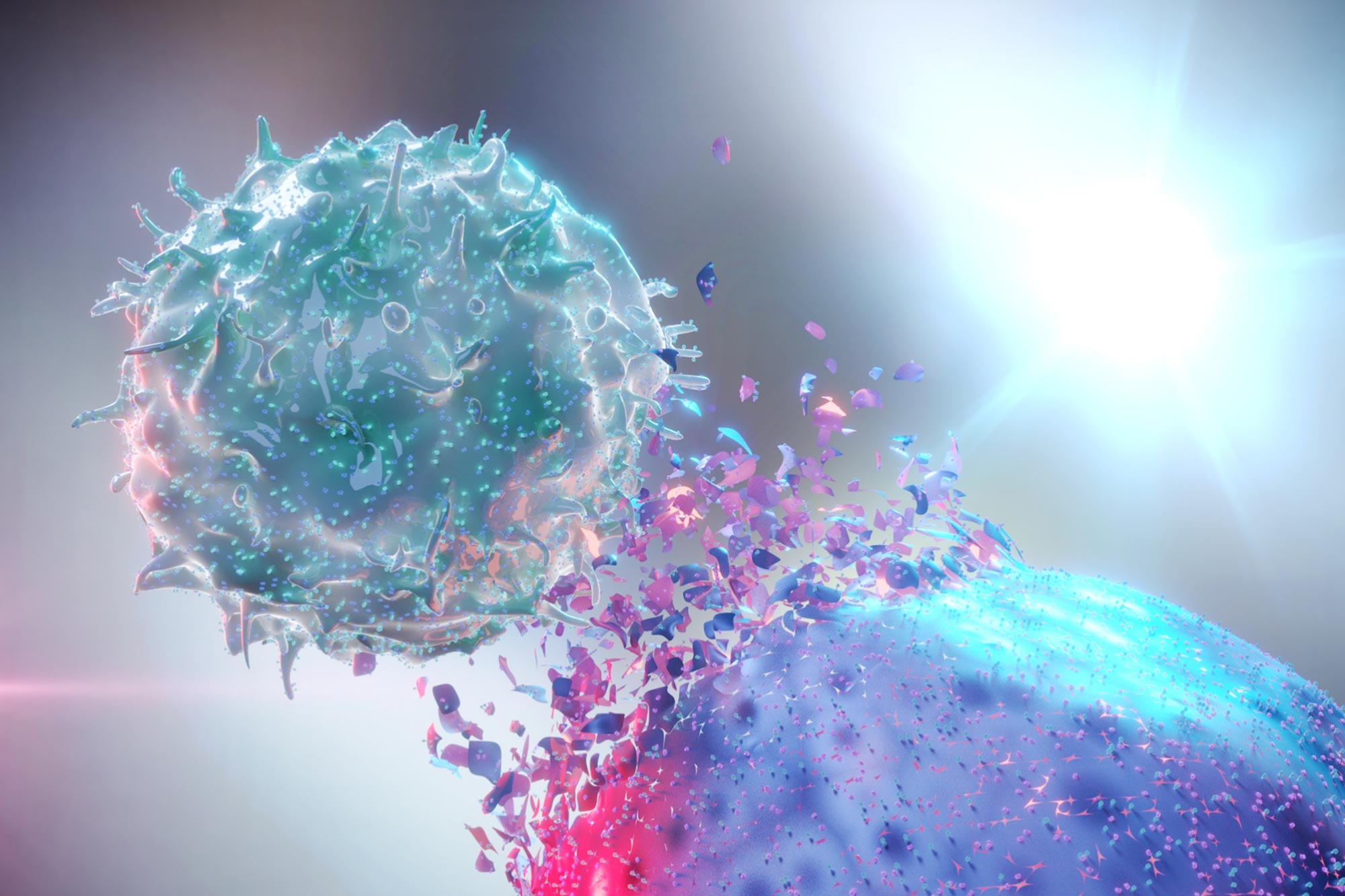
A new study overturns long-held assumptions about the cause of the rare inflammatory disorder MKD, identifying a previously overlooked immune defect.
Why does a routine infection trigger dangerous inflammation in some people? Researchers studying mevalonate kinase deficiency (MKD), a rare inherited autoinflammatory disorder, may have finally found the answer.
Scientists at the Garvan Institute of Medical Research have discovered that natural killer (NK) cells — a critical part of the body’s first line of defense against viral infections — do not function properly in people with MKD. Published in Immunity, the study reveals a previously unrecognized driver of the disease and challenges decades of scientific thinking about what causes the severe inflammatory attacks experienced by patients.
MKD is a lifelong genetic condition that affects hundreds of children and adults worldwide, though researchers believe many cases remain undiagnosed. Patients experience recurring episodes of high fever, skin rashes, joint pain, and abdominal inflammation, with severe flare-ups that can become life-threatening. Despite years of research, existing treatments fail to adequately control symptoms in many patients.
The new findings suggest that drugs known as JAK inhibitors could offer a promising treatment option for patients who do not respond to current therapies.
“This study has revealed a new target for this inflammatory disorder and sets the scene for future clinical studies to explore the use of JAK inhibitors or other drugs to neutralise interferon gamma in patients with MKD,” says Professor Mike Rogers, Lab Head at Garvan and senior author of the study. “This could lead to a targeted treatment that hasn’t been tried before.”
Long-Held Theory About Macrophages Overturned
For more than 30 years, researchers believed that immune cells known as macrophages were the main source of inflammation in MKD. Current treatments are designed to block inflammatory signals produced by macrophages, but they are ineffective in roughly half of patients.
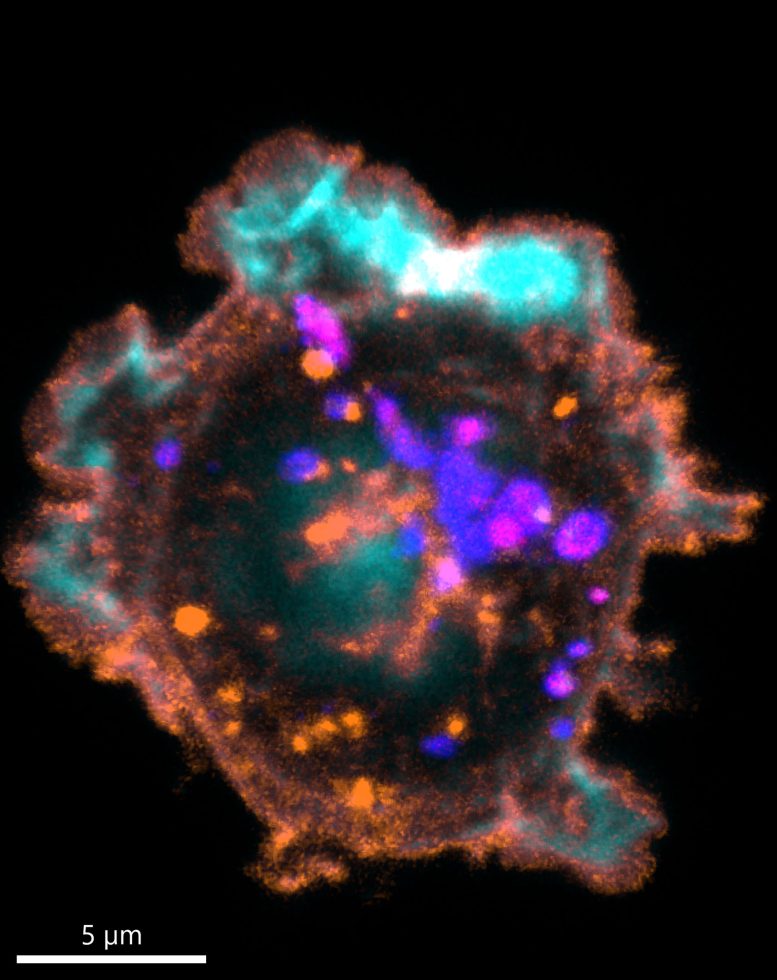
To understand why, the Garvan team analyzed blood samples from patients and used preclinical models of MKD to investigate immune system dysfunction. Their research revealed that NK cells, which normally serve as an early defense against viral infections, fail to mature properly and cannot effectively eliminate infected cells.
This defect sets off a chain reaction that leads to inflammation.
“We found that these immune cells are essentially misfiring,” explains Professor Rogers. “NK cells are loaded with toxic ammunition, stored in granules that are released to kill infected cells. However, in MKD these toxic granules can’t be released from NK cells and remain trapped inside. When an NK cell fails to kill its target, it compensates by shouting for help, pumping out large amounts of interferon gamma – a powerful inflammatory signal. This activates other immune cells and causes the dangerous fever and widespread inflammation seen in patients.”
How Misfiring NK Cells Trigger Dangerous Immune Responses
Lead researcher Dr. Marcia Munoz, Group Leader in the Rogers Lab, says the findings represent a major shift in how scientists understand MKD.
“This really turns on its head 30 years of dogma about what was thought to be the underlying mechanism of disease. In MKD, the primary problem is in NK cells and not in macrophages, as previously believed,” she says.
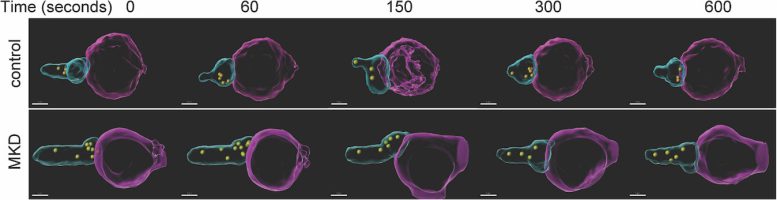
Captured over a 15-minute interaction, this rendered footage shows human natural killer cells engaging with targets. While a healthy immune cell effectively delivers its toxic yellow granules, the granules within the MKD patient’s cell fail to move, leaving the immune cell unable to strike the target. Credit: Rogers Lab, Garvan Institute / Immunity
Working with Professor Mariapia Degli-Esposti and researchers at Monash University, the team used preclinical models to confirm the connection between NK cell dysfunction and disease symptoms. Their results showed that an inability to clear viral infections contributes directly to the severe inflammatory organ damage seen in MKD.
Based on these findings, the researchers partnered with clinicians at the Royal Children’s Hospital in Melbourne to treat an infant with severe MKD using baricitinib, a JAK inhibitor that blocks interferon signaling. The drug is already approved for other immune-related conditions, including rheumatoid arthritis and eczema.
JAK Inhibitor Shows Promise in Severe MKD Case
After baricitinib was added to the infant’s standard treatment, doctors observed a reduction in disease severity, including fewer inflammatory flares and healing of severe gastrointestinal inflammation. The results highlight the potential of this therapeutic approach.
The researchers have also introduced the term “prenylopathies” to describe a family of genetic disorders that affect the same metabolic pathway as MKD. Early evidence suggests these conditions may share the same underlying problem: malfunctioning NK cells that trigger excessive inflammation.
“Confirming this link could help end the diagnostic odyssey many patients endure for years or even decades before receiving effective treatment,” says Professor Rogers.
Reference: “NK cell dysfunction and interferon-γ production underlie autoinflammation in mevalonate kinase deficiency” by Marcia A. Munoz, Iona S. Schuster, James Cremasco, Etienne N. Masle-Farquhar, Oliver P. Skinner, Zoe J. Vandeleur, Maté Biro, Daryan Kempe, William D. Renton, Sam Mehr, Charlotte Abell-King, Szun Szun Tay, Ryan C. Chai, Samar Ojaimi, John J. Zaunders, Geetha Rao, Ariel Castro-Martinez, Lisette van de Corput, Andrew N. McCorkindale, Leonard D. Goldstein, Xiaohong Li, Flore Wouters, Daniel L. Kastner, Ignatius Chua, Nicole L. Fewings, Fiona C. McKay, Catharina M. Mulders-Manders, Robert A. Brink, Stuart G. Tangye, Ivona Aksentijevich, Cindy S. Ma, Jeroen van der Hilst, Joost Frenkel, Mariapia A. Degli-Esposti and Michael J. Rogers, 30 April 2026, Immunity.
DOI: 10.1016/j.immuni.2026.03.027
This research was supported by John Brown Cook Foundation, The CORIO Foundation, Mrs Janice Gibson and Ernest Heine Family Foundation, The David and Dulcie Henshall Foundation and The Kinghorn Foundation.
Never miss a breakthrough: Join the SciTechDaily newsletter.
Follow us on Google and Google News.