
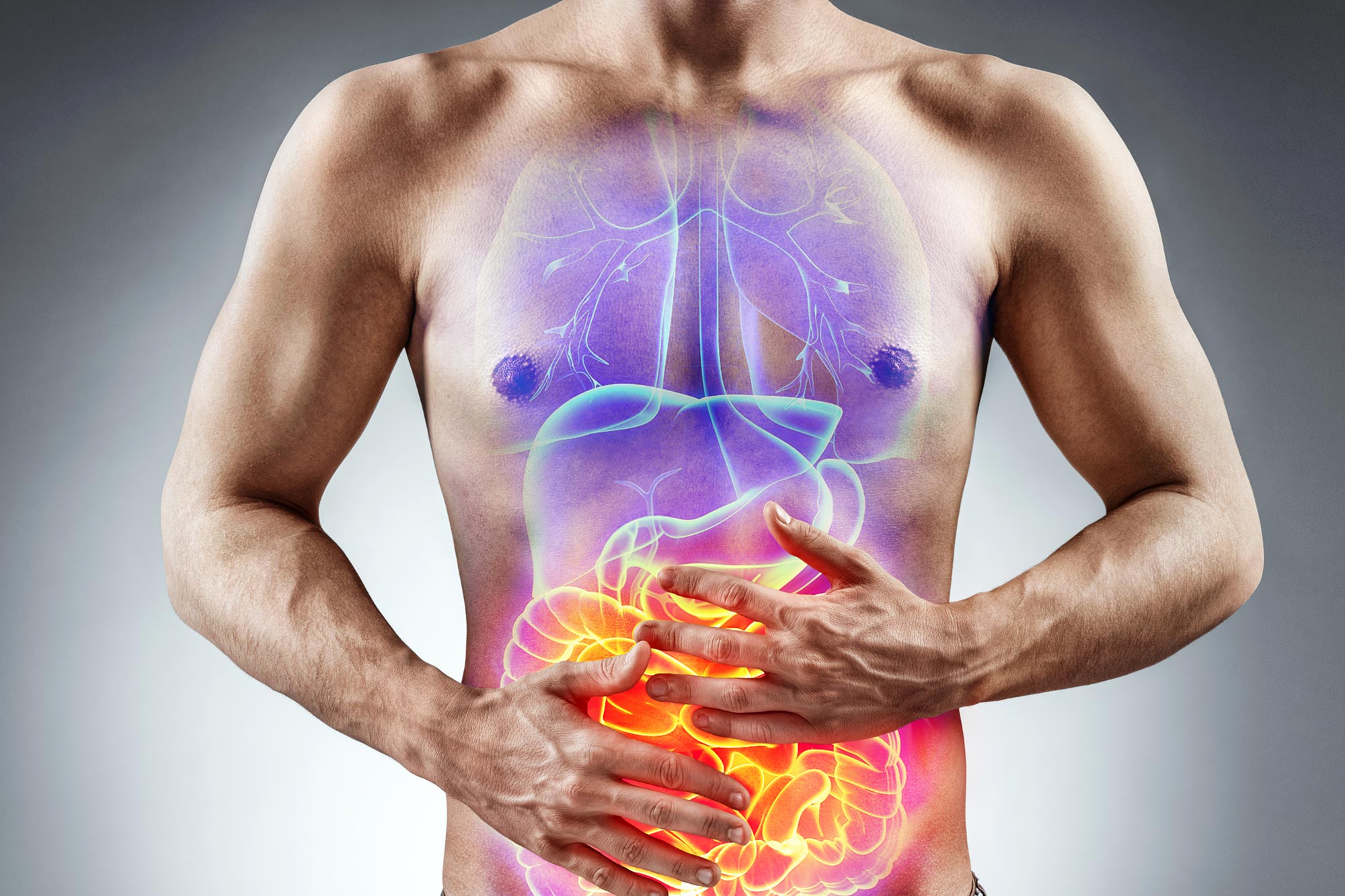
Scientists identified an autoimmune mechanism linked to a major IBD risk gene, opening the door to targeted diagnosis and personalized therapies for thousands of patients.
For decades, inflammatory bowel disease (IBD) has been treated as a single disorder, even though patients often experience dramatically different symptoms, disease courses, and responses to therapy. A new study suggests there may be a good reason for that: what doctors call IBD could actually be a collection of distinct diseases driven by different biological mechanisms.
Researchers from the University of Oxford’s Nuffield Department of Medicine, Newcastle University’s Translational and Clinical Research Institute, and the Department of Immunology at Cambridge University Hospitals NHS Foundation Trust have identified a key driver of disease in a subset of patients. Their findings, published in the New England Journal of Medicine, reveal an immune malfunction that not only triggers uncontrolled inflammation but also helps explain one of the strongest genetic risk factors linked to IBD.
The team analyzed more than 4,900 people with Crohn’s disease and ulcerative colitis, the two main forms of IBD. They discovered that some patients develop autoimmune responses against interleukin-10 (IL-10), a crucial molecule that normally acts as one of the body’s primary brakes on inflammation. They also found that this immune attack is closely tied to a genetic variant long associated with severe IBD.
Under normal circumstances, IL-10 helps prevent the immune system from overreacting and damaging healthy tissue. But when antibodies block IL-10, this protective mechanism is disabled, allowing inflammation to persist unchecked and potentially fueling disease.
IBD Burden and Impact on Patients
IBD includes Crohn’s disease and ulcerative colitis and affects about 500,000 people in the UK and millions more worldwide. The lifelong condition often begins during adolescence or early adulthood and may require repeated hospitalizations, long-term immunosuppressive treatments, and sometimes surgery.
Although treatment options have improved, many patients move from one therapy to another without achieving long-term disease control. This can significantly affect quality of life while also placing a substantial financial burden on health care systems.
The researchers found elevated levels of anti-IL10 neutralizing autoantibodies in the blood of about 3.5% of patients with Crohn’s disease or ulcerative colitis, while these antibodies were absent in healthy individuals. Based on current estimates, this could mean that 15,000 to 20,000 people with IBD in the UK carry these autoantibodies.
The team also discovered a strong association between these antibodies and a genetic variant known as HLA-DRB1*01:03.
Genetic Link Explains Severe IBD Risk
Oxford researchers first linked HLA-DRB1*01:03 to a severe form of IBD three decades ago. The new study reveals that people who carry this variant are much more likely to produce antibodies that block IL-10, providing a possible explanation for how the gene increases disease risk.
Professor Holm Uhlig, a pediatric gastroenterologist and Director of the Centre for Human Genetics at the University of Oxford’s Nuffield Department of Medicine and a senior author of the study, said:
“We’ve suspected an important role of interleukin 10 in patients with inflammatory bowel disease for decades. The study now provides clear evidence and contributes the missing link between a well-known genetic variant that had been linked to severe inflammatory bowel disease in the past and the very recently discovered autoimmunity to interleukin 10.”
“Understanding what drives the inflammation provides a clear explanation for disease in this group of people and opens the door to new treatments that target the autoantibodies themselves or cells that produce those autoantibodies.”
Rare Disease Research Leads to Breakthrough
Sophie Hambleton, Professor of Pediatrics and Immunology at Newcastle University, said, “This discovery shows how the study of rare, inherited disorders can shed new light on common conditions. The groundwork was laid over 10 years ago when genetic defects in IL-10 or its receptor were found in young children with severe IBD. Later, we realized that neutralizing autoantibodies against IL-10 was mimicking this effect in 2 little girls with colitis.”
The researchers believe the findings could support the development of a blood test that identifies this specific patient subgroup, helping doctors select more appropriate treatments sooner.
Dr. Rainer Doffinger, clinical immunologist at the Cambridge University Hospitals NHS Foundation Trust, said, “By identifying patients early and giving them targeted treatment, we could reduce reliance on expensive ongoing therapy and prevent complications. Even modest reductions in biologic treatment, admissions, and surgery could translate into savings of many millions of pounds annually for the NHS, alongside the major benefits for patients through fewer interventions, improved quality of life, or even durable remission.”
Professor Simon Travis, Professor of Clinical Gastroenterology at the University of Oxford and Kennedy Institute of Rheumatology, said, “This is the most exciting discovery in a lifetime specializing in IBD. It means that we can now identify a group where we know what is causing the disease, and that creates a real opportunity to change how we manage this disease.”
Personalized Medicine Opportunities for IBD
The findings mark an important step toward more personalized approaches to diagnosing and treating IBD. Instead of relying solely on symptoms, future treatment strategies could be guided by the specific biological mechanisms driving an individual patient’s disease.
Reference: “Interleukin-10 Autoantibodies and HLA-DRB1*01:03 in Inflammatory Bowel Disease” by Nima Gharahdaghi, Pai-Jui Yeh, Lourdes Ceron-Gutierrez, Helen Griffin, Hannah Gordon, Chamara Jayamanne, Alice Fracchia, Amanda Y. Chong, Alissa Walsh, Oliver Brain, Katherine Baker, Hannah Kockelbergh, Yang Luo, Martha Guevara Becerra, Katherine Vadakethala, Madeleine Coy, Ladan Kabiri, Martin Barnardo, Susanna Dunachie, Barbara Kronsteiner, Anna Adams, Darren Fowler, Qian Zhang, Laura Fachal, Carl A. Anderson, Rofaida Desoki, Marie Vibeke Vestergaard, Lone Larsen, Nicola J. Wyatt, Robert D. Lees, Robert J. Mulligan, Chaonan Dong, Mohmmed Tauseef Sharip, Siân E. Faustini, Adrian Shields, Julia Pakpoor, Bushra Naz, Alex Richter, Jack Satsangi, Christopher A. Lamb, Miles Parkes, Fiona Powrie, Alexander J. Mentzer, Aleksejs Sazonovs, Tine Jess, Paul Klenerman, Simon Travis, Sophie Hambleton, Rainer Doffinger and Holm H. Uhlig, 10 June 2026, New England Journal of Medicine.
DOI: 10.1056/NEJMoa2513654
The research was supported by the National Institute for Health and Care Research (NIHR) Biomedical Research Centre’s in Oxford, Cambridge and Newcastle.
Never miss a breakthrough: Join the SciTechDaily newsletter.
Follow us on Google and Google News.