
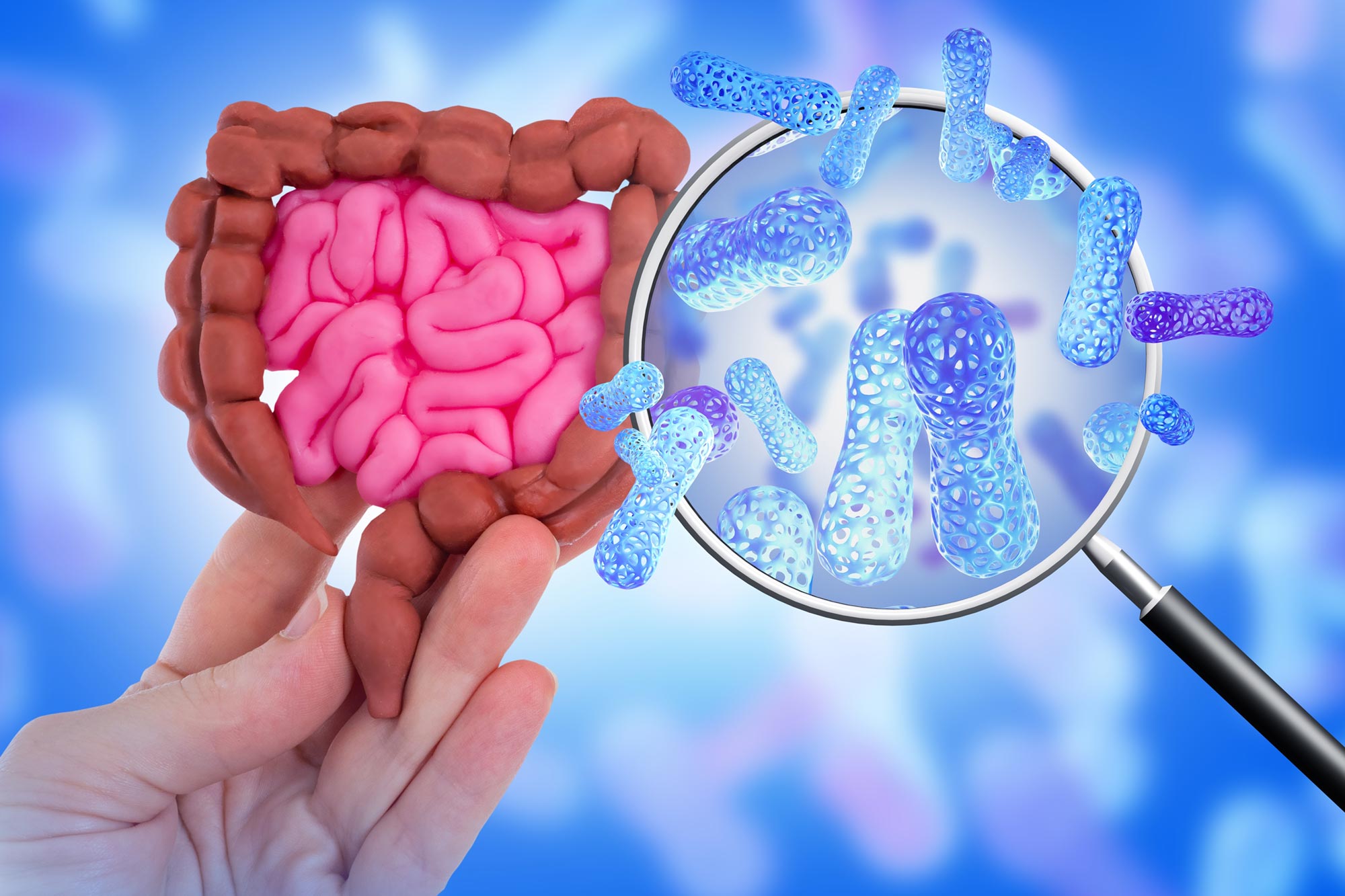
Engineered gut bacteria helped activate immune attacks against pancreatic tumors in animal models.
Pancreatic tumors are notoriously difficult for the immune system to attack. They often create a “cold” tumor microenvironment that keeps immune cells from building an effective response, limiting the benefits of immunotherapies that have transformed treatment for several other cancers.
Researchers at the University of Chicago are testing a way to deliver immune stimulation directly into these resistant tumors. In a study published in Science Advances, they engineered Bifidobacterium longum, a probiotic bacterium normally found in the gut, to carry a treatment called BifidoSumIL-2 into pancreatic tumors.
In animal models, the therapy activated cancer-fighting T cells and slowed tumor growth. Its effects became stronger when researchers combined it with chemotherapy, radiation therapy, or immunotherapy, suggesting that BifidoSumIL-2 might eventually help pancreatic tumors respond more effectively to existing treatments.
“A big unmet medical need has been pancreatic cancer, and so that was going to be our mountain to climb,” said Ralph Weichselbaum, MD, the Daniel K. Ludwig Distinguished Service Professor and Chair of Radiation and Cellular Oncology at the University of Chicago.
Engineering a more selective immune therapy
BifidoSumIL-2 delivers a modified version of interleukin-2 (IL-2), an immune signaling molecule that activates T cells. Although conventional IL-2 therapy can strengthen immune responses against cancer, it can also produce serious side effects and stimulate regulatory T cells that suppress antitumor activity.
To reduce those problems, the researchers used SumIL-2, an engineered form of the molecule designed to favor cancer-fighting T cells while limiting activation of regulatory T cells. They then placed SumIL-2 inside Bifidobacterium longum so the bacteria could release the treatment where it was most needed.
Developing the therapy brought together specialists in microbiology, synthetic biology, oncology and immunology.
“This was a highly interdisciplinary effort,” said Mark Mimee, PhD, Assistant Professor of Microbiology at the University of Chicago. “We had to bring together people who understand bacteria, people who understand tumors, and people who understand the immune system to make something like this possible.”
Bacteria seek oxygen-poor tumor regions
Bifidobacterium offered a useful delivery system because it grows in anaerobic, or low-oxygen, environments. Many solid tumors, including pancreatic tumors, contain regions with little oxygen, while healthy tissues generally contain enough oxygen to restrict the bacterium’s growth.
“Bifidobacterium is an obligate anaerobe, so it doesn’t grow in the presence of oxygen,” Mimee said. Following systemic injection, the bacteria are removed from oxygen-rich healthy tissues but can become active within low-oxygen areas of tumors.
Once inside a tumor, the engineered bacteria function as small production sites that release SumIL-2 locally. This concentrates the immune-stimulating molecule within the cancer rather than throughout the body. Bifidobacterium also has a favorable safety record in preclinical studies and is widely known as a probiotic organism found in products such as yogurt.
Engineering it, however, presented substantial technical difficulties.
“Bifidobacterium is not the easiest organism to work with,” Mimee said. “It’s anaerobic, it grows slowly, and the genetic tools for manipulating it are much more limited compared to model bacteria like E. coli. A lot of the work was just figuring out how to reliably engineer it.”
Combination treatments improve tumor control
In animal experiments, BifidoSumIL-2 accumulated selectively inside tumors, stimulated immune activity and slowed the growth of pancreatic cancer. It also altered the tumor microenvironment by increasing the activity of CD8+ T cells, which can recognize and destroy cancer cells.
Combining BifidoSumIL-2 with established therapies produced stronger effects. Chemotherapy, radiation therapy, and anti-PD-L1 immunotherapy each improved tumor control and survival more when paired with the bacterial treatment than when used alone.
“This combination potential is one of the study’s most important findings; BifidoSumIL-2 not only works by itself — it works with radiotherapy, chemotherapy, and immunotherapy,” Weichselbaum said.
BifidoSumIL-2 has not yet been evaluated in humans. Future work must examine its long-term safety, the possibility of effects outside the tumor, how long the immune response persists, and whether the bacteria can be taken orally instead of injected. Researchers also want to test the approach alongside newer pancreatic cancer treatments, including KRAS inhibitors.
The work is part of an expanding “bugs as drugs” strategy that uses engineered probiotic bacteria to carry therapies into difficult tumors. By producing immune treatments directly at the cancer site, these bacteria could potentially strengthen local effects while reducing exposure in healthy parts of the body.
Reference: “Engineered probiotic Bifidobacterium for tumor-targeted pancreatic cancer therapy” by Jaehyun Lee, Kaiting Yang, Christina A. Nowicki, Wei Liu, Kangdi Li, Emile Naccasha, Zhichen Sun, Yang-Xin Fu, Hua Liang, Ralph R. Weichselbaum and Mark Mimee, 23 July 2026, Science Advances.
DOI: 10.1126/sciadv.adz1388
Supported by funds from the Ludwig Foundation and the National Institutes of Health.
Never miss a breakthrough: Join the SciTechDaily newsletter.
Follow us on Google and Google News.