
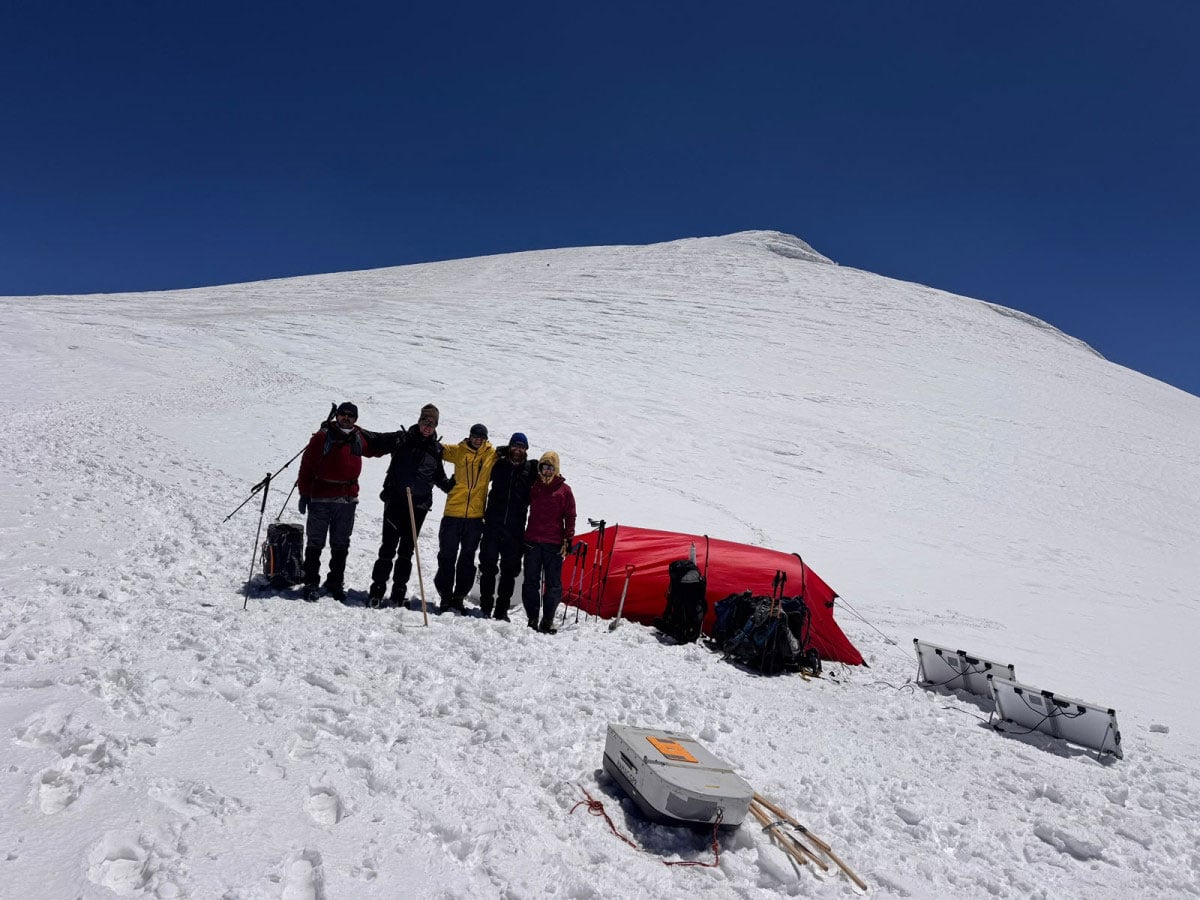
A German and Turkish research team is studying a shrinking glacier as a record of past climate and environmental change.
More than 5,000 meters above sea level, amid intense cold, strong winds, and oxygen levels roughly half those in the valley below, a German-Turkish research team conducted the first survey of Mount Ararat’s glacier in eastern Turkey in July.
Over two weeks, the researchers examined an ice field that had remained largely unknown to science. They wanted to determine whether the ice covering Turkey’s highest mountain contains an exceptional record of past climate and human activity.
That record is rapidly disappearing. Global warming is accelerating the decline of the Ararat ice cap, and each summer may erase evidence that few other sources can preserve.
The project united archaeologists and glaciologists to investigate the threatened archive before more of it is lost.
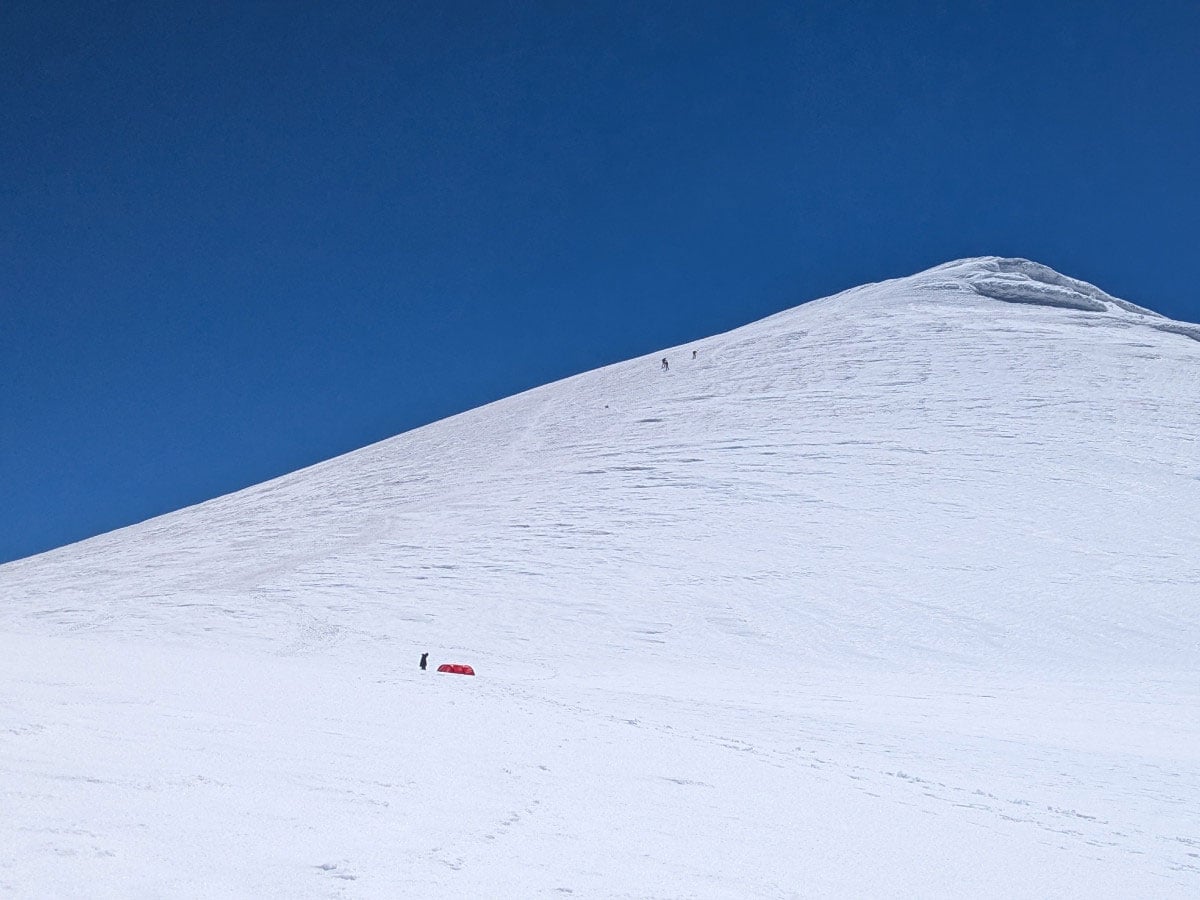
Survey pinpoints where drilling should begin
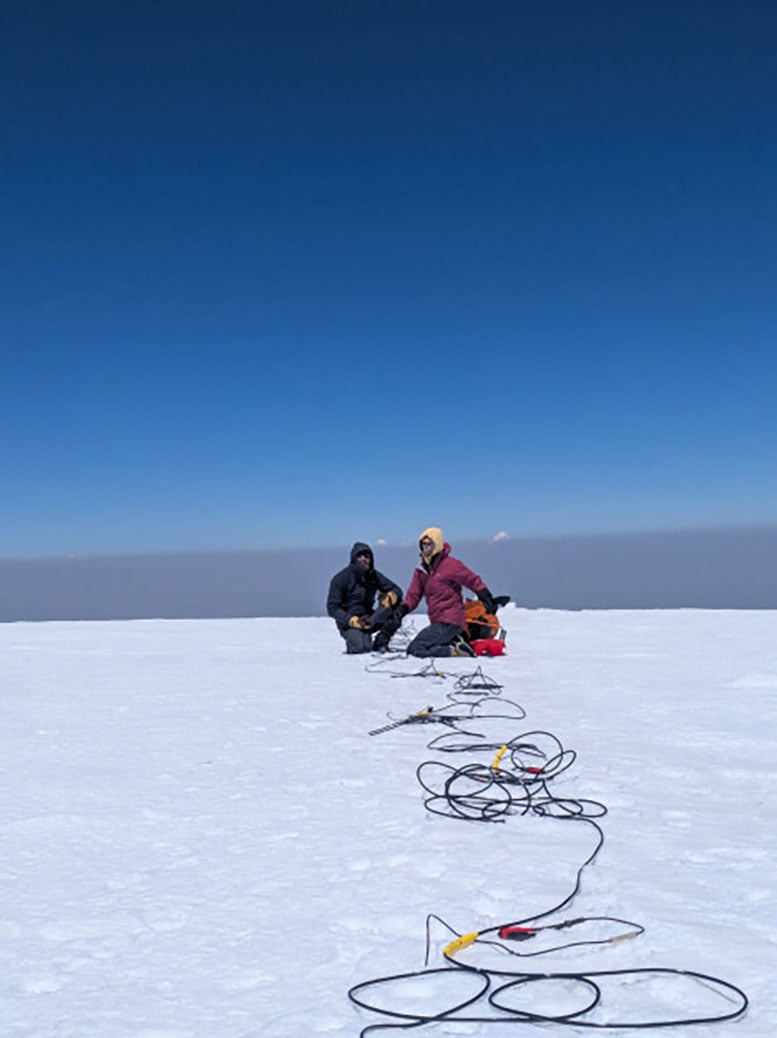
Researchers mapped the ice cap with a combination of ground-based radio echo sounding and active seismic techniques. Together, these methods reveal the thickness of the glacier and the shape of the ground beneath it.
“Despite wind and cold, we obtained all the data we need,” says Dr Coen Hofstede of the Alfred Wegener Institute, who was responsible for the measurements on site. “Now we can determine where to drill the longest continuous ice core.”
The researchers plan to extract ice cores during their next expedition. Success would provide the first-ever ice core recovered from Mount Ararat.
Ice may preserve a regional history
“This represents an entirely new source of data for archaeology,” says Prof Dr Achim Lichtenberger, project leader from the University of Münster. “So far, we’ve had to depend on what lies in the ground. The ice, on the other hand, could preserve a continuous chronicle of human activity, layer by layer over millennia.”
Its layers may also contain important evidence for glaciologists, including records of earlier atmospheric composition, transported dust, and past volcanic eruptions.
These clues could show how well-known climate periods such as the Roman Climate Optimum and the Late Antique Little Ice Age (LALIA) unfolded in this region.
Mount Ararat’s location makes the glacier especially important. The mountain stands where several of the world’s most influential early civilizations intersected.
Comparable Mediterranean research has largely focused on glaciers in the Alps, while the Middle East remains mostly unstudied.
“This is the region where agriculture began, where early centers of mining and metallurgy emerged,” explains Prof Dr Ünsal Yalçın of Isparta University in Turkey. “If we are lucky, we will find in the ice not only climate data but also fine metal particles from ancient smelting furnaces or residues from early slash-and-burn agriculture. Mount Ararat would then serve as an archive for the entire region of Anatolia, Mesopotamia, and the Caucasus.”
The German-Turkish project is funded by the Gerda Henkel Foundation.
Never miss a breakthrough: Join the SciTechDaily newsletter.
Follow us on Google and Google News.
1 Comment
News Press Review : What is left behind has a print all of you