
Close Menu
    Facebook X (Twitter) Instagram
    SciTechDaily
    • Biology
    • Chemistry
    • Earth
    • Health
    • Physics
    • Science
    • Space
    • Technology
    Facebook X (Twitter) Pinterest YouTube RSS
    SciTechDaily
    Home»Biology»Topical Antibiotic Triggers Resistance to Viral Infections
    Biology

    Topical Antibiotic Triggers Resistance to Viral Infections

    By Ziba Kashef, Yale UniversityApril 10, 2018No Comments2 Mins Read
    Facebook Twitter Pinterest Telegram LinkedIn WhatsApp Email Reddit
    Share
    Facebook Twitter LinkedIn Pinterest Telegram Email Reddit

    Antibiotics And The Antiviral Response

    A Yale-led research team made a startling discovery while investigating the effect of bacteria on viral infections. When they applied a common topical antibiotic to mice before or shortly after infection with herpes and other viruses, they found that the antibiotic triggered an antiviral resistance in the animals, the researchers said.

    The study was published in the journal Nature Microbiology.


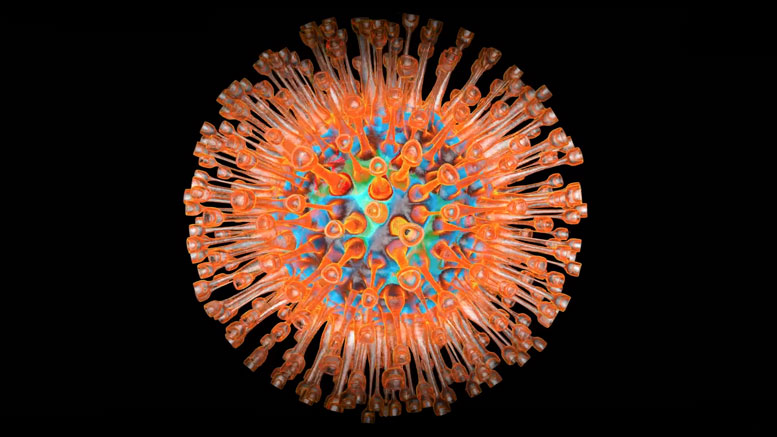
    A new study led by Immunobiologist, Akiko Iwasaki shows a virus’s unexpected reaction to antibiotics.

    The team, led by immunobiologist Akiko Iwasaki, who is also an investigator of the Howard Hughes Medical Institute, focused on one antibiotic, neomycin, which decreased the herpes virus and symptoms in infected mice. They studied gene expression in the treated mice and observed greater expression of genes that are stimulated by interferons — proteins that block viral replication. Through further investigation, they determined that neomycin triggered a receptor in the mouse immune cells that responded to the antibiotic as if it was a viral infection.

    The researchers also confirmed neomycin’s antiviral effect in mice infected with the flu and Zika viruses, said Smita Gopinath, the primary author of the study.

    While the findings are notable, said the researchers, the team is not promoting the use of topical antibiotics to treat viral infections in people. However, they said, their study deepens understanding of the antiviral effect of an antibiotic, and could lead to the development of better antiviral medications.

    Reference: “Topical application of aminoglycoside antibiotics enhances host resistance to viral infections in a microbiota-independent manner” by Smita Gopinath, Myoungjoo V. Kim, Tasfia Rakib, Patrick W. Wong, Michael van Zandt, Natasha A. Barry, Tsuneyasu Kaisho, Andrew L. Goodman and Akiko Iwasaki, 9 April 2018, Nature Microbiology.
    DOI: 10.1038/s41564-018-0138-2

    Other study authors are Myoungjoo Kim, Tasfia Rakib, Patrick Wong, Michael van Zandt, Natasha A. Barry, Tsuneyasu Kaisho, and Andrew L. Goodman.

    The study was supported in part by grants from the National Institutes of Health.

    Never miss a breakthrough: Join the SciTechDaily newsletter.
    Follow us on Google and Google News.

    Immunobiology Microbiology Virus Yale University
    Share. Facebook Twitter Pinterest LinkedIn Email Reddit

    Related Articles

    University Biologists Identify Key Step in Viral Replication

    Nanogels Provide a New Way to Attack Lupus

    Virus Has the Potential To Stop Acne

    Understanding the Internal Process That Makes Salmonella Dangerous

    Immune System May Trigger Melanoma Growth

    Trip to Rainforest Yields Organisms Capable of Degrading Polyurethane

    Altered Microbes that Cause Obesity & Chronic Liver Disease May be Infectious

    Ecuador Rainforest Fungus Survives on Polyurethane without Oxygen

    MSU Researchers Show How New Viruses Evolve Through Mutations

    Leave A Reply Cancel Reply

    • Facebook
    • Twitter
    • Pinterest
    • YouTube

    Don't Miss a Discovery

    Subscribe for the Latest in Science & Tech!

    Trending News

    Giant Crocodylians Ruled South America’s Ancient Food Chain

    Breakthrough in a Bizarre Galaxy Could Help Unlock the Mystery of Dark Matter

    Just 4 Minutes of Daily Strength Training Can Quadruple Fitness in Older Adults

    Almost All Plant-Based Meat Alternatives Contain Mycotoxins, Study Finds

    Astronomers Detect a Record-Breaking “Cosmic Laser” From 8 Billion Light-Years Away

    A 47-Year-Old Scientist Tracked Himself for Months – His Biological Age Fell to 32

    Construction Crew Uncovers Giant 20-Meter Dinosaur in Brazil

    30 Years of Hurricane Data Reveal 4 Warning Signs Before Storms Strengthen

    Follow SciTechDaily
    • Facebook
    • Twitter
    • YouTube
    • Pinterest
    • Newsletter
    • RSS
    SciTech News
    • Biology News
    • Chemistry News
    • Earth News
    • Health News
    • Physics News
    • Science News
    • Space News
    • Technology News
    Recent Posts
    • A 20-Year Study Finds Preschool Can Influence Success for Years
    • 55-Million-Year-Old Penguin Fossils Preserve Clues to a Warmer Antarctica
    • A 35,000-Year-Old Neanderthal Pelvis May Explain Why Men and Women Walk Differently
    • Hidden Brain Wiring May Help Preserve Thinking As Gray Matter Shrinks
    • Dual Stem Cell Treatment Restores Vision in First Human Trial
    Copyright © 1998 - 2026 SciTechDaily. All Rights Reserved.
    • Science News
    • About
    • Contact
    • Editorial Board
    • Privacy Policy
    • Terms of Use

    Type above and press Enter to search. Press Esc to cancel.