
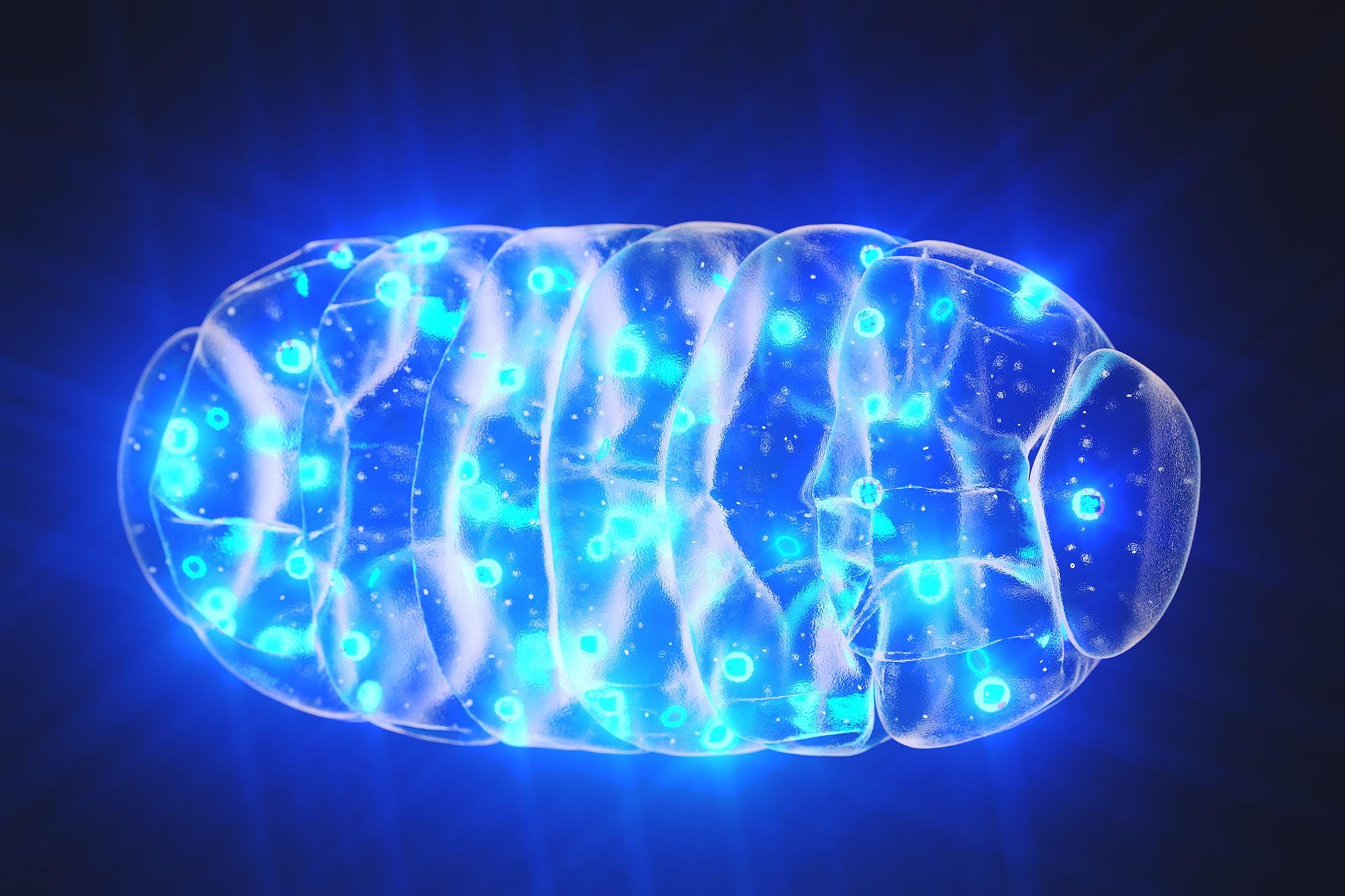
Dysfunctional mitochondria may drive age-related inflammation by helping switch on inflammatory genes, and blocking SLC25A1 reduced that activity.
As people age, senescent cells accumulate in the body. These so-called “zombie” cells have stopped dividing but remain metabolically active, releasing inflammatory molecules that can contribute to persistent inflammation associated with frailty, cardiovascular disease, cancer, neurodegeneration, and other disorders of aging.
Researchers have now identified a previously unknown mechanism that helps explain how these aging cells switch inflammatory genes into a highly active state. The findings connect dysfunctional mitochondria — the structures that produce cellular energy — with epigenetic machinery that controls gene activity, revealing a potential new way to reduce harmful inflammation without eliminating the senescent cells themselves.
The study, published in Nature, builds on years of research into the senescence-associated secretory phenotype, or SASP, the mixture of inflammatory molecules released by senescent cells. The work was conducted by Mayo Clinic researchers in collaboration with Sanford Burnham Prebys Medical Discovery Institute.
“For years, the field has focused on getting rid of senescent cells,” says João Passos, Ph.D., a Mayo Clinic researcher and senior author of the study conducted in collaboration with Sanford Burnham Prebys Medical Discovery Institute. “Our strategy has been different. Instead of killing the cells, we asked whether we could switch off the inflammation that makes them harmful.”
Mitochondria send two inflammatory signals
Earlier research from the Passos laboratory showed that damaged mitochondria leak mitochondrial DNA and RNA into the cell. Those misplaced genetic molecules activate immune pathways that promote inflammation. The new study reveals that this inflammatory alarm is only part of the process.
“We found that inflammatory signaling alone isn’t enough,” says Helene Martini, Pharm.D., Ph.D., a Mayo Clinic researcher and first author of the study. “The cells also need a metabolic signal from mitochondria that changes how inflammatory genes are turned on.”
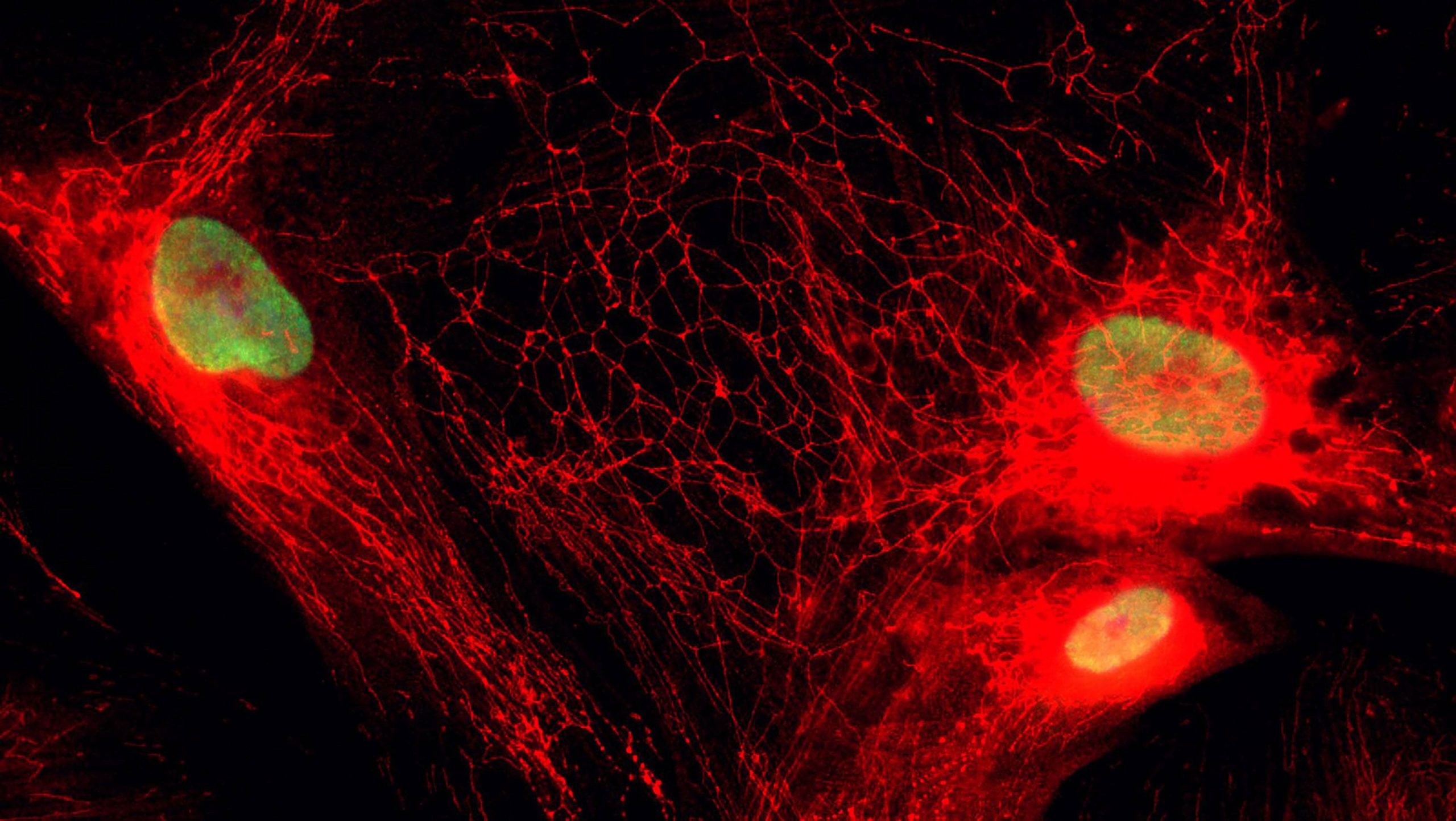
That second signal involves acetyl-CoA, a molecule produced through mitochondrial metabolism. The researchers found that senescent cells make more acetyl-CoA, which supports epigenetic modifications — chemical changes that influence whether genes are active without changing the underlying DNA sequence.
Those modifications make inflammatory genes more accessible to the cellular machinery that reads them, allowing the genes to be expressed more strongly. In this two-part process, leaked mitochondrial DNA and RNA trigger the inflammatory signal, while mitochondrial metabolism supplies the molecular “permission” needed for inflammatory genes to become fully active.
“This is a completely new pathway,” says Dr. Martini. “We found that dysfunctional mitochondria can promote inflammation by controlling epigenetic switches that turn inflammatory genes on.”
Blocking one transporter reduced inflammation
The researchers also identified a possible point for therapeutic intervention. They focused on SLC25A1, a mitochondrial citrate transporter involved in supplying the acetyl-CoA needed for these epigenetic changes.
Blocking SLC25A1 reduced the available acetyl-CoA and limited activation of inflammatory genes, even though the original immune signals were still present. The finding identifies a previously unrecognized control point in the inflammatory process and suggests that targeting this pathway could potentially promote healthier aging without requiring senescent cells to be destroyed.
Reference: “Mitochondrial metabolism and epigenetic crosstalk drive SASP” by Hélène Martini, Jodie Birch, Francisco D. M. Marques, Stella Victorelli, Anthony B. Lagnado, Nicholas Pirius, Ana Catarina Franco, Gung Lee, Yeaeun Han, Jennifer L. Rowsey, Wazim Mohammed Ismail, Amelia Mazzone, Tianna M. Espe, Taro Hitosugi, Ya Li, Alexander M. Washington, Aaron Havas, Rabi Murad, Xue Lei, Rebecca A. Porritt, Oliver D. K. Maddocks, Jair Machado Espindola-Netto, Dominik Saul, Sundeep Khosla, Diana Jurk, Enis Kostallari, Alexandre Gaspar-Maia, Peter D. Adams and João F. Passos, 29 July 2026, Nature.
DOI: 10.1038/s41586-026-10791-2
Never miss a breakthrough: Join the SciTechDaily newsletter.
Follow us on Google and Google News.