
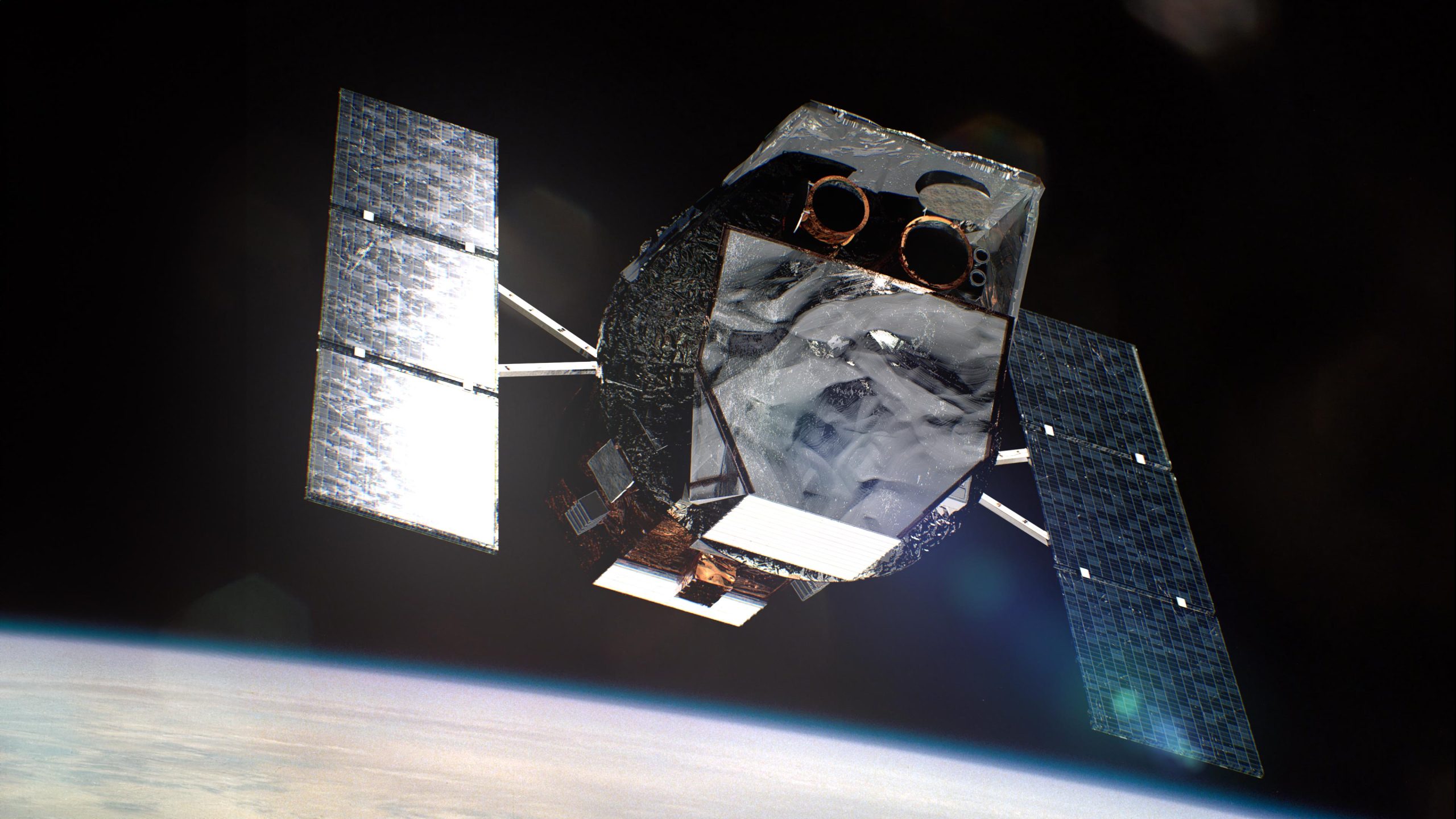
NASA’s Neil Gehrels Swift Observatory is back to studying the universe, even as the aging spacecraft continues to lose altitude and a planned mission to raise its orbit has been scaled back.
Two of Swift’s three science instruments are operating again after months of conservation measures designed to reduce atmospheric drag and keep the observatory in orbit longer. The commercial mission that had been intended to lift Swift into a higher orbit will no longer attempt that maneuver. Instead, it will focus on testing technologies for future spacecraft rendezvous and servicing.
Swift’s Telescopes Return to Work
On August 26, the Swift team reactivated the spacecraft’s Ultraviolet/Optical and X-ray telescopes. Both had been turned off in February as part of an effort to reduce drag and preserve as much orbital lifetime as possible while preparations for the planned boost continued.
Swift’s third major instrument, the Burst Alert Telescope, has remained inactive since April. Shutting it down reduced the spacecraft’s power needs, allowing engineers to orient Swift’s solar panels in a way that further limited atmospheric drag. NASA says the team is now working to bring the instrument back into data collection within the next few weeks.
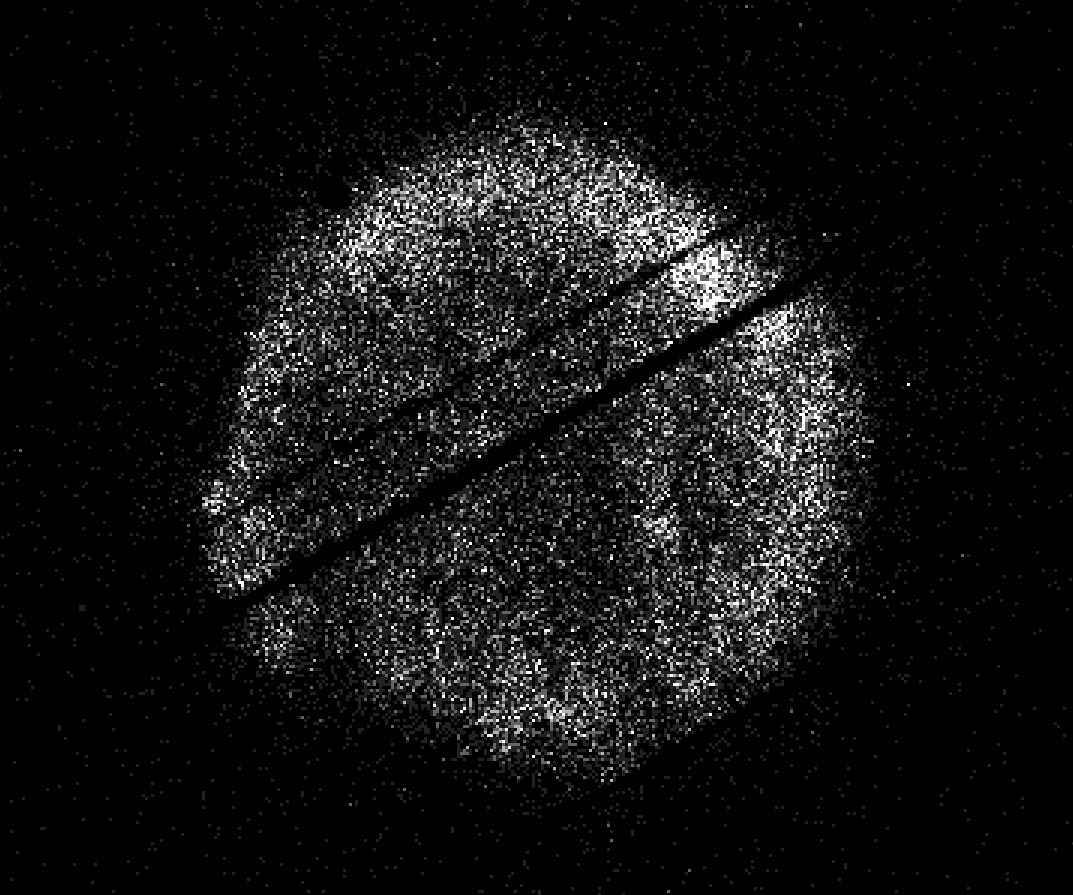
For more than 21 years, Swift has served as one of NASA’s most versatile observatories for studying the cosmos. Its instruments can observe different forms of light and quickly turn toward sudden events in the sky. When Swift detects a short-lived cosmic outburst, it can alert observatories on Earth and in space so astronomers can rapidly investigate the event from multiple wavelengths.
That quick response has made Swift especially valuable for studying brief and unpredictable phenomena that can fade before slower telescopes have time to react.
Why Swift Is Losing Altitude
The observatory’s biggest problem is not its scientific capability, but its orbit.
Although low Earth orbit may seem like empty space, traces of Earth’s atmosphere still extend to those altitudes. Spacecraft moving through this extremely thin gas experience atmospheric drag, which gradually removes orbital energy and causes them to descend.
Many satellites can compensate by firing onboard thrusters. Swift cannot. It does not have a propulsion system capable of raising its orbit, so the spacecraft has no way to reverse the long-term loss of altitude on its own.
Recent solar activity has made the situation more serious. Increased solar activity can heat and expand Earth’s upper atmosphere, making it denser at the altitudes where satellites orbit. That increases drag, and Swift began descending faster than NASA had expected.
A Plan to Lift Swift Into a Higher Orbit
In September 2025, NASA contracted Katalyst Space to attempt something unusual: send another spacecraft to Swift, capture the observatory, and raise it into a safer orbit.
Katalyst was given one year to design, build, test, and launch a spacecraft called LINK. The ambitious plan called for LINK to rendezvous with Swift in orbit, physically grab the observatory, and lift it to a higher altitude.
LINK launched in July aboard a Northrop Grumman Pegasus rocket. Later that month, however, the spacecraft developed problems controlling its orientation in space.
NASA and Katalyst announced on August 19 that LINK would no longer attempt to capture and boost Swift.
The mission is not ending entirely. Katalyst still plans to rendezvous with Swift and conduct proximity operations near the observatory. Those maneuvers will be used to test technologies that could eventually help spacecraft approach, inspect, repair, refuel, or otherwise service satellites already operating in orbit.
Swift Is Racing Against Atmospheric Drag
Before the orbit boost was abandoned, NASA predictions indicated that the shift to low-drag operations had extended the amount of time Swift could remain above 185 miles (300 kilometers) until October.
That altitude is an important threshold. Once Swift drops below 185 miles (300 kilometers), operating the telescope becomes increasingly difficult, while atmospheric drag grows stronger and causes the spacecraft to descend more rapidly.
Now that science observations have resumed, Swift will no longer be operating in its most aggressive drag-reducing configuration. NASA expects the observatory to reach the 185-mile (300-kilometer) threshold sometime within the next one to two months.
For now, Swift is once again looking outward at the universe, using the time and altitude it has left to continue a scientific mission that has already lasted more than two decades.
Never miss a breakthrough: Join the SciTechDaily newsletter.
Follow us on Google and Google News.