
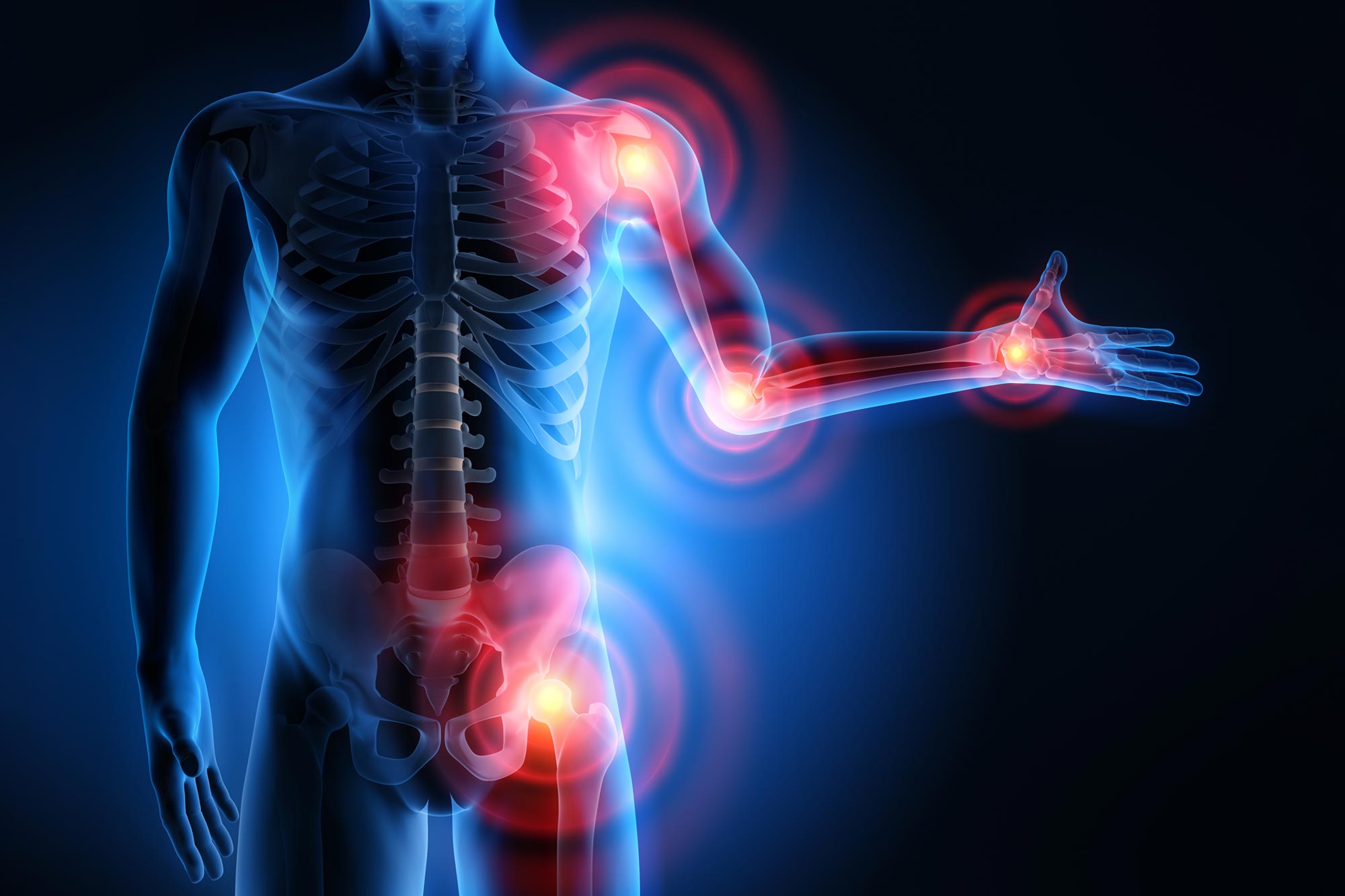
The findings offer new insights that could help guide the development of future therapies.
A protein called human resistin may help flip on one of the immune system’s most powerful inflammatory switches. Researchers at Johns Hopkins Medicine found that resistin can activate a pathway involved in chronic inflammation, a process linked to conditions including cardiovascular disease, diabetes, and autoimmune disorders.
Human resistin is a signaling protein associated with inflammation and immune activity. The new study provides a closer look at how it may help trigger and sustain inflammatory responses inside immune cells.
At the center of that process is the NLRP3 inflammasome, a molecular complex that helps cells launch inflammation when they detect signs of danger. The researchers found that resistin can help prepare immune cells called macrophages for this response and then help activate the inflammasome itself.
“Chronic inflammation plays a role in everything from heart disease to autoimmune disorders, yet the underlying triggers have remained unclear,” said Roger Anthony Johns, M.D., professor of anesthesiology and critical care medicine at the Johns Hopkins University School of Medicine. “By identifying a key molecule that drives inflammatory responses, we’re getting closer to understanding how we might interrupt this process, opening the door to developing more targeted therapies in the future.”
Resistin primes inflammation in two steps
Inflammation is an essential part of the body’s defense system. It helps the immune system respond to injury and other threats. Problems can arise when that response remains active for too long, allowing inflammatory signals to damage healthy tissue and contribute to chronic disease.
The study, published in PLOS One, examined how resistin affects macrophages. The researchers found that the protein influences two stages needed to activate the NLRP3 inflammasome.
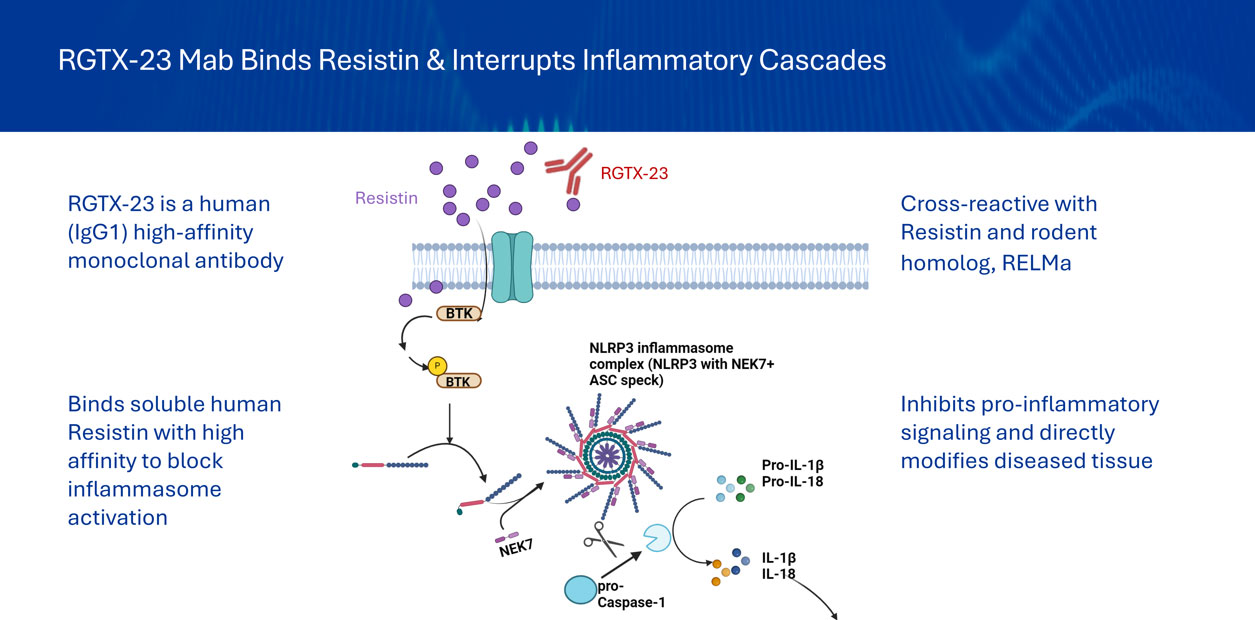
First, resistin helps prime macrophages, preparing them for an inflammatory response. It then helps activate the inflammasome. Once that molecular complex is switched on, it leads to the release of inflammatory molecules including IL-1β and IL-18.
Those molecules help coordinate immune activity, but when inflammatory signaling becomes excessive or persistent, it can contribute to tissue damage and disease progression. The findings place resistin near the beginning of a chain of events that can amplify inflammation.
The same pathway appears in diseased lungs
The researchers then looked for signs of the same pathway in human disease. They examined lung tissue from patients with pulmonary hypertension, a serious condition in which blood pressure is abnormally high in the blood vessels of the lungs.
Those samples showed increased activity of both resistin and the inflammasome pathway.
“Seeing this heightened activity in patient lung tissue reinforces that this pathway isn’t just something we observe in the lab—it’s directly relevant to human disease,” said Dr. Johns. “It suggests that resistin may play a meaningful role in the severity of pulmonary hypertension and highlights both resistin and the inflammasome as potential targets we could one day modulate to improve outcomes.”
Blocking resistin weakens the pathway
The team also tested whether the inflammatory pathway could be weakened by blocking resistin. When researchers used a targeted antibody against the protein, activation of the pathway decreased.
“By identifying human resistin as a key regulator of inflammation, the findings open the door to developing drugs that could interrupt this pathway and reduce harmful immune responses,” said Dr. Johns. “This work provides new insight into how inflammation is driven at the cellular level, highlighting the potential for therapies that target resistin to treat a range of inflammatory diseases.”
Reference: “Human resistin is critical to activation of the NLRP3 inflammasome in macrophages” by Udeshika Kariyawasam, Winson Lam, John Skinner, Rituparna Chakrabarti, Andrea Cox, Paul M. Hassoun, Qing Lin and Roger A. Johns, 10 April 2026, PLOS ONE.
DOI: 10.1371/journal.pone.0337682
Never miss a breakthrough: Join the SciTechDaily newsletter.
Follow us on Google and Google News.