
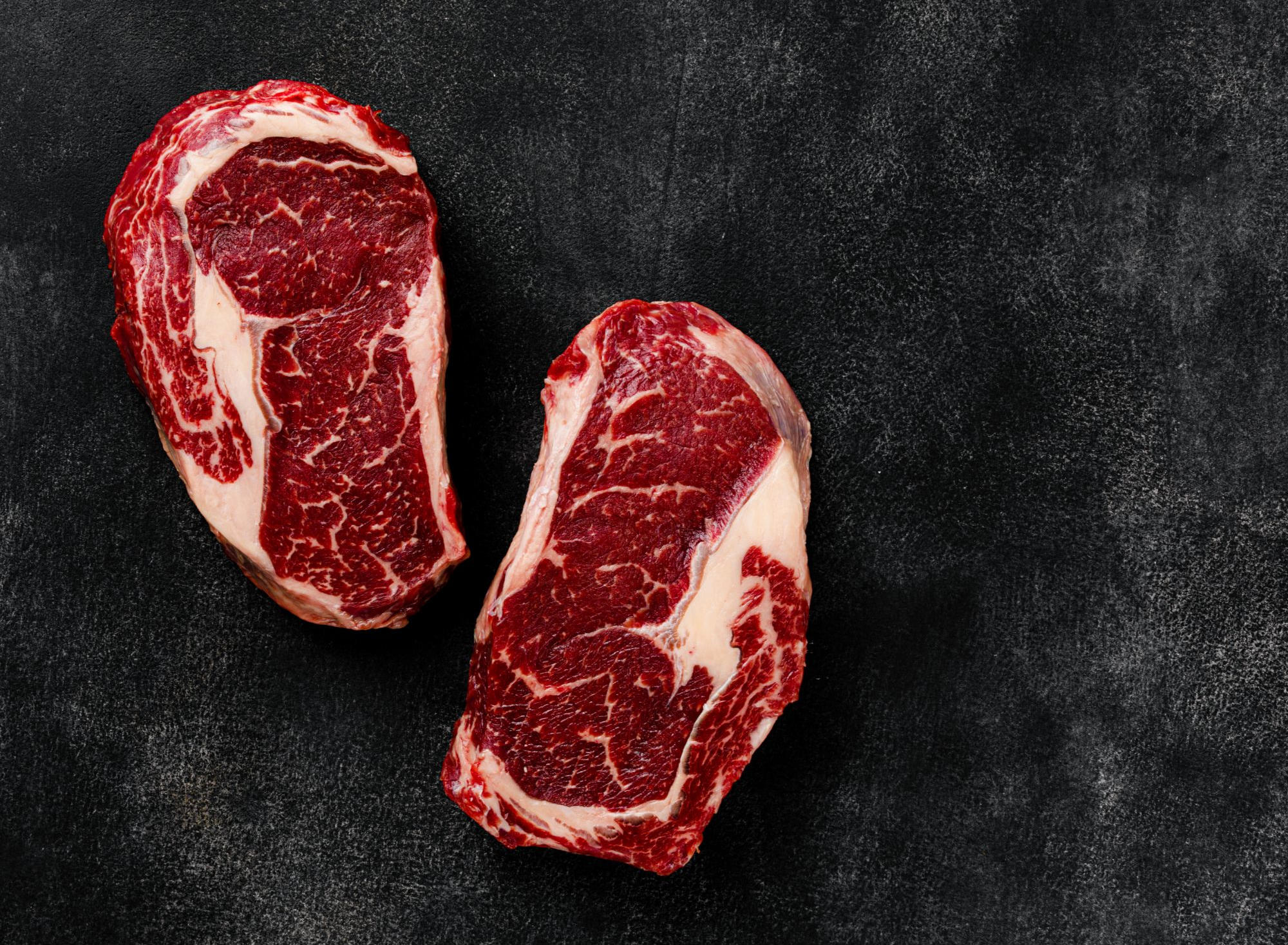
Researchers found that diabetes risk rose with higher exposure to meat-derived Neu5Gc, while the same pattern was not seen for Neu5Gc from dairy.
A sugar found naturally in red meat may help explain part of the long-observed association between meat consumption and type 2 diabetes. Preliminary findings from nearly 90,000 adults suggest that people with the highest intake of N-glycolylneuraminic acid (Neu5Gc) from meat had a substantially greater risk of developing type 2 diabetes (T2D) than those consuming the least.
The observational study, being presented at the Annual Meeting of the European Association for the Study of Diabetes (EASD) in Milan, Italy, found a 63% higher risk among participants in the highest meat-derived Neu5Gc group after researchers accounted for factors including age, sex, physical activity, overall diet, smoking, and existing health conditions. The association became weaker after adjustment for body mass index (BMI), but remained statistically significant.
A Sugar Humans No Longer Make
Most mammals produce Neu5Gc naturally, but humans lost that ability after an ancient mutation disabled the CMAH gene. Neu5Gc is nevertheless present in the human diet, particularly in red meat (particularly beef and lamb), and in smaller amounts in dairy products.
After Neu5Gc enters the body through food, some of it can become incorporated into human tissues. Because the human body cannot make the molecule itself, the immune system can recognize it as foreign, a so-called xeno-autoantigen. Antibodies directed against Neu5Gc may then produce persistent immune activity known as xenosialitis, which has previously been studied in connection with cardiovascular diseases and cancer.
“Our findings support chronic inflammation as a specific mechanism linking red meat consumption with T2D, partly beyond the amount of red meat a person eats and partly independent of body fat,” said lead author Dr Leopold Fezeu from the Université Sorbonne Paris Nord, Bobigny, France.
Following Nearly 90,000 Adults
Researchers examined 89,953 adults enrolled in the NutriNet-Santé study, a large French prospective cohort that tracks relationships among diet, lifestyle, and health. Participants had an average age of 42 years, 79% were female, and none had T2D or cancer when the analysis began.
Each participant completed three 24-hour dietary records. The researchers estimated Neu5Gc intake using a validated database containing measured concentrations of the sugar in different foods. The analysis included beef, lamb, pork, rabbit, goat, and game meats, while processed meat products (such as bacon, sausages, and cured meats) were treated separately. Dairy products were analyzed separately as well.
Participants were divided into five equal groups (quintiles) according to their intake of meat-derived Neu5Gc, with separate intake distributions calculated for men and women. During a median follow-up of 7.2 years, researchers identified 966 new cases of T2D.
Risk Rose With Higher Exposure
The probability of developing T2D increased as meat-derived Neu5Gc intake rose, with the steepest increase occurring at higher exposure levels. Compared with the lowest quintile, participants in the second highest group had a 41% higher risk, while those in the highest group had a 63% higher risk (men and women combined).
The association appeared in both sexes, with no statistical evidence that it differed between men and women. In the highest quintile, men consumed a median of 97 g of red meat per day (136 g including processed meat), while women consumed 73 g (96 g). In the lowest quintile, the corresponding amounts were 5 g (21 g) for men and 0 g (9 g) for women.
The sharp rise at higher intake levels raises the possibility of a threshold effect, in which increasing amounts of Neu5Gc incorporated into tissues provoke a stronger immune response. That mechanism remains hypothetical. “Although we do not know exactly what levels of Neu5Gc trigger an immune response, our data suggest that higher intakes of meat-derived Neu5Gc are associated with a progressively higher risk of T2D,” said Dr Fezeu.
Neu5Gc May Explain Only Part of the Meat Link
The association persisted regardless of total energy intake. However, once researchers also adjusted for the total amount of red meat consumed, the relationship between Neu5Gc and T2D weakened and was no longer statistically significant, although it continued in the same direction.
That result means the study cannot establish Neu5Gc as the specific component of red meat responsible for the higher diabetes risk. Neu5Gc may contribute to the association, but other components of meat or characteristics of people who consume more meat could also play a role.
Researchers also estimated that obesity accounted for about 13% of the association between red meat-derived Neu5Gc and T2D. They propose that inflammatory processes affecting insulin-producing cells and insulin-sensitive tissues could account for part of the remaining relationship, but the study did not directly demonstrate that mechanism.
Dairy Showed a Different Pattern
Neu5Gc from dairy products was not associated with T2D in the analysis. Cow’s milk generally contains less Neu5Gc than red meat, and dairy serving sizes may also produce lower overall exposure.
When researchers considered Neu5Gc from all dietary sources together, people in the highest intake quintile had a 37% higher risk of developing T2D than those in the lowest group. Most of that association appeared to come from red meat.
“Together, these findings suggest that the association between Neu5Gc and T2D may depend on its dietary source, with meat-derived Neu5Gc showing a stronger association with T2D risk than total dietary Neu5Gc,” said Dr Fezeu. “There may be differences between sources, or other components of red meat may contribute.”
Testing the Inflammation Hypothesis
The researchers plan to examine Neu5Gc alongside other components of red meat, including haem iron (a form of dietary iron), to determine whether several compounds may contribute independently or interact in ways that influence diabetes risk.
They also want to measure anti-Neu5Gc antibodies directly in large groups of participants. Doing so could provide a more direct test of the proposed xenosialitis mechanism than estimating Neu5Gc exposure from diet alone.
“Given how common red meat is in Western diets, the strong association between meat-derived Neu5Gc and T2D risk is an important finding. Future research should explore whether reducing exposure to meat-derived Neu5Gc, for example by favoring poultry or plant-based proteins over beef and lamb, which have the highest Neu5Gc content, could help prevent T2D. Studies directly measuring anti-Neu5Gc antibodies in large cohorts would also help to directly test the xenosialitis mechanism in humans.”
Meeting: Annual Meeting of the European Association for the Study of Diabetes (EASD)
Never miss a breakthrough: Join the SciTechDaily newsletter.
Follow us on Google and Google News.