
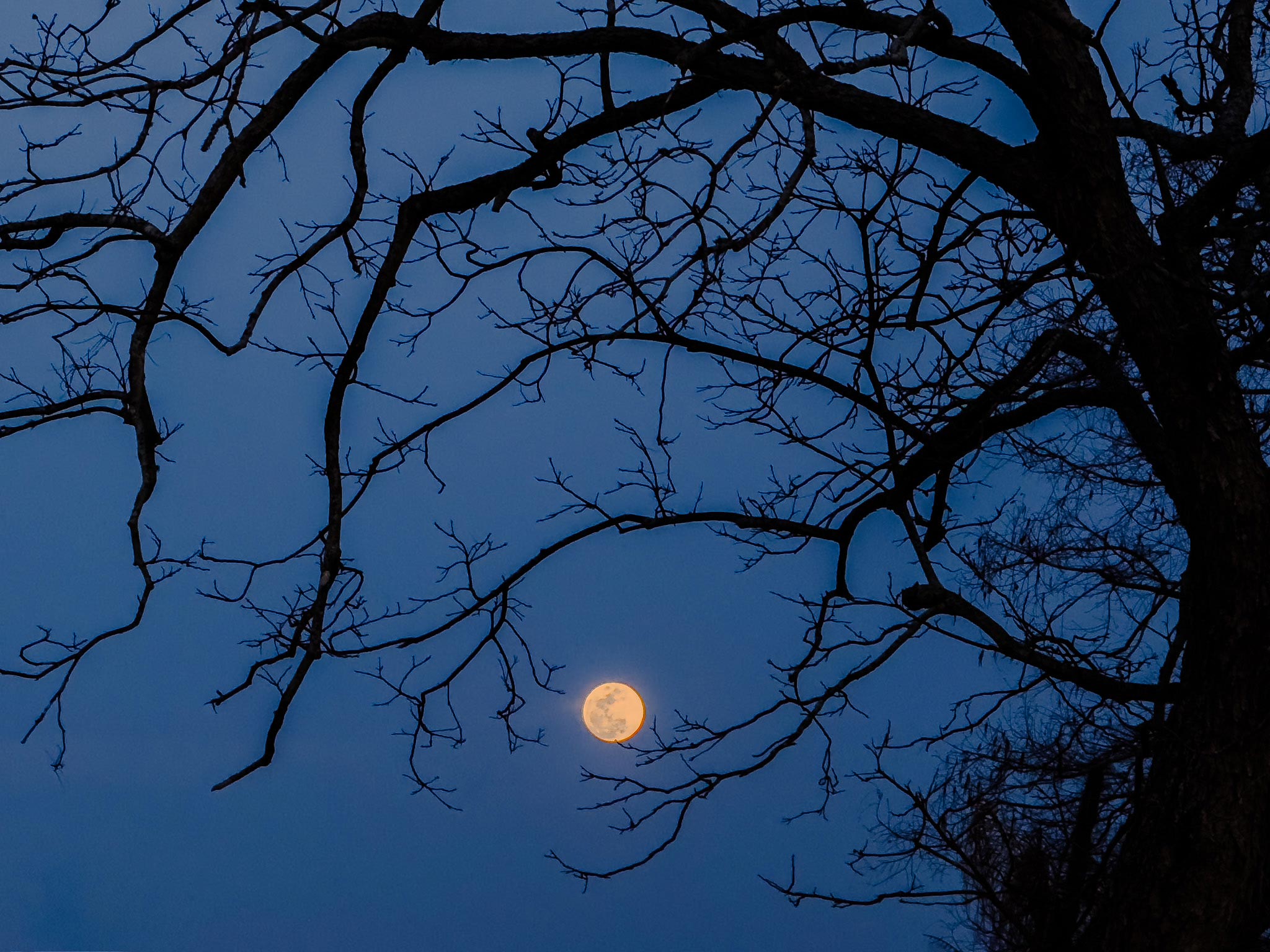
October’s night sky is bringing a mix of celestial tricks and treats, including a disappearing Jupiter, meteor showers linked to dragons and ancient comets, and a brilliant full Moon just before Halloween. As autumn days grow shorter and darkness arrives earlier, the season offers excellent opportunities to enjoy the stars under cool, clear skies.
To help skywatchers catch the best displays, NASA has highlighted several remarkable astronomical events taking place throughout October. From a rare planetary disappearing act to shooting stars streaking through the darkness, there is plenty to watch for overhead.
Jupiter Disappears Behind the Moon
A fascinating celestial event unfolded before dawn on Tuesday, October 6, when the Moon briefly concealed Jupiter from view. Known as a lunar occultation, this phenomenon happens when a nearby celestial body, such as the Moon, moves directly in front of a more distant object, temporarily blocking it from sight.
Although the term “occultation” may sound mysterious, it simply refers to something being hidden. During this event, Jupiter’s bright, star-like appearance disappeared behind the Moon’s slender crescent. The giant planet remained out of sight for approximately an hour before emerging on the other side.
The spectacle was visible to observers across much of North America, with the event beginning around 4 a.m. EDT, depending on location. While Jupiter’s disappearance could be seen without special equipment, binoculars provided a closer look and offered a chance to watch some of the planet’s moons vanish and reappear as well.
Draconid Meteor Shower Brings Shooting Stars to October
The Draconid meteor shower reaches its peak on the evening of Thursday, October 8, continuing into the early hours of Friday, October 9. Activity is expected to begin around 9 p.m. EDT, making this one of the more convenient meteor showers for people who prefer not to stay awake until dawn.
Skywatchers will also benefit from favorable lunar conditions. With the Moon approaching its new phase, relatively little moonlight will interfere with the view, helping even faint shooting stars stand out against the dark sky.
The shower gets its dramatic name from Draco, the dragon-shaped constellation where the meteors appear to originate. Despite the name’s spooky associations, the Draconids have nothing to do with vampires or other creatures of Halloween folklore.
For the best chance of spotting meteors, head somewhere away from bright city lights and give your eyes time to adjust to the darkness. Although the meteors appear to radiate from Draco, they can streak across different parts of the sky. The Draconids are generally a modest display, with observers typically seeing only a few meteors each hour.
Orionid Meteor Shower Brings Debris From Halley’s Comet
Another opportunity to catch shooting stars arrives on October 21, when the Orionid meteor shower reaches its peak. In suburban locations with some artificial lighting, viewers may spot approximately 3 to 6 meteors per hour, while darker skies could reveal additional streaks of light.
What makes the Orionids especially fascinating is their connection to Halley’s Comet. Long ago, the famous comet scattered dust and small particles along its orbit. Each year, Earth travels through part of that debris trail, causing the particles to burn brightly as they enter our atmosphere.
The meteor shower takes its name from Orion, the hunter, the constellation near the point in the sky where the meteors appear to originate. Orion is also home to the enormous red supergiant star Betelgeuse, which is recognizable by its reddish glow during autumn (but don’t say that name three times in a row!).
Moonlight will present a challenge during this year’s Orionid peak. The Moon will be in its waxing gibbous phase, producing enough light to make some of the dimmer meteors difficult to see.
Fortunately, conditions should improve later in the night. Once the Moon drops below the horizon around 3 a.m. local time, Orion will be higher in the sky, creating a more favorable viewing opportunity in the hours before sunrise.
The Hunter’s Moon Lights Up the Halloween Sky
October’s celestial lineup concludes with a striking full Moon on Monday, October 26. Often called the Hunter’s Moon in certain traditions, this seasonal full Moon has a name rooted in the hunting practices of earlier generations.
As autumn progressed, vegetation thinned and harvested fields became more exposed, making it easier for hunters to locate animals. The bright moonlight also provided valuable illumination as daylight hours continued to shrink.
Even after the Moon reaches its full phase, it will remain a prominent feature of the night sky. By Halloween, it will have entered its waning gibbous phase, continuing to brighten the evenings with a softer glow.
With a disappearing giant planet, two meteor showers, and a luminous Hunter’s Moon, October offers a memorable collection of celestial sights. Whether watching ancient comet debris flash overhead or simply admiring the Moon on a crisp autumn evening, skywatchers have plenty of reasons to look up this spooky season.
Never miss a breakthrough: Join the SciTechDaily newsletter.
Follow us on Google and Google News.