
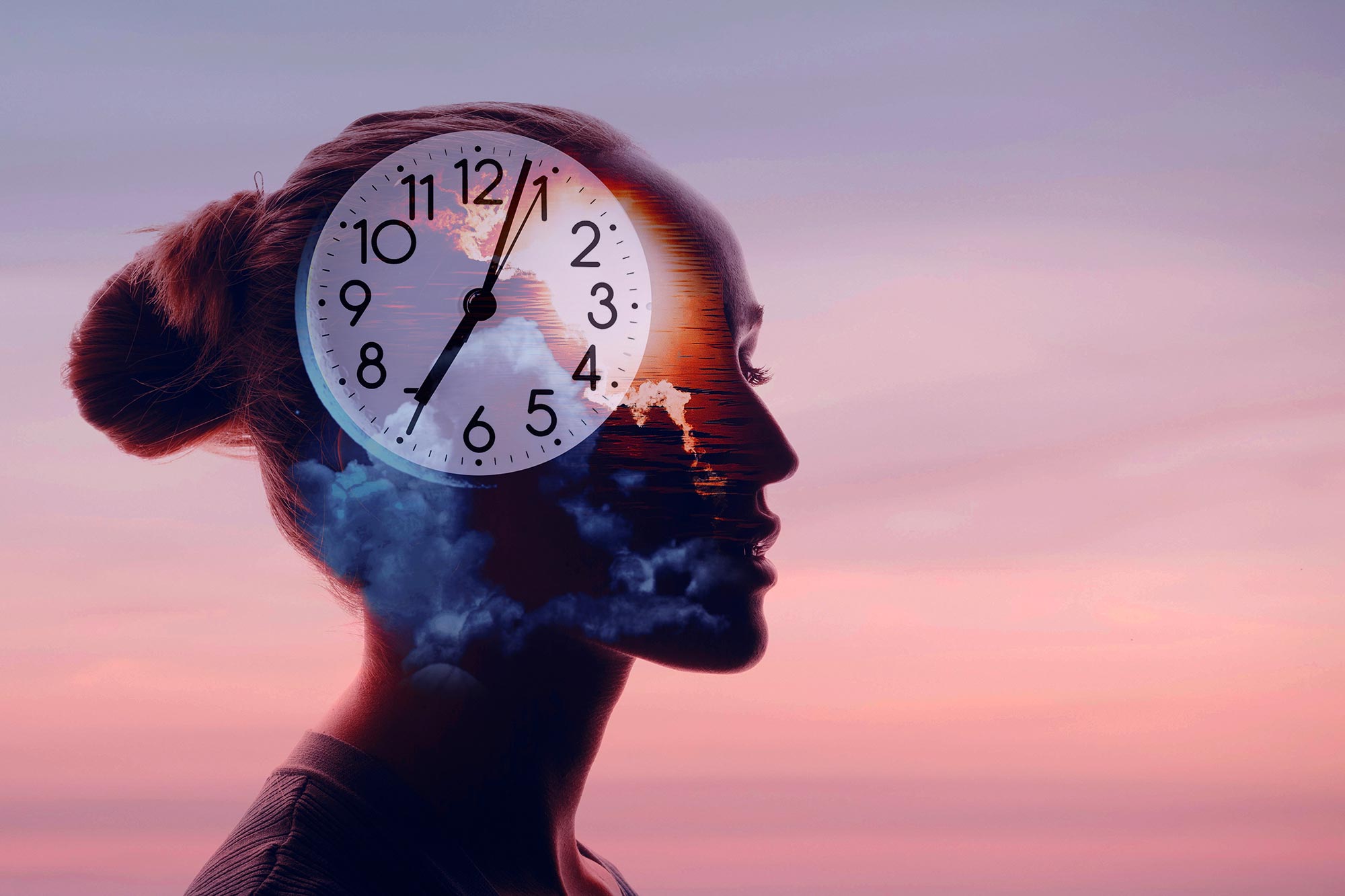
For some people with hard-to-treat depression, the body’s internal clock may help explain why standard antidepressants fall short.
University of Sydney researchers have identified a proposed subtype called “circadian depression,” marked by disrupted sleep and daily rhythms. It accounted for nearly a quarter of participants in a study of more than 10,000 Australians with severe, recurrent or persistent depression.
The findings, published in the British Journal of Psychiatry, suggest that recognizing this pattern could help clinicians identify people who may benefit from treatments targeting the body clock earlier in their care.
“Our research has identified circadian depression as a new subtype, affecting around a quarter of people in our study into those with severe, recurrent, or persistent depression,” said first author Dr. Emiliana Tonini, from the university’s Brain and Mind Centre.
A Depression Pattern Hidden in Sleep
Using clinical and genetic information from the nationwide Australian Genetics of Depression Study, the researchers classified nearly 25 percent (2,604 participants) as having circadian depression. Its features included seasonal episodes, sleeping longer when depressed, waking up exhausted, and a tendency to stay up late.
These symptoms point toward the circadian system, the body’s internal 24-hour timekeeping network that regulates sleep and wakefulness. The researchers identified genetic characteristics of the subtype that could help explain why treatments aimed at other brain pathways are less effective.
Participants with circadian depression were more likely to have developed depression earlier in life and experienced more severe symptoms (such as mania and higher levels of suicidal thoughts). They also had greater genetic susceptibility to inflammatory and cardiovascular conditions and major neurodevelopmental disorders, including ADHD.
“Depression is not a uniform illness, and understanding the characteristics of different subtypes means that we can give people earlier access to treatments that will be most effective for them,” Tonini said.
Why Standard Antidepressants May Fall Short
SSRIs (selective serotonin reuptake inhibitors) and SNRIs (serotonin and norepinephrine reuptake inhibitors) are commonly offered as initial treatments for depression. People with the circadian subtype reported less benefit and more side effects from these medications.
The researchers suggest that this group may respond better to behavioral and medical therapies targeting the brain circuits involved in circadian rhythms. Options include light therapy, melatonin, and antidepressants that act on melatonin pathways.
Co-senior author Dr. Jacob Crouse, from the Brain and Mind Centre, said, “Because circadian depression is linked to people’s internal body clock, treatments targeting the circadian rhythm, such as light therapy and melatonin, may be much more relevant, and clinicians should reach for these much earlier in people with this presentation.
“For those who find that antidepressants are not working for them, it is important to speak to your clinician for advice about your individual circumstances.”
Recognizing Circadian Depression Earlier
For young people, identifying this pattern early could help avoid unsuccessful initial treatments and additional side effects, according to Professor Ian Hickie, Co-Director of the Brain and Mind Centre and a clinical psychiatrist.
“We really want young people to receive the most appropriate treatment early in their course of illness.
“Most young people will be offered SSRIs first up, but for at least a quarter there are better circadian-focused medical and behavioral options to help treat and manage their condition.”
Reference: “Clinical and genetic correlates of a circadian subtype of depression in the Australian Genetics of Depression Study” by Emiliana Tonini, Jacob J. Crouse, Mirim Shin, Joanne S. Carpenter, Brittany L. Mitchell, Enda M. Byrne, Penelope A. Lind, Scott D. Gordon, Richard Parker, Samuel J. Hockey, Timothy To, Andrew Shim, Alex Hill, Anna Treneman, Elizabeth Scott, Jan Scott, Kathleen R. Merikangas, Naomi R. Wray, Nicholas G. Martin, Sarah E. Medland and Ian B. Hickie, 20 October 2026, The British Journal of Psychiatry.
DOI: 10.1192/bjp.2026.10798
The Australian Genetics of Depression Study was primarily funded by grant 1086683 from the National Medical Health and Research Council (NHMRC) of Australia. This work was further supported by philanthropic donations from families who are affected by mental illness (who would like to be left anonymous) awarded to Dr. Mirim Shin. NHMRC EL1 Investigator Grants awarded to Dr. Jacob Crouse and Associate Professor Brittany Mitchell (GNT2008196 and GNT2017176, respectively). Professor Sarah Medland was awarded a Wellcome Trust Mental Health Award (227089/ Z/23/Z), and NHMRC L1 and L2 Investigator Grants (APP117291, APP2025674). Professor Ian Hickie was supported by an NHMRC L3 Investigator Grant (GNT2016346).
Never miss a breakthrough: Join the SciTechDaily newsletter.
Follow us on Google and Google News.