
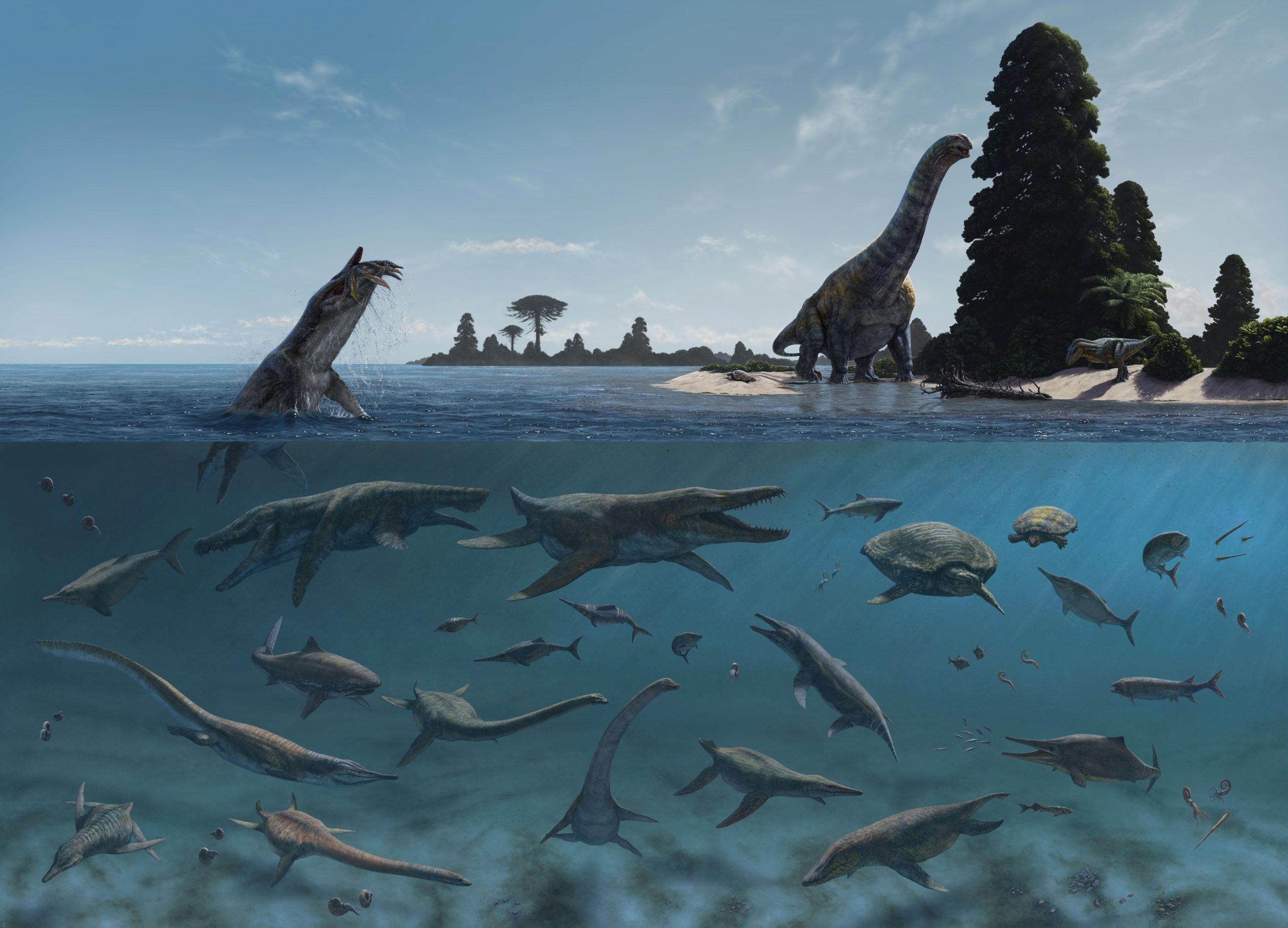
Colombia’s ancient seas supported an extraordinary diversity of top predators, offering clues to how life may undergo major evolutionary changes without a mass extinction.
Mass extinctions have reshaped life on Earth, but they may not be the only way ecosystems undergo dramatic evolutionary change.
Roughly 120 million years ago, the seas covering what is now central Colombia were home to an extraordinary mix of ancient Jurassic survivors and emerging Cretaceous predators. Fossils from this remarkably complex ecosystem suggest that some of evolution’s biggest turning points may unfold without a catastrophic mass extinction.
The Paja Biota’s predator-rich food web
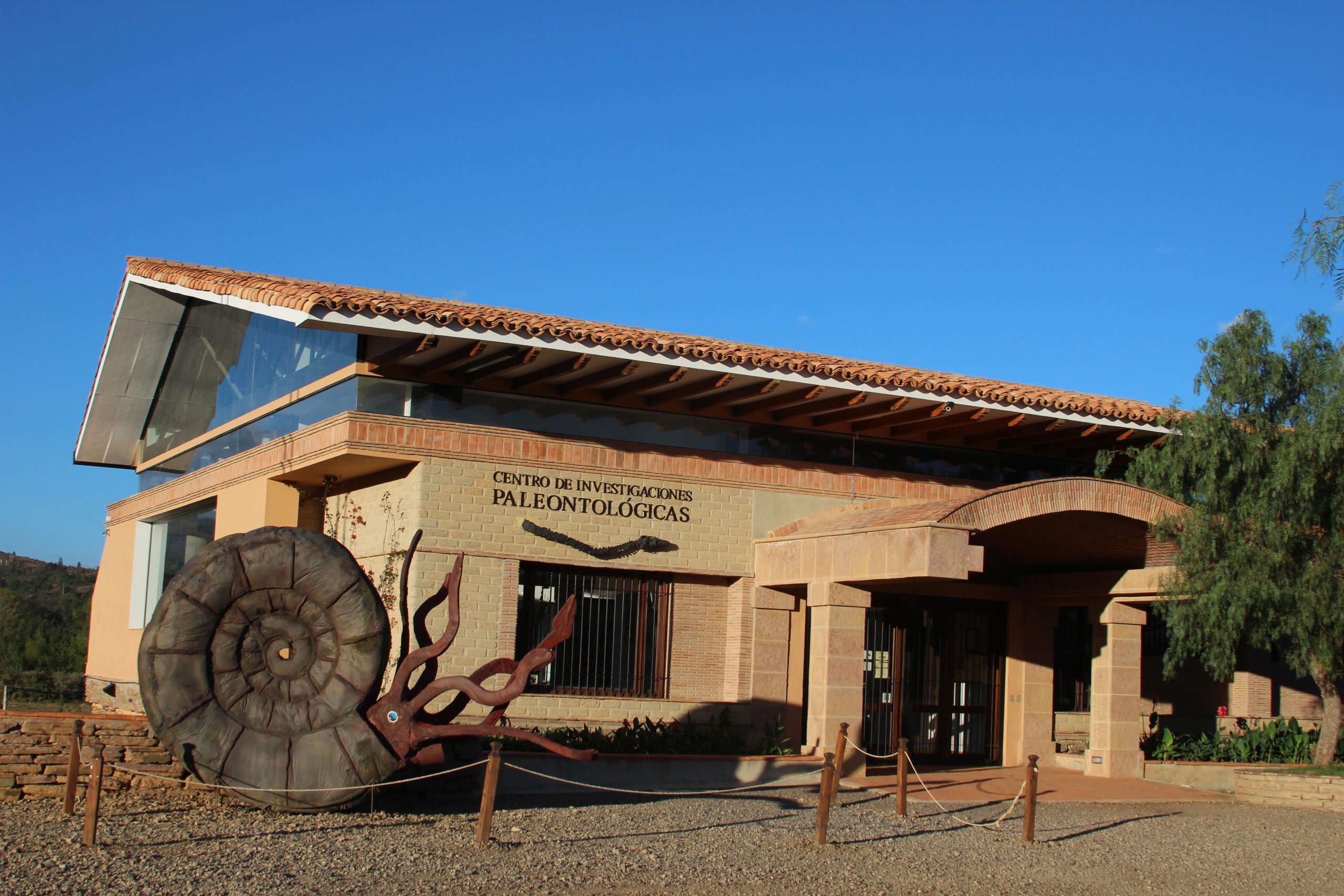
The evidence comes from the Early Cretaceous Paja Formation near Villa de Leyva, Colombia, where the Centro de Investigaciones Paleontológicas (CIP) houses most of the formation’s fossils. The research at McGill University and CIP was conducted by PhD graduate Dirley Cortés and Professor Hans Larsson of McGill’s Department of Biology.
“This geological formation has produced an exceptionally rich fossil record that includes giant marine reptiles like long-necked plesiosaurs and marine crocodile relatives, as well as turtles, sharks, crustaceans and others,” Cortés explained. “Together, these animals formed the Paja Biota, one of the most ecologically complex marine communities found to date.”
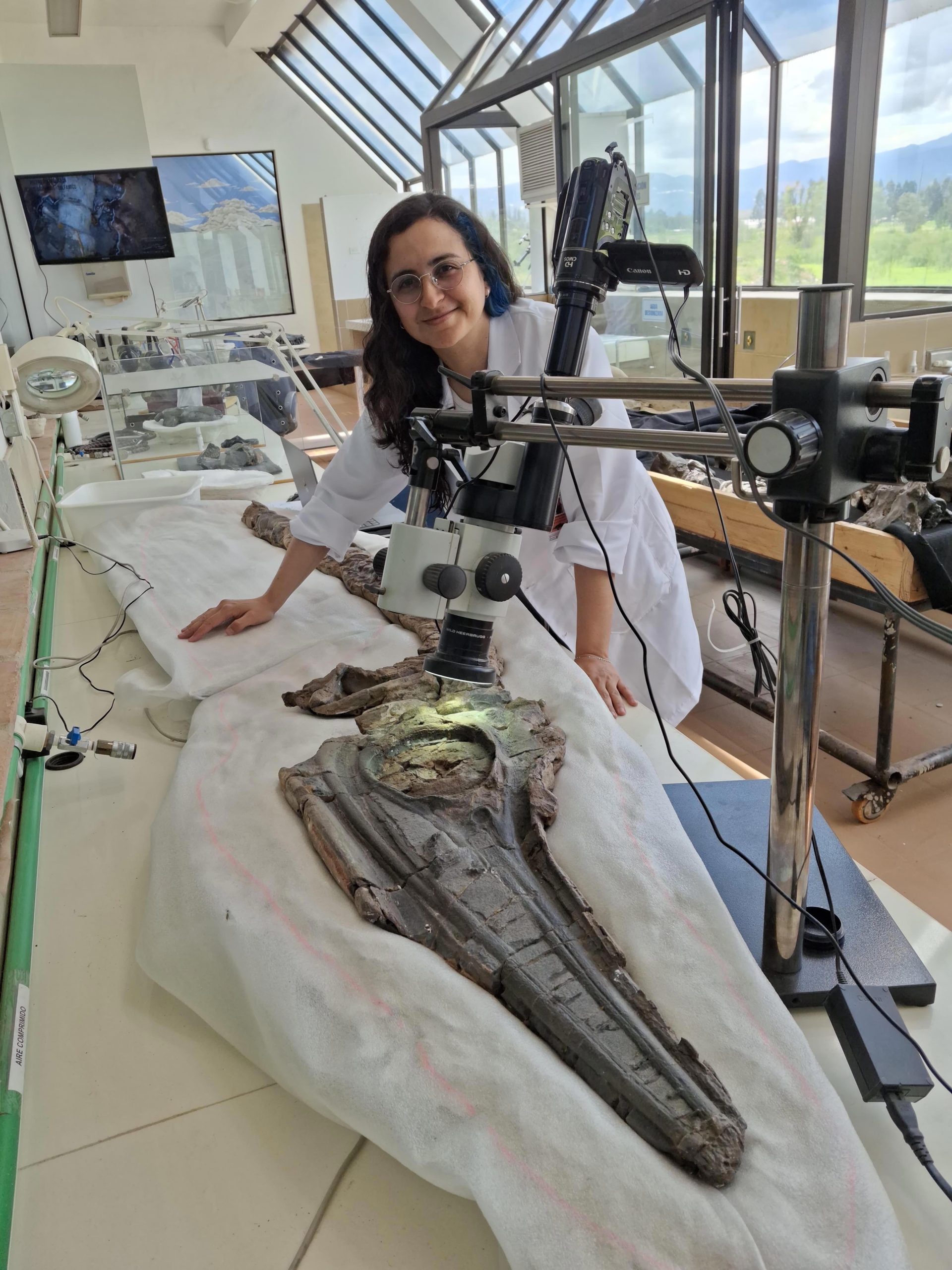
In a previous study, the researchers estimated the Paja Biota’s food web, the network of feeding relationships among its animals. They found it was among the most complex ever to have evolved, with a high diversity of apex predators, animals at the top of the food chain.
Ocean conditions may explain rare coexistence
“The Paja Formation records an extraordinary process in the history of life, when a ‘perfect storm’ of environmental factors we know to promote ecological complexity coincided with ancient lineages that were about to disappear. At the same time, new groups were beginning to flourish,” Larsson said.
The researchers suspect that greenhouse temperatures, high sea levels, and nutrient-rich coastal waters helped support this exceptional biodiversity and biological transition. New marine connections between the eastern Pacific and early Atlantic oceans through what is now Colombia were probably also part of that rare convergence. Many of these same factors help drive biodiversity today, they noted.
Testing whether Biotic Inflections happened elsewhere
Cortés and Larsson propose calling the pattern a “Biotic Inflection,” a period when many evolutionary lineages nearing extinction coexist with newly emerging groups that later diversify.
“I think we’ve discovered a new model of global biodiversity change. Now we’ll need to see just how widespread this could be in Earth’s history and how we can quantify its impacts,” Larsson said.
Testing the proposal will require additional fossil sampling, more precise dating, and comparisons with deposits elsewhere in the world. Those investigations would help establish how widespread the Biotic Inflection pattern was and when similar events may have occurred in Earth’s history.
Reference: “The Paja Formation of Colombia records uniquely high biodiversity during a biotic inflection in an Early Cretaceous Gondwanan marine ecosystem” by Dirley Cortés and Hans C. E. Larsson, 15 May 2026, Frontiers in Ecology and Evolution.
DOI: 10.3389/fevo.2026.1848892
Funding to DC was provided by BESS-NEO program, NSERC CREATE 46283-2015, the Smithsonian Tropical Research Institute, the Anders Foundation, the 1923 Fund, and Gregory D. and Jennifer Walston Johnson, the Fonds de recherche Nature et technologies Québec (FRQNT no. 30251), and the McGill Biology Department Writing-Year Award 2024-2025. Funding for HL was supported by NSERC RGPIN-2016-06725 and RGPIN-2022-04370.
Never miss a breakthrough: Join the SciTechDaily newsletter.
Follow us on Google and Google News.