
The real history behind Moana may be tied to a devastating drought that pushed Polynesian voyagers toward wetter islands and helped reshape human settlement across the Pacific.
In Disney’s Moana, a young Polynesian girl sails beyond her island’s barrier reef to save her threatened home. Scientists have now uncovered evidence that a real environmental crisis may have helped drive one of history’s greatest ocean migrations, pushing Polynesian voyagers across the Pacific after centuries without expanding farther east.
The findings offer a fascinating connection to the story behind Moana, which recently returned to theaters in a live-action adaptation.
A 1,700-year pause in Pacific expansion
Around 3,000 years ago, the ancestors of modern Polynesians arrived in Samoa and Tonga. For approximately 1,700 years, their eastward expansion appeared to stop. This mysterious period became known as the “Long Pause.”
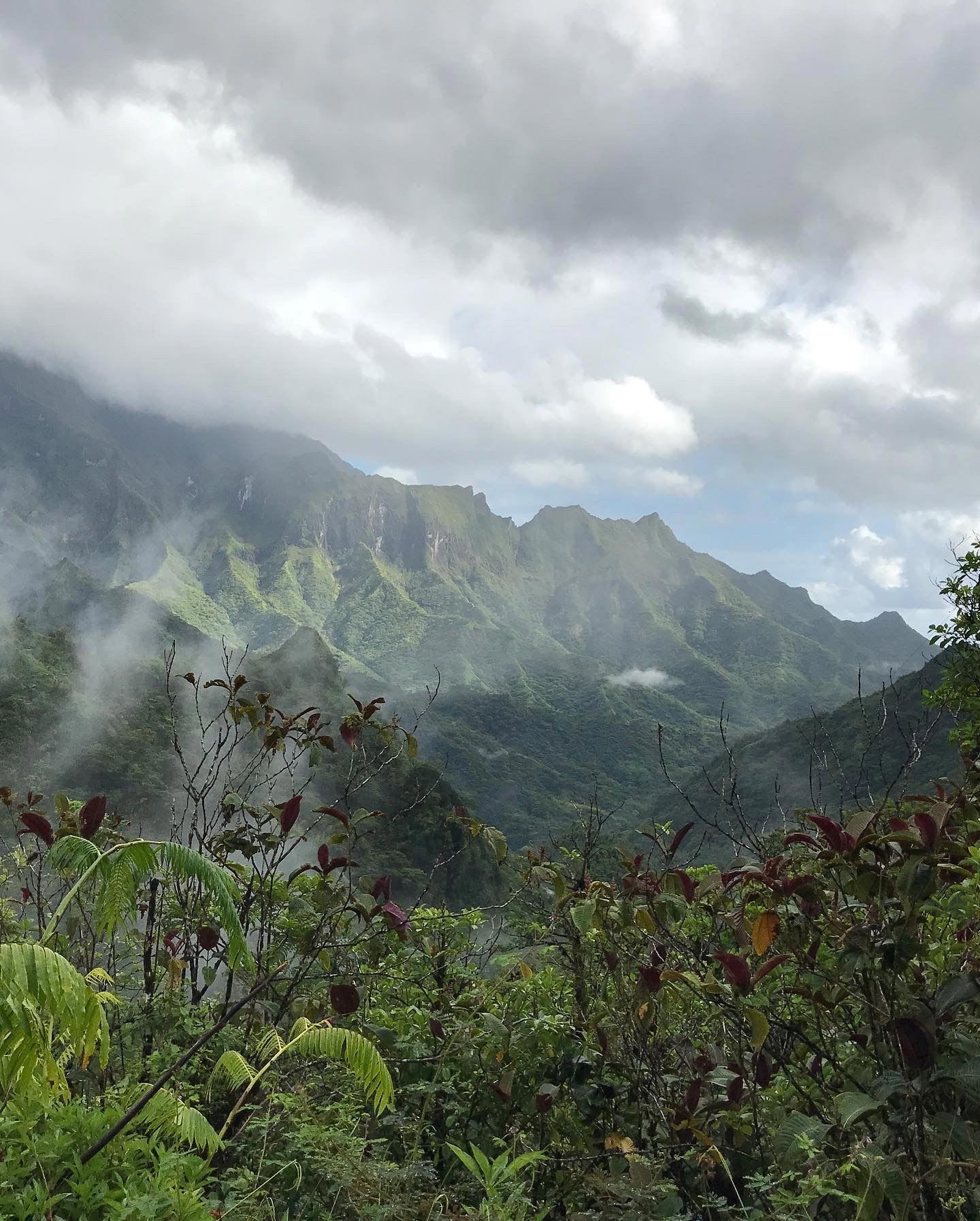
Then, between AD 900 and 1050, everything changed. Within roughly 250 years, Polynesian voyagers had reached and settled islands across the Pacific, including Tahiti and Hawai’i, with their expansion extending to the continental Americas.
Researchers from the University of Southampton and the University of East Anglia believe a prolonged drought helped trigger this extraordinary movement.
David Sear, Professor of Physical Geography at the University of Southampton and lead author of the study, said, “We have confirmed the theory that the end of the Long Pause coincided with a period of mega drought in the homeland islands of Samoa and Tonga – and also a period of increasing rainfall in the receiving islands. As they headed east, they found wetter islands with nobody on them.”
Ancient mud reveals a devastating drought
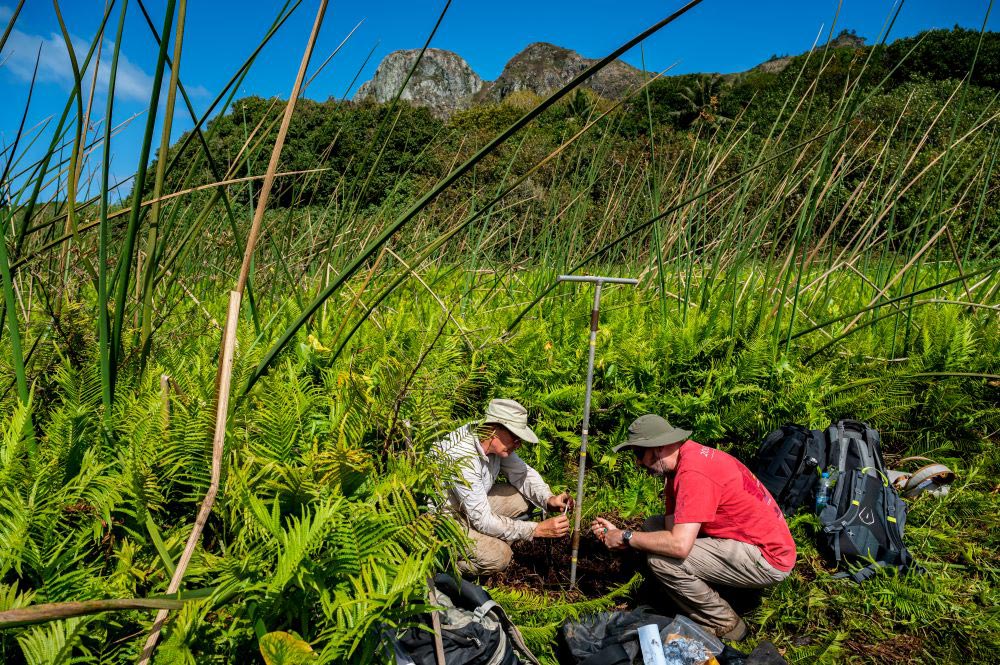
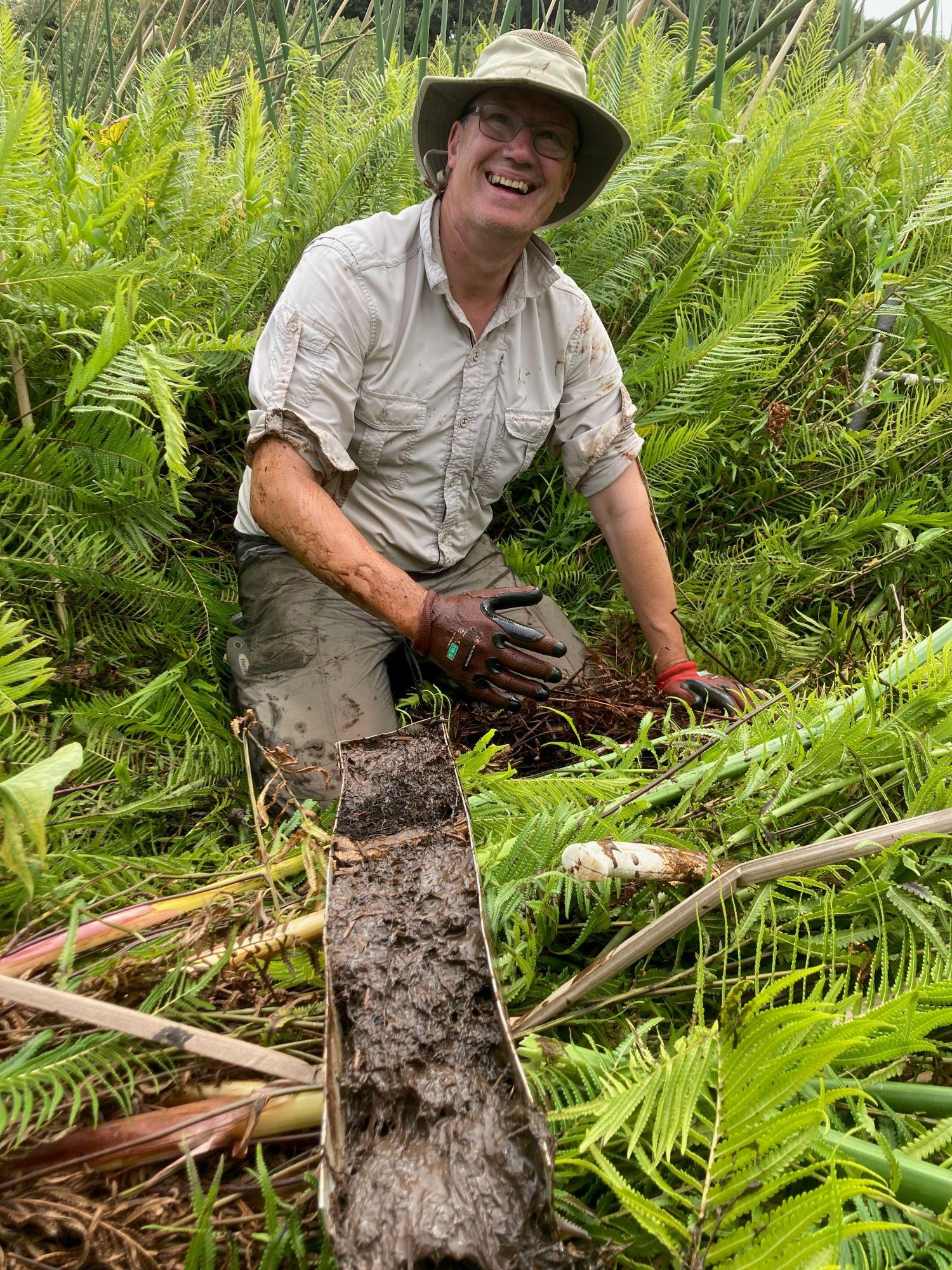
To uncover what happened, the team examined ancient mud buried beneath swamps and lakes in Samoa, Tonga, French Polynesia, and the Cook Islands.
Dr. Mark Peaple, a paleoclimate research fellow at the University of Southampton, conducted the geochemical analysis. He studied chemical traces left by freshwater algae and leaves, focusing on different forms of hydrogen called isotopes. Their proportions change depending on rainfall, allowing scientists to reconstruct how wet or dry the islands were thousands of years ago.
The evidence revealed a severe drought beginning shortly before the migration and continuing during it. When the Long Pause ended, Samoa and Tonga were experiencing their driest conditions in the last 2,000 years. Meanwhile, islands farther east were becoming wetter.
Climate modeling led by Manoj Joshi, Professor of Climate Dynamics at the University of East Anglia, helped explain why. Changes in Pacific Ocean surface temperatures over several decades had shifted a vast tropical rain belt eastward, leaving Samoa and Tonga with less rainfall.
“The climate changes we identified would have transformed daily life on these islands. Reduced rainfall would have affected freshwater availability, food production and the resilience of communities, creating powerful incentives for people to seek opportunities elsewhere,” Joshi said.
Dan Skinner, a research fellow at the University of East Anglia who conducted climate modeling experiments, identified prolonged drought lasting years or even decades as a definite factor behind the migration.
More people and better sailing technology
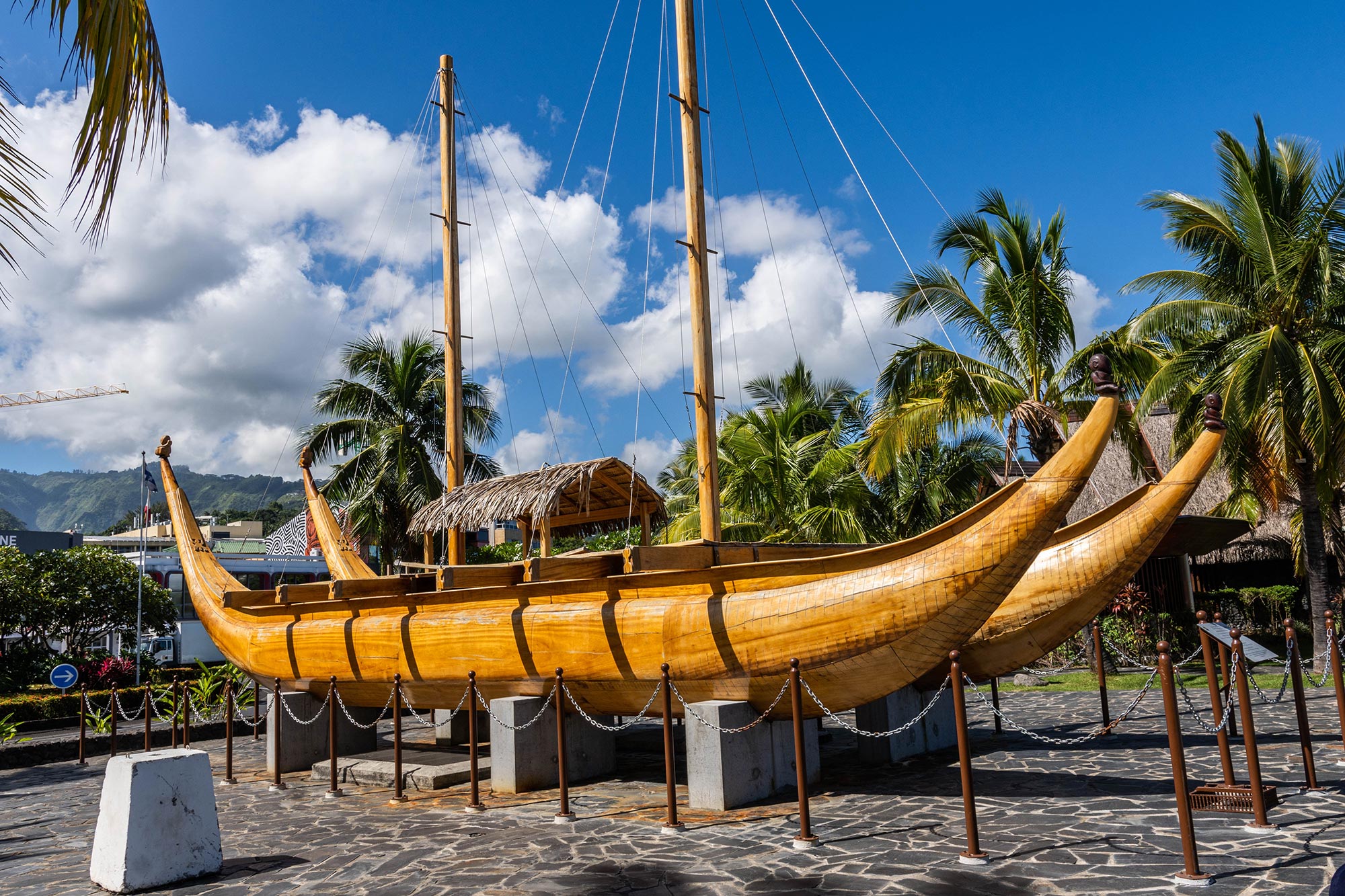
But worsening conditions were probably not the only influence. Sear explained that growing populations would have placed additional pressure on limited resources. At the same time, Polynesian sailors may have improved their voyaging canoes, moving from U-shaped to V-shaped hulls and developing better rigging. These advances could have helped them sail against the prevailing winds, which generally blow from east to west across the South Pacific.
Together, environmental pressure and improved sailing technology may help explain how Polynesian communities undertook such remarkable journeys.
“There was a huge explosion of migration, and within 250 years they had landed and settled every little dot in the South Pacific, from tiny coral atoll islands to larger lands. It was a very rapid process,” Sear said.
Reference: “How Did changing climate in the tropical South Pacific contribute to the eastward migration and settlement of Polynesia?” by David Sear, Mark Peaple, Peter Langdon, Daniel Skinner, Manoj Joshi, Adrian Matthews, Charlotte Hipkiss, Tim Osborn, Gordon Inglis and Justin Sheffield, 5 May 2026, Journal of Pacific Archaeology.
DOI: 10.70460/jpa.v16i2.399
Never miss a breakthrough: Join the SciTechDaily newsletter.
Follow us on Google and Google News.