

A long drought on Flores may have helped drive Homo floresiensis and its prey away from their cave refuge.
For more than a million years, a small human relative survived on the volcanic island of Flores in Indonesia. Then, about 50,000 years ago, Homo floresiensis (also known as “the hobbit” thanks to its small stature) vanished, leaving one of the most intriguing mysteries in human evolution.
New evidence points to a possible culprit: a severe drought that began roughly 61,000 years ago and lasted for thousands of years. In our new study, published in Communications Earth & Environment, we built the most detailed climate record yet for the area where these ancient hominins lived.
The results reveal an ecosystem that shifted from relative abundance to growing stress. As rainfall declined, H. floresiensis and one of its main food sources, a pygmy elephant, appear to have been pushed away from their usual refuge. That movement may have brought the hobbits into contact with the much larger Homo sapiens.
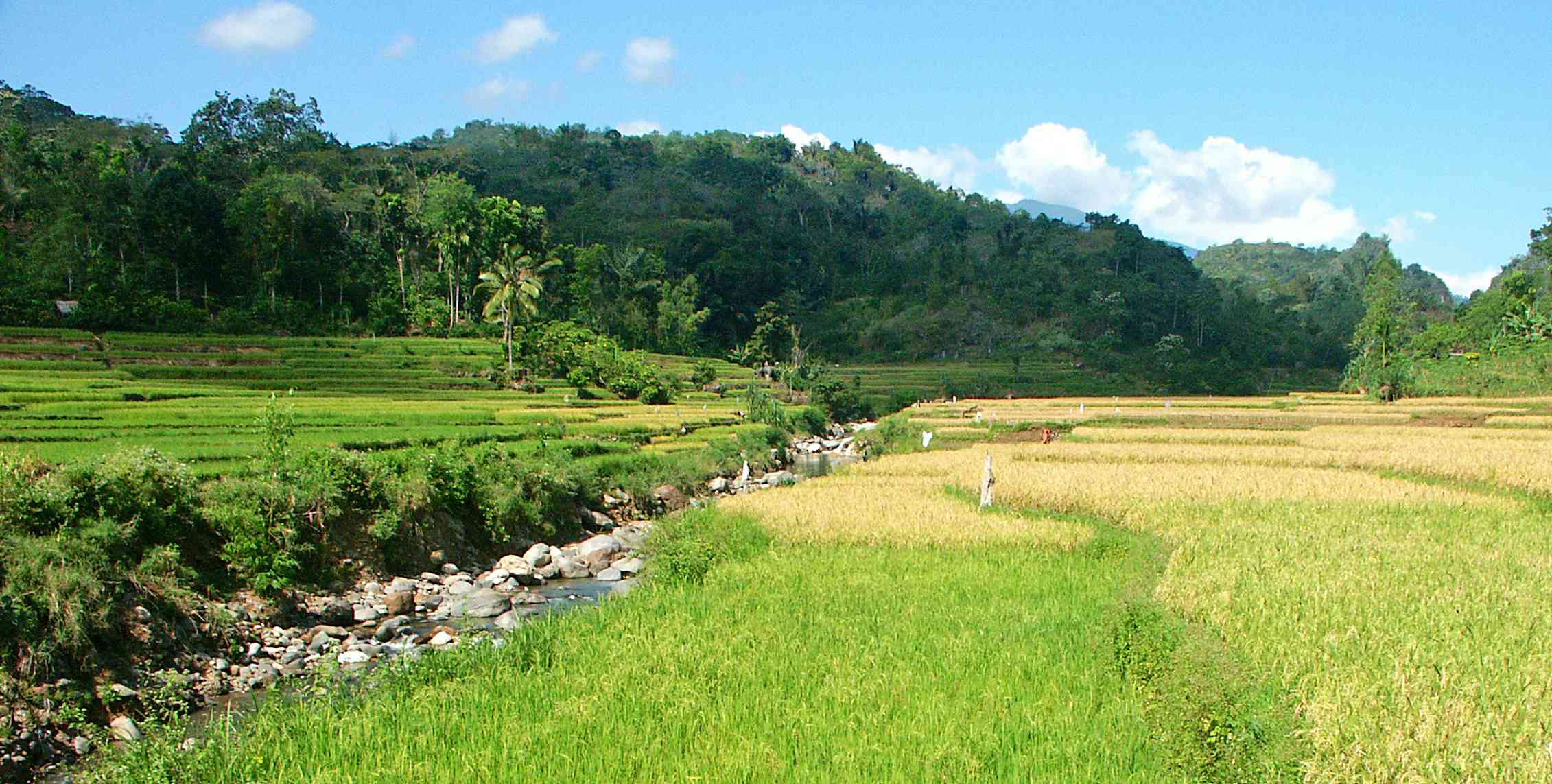
An island with deep caves
The discovery of H. floresiensis in 2003 changed our thinking on what makes us human. These diminutive small-brained hominins, standing only 1.1 meters tall, made stone tools. Against the odds, they reached Flores seemingly without boat technology.
Bones and stone tools from H. floresiensis were found in Liang Bua cave, hidden away in a small valley in the uplands of the island. These remains date to between 190,000 and 50,000 years ago.
Today, Flores has a monsoonal climate with heavy rainfall during wet summers (mostly from November to March) and lighter rain during drier winters (May to September).
However, during the last glacial period, there would have been significant variation in both the amount of rainfall and when it arrived.
To find out what the rains were like, our team turned to a cave 700 meters upstream of Liang Bua named Liang Luar. By pure chance, deep inside the cave was a stalagmite that grew right through the H. floresiensis disappearance interval. As stalagmites grow layer by layer from dripping water, their changing chemical composition also records the history of a changing climate.
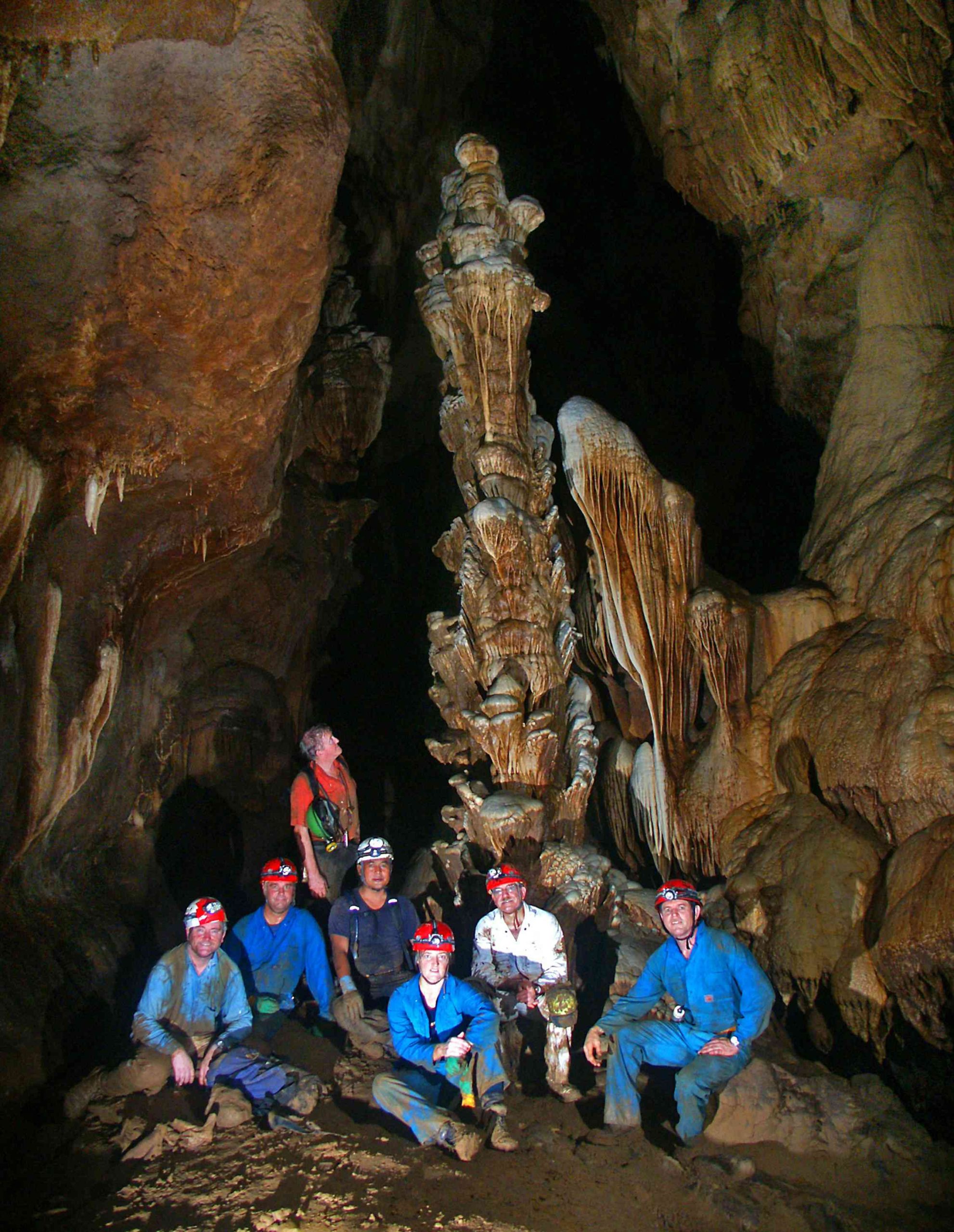
Paleoclimatologists have two main geochemical tools when it comes to reconstructing past rainfall from stalagmites. By looking at a specific measure of oxygen known as d18O, we can see changes in monsoon strength. Meanwhile, the ratio of magnesium to calcium shows us the total rainfall amount.
We paired these measurements for the same samples, precisely anchored them in time, and reconstructed summer, winter, and annual rainfall amounts. All this provided unprecedented insight into seasonal climate variability.
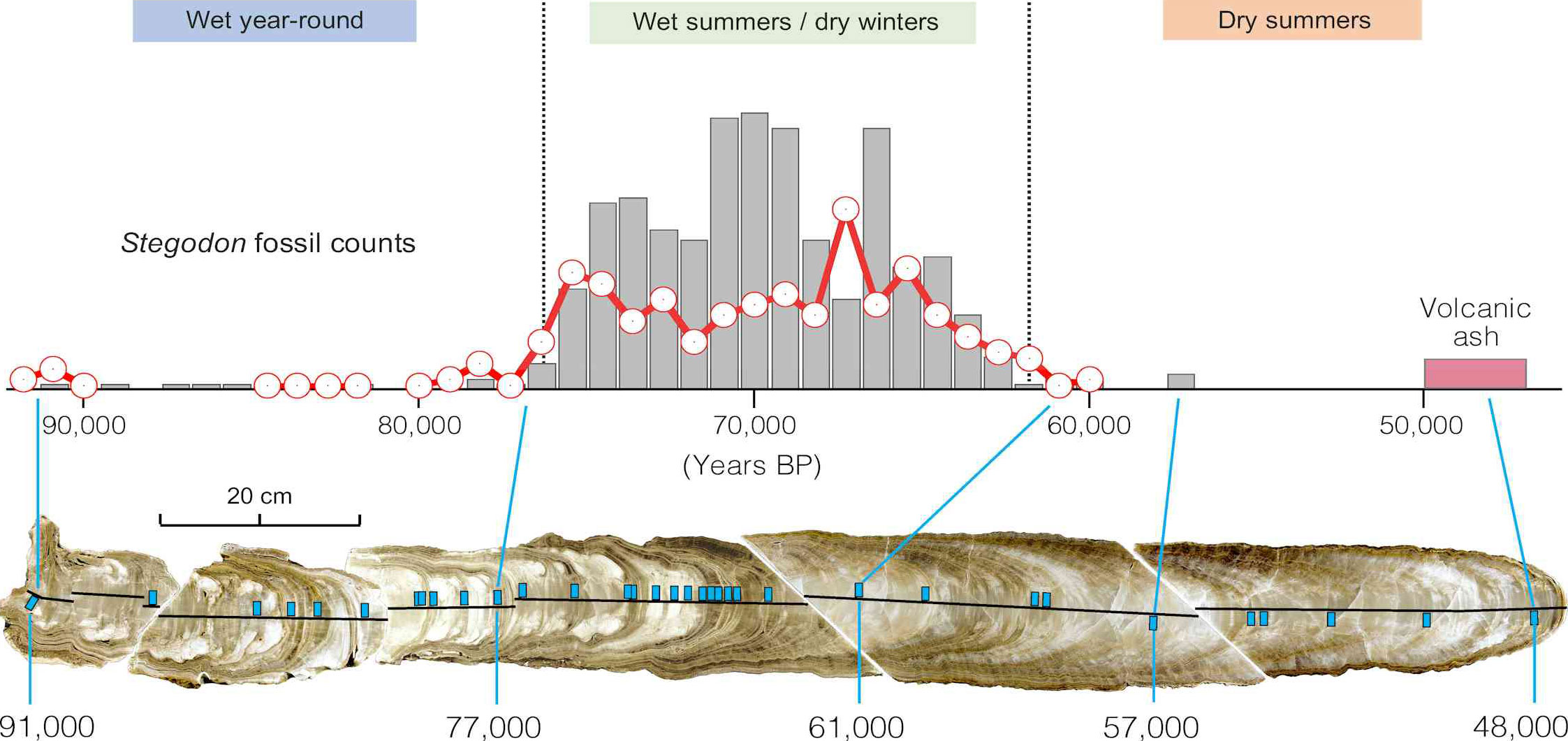
We found three key climate phases. It was wetter than today year-round between 91,000 and 76,000 years ago. Between 76,000 and 61,000 years ago, the monsoon was highly seasonal, with wetter summers and drier winters.
Then, between 61,000 and 47,000 years ago, the climate turned much drier in summer, similar to that seen in Southern Queensland today.
The hobbits followed their prey
So we had a well-dated record of major climate change, but what was the ecological response, if any? We needed to build a precise timeline for the fossil evidence of H. floresiensis at Liang Bua.
The solution came unexpectedly from our analysis of d18O in the fossil tooth enamel of Stegodon florensis insularis, a distant extinct pygmy relative of modern elephants.
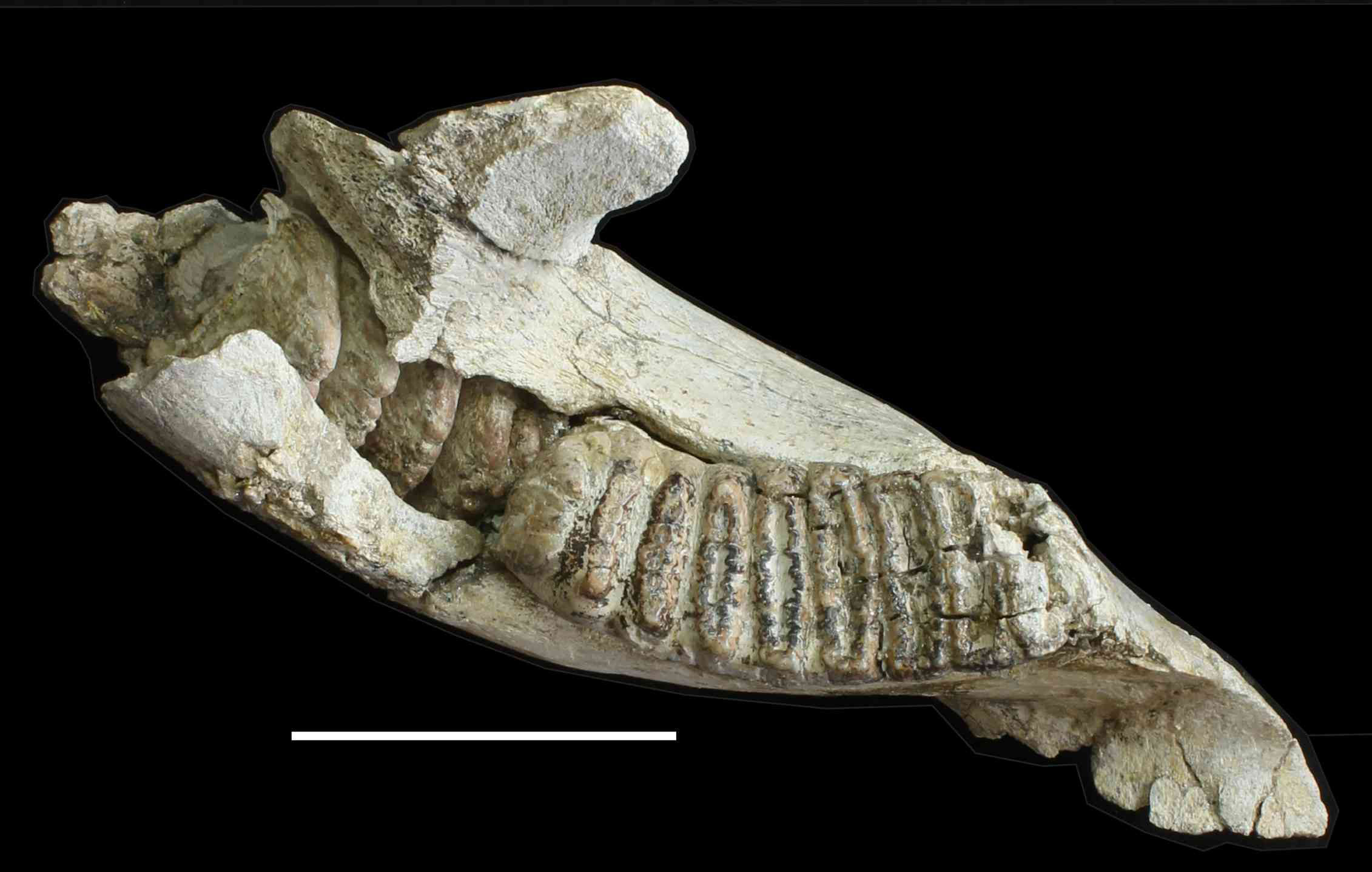
Juvenile pygmy elephants were one of the hobbits’ key prey, as revealed by cut marks on bones in Liang Bua.
Remarkably, the d18O pattern in the Liang Luar stalagmite and in teeth from increasingly deep sedimentary deposits at Liang Bua aligned perfectly. This allowed us to precisely date the Stegodon fossils and the accompanying remains of H. floresiensis.
The refined timeline showed that about 90% of pygmy elephant remains date to 76,000–61,000 years ago, during the strongly seasonal “Goldilocks” climate. This may have been the ideal environment for the pygmy elephants to graze and for H. floresiensis to hunt them. But both species almost disappeared as the climate got drier.
The decline in rainfall, pygmy elephants, and hobbits all at the same time indicates that dwindling resources played a crucial role in what appears to be a progressive abandonment of Liang Bua.
As the climate dried, the primary dry-season water source, the small Wae Racang river, may have dwindled too low, leaving the Stegodon without fresh water. The animals may have migrated out of the area, with H. floresiensis following.
Did a volcano contribute too?
The last few Stegodon fossil remains and stone tools in Liang Bua are covered in a prominent layer of volcanic ash, dated to around 50,000 years ago. We don’t yet know if a nearby volcanic eruption was a “final straw” in the decline of Liang Bua hobbits.
The first archaeological evidence attributed to Homo sapiens is above the ash. So while there is no way of knowing if H. sapiens and H. floresiensis crossed paths, new archaeological and DNA evidence both indicate that H. sapiens were island-hopping across Indonesia to the supercontinent of Sahul by at least 60,000 years ago.
If H. floresiensis were forced by ecological pressures away from their hideaway towards the coast, they may have interacted with modern humans. And if so, could competition, disease, or even predation then have been decisive factors?
Whatever the ultimate cause, our study provides the framework for future studies to examine the extinction of the iconic H. floresiensis in the context of major climate change.
The underlying role of freshwater availability in the demise of one of our human cousins reminds us that humanity’s history is a fragile experiment in survival, and how shifting rainfall patterns can have profound impacts.
Reference: “Onset of summer aridification and the decline of Homo floresiensis at Liang Bua 61,000 years ago” by Michael K. Gagan, Linda K. Ayliffe, Mika R. Puspaningrum, Gerrit D. van den Bergh, Nick Scroxton, Wahyoe S. Hantoro, Heather Scott-Gagan, Scott A. Condie, R. Lawrence Edwards, Hai Cheng, Jian-xin Zhao, John C. Hellstrom, Alena K. Kimbrough, Matthew J. Gagan, Bambang W. Suwargadi, Joan A. Cowley, Bronwyn C. Dixon, Garry K. Smith, Neil Anderson, Henri Wong and Hamdi Rifai, 8 December 2025, Communications Earth & Environment.
DOI: 10.1038/s43247-025-02961-3
Adapted from an article originally published in The Conversation.
Never miss a breakthrough: Join the SciTechDaily newsletter.
Follow us on Google and Google News.
1 Comment
As in other extinction it is hard to pin down the cause – correlation is not causation. Tool finds suggest H. floresiensis had lived there for a million years in various climate and abundance regimes.