
Close Menu
    Facebook X (Twitter) Instagram
    SciTechDaily
    • Biology
    • Chemistry
    • Earth
    • Health
    • Physics
    • Science
    • Space
    • Technology
    Facebook X (Twitter) Pinterest YouTube RSS
    SciTechDaily
    Home»Science»New Fossil Discovery Highlights Canada-Russia Connection 53 Million Years Ago
    Science

    New Fossil Discovery Highlights Canada-Russia Connection 53 Million Years Ago

    By Justin Wong, Simon Fraser UniversityMarch 29, 2018No Comments2 Mins Read
    Facebook Twitter Pinterest Telegram LinkedIn WhatsApp Email Reddit
    Share
    Facebook Twitter LinkedIn Pinterest Telegram Email Reddit
    New Fossil Discovery Highlights Canada-Russia Connection
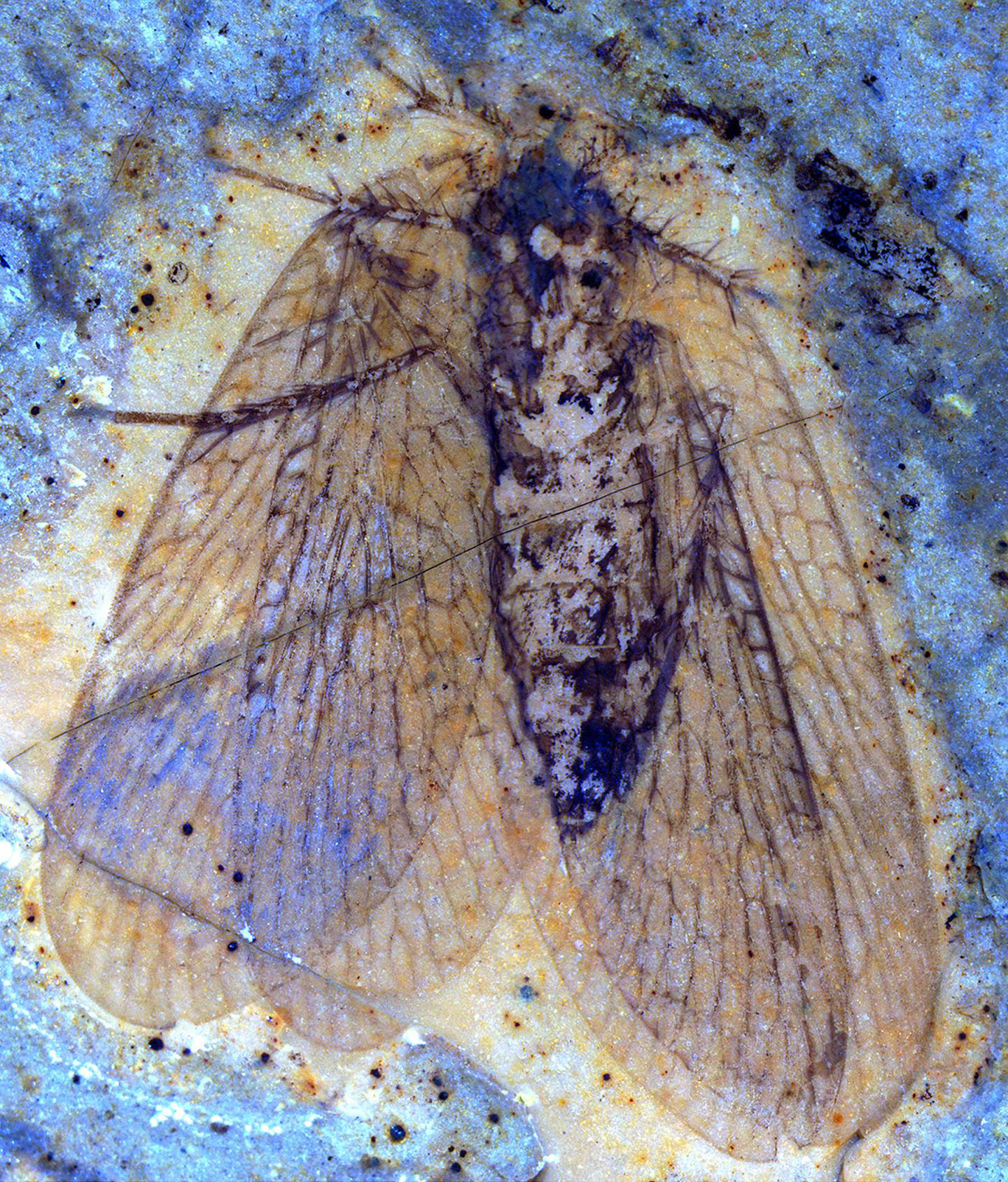
    A new species of scorpionfly fossil from 53 million years ago at McAbee, British Columbia named Eomerope eonearctica. This insect is very similar to a fossil species that lived at the same time north of Vladivostok on the Asian Pacific coast, highlighting connections between Canada and Russia in ancient times. Credit: SFU

    A new 53 million-year-old insect fossil called a scorpionfly discovered at B.C.’s McAbee fossil bed site bears a striking resemblance to fossils of the same age from Pacific-coastal Russia, giving further evidence of an ancient Canada-Russia connection. “We’ve seen this connection before through fossil plants and animals, but these insects show this in a beautiful way,” says Bruce Archibald, a research associate in SFU’s Department of Biological Sciences and the Royal BC Museum. “They are so much alike that only the wing color of the new McAbee species tells them apart.” Archibald and Alexandr Rasnitsyn, of Moscow’s Russian Academy of Sciences, described the find and its significance in this month’s The Canadian Entomologist.

    “I’m not aware of any case where two such species so much alike and so close in age have been found in both Pacific Russia and Pacific Canada, and that’s pretty great,” said Archibald. He notes that the insect’s only living relative is found in the temperate forest of central Chile, which has a climate that is similar in ways to B.C.’s 53 million years ago.

    The new Canadian species was named Eomerope eonearctica, and its Russian doppelganger is Eomerope asiatica, described in 1974. The McAbee fossil site has been designated a provincial heritage by the province of B.C. for its spectacular fossil record. Archibald and Rasnitsyn also described a second new scorpionfly species that was found near Princeton, B.C.

    Reference: “Two new species of fossil Eomerope (Mecoptera: Eomeropidae) from the Ypresian Okanagan Highlands, far-western North America, and Eocene Holarctic dispersal of the genus” by S. Bruce Archibald and Alexandr P. Rasnitsyn, 9 March 2018, The Canadian Entomologist.
    DOI: 10.4039/tce.2018.13

    Never miss a breakthrough: Join the SciTechDaily newsletter.
    Follow us on Google and Google News.

    Archaeology Entomology Fossils Popular Simon Fraser University
    Share. Facebook Twitter Pinterest LinkedIn Email Reddit

    Related Articles

    Gigantic Ant Fossil – With a 6″ Wingspan – Raises Questions About Ancient Arctic Migrations

    Sexual Intercourse of Ostracods Revealed Through 100-Million-Year-Old Amber Discovery

    Researchers Discover Two New Chinese Dinosaurs: Bannykus and Xiyunykus

    Jurassic Fossil Links Ancient Crocodiles With Dolphin-Like Animals

    Archaeologists Discover 1.6 Billion Years Old Fossilized Oxygen Bubbles

    Archaeologists Discover Fossilized Domestic Goat Hair Dating Back to the Neolithic

    Anthropologists Shed New Light on Prehistoric Human Migration

    Scientists Discover Fossils of a Giant Extinct Burrowing Bat in New Zealand

    Newly Discovered Fossils Reveal Man’s Earliest Ancestors

    Leave A Reply Cancel Reply

    • Facebook
    • Twitter
    • Pinterest
    • YouTube

    Don't Miss a Discovery

    Subscribe for the Latest in Science & Tech!

    Trending News

    Your Blood Pressure Reading Could Be Wrong Because of One Simple Mistake

    Astronomers Stunned by Ancient Galaxy With No Spin

    Physicists May Be on the Verge of Discovering “New Physics” at CERN

    Scientists Solve 320-Million-Year Mystery of Reptile Skin Armor

    Scientists Say This Daily Walking Habit May Be the Secret to Keeping Weight Off After Dieting

    New Therapy Rewires the Brain To Restore Joy in Depression Patients

    Giant Squid Detected off Western Australia in Stunning Deep-Sea Discovery

    Popular Sugar-Free Sweetener Linked to Liver Disease, Study Warns

    Follow SciTechDaily
    • Facebook
    • Twitter
    • YouTube
    • Pinterest
    • Newsletter
    • RSS
    SciTech News
    • Biology News
    • Chemistry News
    • Earth News
    • Health News
    • Physics News
    • Science News
    • Space News
    • Technology News
    Recent Posts
    • Key Magic Mushroom Ingredient Increases Laziness and Reduces Aggression
    • Researchers Solve 15-Year Mystery Behind Cancer-Causing Gut Toxin
    • One of the World’s Most Popular Weedkillers May Be Fueling Deadly Superbugs
    • Scientists Create Laser “Whirlpools” That Spin Tiny Cells Without Touching Them
    • Scientists Discover “Hidden” Materials That Could Transform Clean Energy and Batteries
    Copyright © 1998 - 2026 SciTechDaily. All Rights Reserved.
    • Science News
    • About
    • Contact
    • Editorial Board
    • Privacy Policy
    • Terms of Use

    Type above and press Enter to search. Press Esc to cancel.