
New research suggests ancient islanders may have migrated across the Pacific in response to shifting rainfall. As the west grew drier and the east wetter, people may have followed water to survive.
New research from the University of Southampton and the University of East Anglia (UEA) points to a major change in South Pacific climate conditions that began around 1,000 years ago. The study suggests this shift may have influenced where people chose to live, encouraging movement toward islands farther east as parts of the western region grew increasingly dry.
Evidence indicates that long-settled islands in Western Polynesia, including Samoa and Tonga, experienced a gradual loss of rainfall. At the same time, more distant islands in Eastern Polynesia, such as French Polynesia (Tahiti), became wetter over time, potentially making them more appealing places for settlement and farming.
The work forms part of a broader collaboration between Southampton and UEA known as PROMS (Pacific Rainfall over Millennial Timescales), which focuses on understanding long-term rainfall changes in the Pacific and how they may have affected human migration.
The findings were published in the journal Nature Communications Earth & Environment.
People adapting by following water
Principal Investigator for PROMS, Professor David Sear, comments: “The Pacific Islands today are under threat from a changing climate, but we can see from our research that this is not the first time the inhabitants of the region have had to adapt to a changing climate.
“Our research suggests that beginning around 1,000 years ago, people in the region were effectively chasing the rain eastwards as part of adapting to the stress placed on growing populations by a period of drier conditions developing in the western South Pacific.”
Reconstructing ancient rainfall patterns
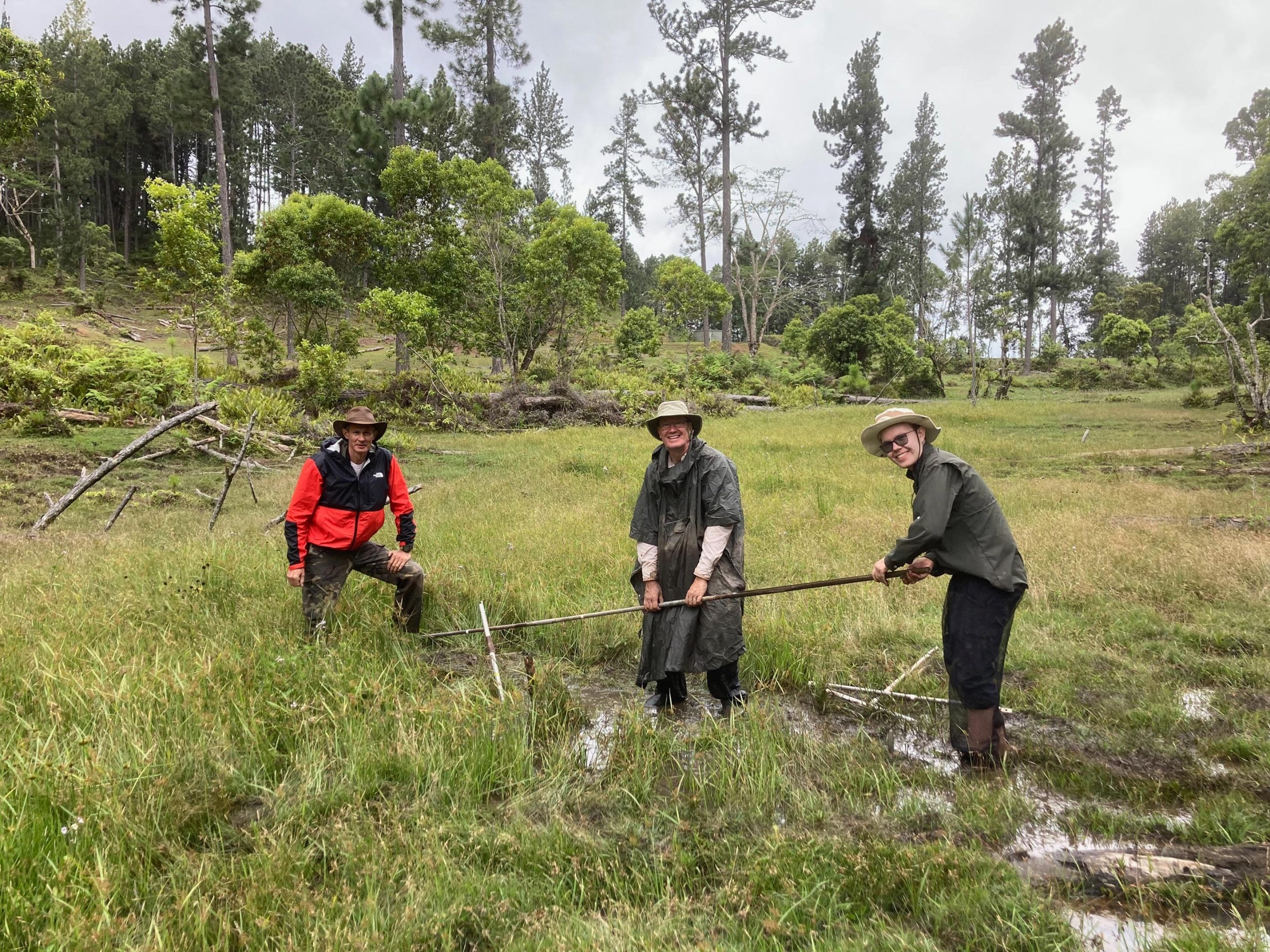
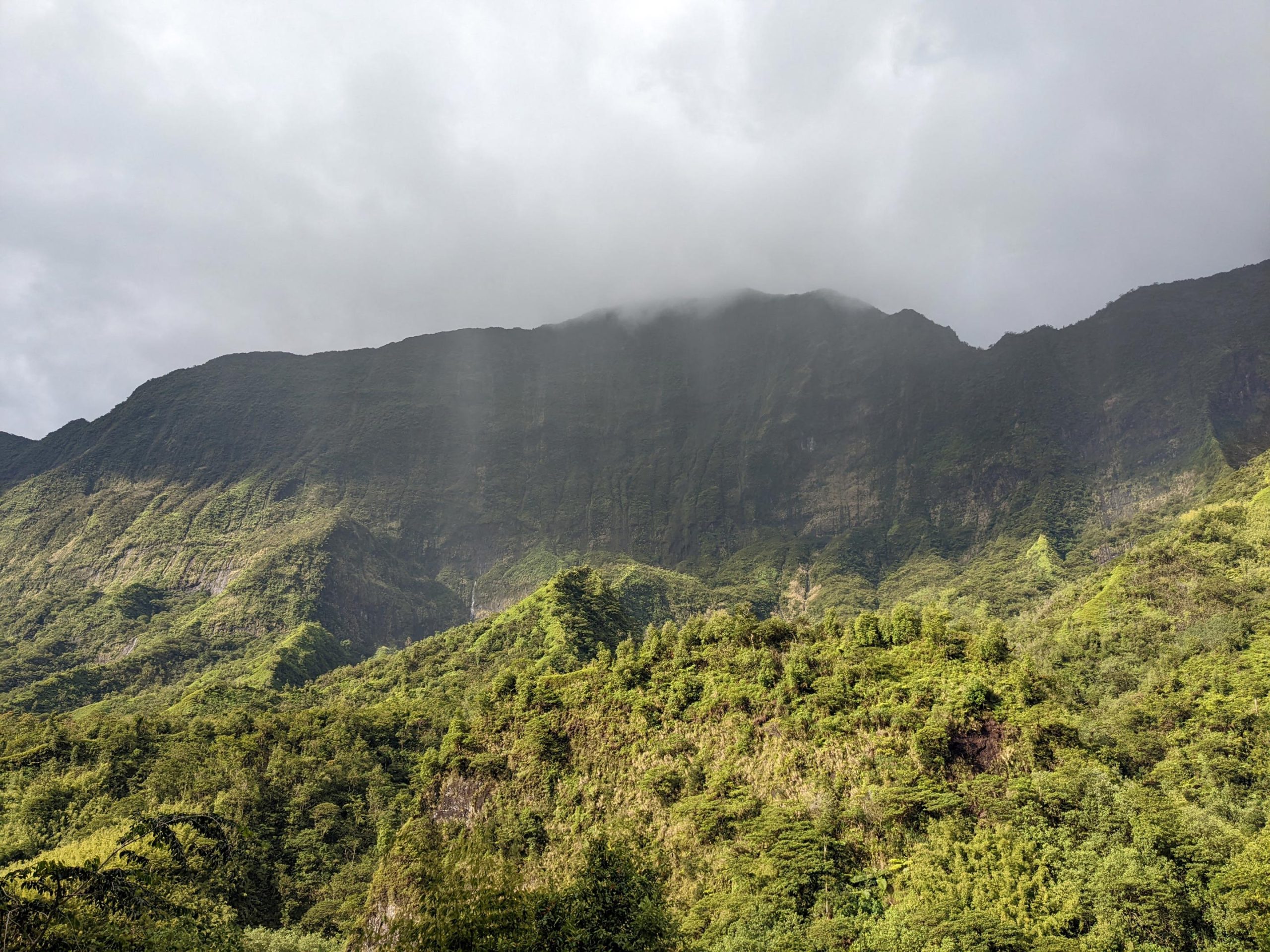
To uncover how conditions changed, the research team extracted sediment cores from Tahiti and Nuku Hiva in Eastern Polynesia. These sediments contain plant waxes – fatty layers left on leaves that preserve chemical clues about past climate. Detailed laboratory analysis of the waxes allowed scientists to determine whether conditions were wetter or drier when the plants were growing. The new data were combined with existing records from other locations across Polynesia and the wider Pacific.
Using this comprehensive dataset, the team reconstructed changes in Pacific rainfall over the past 1,500 years. They also ran new climate model simulations, which helped identify both the timing and location of the rainfall shift, as well as the most likely explanation for why it occurred.
A massive rain belt moves east
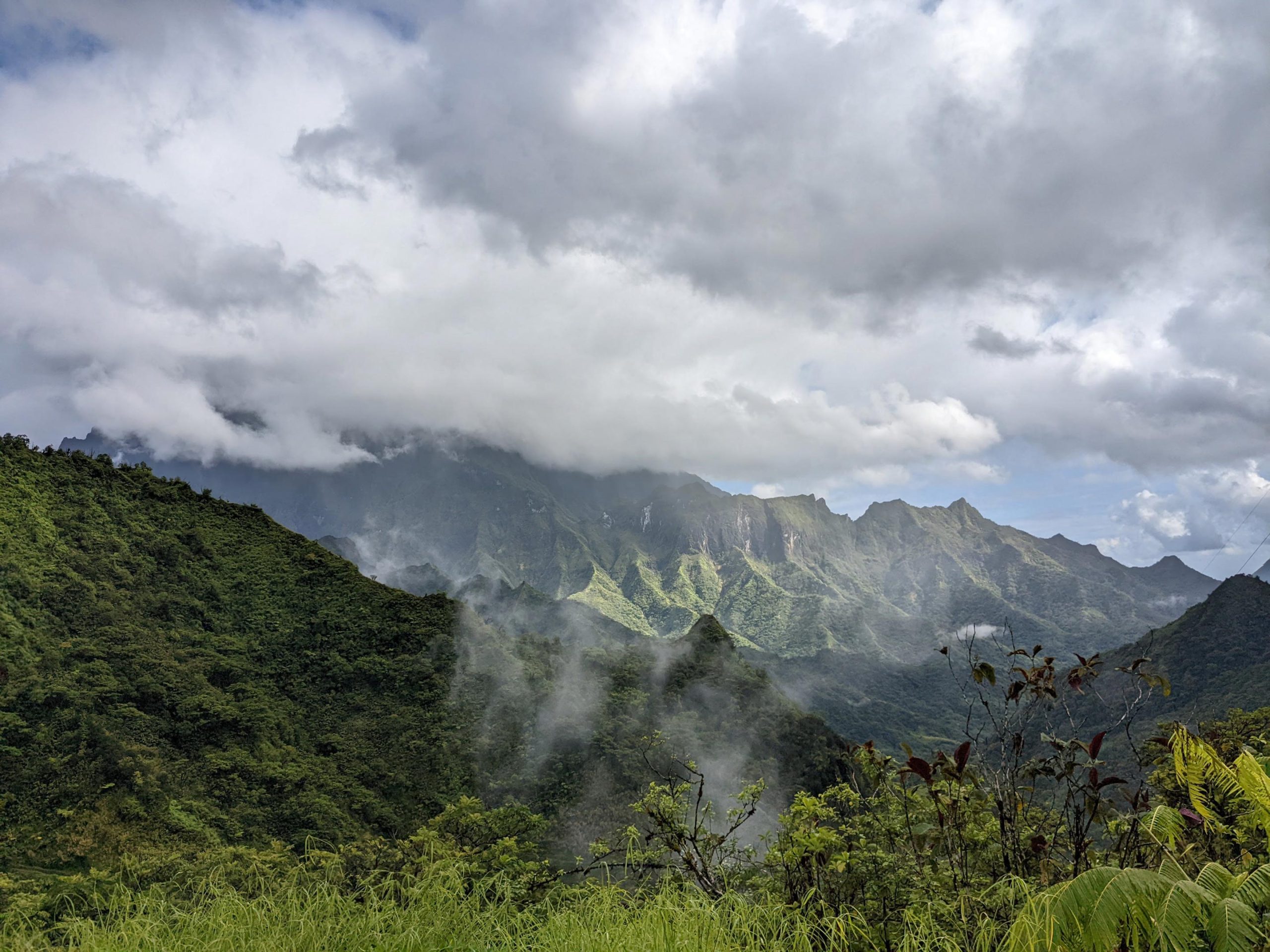
The researchers conclude that the shift was probably driven by a natural change in Pacific sea surface temperature patterns. This change appears to have pushed the South Pacific Convergence Zone (SPCZ) eastward between roughly 1,100 and 400 years ago. The SPCZ is one of the largest features in the global climate system, forming a band of heavy rainfall that stretches more than 7,000 km from Papua New Guinea to beyond the Cook Islands. As it moved, the western portion of this rain band became drier, while the eastern portion received more rainfall.
Climate pressure and migration across the ocean
According to the team, prolonged drying in western island groups may have created pressure to leave, while improved rainfall and freshwater availability in the east may have drawn people toward new islands. This combination of forces could have encouraged communities to move step by step farther east, eventually reaching islands such as the Cooks and Tahiti.
Co-lead author on the paper, Dr. Mark Peaple of the University of Southampton, says: “The timing and nature of the hydroclimatic change align with the final wave of human settlement into Eastern Polynesia, which began around 1000 years ago.
“Water is essential for people’s survival, for drinking and successful agriculture. If this vital natural resource were running low, it’s logical that over time the population would follow it and colonize in areas with more reliable water security – even if this meant adventurous journeys across the ocean.”
Co-lead author at UEA, Dr. Daniel Skinner adds: “Bringing together knowledge from paleoclimate archives and climate models has given us key insights into how and why a critically understudied region of the world changed over the last 1,500 years.”
Co-Principal Investigator Professor Manoj Joshi, also from UEA, says: “By better understanding how the climate of the South Pacific has been affected by larger-scale climate changes over past millennia, we can build better predictions for how future climate change will affect the region.”
Looking ahead
The researchers say further studies, including additional archaeological work, could help clarify the timing and scale of both environmental changes and human responses across the South Pacific.
Reference: “Ocean variability drives a millennial-scale shift in South Pacific hydroclimate” by Mark Peaple, Daniel T. Skinner, Gordon N. Inglis, Manoj Joshi, Peter Langdon, Adrian J. Matthews, Timothy J. Osborn and David Sear, 19 August 2025, Communications Earth & Environment.
DOI: 10.1038/s43247-025-02676-5
Fieldwork was supported by Explorer grants from the National Geographic Society.
Never miss a breakthrough: Join the SciTechDaily newsletter.
Follow us on Google and Google News.