
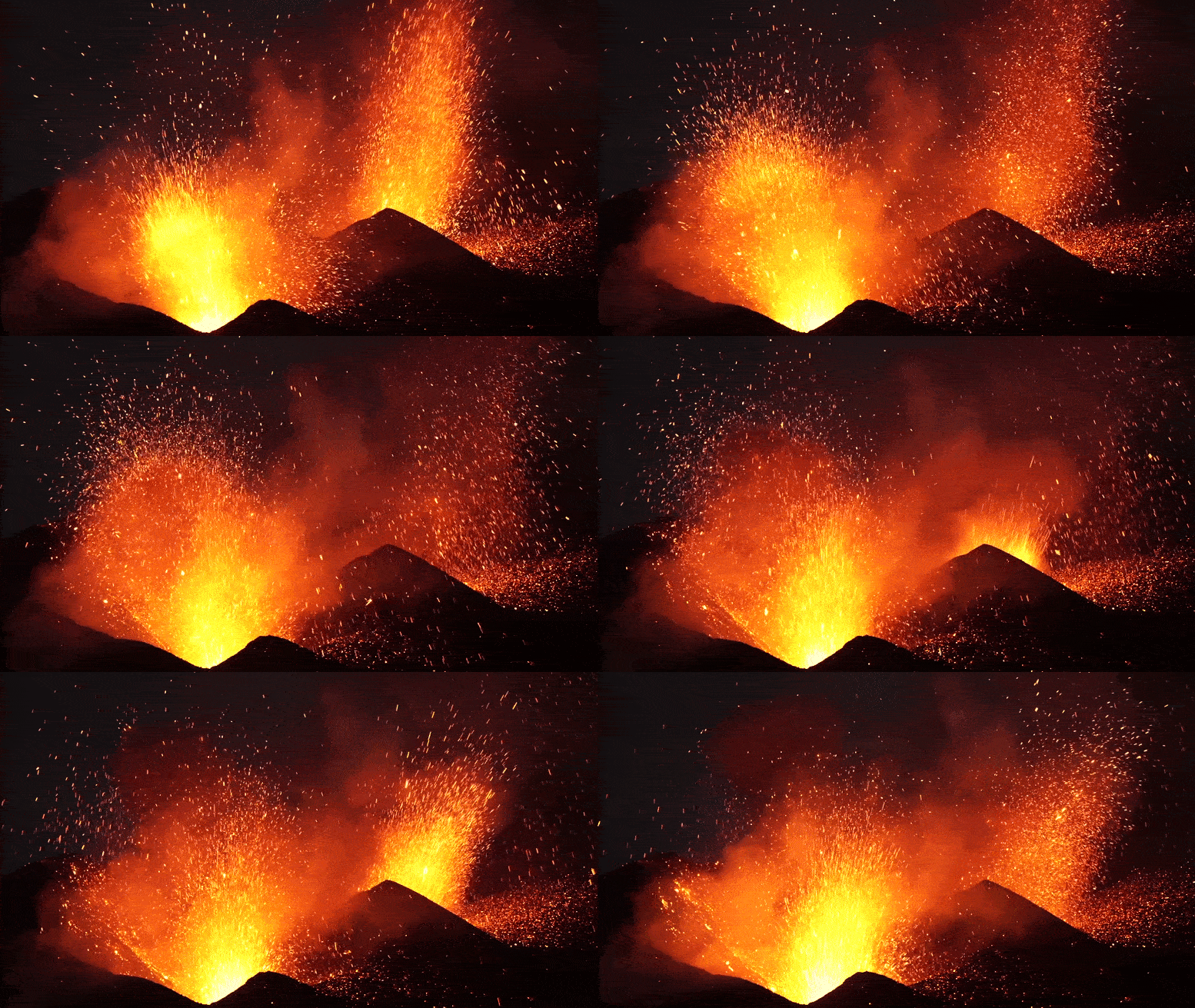
Climate simulations reveal the Toba eruption caused severe cooling mainly in the Northern Hemisphere, helping early human populations in Africa avoid the worst impacts.
A massive volcanic eruption in Indonesia about 74,000 years ago likely caused severe climate disruption in many areas of the globe, but early human populations were sheltered from the worst effects, according to a Rutgers-led study.
The findings appear in the journal PNAS.
The eruption of the Toba volcano was the largest volcanic eruption in the past two million years, but its impacts on climate and human evolution have been unclear. Resolving this debate is important for understanding environmental changes during a key interval in human evolution.
“We were able to use a large number of climate model simulations to resolve what seemed like a paradox,” said lead author Benjamin Black, an assistant professor in the Department of Earth and Planetary Sciences at Rutgers University-New Brunswick. “We know this eruption happened and that past climate modeling has suggested the climate consequences could have been severe, but archaeological and paleoclimate records from Africa don’t show such a dramatic response.
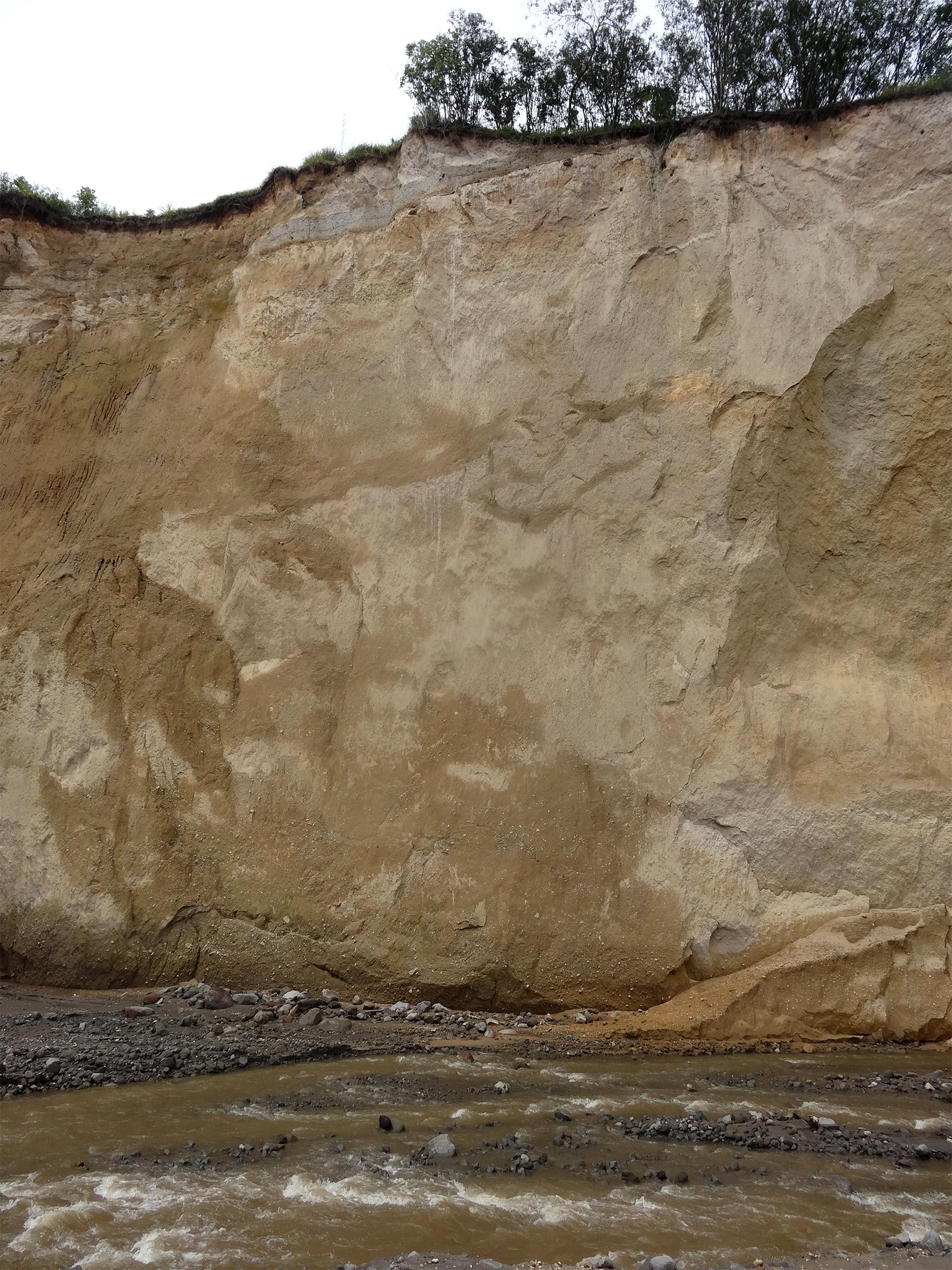
Regional Differences in Climate Impact
“Our results suggest that we might not have been looking in the right place to see the climate response. Africa and India are relatively sheltered, whereas North America, Europe, and Asia bear the brunt of the cooling,” Black said. “One intriguing aspect of this is that Neanderthals and Denisovans were living in Europe and Asia at this time, so our paper suggests evaluating the effects of the Toba eruption on those populations could merit future investigation.”
The researchers analyzed 42 global climate model simulations in which they varied magnitude of sulfur emissions, time of year of the eruption, background climate state, and sulfur injection altitude to make a probabilistic assessment of the range of climate disruptions the Toba eruption may have caused. This approach let the team account for some of the unknowns related to the eruption.
“By using a probabilistic approach, we aim at understanding the likelihood that some regions were less impacted by Toba, considering the wide range of estimates of its size and timing, in addition to our lack of knowledge of the underlying climate state,” said Black.
The results suggest there was likely significant regional variation in climate impacts. The simulations predict cooling in the Northern Hemisphere of at least 4°C (7.2°F), with regional cooling as high as 10°C (18°F) depending on the model parameters. In contrast, even under the most severe eruption conditions, cooling in the Southern Hemisphere — including regions populated by early humans — was unlikely to exceed 4°C, although regions in southern Africa and India may have seen decreases in precipitation at the highest sulfur emission level.
Reconciling Archaeological Evidence with Models
The results explain independent archaeological evidence suggesting the Toba eruption had modest effects on the development of hominid species in Africa. According to the authors, their ensemble simulation approach could be used to better understand other past and future explosive eruptions.
“Our results reconcile the simulated distribution of climate impacts from the eruption with paleoclimate and archaeological records,” according to the study. “This probabilistic view of climate disruption from Earth’s most recent super-eruption underscores the uneven expected distribution of societal and environmental impacts from future very large explosive eruptions.”
Reference: “Global climate disruption and regional climate shelters after the Toba supereruption” by Benjamin A. Black, Jean-François Lamarque, Daniel R. Marsh, Anja Schmidt and Charles G. Bardeen, 9 July 2021, Proceedings of the National Academy of Sciences.
DOI: 10.1073/pnas.2013046118
The study included researchers from the National Center for Atmospheric Research, University of Leeds and University of Cambridge, and was supported by the National Center for Atmospheric Research and the National Science Foundation.
Never miss a breakthrough: Join the SciTechDaily newsletter.
Follow us on Google and Google News.