
Close Menu
    Facebook X (Twitter) Instagram
    SciTechDaily
    • Biology
    • Chemistry
    • Earth
    • Health
    • Physics
    • Science
    • Space
    • Technology
    Facebook X (Twitter) Pinterest YouTube RSS
    SciTechDaily
    Home»Biology»Under-Regulated Pet Trade Leaves Thousands of Wildlife Species Vulnerable
    Biology

    Under-Regulated Pet Trade Leaves Thousands of Wildlife Species Vulnerable

    By Chinese Academy of SciencesSeptember 29, 20201 Comment3 Mins Read
    Facebook Twitter Pinterest Telegram LinkedIn WhatsApp Email Reddit
    Share
    Facebook Twitter LinkedIn Pinterest Telegram Email Reddit
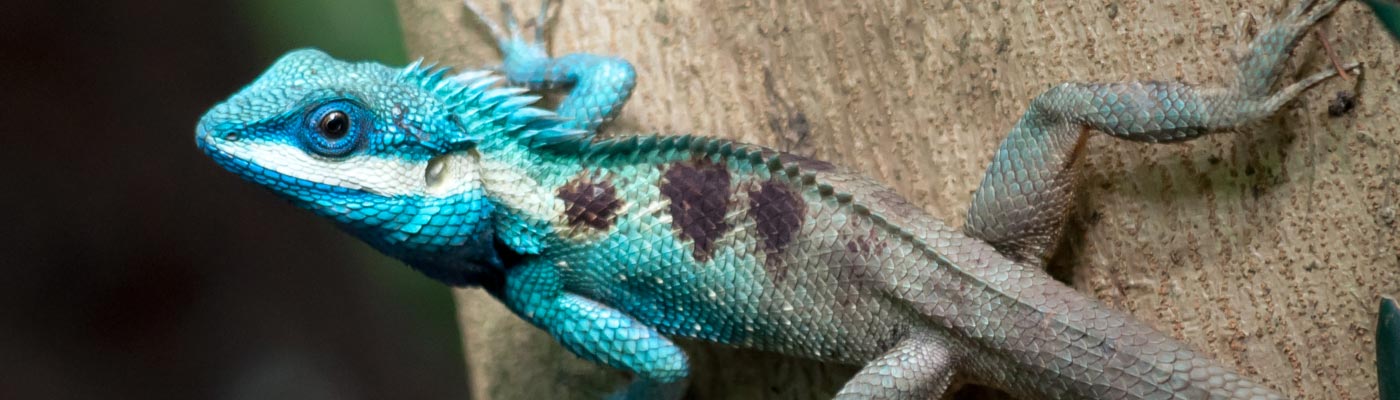
    Reptile in Trade
    Reptile in trade. Credit: Alice Hughes

    Keeping reptiles is fashionable, but what are the consequences for wild reptiles?

    More reptiles are kept as pets than you might expect. In 2008, the British Federation for Herpetologists reported that reptiles outnumbered dogs as the top pet in the UK, with an estimated eight million in captivity. Yet, unlike dogs, many of these animals are not bred in captivity, and international regulations on trade only apply to 9% of the over 11,000 known reptile species.

    In a study published in Nature Communications, researchers from Thailand’s Suranaree University of Technology and the Xishuangbanna Tropical Botanical Garden (XTBG) revealed a worrying situation where a huge number of reptile species are being exploited, with little international regulation, implying a lack of reliable a priori estimates of the impact on wild populations.

    The researchers expanded upon data from existing trade databases with an online webscrape of reptile retailers to conduct a global assessment of the reptile trade. They generated a dataset on the web-based private commercial trade in reptiles to highlight the scope of the global reptile trade.

    They revealed global trade dynamics by mapping the origin of traded species, exploring the endangerment status of species, and reporting the extent of wild capture.

    “Based on two international trade databases and information scraped from 24,000 web pages in five languages, we found that over 36% of reptile species are in trade — totaling almost 4,000 species,” said Dr. Alice Hughes of XTBG.

    The researchers further found that about three-quarters of reptile species being traded are not covered by international trade regulations, and many of these are endangered or range-restricted species, especially from hotspots within Asia.

    Most noticeably, 90% of traded reptile species and half of traded individuals are captured from the wild.

    The researchers proposed shifting the burden of proof to make sure trade is sustainable before allowing these fascinating species to be traded. They also called for better approaches to the pet trade, where low financial value is unlikely to raise sufficient attention to uplist relevant species to a formal appendix to the Convention on International Trade in Endangered Species (CITES).

    “If we fail to mitigate the impacts of unregulated, but legal trade, small-ranged and endemic species may be the next victims of the ongoing biodiversity crisis,” said Dr. Alice Hughes.

    Reference: “Thousands of reptile species threatened by under-regulated global trade” by Benjamin M. Marshall, Colin Strine and Alice C. Hughes, 29 September 2020, Nature Communications.
    DOI: 10.1038/s41467-020-18523-4

    Never miss a breakthrough: Join the SciTechDaily newsletter.
    Follow us on Google and Google News.

    Biodiversity Chinese Academy of Sciences Reptiles
    Share. Facebook Twitter Pinterest LinkedIn Email Reddit

    Related Articles

    Scientists Discover a Hidden Disease Crisis Spreading Through Wild Snakes

    Fascinating New Species of Gecko Discovered in Venezuela

    Unmasking the Unknown: TetrapodTraits Exposes Critical Gaps in Biodiversity Data

    Unusual New Species of Venomous Viper Discovered in China

    Biodiversity Conservation Gaps Identified in Madagascar

    Wang’s Garden Lizard – Scientists Discover Unique New Iguana Species

    Genomes Offer New Insights Into Fascinating Fig-Wasp Symbiotic System

    Chinese Plant Biodiversity at Risk Due to Human Activity

    Newly Discovered Leaf Chameleons Are the Tiniest on Earth

    1 Comment

    1. ᨌᨊ ᨙᨎ ᨊᨀ ᨆ on September 29, 2020 8:29 am

      The answer is simple, don’t treat living beings as merch. (colors of this cutie are awesome)

      Reply
    Leave A Reply Cancel Reply

    • Facebook
    • Twitter
    • Pinterest
    • YouTube

    Don't Miss a Discovery

    Subscribe for the Latest in Science & Tech!

    Trending News

    Popular Weight-Loss Drugs Like Ozempic Linked to Lower Breast Cancer Risk

    AI Learned the Rules of the Universe and That Became a Problem

    Scientists Found a Hidden Brain Signal That Predicts Social Behavior

    Even GPT-5 Failed This Human Attention Test

    Scientists Discover a Biological Clock Unlike Anything Seen Before

    The Brain May Not Need Full Sleep To Recover, New Research Finds

    Your Gut Microbes May Decide How Many Calories You Really Absorb

    Millions Take This Joint Supplement but Scientists Found a Concerning Alzheimer’s Link

    Follow SciTechDaily
    • Facebook
    • Twitter
    • YouTube
    • Pinterest
    • Newsletter
    • RSS
    SciTech News
    • Biology News
    • Chemistry News
    • Earth News
    • Health News
    • Physics News
    • Science News
    • Space News
    • Technology News
    Recent Posts
    • Scientists Discover Brain-Protecting Peptide That Could Change Parkinson’s Treatment
    • This Copper Drug Clears Alzheimer’s Brain Toxins and Boosts Memory
    • Adults Over 65 Lost Massive Amounts of Weight With Ozempic
    • This AI Learned the Laws of Physics and Could Accelerate Quantum Computing Breakthroughs
    • How Flocking Birds “Defy” One of Physics’ Most Fundamental Laws
    Copyright © 1998 - 2026 SciTechDaily. All Rights Reserved.
    • Science News
    • About
    • Contact
    • Editorial Board
    • Privacy Policy
    • Terms of Use

    Type above and press Enter to search. Press Esc to cancel.