
Close Menu
    Facebook X (Twitter) Instagram
    SciTechDaily
    • Biology
    • Chemistry
    • Earth
    • Health
    • Physics
    • Science
    • Space
    • Technology
    Facebook X (Twitter) Pinterest YouTube RSS
    SciTechDaily
    Home»Biology»Unmasking the Unknown: TetrapodTraits Exposes Critical Gaps in Biodiversity Data
    Biology

    Unmasking the Unknown: TetrapodTraits Exposes Critical Gaps in Biodiversity Data

    By PLOSJuly 9, 2024No Comments3 Mins Read
    Facebook Twitter Pinterest Telegram LinkedIn WhatsApp Email Reddit
    Share
    Facebook Twitter LinkedIn Pinterest Telegram Email Reddit
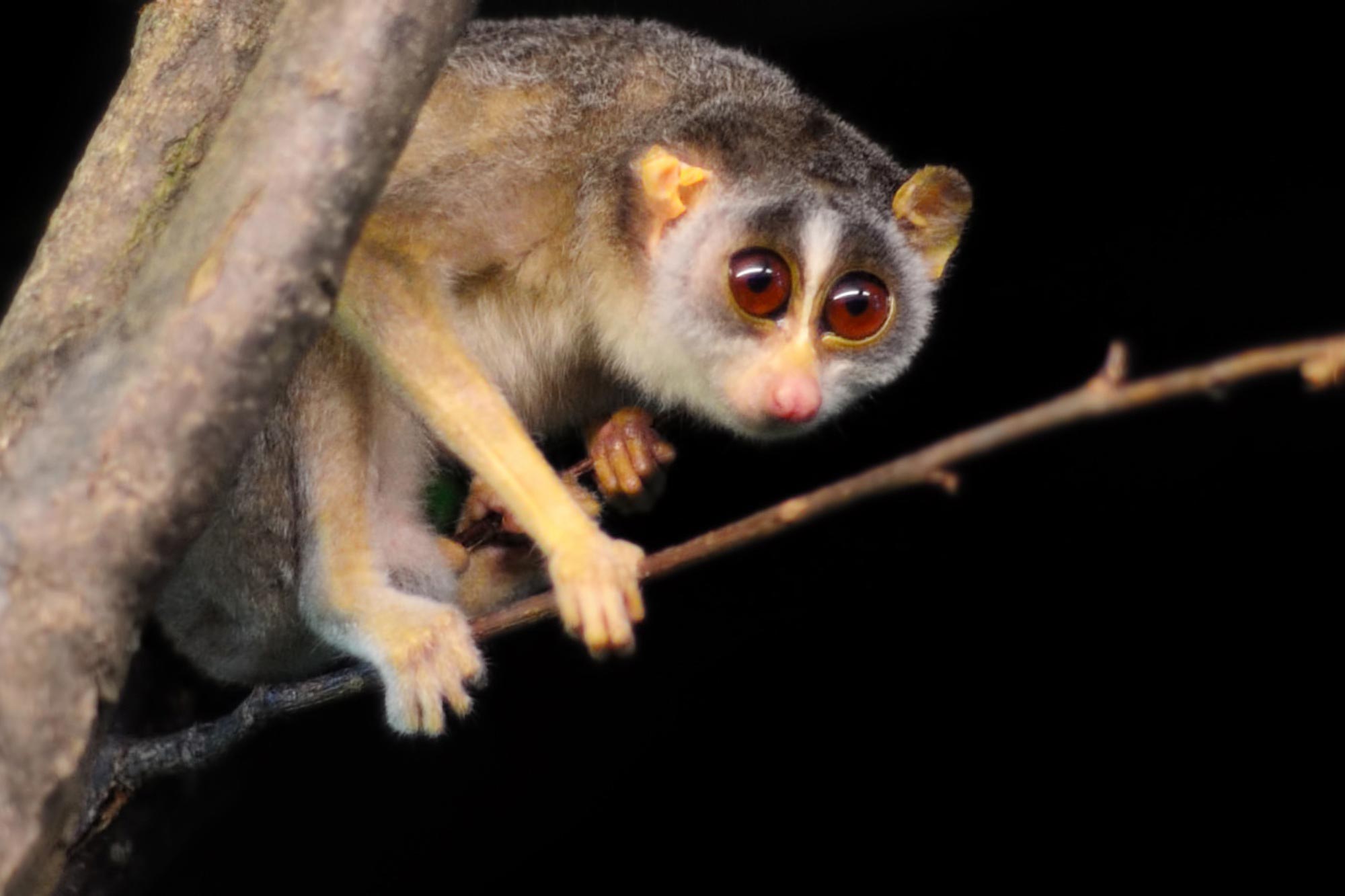
    Slender Loris
    The new database TetrapodTraits covers over 33,000 species, integrating traits to aid in biodiversity research. It helps correct data gaps and biases, improving understanding of tetrapod distribution and conservation needs. Pictured here is a slender loris.

    Researchers developed TetrapodTraits, a comprehensive database featuring over 33,000 tetrapod species, aimed at enhancing global biodiversity studies.

    This tool addresses knowledge gaps and data inconsistencies by including various traits like body size and habitat. Their analysis highlights the necessity for more accurate data to improve conclusions about species distribution and conservation statuses.

    TetrapodTraits – a global database of animals with four feet – has been developed by researchers. Its data can now be applied for better ecology, evolution, and conservation research. Mario Moura of the Universidade Estadual de Campinas, Brazil, and Walter Jetz of Yale University, US, published this work today (July 9th) in the open-access journal PLOS Biology.
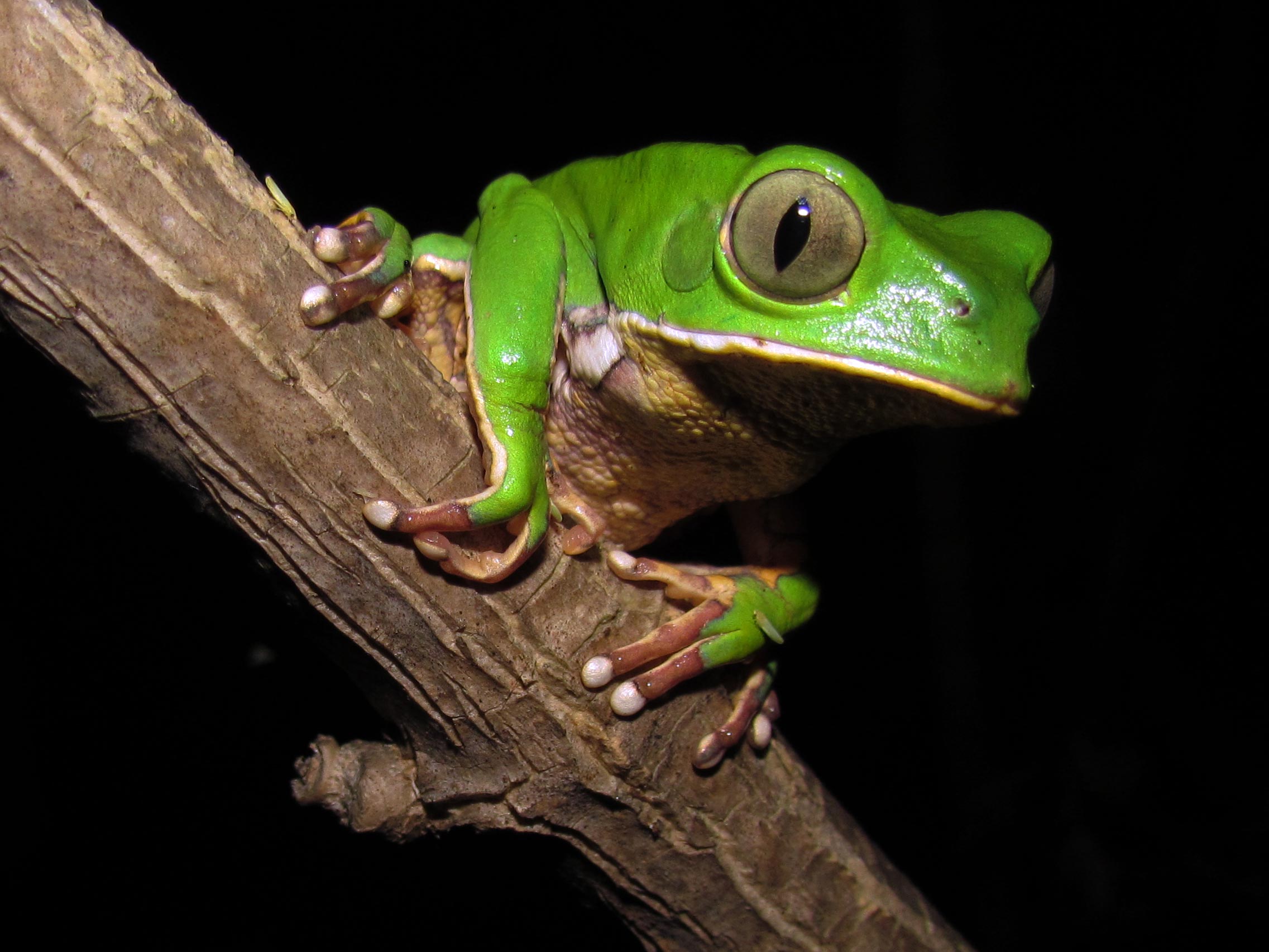
    Leaf Frog (Phyllomedusa burmeisteri)
    The challenges of detecting species with small sizes or nocturnal activity, such as the Walking Leaf Frog (Phyllomedusa burmeisteri) from Brazil, contribute to data gaps in natural history. Credit: Mario R. Moura (CC-BY 4.0)

    Tetrapods, which include amphibians, reptiles, birds, and mammals, are generally well-documented species, which makes them useful as models in global biodiversity studies. However, gaps in our knowledge about many of these species, data inconsistencies, and shifting scientific names can lead to biased conclusions about biodiversity. To help address this issue, researchers created TetrapodTraits, a comprehensive database containing more than 33,000 tetrapod species that includes traits such as body size, habitat, ecosystem, geography, when the animal is active and whether it is threatened by humans.

    In compiling the database, researchers revealed multiple gaps in our global tetrapod knowledge. For example, animals are more likely to have incomplete data if they have smaller bodies, are active at night, or live in tropical regions. The team filled these gaps by predicting the missing data based on existing observations. They found that using the completed data set changed biodiversity patterns informing which kind of species are commonly found in a region.
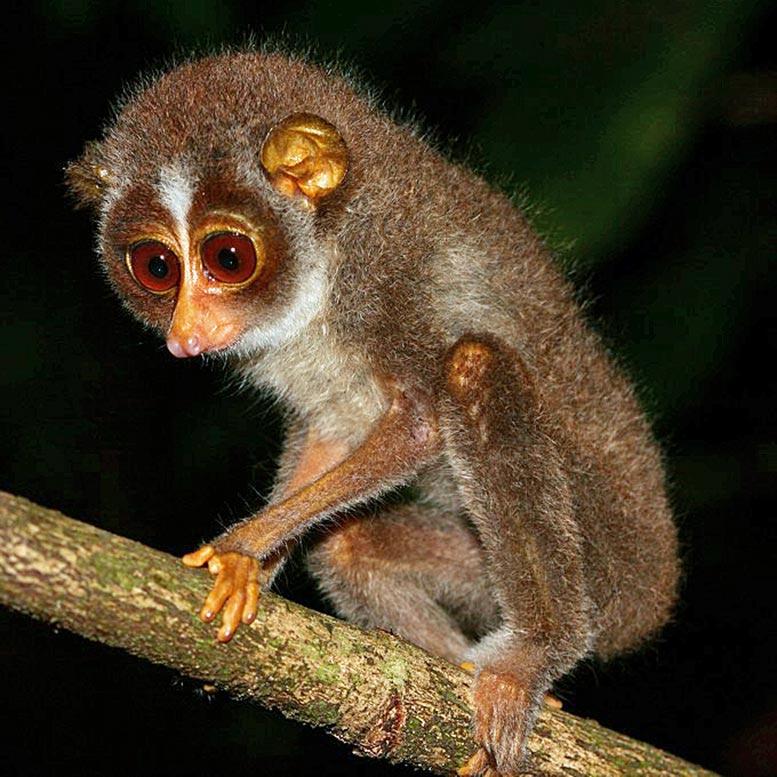
    Slender Loris (Loris tardigradus)
    Data gaps in natural history may arise due to challenges in detecting canopy-dwelling or nocturnally active species, such as the Slender loris (Loris tardigradus) from Sri Lanka. Credit: Alexander Pyron (CC-BY 4.0)

    This new work reveals the scale of our missing tetrapod data and provides a comprehensive assessment of gaps and biases across different tetrapod groups. This is important because missing and biased data can lead to incorrect conclusions about how an ecosystem is functioning, and a species’ risk of extinction. The researchers conclude that while more data collection is needed, TetrapodTraits can lead to less biased results for studies of tetrapod ecology and conservation.

    The authors add, “Our research utilizes artificial intelligence to uncover biases in biodiversity data and offer guidance for enhancing the effectiveness of field research and sampling strategies.”

    Reference: “A phylogeny-informed characterisation of global tetrapod traits addresses data gaps and biases” by Mario R. Moura, Karoline Ceron, Jhonny J. M. Guedes, Rosana Chen-Zhao, Yanina V. Sica, Julie Hart, Wendy Dorman, Julia M. Portmann, Pamela González-del-Pliego, Ajay Ranipeta, Alessandro Catenazzi, Fernanda P. Werneck, Luís Felipe Toledo, Nathan S. Upham, João F. R. Tonini, Timothy J. Colston, Robert Guralnick, Rauri C. K. Bowie, R. Alexander Pyron and Walter Jetz, 11 July 2024, PLOS Biology.
    DOI: 10.1371/journal.pbio.3002658

    Never miss a breakthrough: Join the SciTechDaily newsletter.
    Follow us on Google and Google News.

    Amphibians Biodiversity Birds Conservation Ecology Mammals PLOS Reptiles
    Share. Facebook Twitter Pinterest LinkedIn Email Reddit

    Related Articles

    New Study Debunks 50-Year Myth About Hawaiʻi’s Native Bird Extinctions

    Monitoring Species Condemned to Extinction May Help Conservationists Save Others As Global Temperatures Rise

    Climate Change Drives Babbler Birds Into “Ecological Trap”

    Ivory Coast Without Ivory? Massive Extinction of African Forest Elephants in Côte d’Ivoire

    Citizens Help Scientists Demonstrate Value of Protected Areas in Biodiversity Hotspots Across the Globe

    Birds Can Thrive in Urban Environments With Either Big Brains or Frequent Breeding

    Humans Not Always to Blame for Genetic Diversity Loss in Wildlife, New Conservation Research Reveals

    Saving the Northern White Rhino From Extinction

    Spying With Drones to Help Hippo Conservation Efforts

    Leave A Reply Cancel Reply

    • Facebook
    • Twitter
    • Pinterest
    • YouTube

    Don't Miss a Discovery

    Subscribe for the Latest in Science & Tech!

    Trending News

    Why Popular Diabetes Drugs Like Ozempic Don’t Work for Everyone: The “Genetic Glitch”

    Scientists Stunned After Finding Plant Thought Extinct for 60 Years

    Scientists Discover Tiny New Spider That Hunts Prey 6x Its Size

    Natural Component From Licorice Shows Promise for Treating Inflammatory Bowel Disease

    Scientists Warn: Popular Sweetener Linked to Dangerous Metabolic Effects

    Monster Storms on Jupiter Unleash Lightning Beyond Anything on Earth

    Scientists Create “Liquid Gears” That Spin Without Touching

    The Simple Habit That Could Help Prevent Cancer

    Follow SciTechDaily
    • Facebook
    • Twitter
    • YouTube
    • Pinterest
    • Newsletter
    • RSS
    SciTech News
    • Biology News
    • Chemistry News
    • Earth News
    • Health News
    • Physics News
    • Science News
    • Space News
    • Technology News
    Recent Posts
    • Ancient Bacteria Turned a DNA System Into a Cell Skeleton
    • Researchers Finally Solve 50-Year-Old Blood Group Mystery
    • Scientists Discover “Molecular Switch” That Fuels Alzheimer’s Brain Inflammation
    • Hidden Ocean Currents Revealed in Stunning Detail by AI
    • Trees Emit Tiny Lightning Flashes During Storms and Scientists Finally Prove It
    Copyright © 1998 - 2026 SciTechDaily. All Rights Reserved.
    • Science News
    • About
    • Contact
    • Editorial Board
    • Privacy Policy
    • Terms of Use

    Type above and press Enter to search. Press Esc to cancel.