
Close Menu
    Facebook X (Twitter) Instagram
    SciTechDaily
    • Biology
    • Chemistry
    • Earth
    • Health
    • Physics
    • Science
    • Space
    • Technology
    Facebook X (Twitter) Pinterest YouTube RSS
    SciTechDaily
    Home»Biology»Citizens Help Scientists Demonstrate Value of Protected Areas in Biodiversity Hotspots Across the Globe
    Biology

    Citizens Help Scientists Demonstrate Value of Protected Areas in Biodiversity Hotspots Across the Globe

    By Center for Functional and Evolutionary Ecology (CEFE)September 27, 20201 Comment3 Mins Read
    Facebook Twitter Pinterest Telegram LinkedIn WhatsApp Email Reddit
    Share
    Facebook Twitter LinkedIn Pinterest Telegram Email Reddit
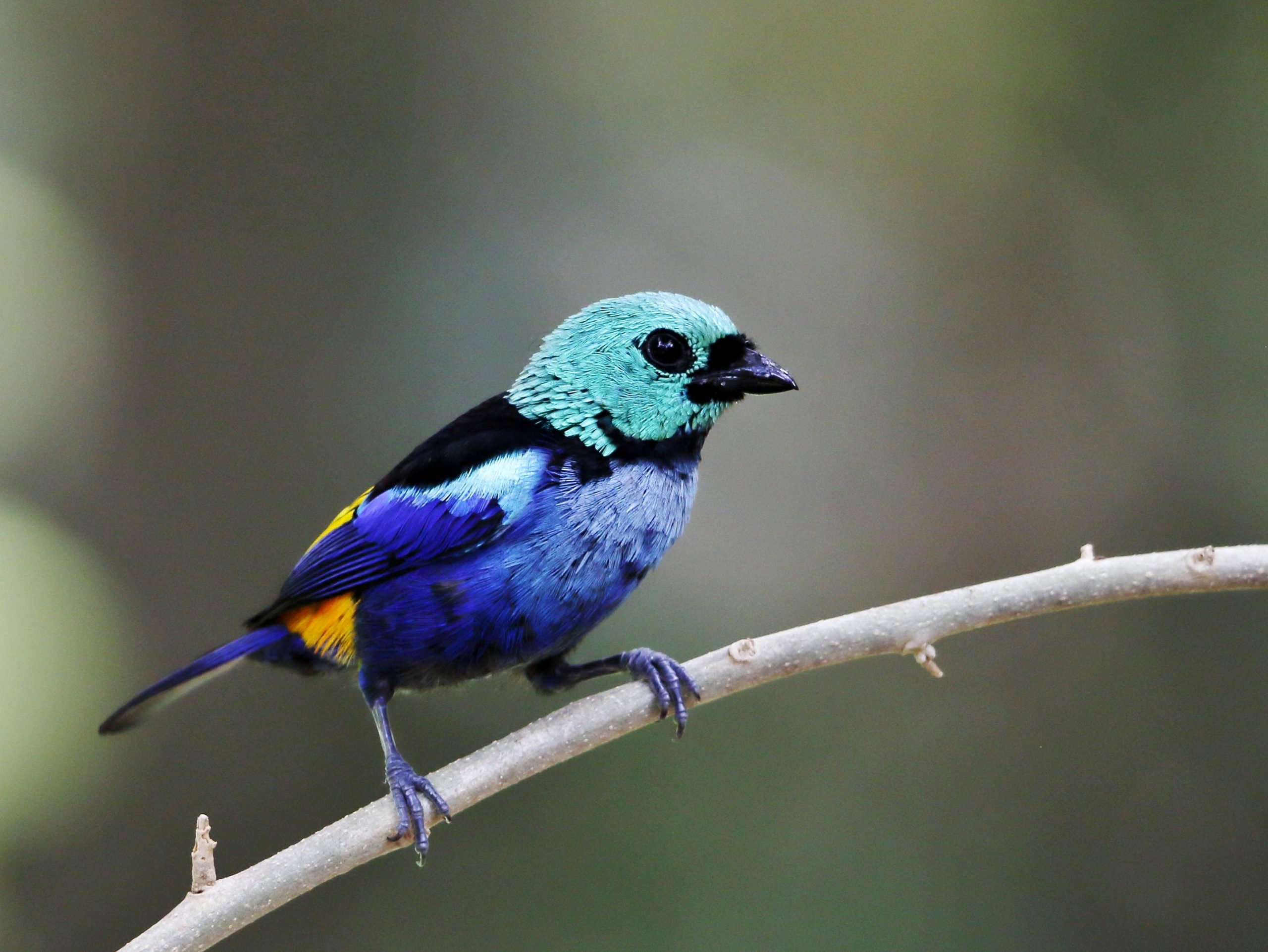
    Seven Colored Tanager
    Restricted to the Atlantic Forests of Brazil and at risk of extinction, this species require effective protected areas to prevent the loss and degradation of its forest habitats. Credit: Hector Bottai

    New study used millions of bird observations collated by citizens to test the effectiveness of protected areas in tropical forests across the globe.

    Protected areas are considered the most important tool for curbing the ongoing biodiversity loss, but a lack of field data hampers efforts to measure how effective they are in practice. Scientists have now used records collated by thousands of citizens to show that protected areas are contributing significantly to the conservation of rare and threatened birds across tropical forests hotspots, by preventing deforestation and forest degradation.

    To measure the effect of protected areas, researchers needed to contrast field observations inside protected areas with those from similar but unprotected sites. They focused on eight regions classified as global biodiversity hotspots, that is, with very high levels of unique biodiversity but which have already lost most of their native habitat. “Regions of the world with the most threatened biodiversity are precisely the ones where we need effective protected areas the most,” stated Victor Cazalis, of the University of Montpellier and lead author of the study. “Unfortunately, these regions often lack the biodiversity data needed to evaluate how good their protected areas are.”
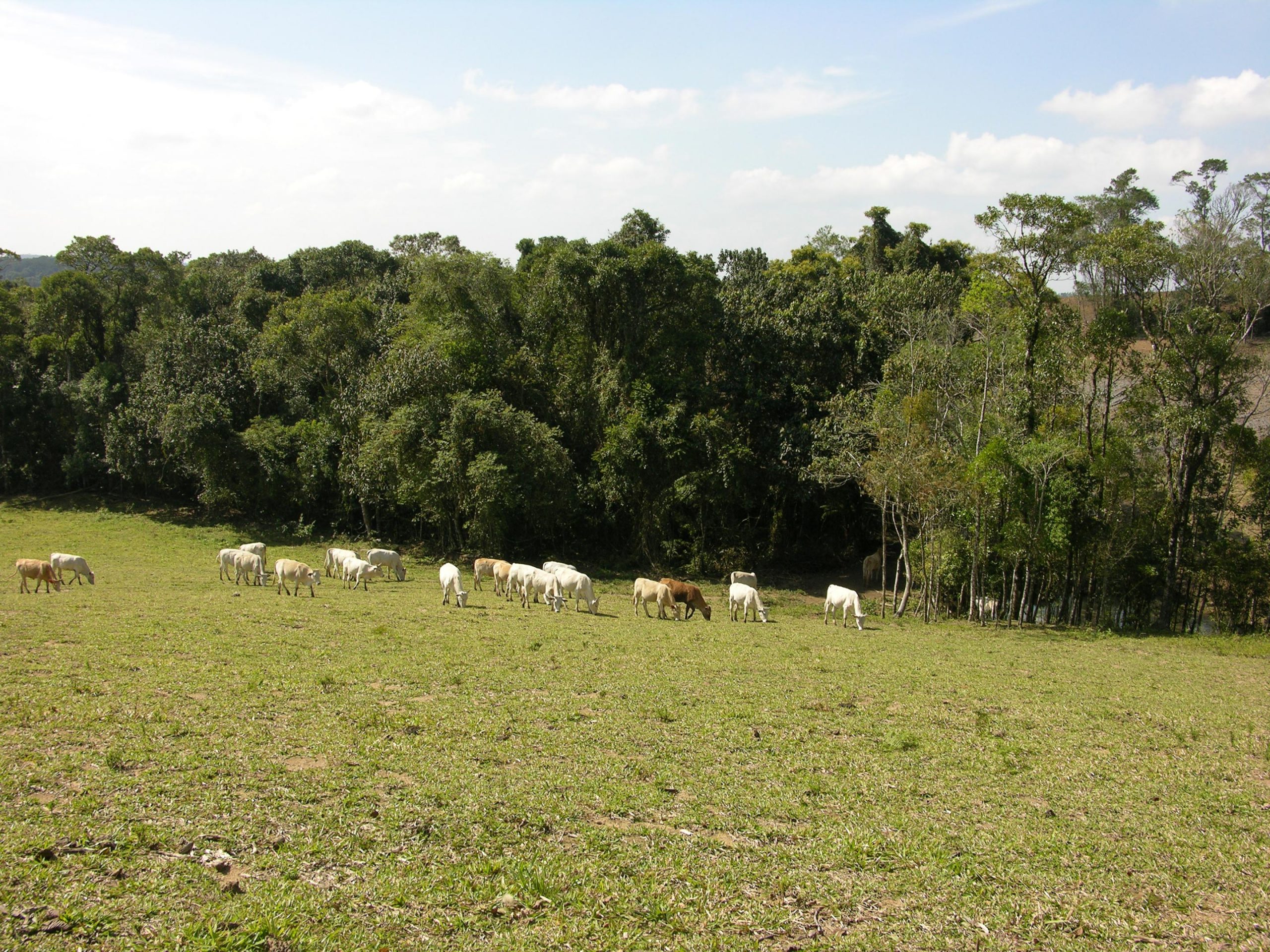
    Cattle Ranching Edge of Tropical Forest Remnants
    More than 70% of the Atlantic Forests of South America have already been lost. Protected areas are key to the protection of the remaining habitat and its many unique species. Credit: Ana Rodrigues

    New citizen science initiatives are filling this data gap. The research team analyzed records from eBird, the world’s largest citizen science platform for biodiversity. Already including hundreds of millions of bird observations, collected by contributors ranging from amateur bird enthusiasts to skilled ornithologists, eBirds’ coverage of tropical regions has expanded rapidly in the past decade. After carefully filtering these data to select the most robust observations, the analyses focused on over 2.6 million observations of 5,400 bird species, made by nearly 7,000 observers.

    The results, published in the scientific journal Nature Communications, show that protection has a clear positive effect on the conservation prospects of bird species. “We found that protected areas are particularly effective at conserving species that have small ranges, are at risk of extinction, or that are specialized in forest habitats.” Cazalis noted, “which is very good news as these are the species most in need of conservation.” The study also shows that protected areas achieve these positive outcomes both by preventing deforestation, and by retaining the quality of the remaining forest habitats.
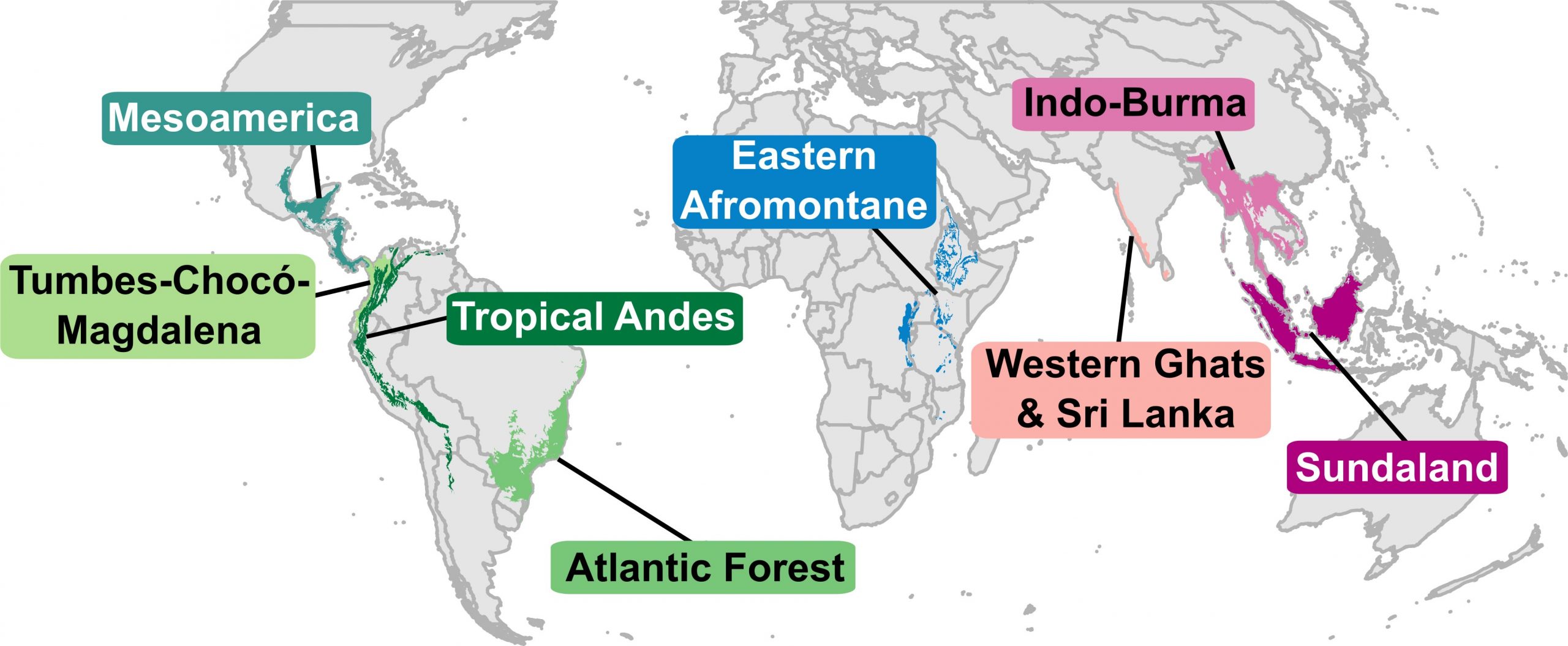
    Tropical Biodiversity Hotspots Analyzed
    Map. Credit: Victor Cazalis

    “Our findings confirm that protected areas are an effective tool for preventing biodiversity declines,” said Ana Rodrigues, of the French National Center for Scientific Research and a co-author in the study, “so we need to continue investing in expanding their coverage and ensuring their adequate management.” These results are timely, as governments are now negotiating global conservation targets as part of the post-2020 Biodiversity Framework, due to be adopted in 2021 at the fifteenth Conference of the Parties to the Convention on Biological Diversity.

    Reference: “Effectiveness of protected areas in conserving tropical forest birds” by Victor Cazalis, Karine Princé, Jean-Baptiste Mihoub, Joseph Kelly, Stuart H. M. Butchart and Ana S. L. Rodrigues, 14 September 2020, Nature Communications.
    DOI: 10.1038/s41467-020-18230-0

    Funding: European Union’s Horizon 2020 research and innovation program, Marie Sklodowska-Curie grant agreement No 766417

    Never miss a breakthrough: Join the SciTechDaily newsletter.
    Follow us on Google and Google News.

    Biodiversity Birds Ecology
    Share. Facebook Twitter Pinterest LinkedIn Email Reddit

    Related Articles

    New Study Debunks 50-Year Myth About Hawaiʻi’s Native Bird Extinctions

    Humans Have Erased 3 Billion Years of Evolution – and It’s Getting Worse

    Unmasking the Unknown: TetrapodTraits Exposes Critical Gaps in Biodiversity Data

    Nature’s Neighborhood Surprise: 1,000+ Wildlife Species Under Our Noses

    Considered Extinct for 36 Years: Endangered Vulture Returns to Bulgaria

    Monitoring Species Condemned to Extinction May Help Conservationists Save Others As Global Temperatures Rise

    From Avocet to Zebra Finch: Study Finds There Are More Than 50 Billion Birds in the World

    Climate Change Drives Babbler Birds Into “Ecological Trap”

    Birds Can Thrive in Urban Environments With Either Big Brains or Frequent Breeding

    1 Comment

    1. cinema on September 28, 2020 1:41 am

      Wow, it looks so nice. I inspired by your efforts and hard work in writing this post. I shall try it to make it.so nice idea to make a decent and beautiful pouch. I like your skill.

      Reply
    Leave A Reply Cancel Reply

    • Facebook
    • Twitter
    • Pinterest
    • YouTube

    Don't Miss a Discovery

    Subscribe for the Latest in Science & Tech!

    Trending News

    Millions Take These IBS Drugs, But a New Study Finds Serious Risks

    Scientists Unlock Hidden Secrets of 2,300-Year-Old Mummies Using Cutting-Edge CT Scanner

    Bread Might Be Making You Gain Weight Even Without Eating More Calories

    Scientists Discover Massive Magma Reservoir Beneath Tuscany

    Europe’s Most Active Volcano Just Got Stranger – Here’s Why Scientists Are Rethinking It

    Alzheimer’s Symptoms May Start Outside the Brain, Study Finds

    Millions Take This Popular Supplement – Scientists Discover a Concerning Link to Heart Failure

    The Universe Is Expanding Too Fast and Scientists Can’t Explain Why

    Follow SciTechDaily
    • Facebook
    • Twitter
    • YouTube
    • Pinterest
    • Newsletter
    • RSS
    SciTech News
    • Biology News
    • Chemistry News
    • Earth News
    • Health News
    • Physics News
    • Science News
    • Space News
    • Technology News
    Recent Posts
    • U.S. Waste Holds $5.7 Billion Worth of Crop Nutrients
    • Scientists Say a Hidden Structure May Exist Inside Earth’s Core
    • Doctors Surprised by the Power of a Simple Drug Against Colon Cancer
    • Why Popular Diabetes Drugs Like Ozempic Don’t Work for Everyone: The “Genetic Glitch”
    • Scientists Create Improved Insulin Cells That Reverse Diabetes in Mice
    Copyright © 1998 - 2026 SciTechDaily. All Rights Reserved.
    • Science News
    • About
    • Contact
    • Editorial Board
    • Privacy Policy
    • Terms of Use

    Type above and press Enter to search. Press Esc to cancel.