

Scientists have uncovered an unexpected genetic shift that may explain how animals with backbones first emerged and became so diverse.
Researchers at the University of St Andrews have identified an important clue to how animals with backbones evolved. This group includes mammals, fish, reptiles, and amphibians. The findings help clarify a key moment in the evolutionary history of vertebrates.
The study was published on February 2 in the journal BMC Biology. Researchers reported a striking pattern in gene evolution that appears closely tied to the emergence and expansion of vertebrate life.
How Cell Signaling Shapes Animal Development
All animals depend on complex signaling pathways that allow cells to communicate. These systems guide essential processes such as embryo formation and organ growth. Because of their central role in development, signaling pathways are often involved in disease-causing mutations and are common targets for drug development.
At the core of these pathways are proteins that determine how signals are processed inside cells. These proteins act like control hubs, shaping how cells respond and which genes are activated.
Comparing Invertebrates and Early Vertebrates
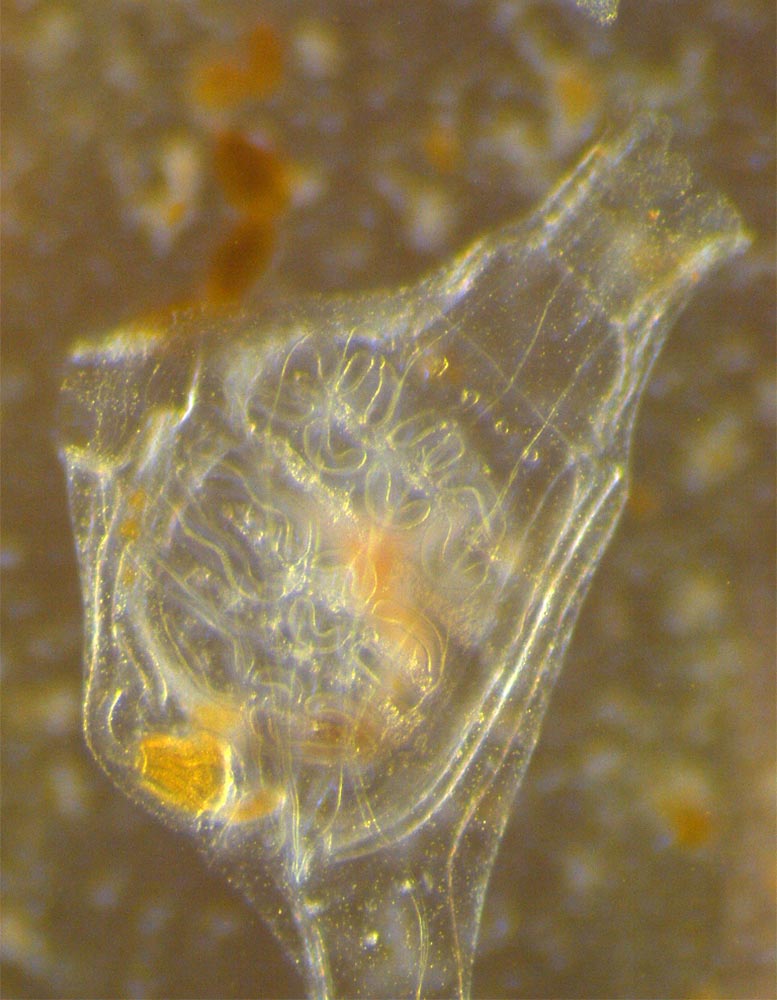
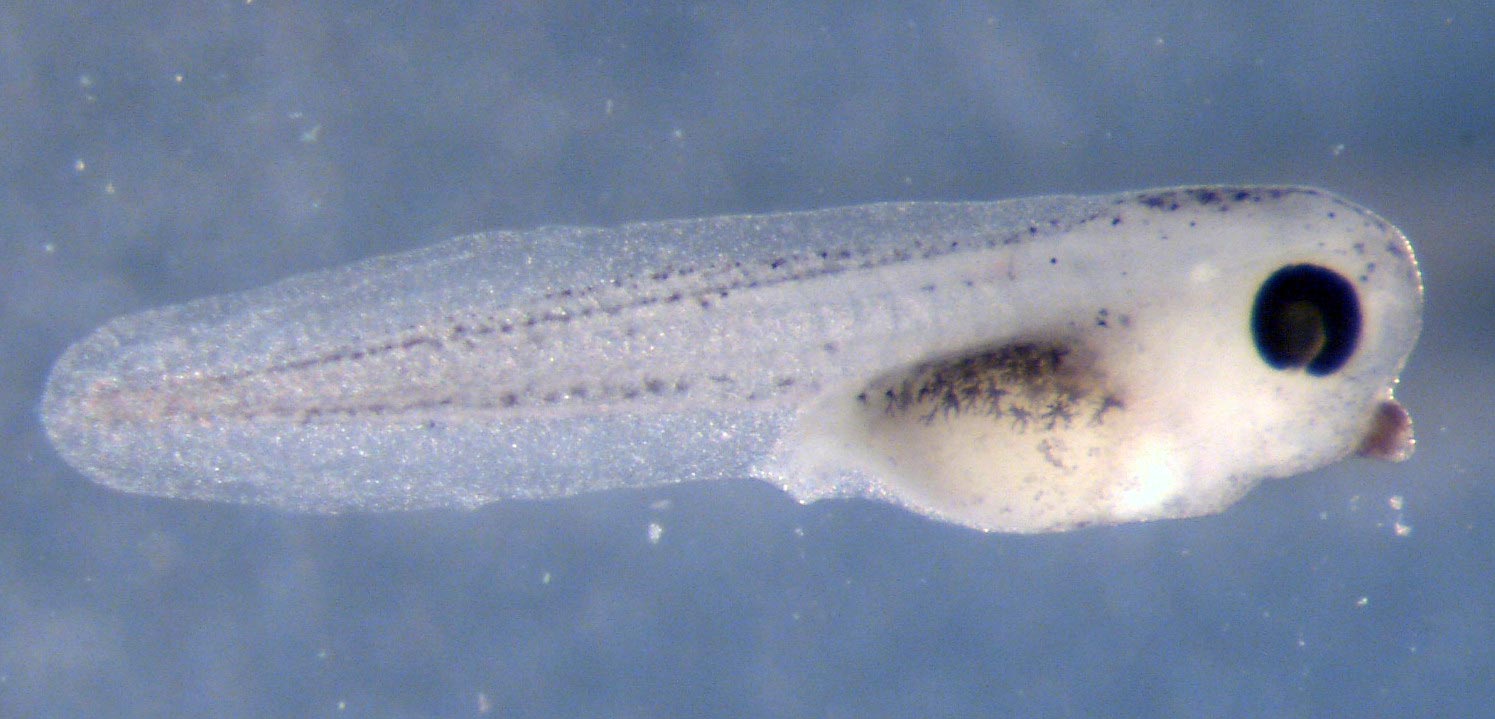
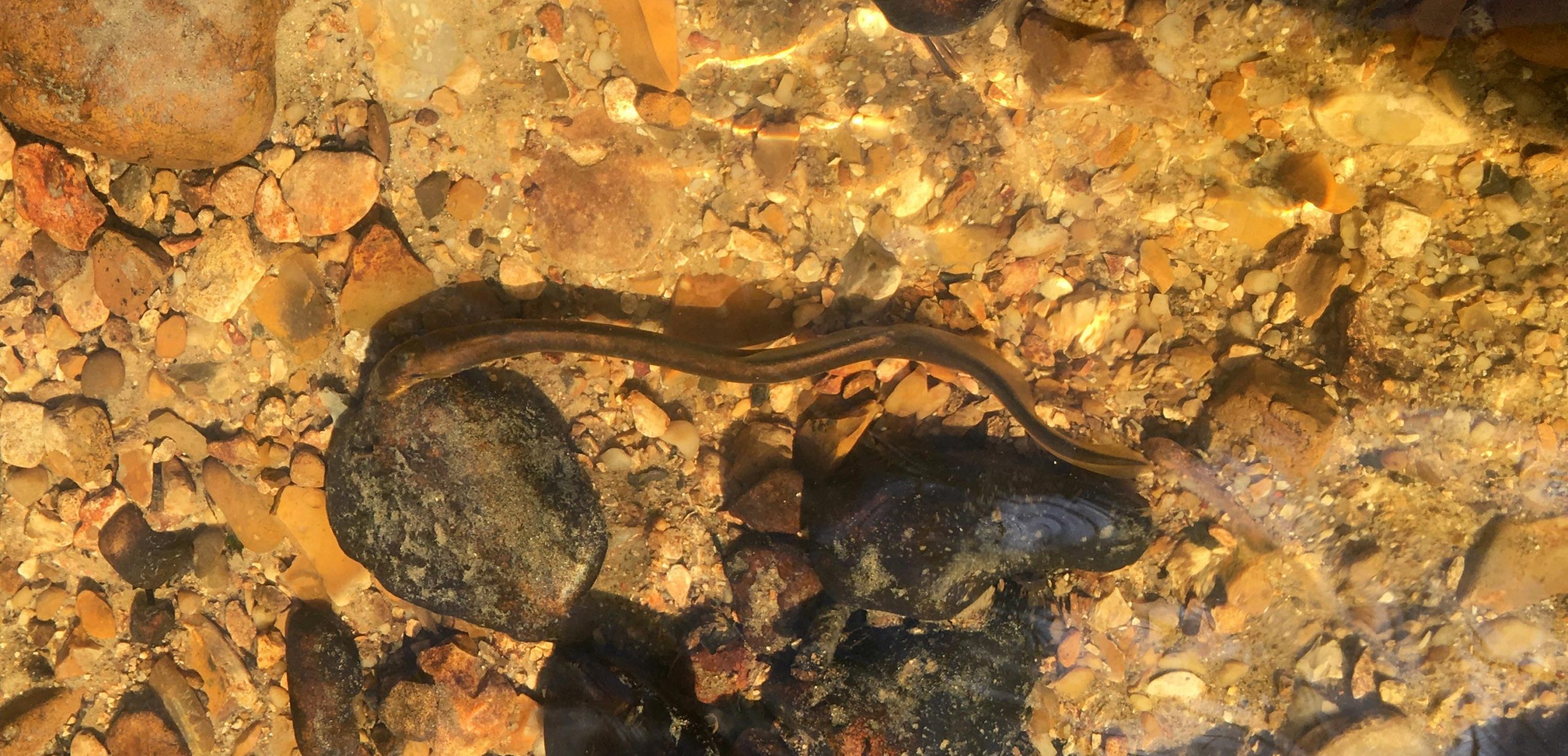
To explore how these proteins evolved, the researchers generated new gene sequencing data from sea squirts, a lamprey, and a species of frog. Sea squirts are invertebrates, making them useful for identifying changes associated with the shift from animals without backbones to those with them. Lampreys represent an early branch of vertebrates, helping pinpoint when these genetic changes first appeared.
The team found that the genes responsible for producing signaling output proteins followed a distinctive evolutionary path during this transition.
A First Using Long-Molecule DNA Sequencing
The researchers used long-molecule DNA sequencing, which makes it possible to separate and analyze different transcripts produced by a single gene. This technique had not previously been applied to the genes expressed in these particular animals.
By using this approach, the scientists were able to document the full range of transcripts and proteins produced during vertebrate development for the first time.
Expanded Protein Diversity in Vertebrates
Unlike the invertebrate sea squirt, both the lamprey and the frog produced many more protein variants from individual signaling output genes. This increase was much greater than what was observed for most other types of genes.
This shift stands out as a major change associated with vertebrate evolution. Because these signaling pathways influence how cells become different tissues and organs, the researchers believe these proteins likely played a key role in making vertebrates (animals with backbones) more complex than invertebrates.
Why This Discovery Matters
Lead author of the study, Professor David Ferrier from the School of Biology, said: “It was very surprising to us to see how this small selection of very particular genes stands out in the way that they are behaving compared to any other sort of gene we looked at. It will be exciting to determine how these various different protein forms work in distinct ways to generate the diversity of cell types we now see in vertebrates.”
Beyond offering new insight into how vertebrates evolved, these findings may also influence future research into disease. Understanding how these proteins and signaling pathways function could eventually help scientists learn how to better target them in disease management.
Reference: “Long-read sequencing reveals increased isoform diversity in key transcription factor effectors of intercellular signalling at the invertebrate-vertebrate transition” by Nuria P. Torres-Aguila, Marika Salonna, Sebastian M. Shimeld, Stefan Hoppler and David E. K. Ferrier, 24 January 2026, BMC Biology.
DOI: 10.1186/s12915-026-02522-w
Never miss a breakthrough: Join the SciTechDaily newsletter.
Follow us on Google and Google News.
1 Comment
Genesis 1
The Creation of the World
1 In the beginning God created the heavens and the earth.
2 Now the earth was without shape and empty, and darkness was over the surface of the watery deep, but the Spirit of God was moving over the surface of the water. 3 God said, “Let there be light.” And there was light! 4 God saw that the light was good, so God separated the light from the darkness. 5 God called the light “day” and the darkness “night.” There was evening, and there was morning, marking the first day.
6 God said, “Let there be an expanse in the midst of the waters and let it separate water from water.” 7 So God made the expanse and separated the water under the expanse from the water above it. It was so. 8 God called the expanse “sky.” There was evening, and there was morning, a second day.
9 God said, “Let the water under the sky be gathered to one place and let dry ground appear.” It was so. 10 God called the dry ground “land” and the gathered waters he called “seas.” God saw that it was good.
11 God said, “Let the land produce vegetation: plants yielding seeds and trees on the land bearing fruit with seed in it, according to their kinds.” It was so. 12 The land produced vegetation—plants yielding seeds according to their kinds, and trees bearing fruit with seed in it according to their kinds. God saw that it was good. 13 There was evening, and there was morning, a third day.
14 God said, “Let there be lights in the expanse of the sky to separate the day from the night, and let them be signs to indicate seasons and days and years, 15 and let them serve as lights in the expanse of the sky to give light on the earth.” It was so. 16 God made two great lights—the greater light to rule over the day and the lesser light to rule over the night. He made the stars also. 17 God placed the lights in the expanse of the sky to shine on the earth, 18 to preside over the day and the night, and to separate the light from the darkness. God saw that it was good. 19 There was evening, and there was morning, a fourth day.
20 God said, “Let the water swarm with swarms of living creatures and let birds fly above the earth across the expanse of the sky.” 21 God created the great sea creatures and every living and moving thing with which the water swarmed, according to their kinds, and every winged bird according to its kind. God saw that it was good. 22 God blessed them and said, “Be fruitful and multiply and fill the water in the seas, and let the birds multiply on the earth.” 23 There was evening, and there was morning, a fifth day.
24 God said, “Let the land produce living creatures according to their kinds: cattle, creeping things, and wild animals, each according to its kind.” It was so. 25 God made the wild animals according to their kinds, the cattle according to their kinds, and all the creatures that creep along the ground according to their kinds. God saw that it was good.
26 Then God said, “Let us make humankind in our image, after our likeness, so they may rule over the fish of the sea and the birds of the air, over the cattle, and over all the earth, and over all the creatures that move on the earth.”
27 God created humankind in his own image,
in the image of God he created them,
male and female he created them.