
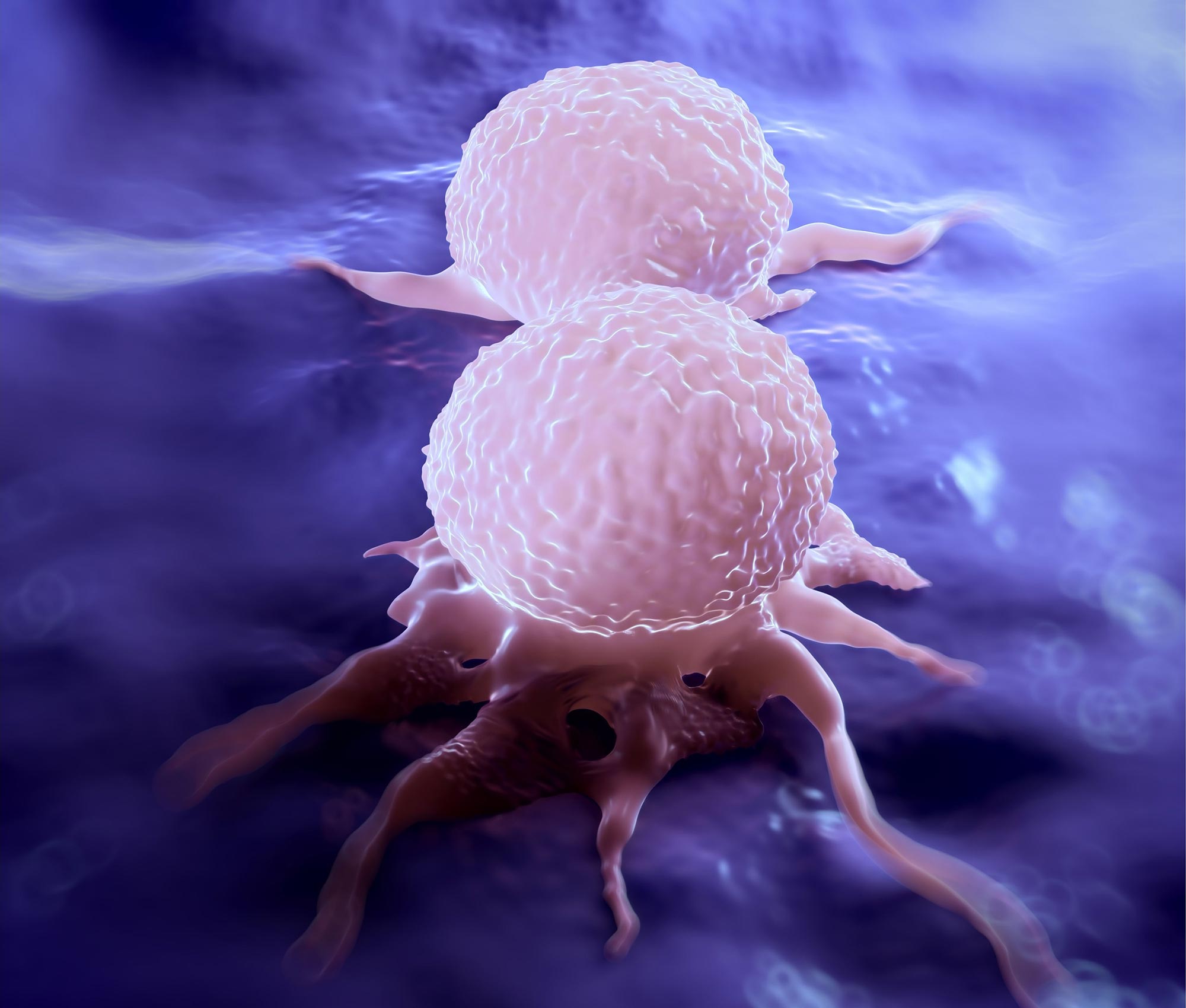
Breast cancer patterns are shifting rapidly in several Asian American communities.
Breast cancer has long been considered less common among Asian American women than among white women in the United States. A new UC San Francisco-led study suggests that this pattern is changing quickly, especially among younger women and in some aggressive forms of the disease.
Researchers found that invasive breast cancer rates rose across nearly every Asian American population studied between 2000 and 2022. In most groups, incidence increased by more than 3% per year, with even steeper growth among Chinese and Vietnamese women.
The trend was particularly pronounced among women younger than 50 and among those diagnosed with advanced cancer or aggressive subtypes. These findings suggest that the increase is not simply a matter of more early tumors being detected.
Screening Does Not Fully Explain the Rise
The researchers said screening is unlikely to be the main cause because it typically leads to more early-stage diagnoses. In this study, cancers that had already spread increased the fastest.
Among Chinese American women, triple-negative breast cancer rose by more than 6% per year from 2017 to 2022. This subtype is considered especially aggressive and has fewer targeted treatment options than many other forms of breast cancer.
“These patterns are highly concerning from a disparities standpoint,” said senior author Scarlett Lin Gomez, PhD, professor of epidemiology and biostatistics at UCSF and co-leader of the Cancer Control Program at the UCSF Helen Diller Family Comprehensive Cancer Center. “They underscore why it is so important to move beyond treating Asian Americans, Native Hawaiians, and Pacific Islanders as a single population.”
A Historic Gap Is Closing
The study analyzed about 150,000 cases of invasive breast cancer using data from the National Cancer Institute’s Surveillance, Epidemiology, and End Results (SEER) Program. It included nine Asian American, Native Hawaiian, and Pacific Islander (AANHPI) populations across 14 states.
Native Hawaiian women already have some of the highest breast cancer rates among women in the United States, although their rates increased by about 1% per year, more slowly than those of the Asian American groups studied.
Asian American women, with the exception of Native Hawaiian women, have historically had lower breast cancer rates than non-Hispanic white women. By 2022, however, incidence among Asian American women younger than 50 was comparable to that of white women.
Researchers Are Looking for Answers
Researchers do not yet know what is driving the increase. Changes in reproductive patterns, diet, and other lifestyle factors may contribute, but they do not fully explain the findings.
Other possibilities, including environmental exposures, generational differences, access to care, and tumor biology, may also deserve closer study. The CRANE breast cancer study and the ASPIRE cohort study may help identify overlooked risk factors.
“Understanding why breast cancer is increasing so rapidly in these communities is critical,” Gomez said. “At the same time, we need to ensure that women across all Asian American, Native Hawaiian, and Pacific Islander communities have access to culturally appropriate education, screening, and timely follow-up care.”
Reference: “Breast Cancer Survival in Asian American Patients” by Scarlett Lin Gomez, Julie Von Behren, Valerie McGuire, Mi-Ok Kim, Luna Gao, Salma Shariff-Marco, Katherine Lin, Iona Cheng, Marilyn L. Kwan, Anna H. Wu, Esther M. John, Lenora Loo, Allison Kurian, Jocelyn Koo, Lia D’addario, Janise M. Roh, Isaac J. Ergas, Esperanza Castillo, Christine B. Ambrosone, Brittany N. Morey, Lawrence H. Kushi and Song Yao, 1 July 2026, JAMA Network Open.
DOI: 10.1001/jamanetworkopen.2026.21041
Funding: Breast Cancer Research Foundation, NIH/National Cancer Institute, Surveillance Research Program Division of Cancer Control and Population Sciences of the National Cancer Institute
Never miss a breakthrough: Join the SciTechDaily newsletter.
Follow us on Google and Google News.
1 Comment
свободно висящие под сарафаном молочные железы, при каждом взмахе мотыгой на моем огороде, получают повышение обмена веществ, нет застоя крови и все выводится естественным путем. Часть недостающих гормонов женщины должны получать при совместной терапии простаты, но тут мешает резина. Все имеет и обратную сторону.