
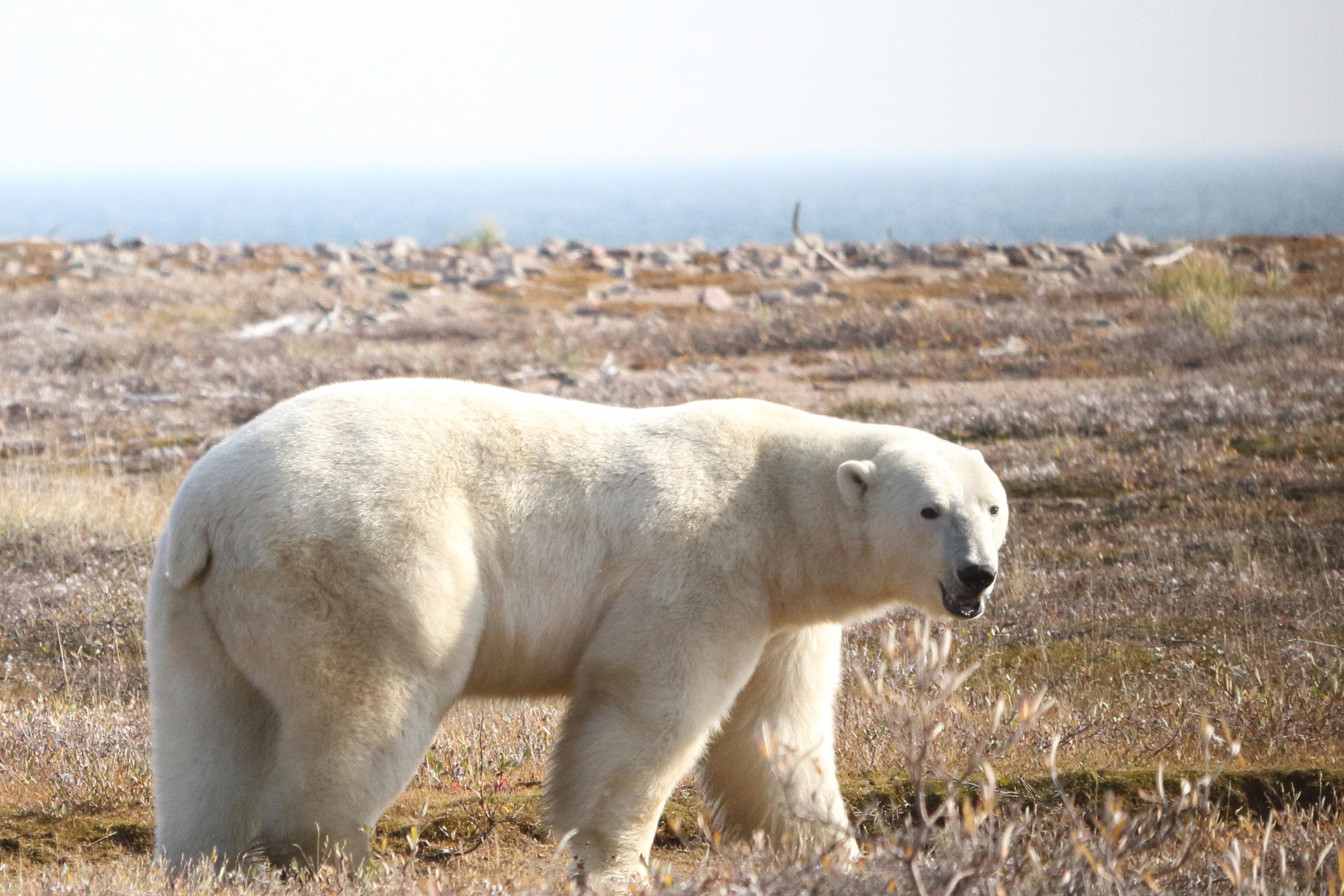
More time stranded on land means greater risk of starvation for polar bears, a new study indicates.
During three summer weeks, 20 polar bears closely observed by scientists tried different strategies to maintain energy reserves, including resting, scavenging, and foraging. Yet nearly all of them lost weight rapidly: on average around 1 kilogram, or 2.2 pounds, per day.
Ineffective Adaptation Strategies
Some have speculated that polar bears might adapt to the longer ice-free seasons due to climate warming by acting like their grizzly bear relatives and either rest or eat terrestrial food. The polar bears in this study tried versions of both strategies—with little success.
“Neither strategy will allow polar bears to exist on land beyond a certain amount of time. Even those bears that were foraging lost body weight at the same rate as those that laid down,” said Charles Robbins, director of the Washington State University Bear Center and co-author of the study in the journal Nature Communications. “Polar bears are not grizzly bears wearing white coats. They’re very, very different.”
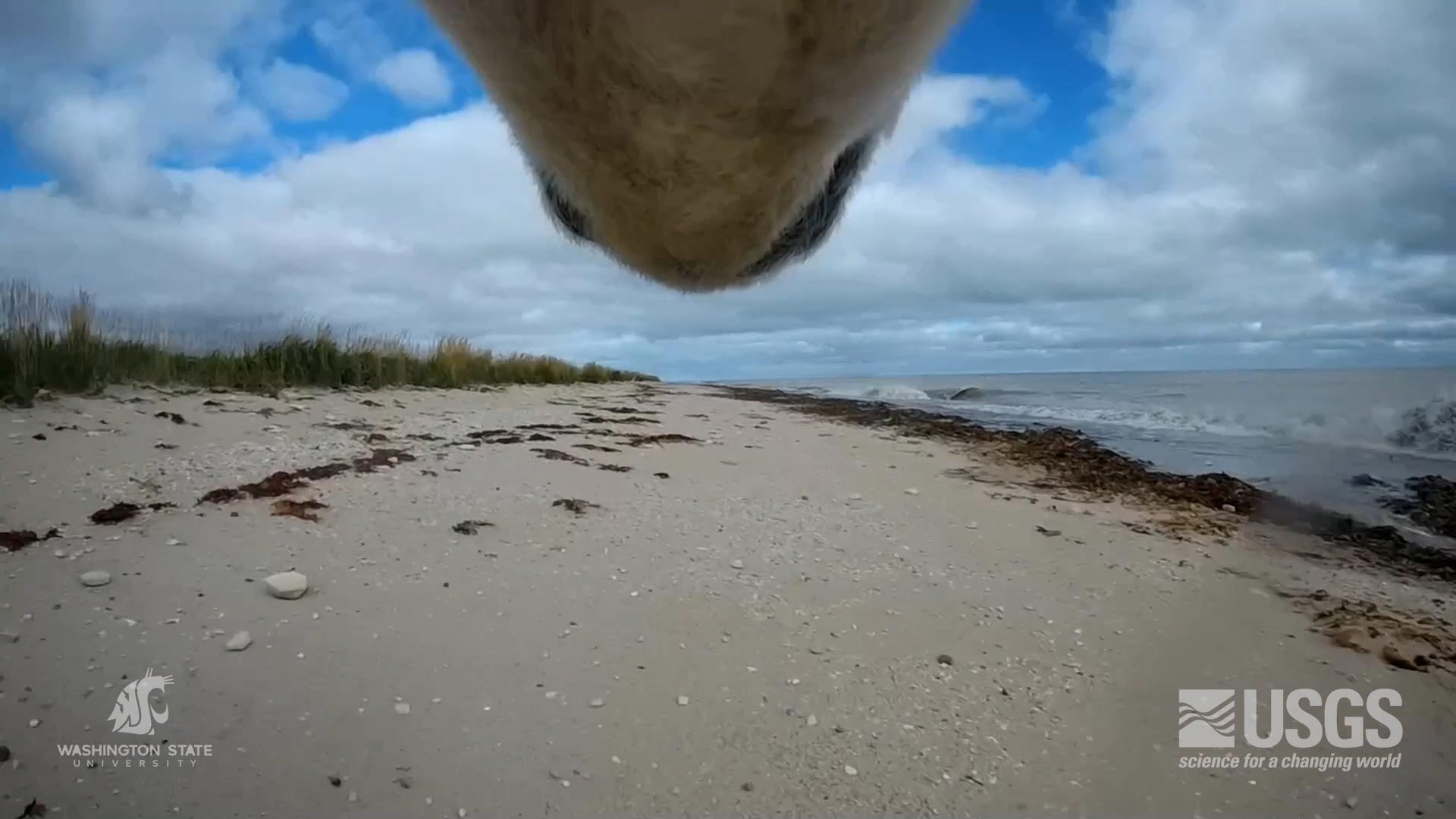
Images from polar bear collar cameras document activity through the summer season, and inform a new research study by USGS and Washington State University. Credit: U.S. Geological Survey and Washington State University
Usually larger than grizzly bears, adult male polar bears can reach 10 feet in length and weigh 1,500 pounds compared to grizzly bears’ 8 feet and 800 pounds. To maintain that great mass, polar bears rely on the energy-rich fat of seals, which they best catch on the ice.
Research Methodology and Findings
Little has been known about polar bear energy expenditure and behavior when confined to land, so researchers used collars with video cameras and GPS to track polar bears summering in the western Hudson Bay region of Manitoba, Canada. They wanted to see what the specialized ice hunters ate and did during the extended time on land when their preferred seal prey was out of reach.
The researchers also weighed the bears before and after the observation period and measured their energy expenditures.
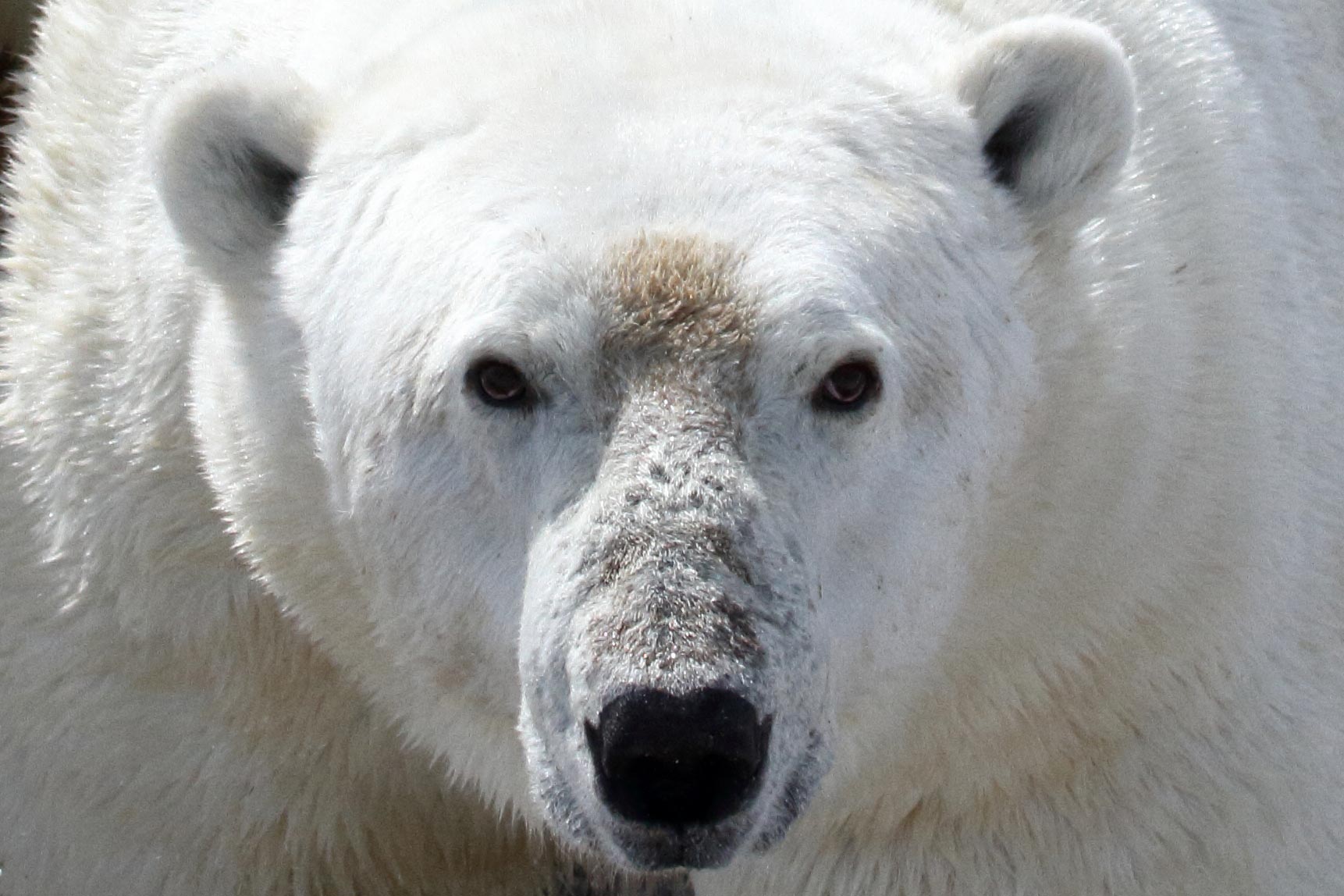
“We found a real diversity of bear behaviors, and as a result, we saw a diverse range of energy expenditures,” said lead author Anthony Pagano, a research wildlife biologist with the U.S. Geological Survey Polar Bear Research Program and former WSU post-doctoral researcher.
Many of the adult male polar bears simply laid down to conserve energy, burning calories at rates similar to hibernation. Others, actively searched for food, consuming bird and caribou carcasses as well as berries, kelp, and grasses.
In all, the researchers found a five-fold range in energy expenditure from an adult male that rested 98% of the time to the most active who clocked 330 kilometers (205 miles). Some adult females spent as much as 40% of their time foraging. Yet all that activity didn’t pay off.
“The terrestrial foods did give them some energetic benefit, but ultimately, the bears had to spend more energy to access those resources,” said Pagano.
Three polar bears went for long swims – one swimming 175 kilometers (about 110 miles) across the bay. Two found carcasses in the water, a beluga, and a seal, but neither bear could feed on their finds while swimming nor bring them back to land.
Only one bear out of the 20 gained weight after stumbling across a dead marine mammal on land.
Impact of Climate Change on Polar Bears
The study focused on the southernmost extent of the polar bear range in western Hudson Bay, where climate warming is likely impacting the bears at a faster rate than other Arctic regions. The polar bear population in the area has already declined by an estimated 30% since 1987. This study indicates that polar bears across the Arctic are at risk of starvation as the ice-free period continues to grow.
“As polar bears are forced on land earlier, it cuts into the period that they normally acquire the majority of the energy they need to survive,” said Pagano. “With increased land use, the expectation is that we’ll likely see increases in starvation, particularly with adolescents and females with cubs.”
Reference: “Polar bear energetic and behavioral strategies on land with implications for surviving the ice-free period” by Anthony M. Pagano, Karyn D. Rode, Nicholas J. Lunn, David McGeachy, Stephen N. Atkinson, Sean D. Farley, Joy A. Erlenbach and Charles T. Robbins, 13 February 2024, Nature Communications.
DOI: 10.1038/s41467-023-44682-1
This research received support from the National Science Foundation, Environment and Climate Change Canada, U.S. Geological Survey, U.S. Fish and Wildlife Service, San Diego Zoo Wildlife Alliance, Detroit Zoological Association, Polar Bears International, U.S. Bureau of Land Management and WSU.
Never miss a breakthrough: Join the SciTechDaily newsletter.
Follow us on Google and Google News.