
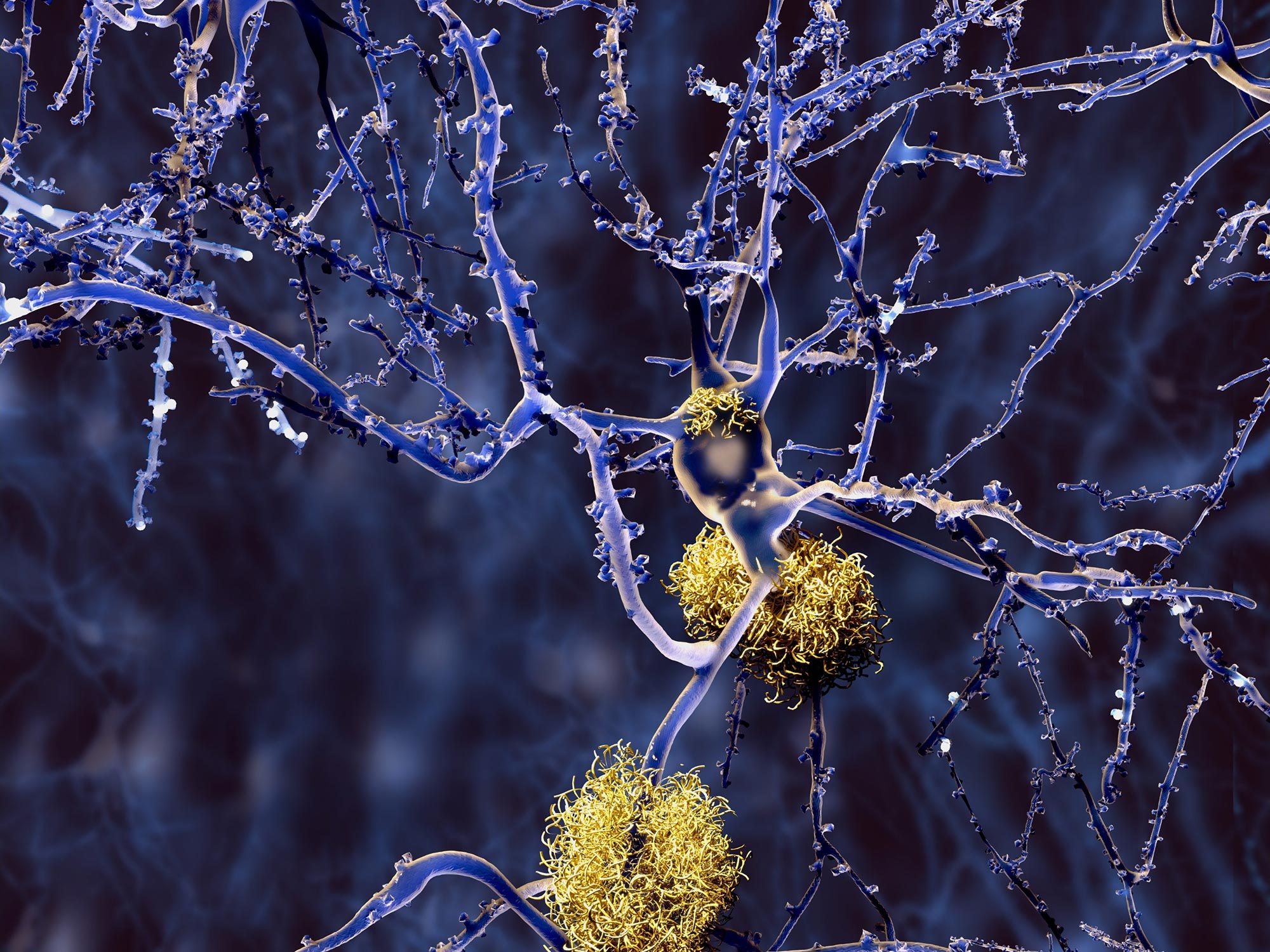
Proteins commonly associated with devastating brain diseases may have an unexpected role in reproduction.
Proteins commonly associated with Alzheimer’s and Parkinson’s disease may have a surprising function in human reproduction. Researchers at Columbia University’s Zuckerman Institute have discovered that amyloid fibrils, tiny protein fibers found in semen, can help transport RNA into sperm cells. The findings suggest a previously unknown pathway for moving genetic material into sperm and could eventually lead to new methods for delivering gene therapies.
Published in Molecular Cell, the research shows that amyloids can serve a useful biological purpose despite their association with neurodegenerative diseases. The scientists also demonstrated that these protein fibers can carry RNA molecules large enough to produce functional proteins in developing embryos.
The investigation grew out of earlier research showing that amyloid fibrils in semen can help HIV enter cells in the reproductive tract. Anthony Fitzpatrick, PhD, a Columbia researcher who studies amyloids in brain diseases, wondered whether these same structures might help transport the body’s own genetic material into sperm.
His team focused on RNA, a molecule involved in converting genetic instructions into proteins and regulating gene activity. Seminal fluid contains numerous small RNA molecules that may influence gene expression during embryonic development. However, scientists have not fully understood how these molecules move from semen into sperm.
HIV provided a potential connection because the virus uses RNA as its genetic material. If seminal amyloids could facilitate viral entry into cells, researchers reasoned, they might also help deliver free RNA molecules.
William Mallen, PhD, the study’s lead author, investigated whether amyloid fibrils could attach to RNA. The two have complementary electrical properties: amyloids carry a positive charge, while RNA is negatively charged. Using fluorescent markers, Mallen confirmed that the molecules bind together.
The researchers proposed that amyloids might also protect RNA during transport. RNA is relatively fragile and can be broken down by enzymes, whereas amyloid fibrils form highly stable structures. Encasing RNA within these fibers could potentially help preserve it, although that protective function has not yet been established.
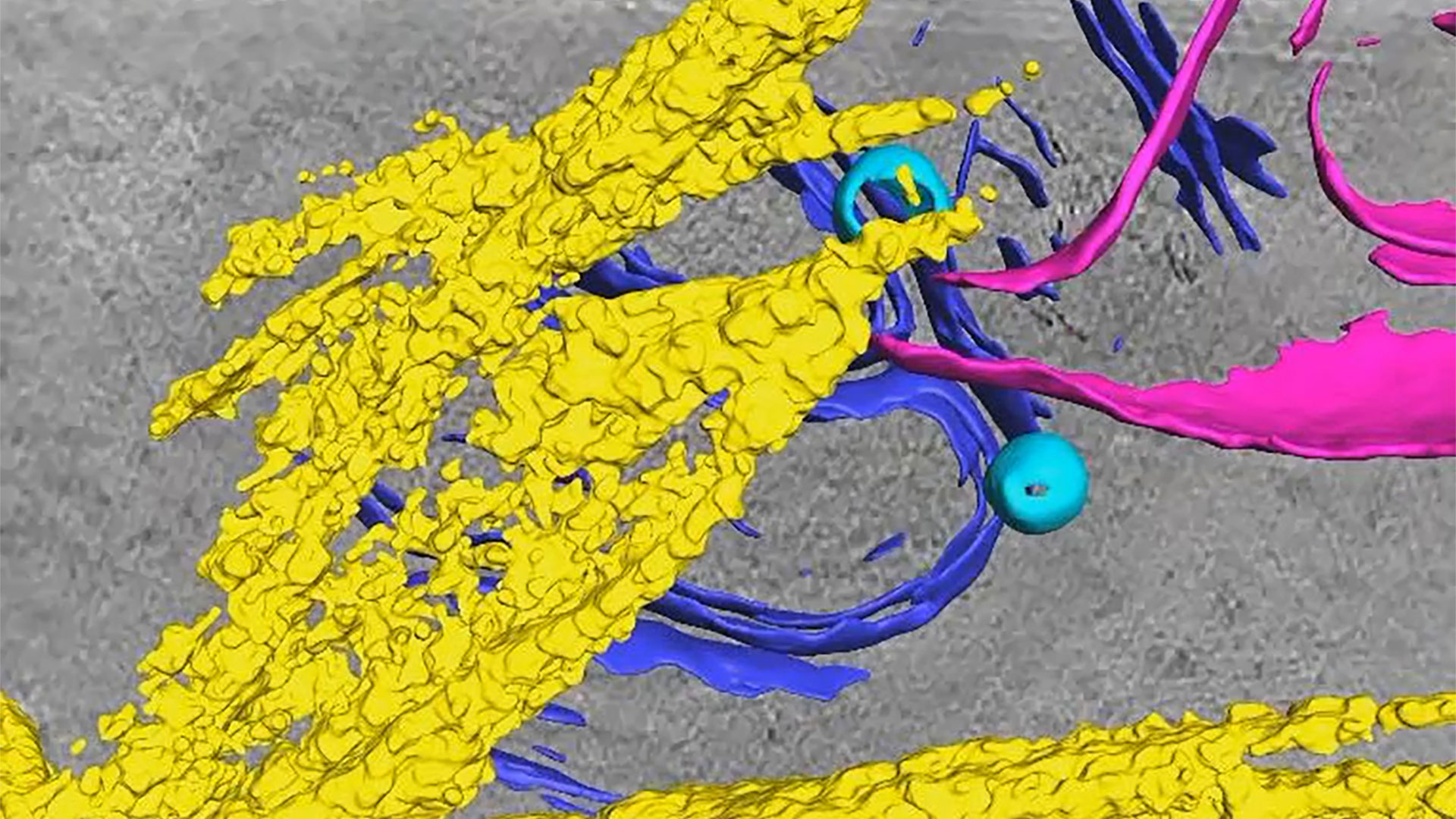
To determine whether the fibrils actually enter sperm, the team used cryo-electron tomography (cryo-ET), a powerful imaging technique that creates detailed three-dimensional views of frozen biological samples. Amyloid fibers marked with tiny gold particles were found inside sperm cells, confirming that they could cross the cell boundary rather than simply attach to its surface.
“Seeing those amyloid fibers inside sperm cells was just so extraordinary to me,” said Mallen, who is now a medical student at the University of Vermont. “There were hints of this happening earlier in our other experiments, but actually seeing this just totally blew us away.”
Additional experiments using fluorescent markers showed that amyloid fibrils greatly increased the amount of RNA entering sperm. The researchers also identified a possible mechanism for releasing the transported material: a protein called clusterin could help separate RNA from its amyloid carrier once inside cells.
The team tested whether the fibrils could deliver larger RNA molecules capable of directing protein production. Sperm exposed to amyloid-bound RNA encoding green fluorescent protein were used in fertilization experiments. The resulting embryos produced at least 10 times more of the fluorescent protein than embryos fertilized with sperm exposed to the same RNA without amyloids.
Previous studies have suggested that RNA carried by sperm can influence gene activity in offspring through epigenetic mechanisms, which regulate how genes are used without altering the underlying DNA sequence. Research in mice has also linked paternal transmission of certain metabolic conditions, including insulin resistance, to RNA-mediated processes.
Beyond reproduction, the findings could have implications for RNA delivery in medicine. Technologies such as CRISPR rely on RNA to guide gene-editing machinery toward specific DNA sequences, but getting these components safely and efficiently into cells remains a major challenge.
Some gene therapies use modified viruses to transport genetic material into cells. Although effective in many applications, viral delivery systems can provoke immune responses. Amyloid fibrils derived from human proteins might eventually provide another approach, although their safety and effectiveness as therapeutic carriers still require investigation.
“Since the amyloid fibrils we looked at are human-based, hopefully the immune system won’t react in the same way they do to the repurposed viruses often used in gene therapy,” Mallen said.
Reference: “Amyloid-mediated RNA uptake by sperm for embryonic delivery” by William S. Mallen, Nataliya Zabello, Susan Brenner-Morton, Simone Sidoli, Feng-Xia Liang, Joseph Sall, Jason Yin, Priyanka Mathews, Mengmeng Zhu, Guoan Zhang, Carolyn L. Lee, Ya-Cheng Liao and Anthony W.P. Fitzpatrick, 26 October 2026, Molecular Cell.
DOI: 10.1016/j.molcel.2026.10.004
This work was funded by the Hevolution Foundation, the ERC-CFAR Center for AIDS research, the Einstein-Mount Sinai Diabetes center, the NIH Office of the Director (S10OD030286), the Vagelos Precision Medicine Fund, and the NYU Langone Health Microscopy Laboratory (RRID: SCR_017934), which is partially funded by NYU Cancer Center Support Grant NCI P30CA016087.
Never miss a breakthrough: Join the SciTechDaily newsletter.
Follow us on Google and Google News.