
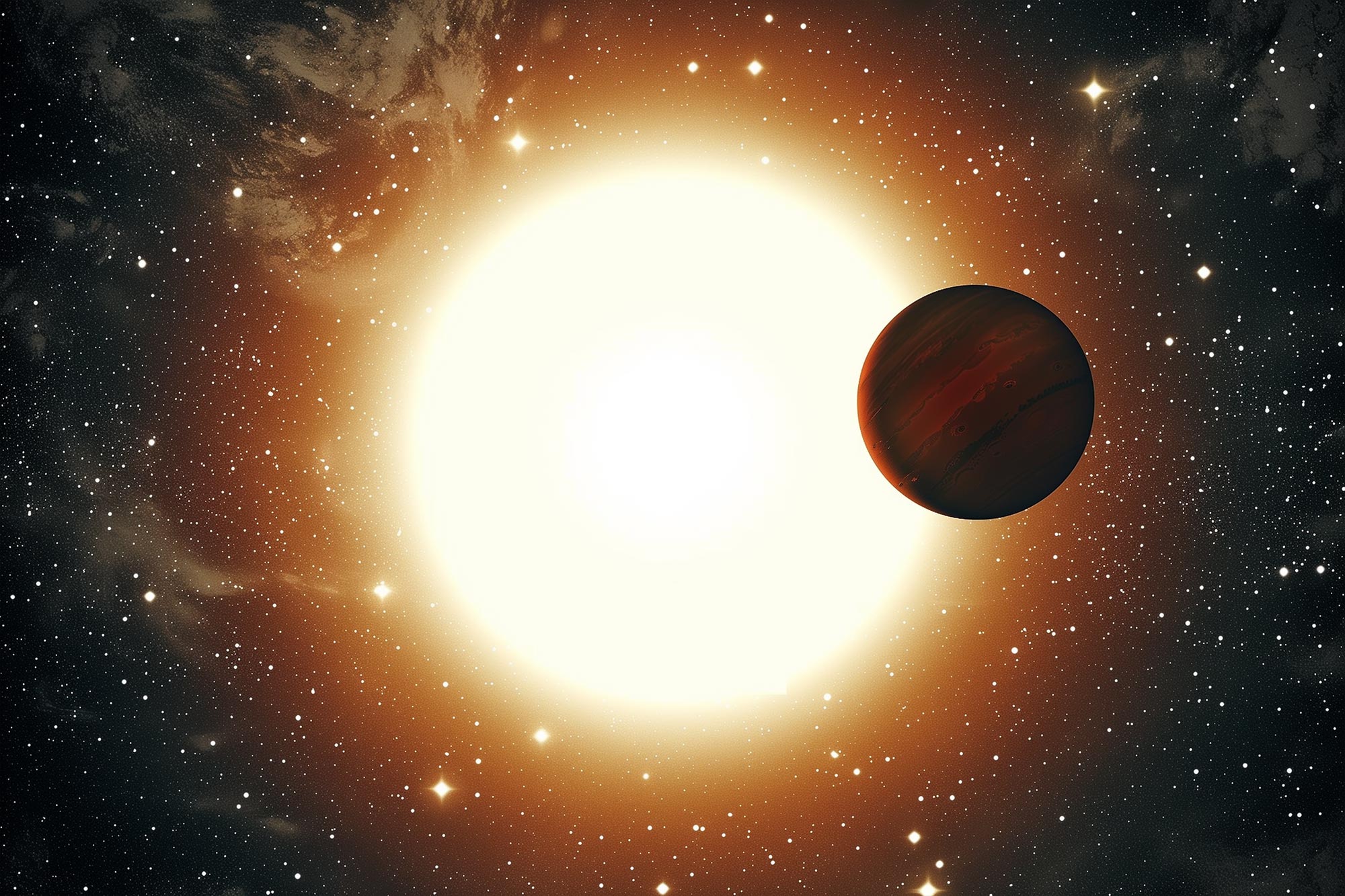
Amateur astronomers have made significant contributions to astronomy by confirming a new “warm Jupiter.”
Using backyard telescopes and collaborating with the SETI Institute, these citizen scientists played a crucial role in observing and characterizing the transit of a newly discovered exoplanet. Their findings, now published in the Astronomical Journal, underscore the value of global participation in space research, involving even high school students as co-authors.
Amateur Astronomers on the Hunt
Exoplanets, look out! Two NASA-funded teams of amateur astronomers are tracking you with their backyard telescopes.
These two teams, called UNITE (UNISTELLAR Network Investigating TESS Exoplanets) and Exoplanet Watch, have combined forces to confirm a new planetary discovery—a toasty “warm Jupiter.”
“I pinch myself every day when I recall that I have made a meaningful scientific contribution to astronomy by helping professional astronomers confirm and characterize a new exoplanet,” said Darren Rivett, a volunteer from Australia who contributed to the effort.
The Role of NASA’s TESS in Discovering Exoplanets
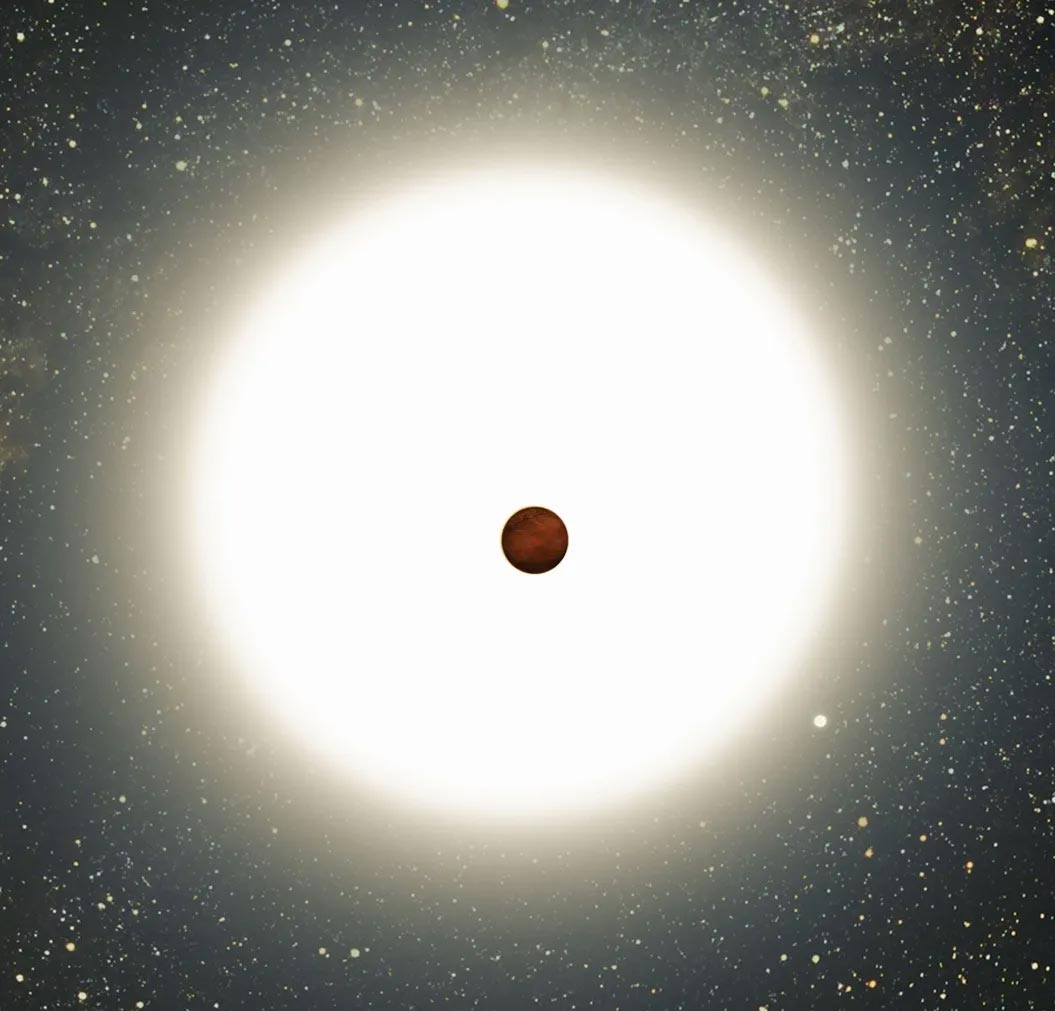
Planets around other stars, called exoplanets, sometimes block the light from the stars they orbit. When this happens, it’s called a “transit.” Amateur astronomers can observe exoplanet transits with their own telescopes by watching for the light from a nearby star to dim.
NASA’s Transiting Exoplanet Survey Satellite (TESS) sees these dimming events, too—many thousands of them. But just seeing a star dim once is not enough. You need to catch multiple dimming events (and perform various other checks) to know that you’ve found a new exoplanet.
That’s where volunteers from the UNITE and Exoplanet Watch projects come in.
Citizen Scientists Confirm New “Warm Jupiter”
These two teams of amateur astronomers have collaborated with the SETI Institute to detect the transit of an object called TIC 393818343 b (aka TOI 6883 b)—proving to the world that this object does indeed contain a planet orbiting a star.
First, the UNISTELLAR and SETI Institute team saw a single transit signal detected by the TESS space telescope. They gathered data to predict when the planet would transit again. They then alerted the UNITE and Exoplanet Watch amateurs to help observe the host star for signs of a transiting planet during the predicted time. The observations from the two networks showed two new transit detections, confirming the predictions, and demonstrating that a planet indeed causes the signals.
A New Addition to the Exoplanet Catalog
This newly discovered giant planet falls into the “warm Jupiter” category of exoplanets, meaning it orbits closer to its host star than Jupiter, or even the Earth does. Astronomers have even predicted that it might, under certain circumstances, migrate still further inward toward its star to become a “hot Jupiter.”
Hot or not, thanks to some terrific teamwork, we are now one step closer to understanding the population of planets that lies outside our own Solar System. The news is now published in the Astronomical Journal, and all the citizen scientists involved, including a high school student, are co-authors on this scientific publication, “Confirmation and Characterization of the Eccentric, Warm Jupiter TIC 393818343 b with a Network of Citizen Scientists.”
Getting Involved With UNITE
UNITE (UNISTELLAR Network Investigating TESS Exoplanets) uses the global network of observers with UNISTELLAR telescopes to gather data on TESS exoplanet candidates and long-duration exoplanet transits. To get involved, no matter what kind of telescope you have, visit https://science.unistellar.com/exoplanets/unite/ or reach out to [email protected].
Participation is open to everyone, regardless of citizenship. “What I find amazing about the NASA citizen science project is that they involve people from all around the world contributing meaningful observation data that leads to incredible discoveries!” Sophie Saibi, a high school student from California who participated. “Researching as a citizen scientist is something I highly recommend to anyone who gazes at the night sky with awe and wonder,” said Rivett.
Reference: “Confirmation and Characterization of the Eccentric, Warm Jupiter TIC 393818343 b with a Network of Citizen Scientists” by Lauren A. Sgro, Paul A. Dalba, Thomas M. Esposito, Franck Marchis, Diana Dragomir, Steven Villanueva, Benjamin Fulton, Mario Billiani, Margaret Loose, Nicola Meneghelli, Darren Rivett, Fadi Saibi, Sophie Saibi, Bryan Martin, Georgios Lekkas, Daniel Zaharevitz, Robert T. Zellem, Ivan A. Terentev, Robert Gagliano, Thomas Lee Jacobs, Martti H. Kristiansen, Daryll M. LaCourse, Mark Omohundro and Hans M. Schwengeler, 24 June 2024, The Astronomical Journal.
DOI: 10.3847/1538-3881/ad5096
Congratulations to everyone on the team! The amateur astronomers who coauthored this paper are listed below.
- Mario Billiani
- Robert Gagliano
- Martti H. Kristiansen
- Thomas Lee Jacobs
- Daryll M. LaCourse
- Georgios Lekkas
- Margaret Loose
- Bryan Martin
- Nicola Meneghelli
- Mark Omohundro
- Darren Rivett
- Fadi Saibi
- Sophie Saibi
- Hans M. Schwengeler
- Ivan A. Terentev
- Daniel Zaharevitz
Never miss a breakthrough: Join the SciTechDaily newsletter.
Follow us on Google and Google News.