
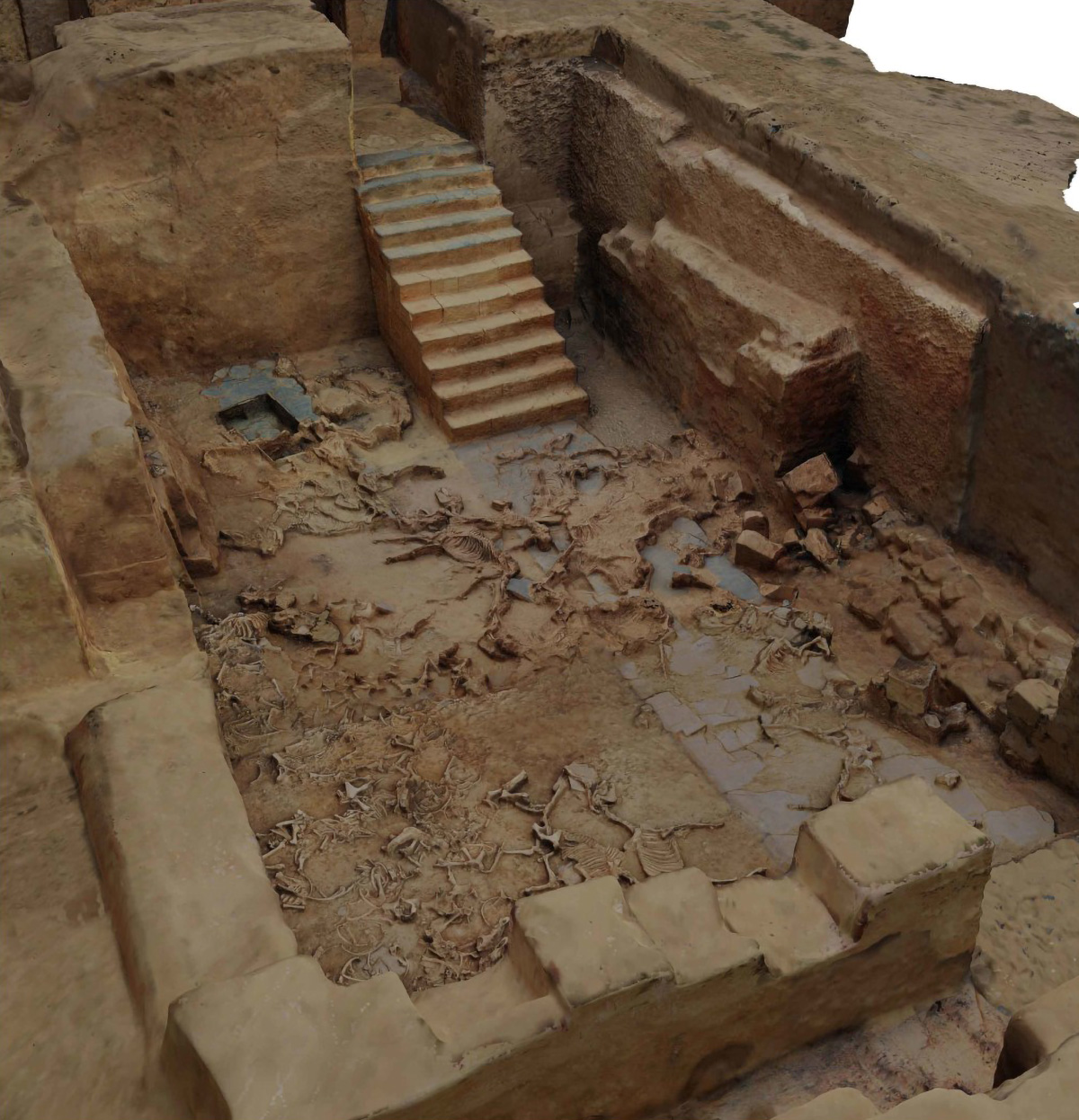
The Tartessians’ use of sustainable construction techniques and organized labor at the Casas del Turuñuelo site in Spain has been detailed in recent research, offering valuable lessons for modern construction.
Groundbreaking research by an international team reveals the construction process of the Casas del Turuñuelo site in Guareña, Badajoz, Spain, which stands as the best-preserved earthen building in the western Mediterranean.
The study, conducted by researchers from the Universities of Helsinki and Murcia, alongside the Institute of Archaeology (CSIC – Junta de Extremadura), sheds light on the advanced, sustainable construction methods and societal organization that allowed the Tartessians to thrive.
Esther Rodrigues Gonzales and Sebastian Celestino Perez, CSIC, have been in charge of the excavation of this amazing site since 2014.
Exploring Ancient Construction Techniques
Marta Lorenzon from the University of Helsinki, a key member of the research team, explains: “Our goal was to understand how the earthen materials were processed and used, the organization of labor, and the skill levels of the community involved in the construction. We aimed to shed light on the construction methods, environmental exploitation, and the socio-political structures that enabled the creation of such monumental architecture.”
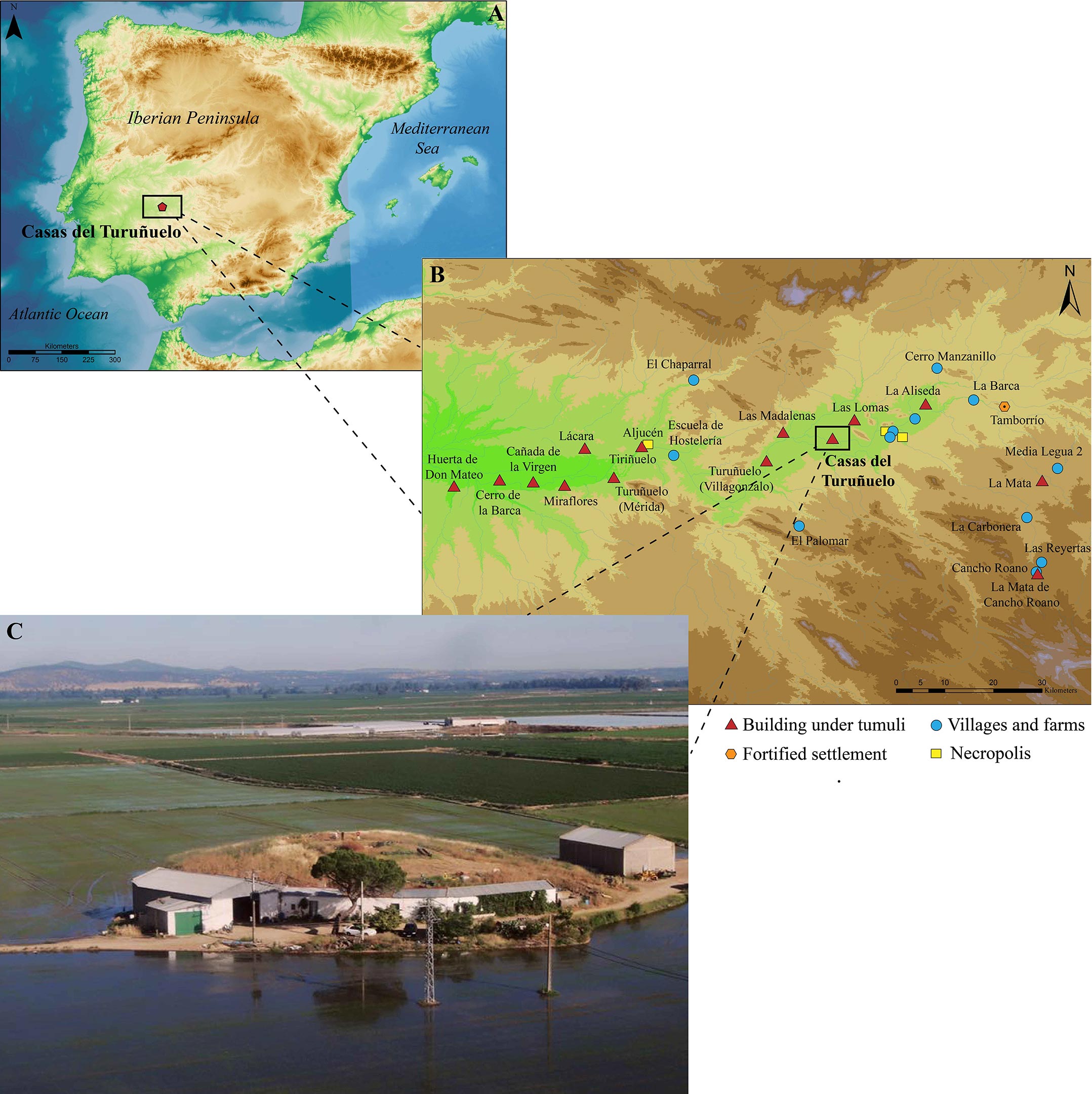
(Digital Terrain Model from OpenStreetMaps, QGIS version 3.4.6); (B) Map of the settlement of the Middle Guadiana Valley during the sixth/fifth centuries BC (DTM from Instituto Geográfico Nacional de España, QGIS version 3.4.6); (C) Aerial view of the Casas del Turuñuelo tumulus, 2017. Credit: Proyecto Construyendo Tarteso
Sustainable Methods and Cultural Insights
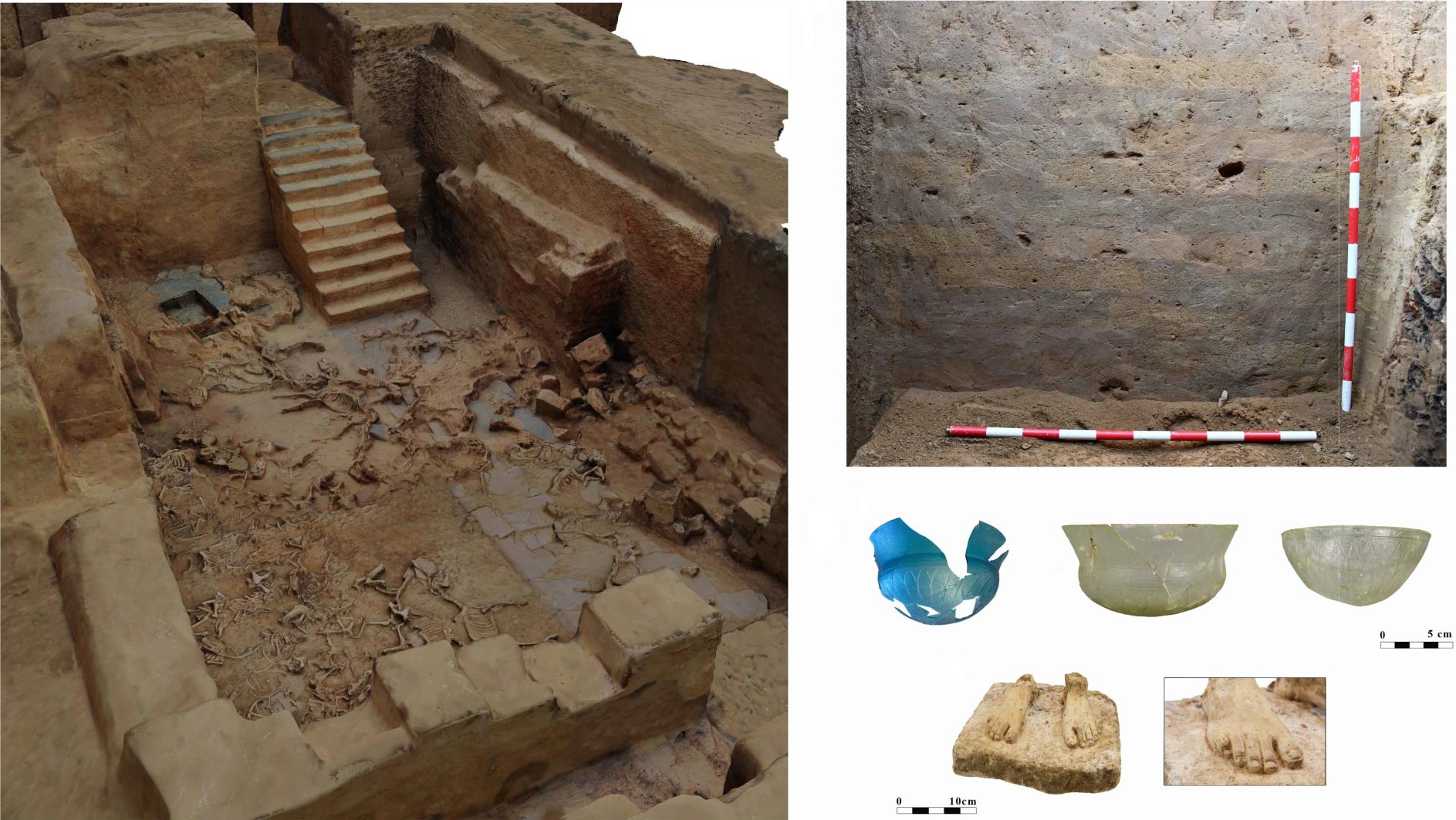
According to one of the co-writers of the research, Benjamín Cutillas Victoria, the Tartessians’ use of earthen construction was a highly adapted and sustainable approach, particularly in local environmental contexts. The fact that they thrived using this form of architecture adds a new dimension to the story of their building skills and culture, one that has not been emphasized in previous research.
This achievement not only highlights the advanced architectural skills of the Tartessians but also underscores their sustainable approach to building in harmony with their local environment.
Implications for Modern Construction and Project Management
“This research can help us better understand sustainable building practices from the past that might inspire modern construction. The use of local, natural resources in a coordinated manner could offer ideas for eco-friendly building approaches today,” Lorenzon states.
Additionally, understanding how ancient societies organized labor and resource management can provide lessons for modern-day project management and workforce coordination.
“The ability to reconstruct these ancient techniques provides invaluable insights into how this protohistoric culture thrived and adapted, offering a new dimension to our understanding of their ingenuity and resilience,” Lorenzon concludes.
Reference: “Hierarchical organization and skilled workforces for constructing the Tartessic earthen building at Casas del Turuñuelo (Guareña, Spain)” by Benjamín Cutillas-Victoria, Marta Lorenzon, Esther Rodríguez González and Sebastián Celestino Pérez, 31 August 2024, Scientific Reports.
DOI: 10.1038/s41598-024-70374-x
Never miss a breakthrough: Join the SciTechDaily newsletter.
Follow us on Google and Google News.