
Centuries-Old Lava Caves of Hawaiʻi Island Contain Thousands of Unknown Bacterial Species
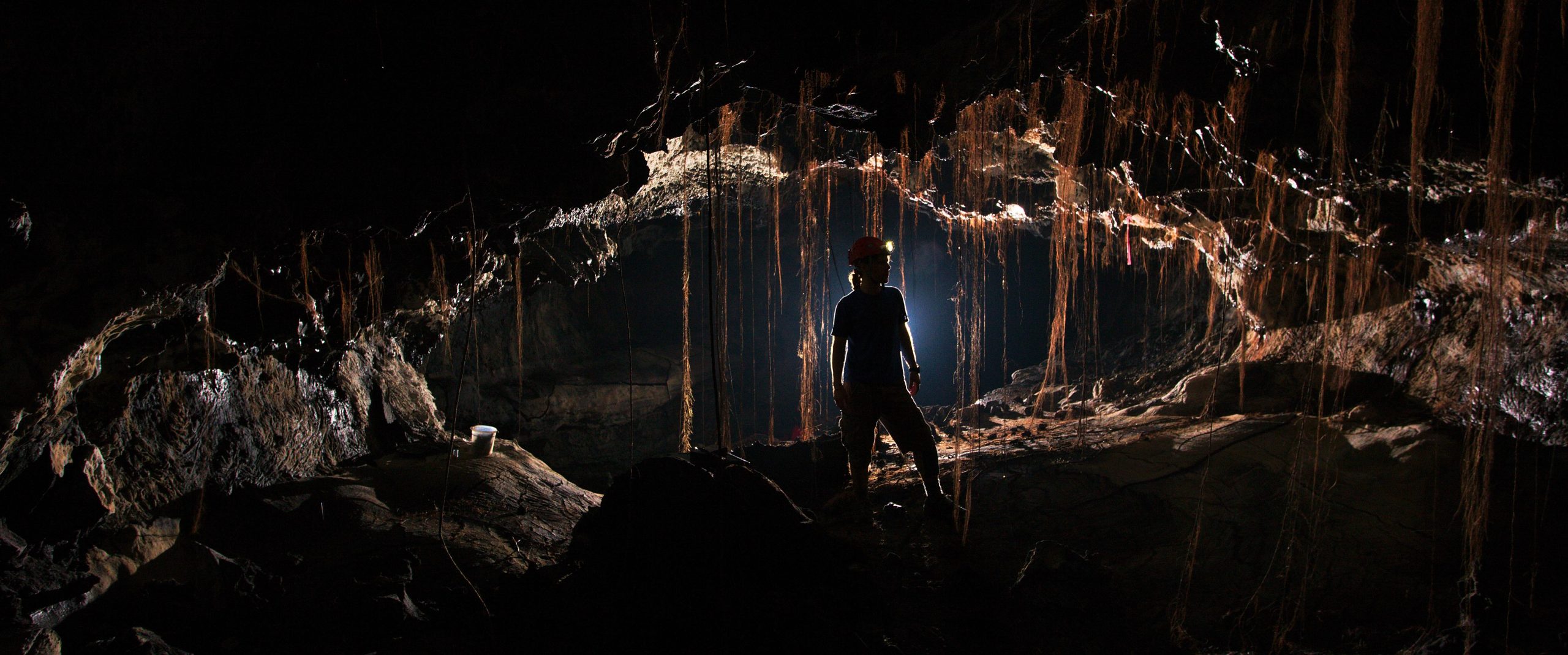
Higher bacterial diversity than scientists expected has been uncovered in the lava caves, lava tubes, and geothermal vents on the big island of Hawaiʻi. The findings have been reported in a new study published today (July 21, 2022) in the journal Frontiers in Microbiology.
This research investigates the variety and interactions within these microbial ecosystems, which illustrate how life may have existed on Mars and the early Earth in the past. Surprisingly, the findings showed that a class of bacteria known as Chloroflexi are often “hub” species, meaning that they are connected with many other species and typically play crucial ecological roles in the community. Many Chloroflexi species are little understood, and further research will reveal previously undiscovered species, as well as insights into the role these species play in these extreme environments.
“This study points to the possibility that more ancient lineages of bacteria, like the phylum Chloroflexi, may have important ecological ‘jobs,’ or roles,” said first author Dr. Rebecca D Prescott of NASA Johnson Space Center and University of Hawaiʻi at Manoa, in the US. “The Chloroflexi are an extremely diverse group of bacteria, with lots of different roles found in lots of different environments, but they are not well studied and so we don’t know what they do in these communities. Some scientists call such groups ‘microbial dark matter’ — the unseen or un-studied microorganisms in nature.”
Unseen Volcanic Life
Prescott and her colleagues gathered 70 samples from a variety of locations, including active geothermal vents (fumaroles), as well as “younger” and “older” lava tubes and caves, which were under 400 years old and between 500 and 800 years old, respectively, to get a sense of how the bacterial communities might change over time. They were able to determine the diversity and abundance of the bacterial classes in each sample by sequencing the ribosomal RNA present in the samples. Co-occurring bacterial networks also provided hints regarding possible interactions between these microorganisms.
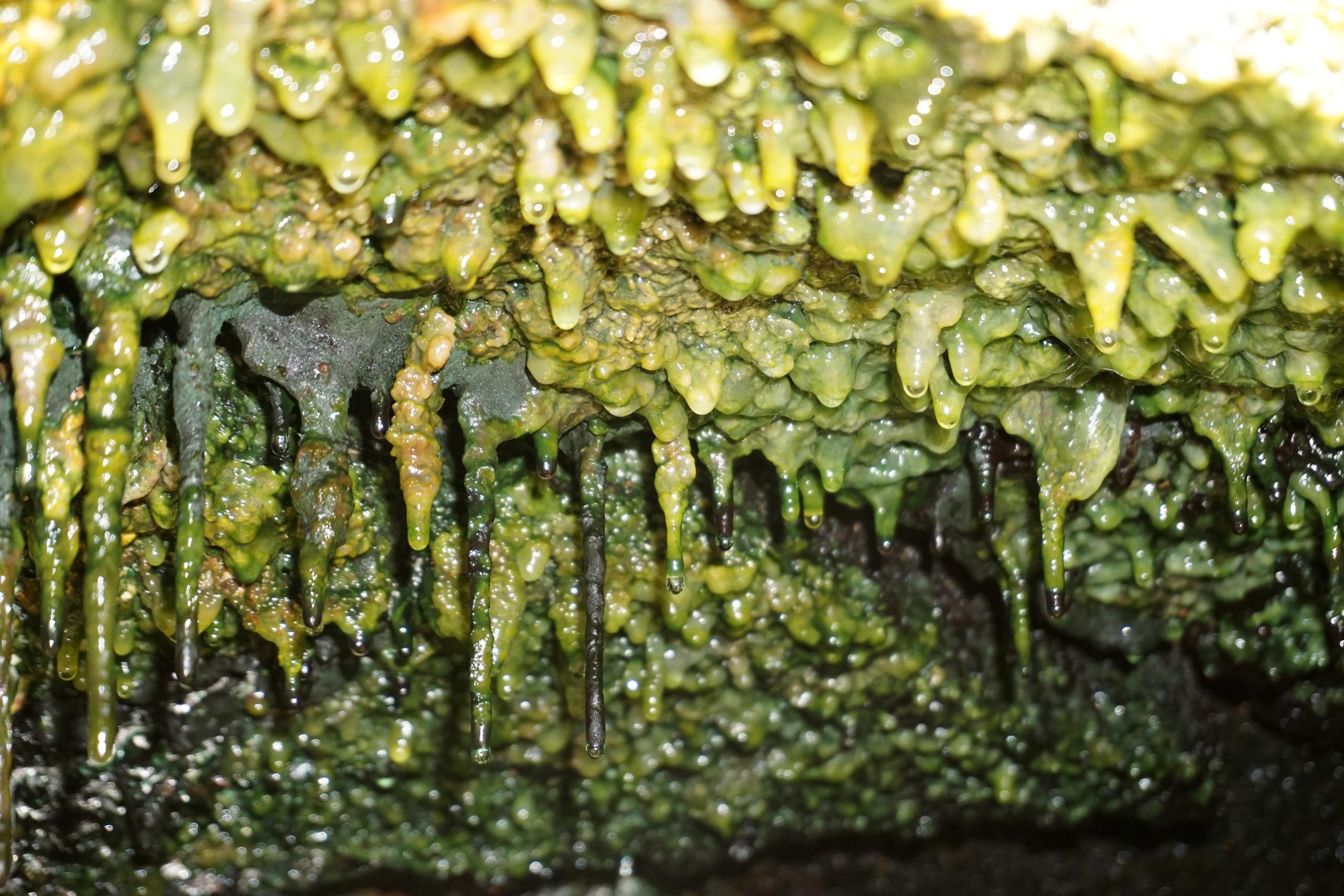
The harshest conditions—the geothermal sites—were expected to have lower diversity than the more established and habitable lava tubes. While the diversity was indeed found to be lower, the team of researchers was surprised to discover that the interactions within these communities were more complex than in locations with higher diversity.
“This leads to the question, do extreme environments help create more interactive microbial communities, with microorganisms more dependent on each other?” said Prescott. “And if so, what is it about extreme environments that helps to create this?”
Since Chloroflexi, and another class called Acidobacteria, were present at nearly all of the locations, they may play essential roles in these communities. However, these were not the most abundant bacteria, and the individual communities from the different sites showed large variations in the diversity and complexity of the microbial interactions. Counterintuitively, the most abundant groups, Oxyphotobacteria and Actinobacteria, were not often ‘hub’ species, suggesting that their roles may be less important to the overall structure of the community.
More Questions Than Answers
Since the current study was based on the partial sequencing of one gene, it cannot accurately determine the species of microbes or their ‘jobs’ in the community. Therefore, further research is needed to help reveal the individual species that are present, as well as to better understand these bacteria’s roles in the environment.
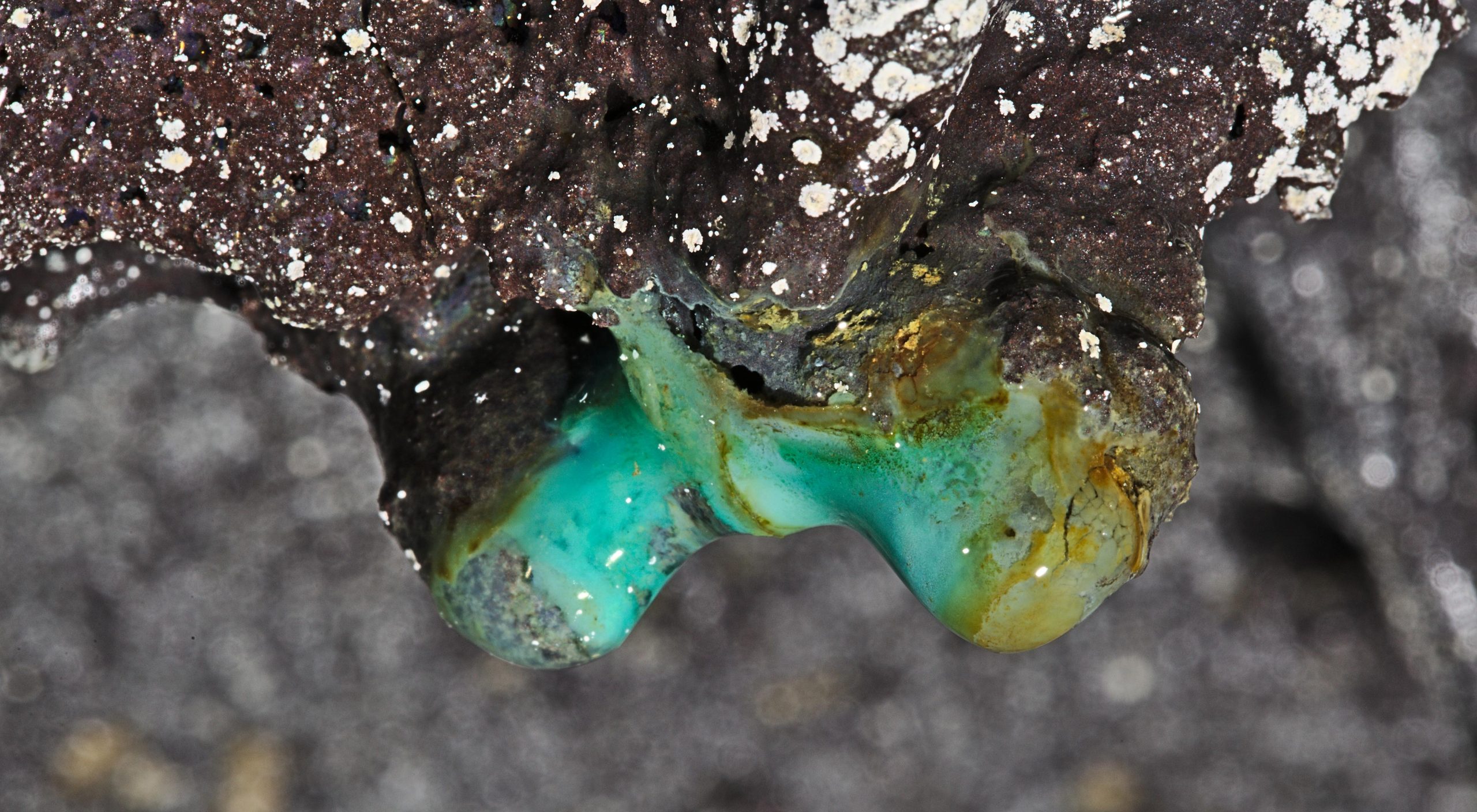
“Overall, this study helps to illustrate how important it is to study microbes in co-culture, rather than growing them alone (as isolates),” said Prescott. “In the natural world, microbes do not grow in isolation. Instead, they grow, live, and interact with many other microorganisms in a sea of chemical signals from those other microbes. This then can alter their gene expression, affecting what their jobs are in the community.”
Beyond the insights about past, or even future, life on Mars, bacteria from volcanic environments can also be useful in understanding how microbes turn volcanic rock (basalt) into soils, as well as bioremediation, biotechnology, and sustainable resource management.
Reference: “Islands Within Islands: Bacterial Phylogenetic Structure and Consortia in Hawaiian Lava Caves and Fumaroles” by Rebecca D. Prescott, Tatyana Zamkovaya, Stuart P. Donachie, Diana E. Northup, Joseph J. Medley, Natalia Monsalve, Jimmy H. Saw, Alan W. Decho, Patrick S. G. Chain and Penelope J. Boston, 21 July 2022, Frontiers in Microbiology.
DOI: 10.3389/fmicb.2022.934708
Funding: NASA Headquarters, George Washington University
Never miss a breakthrough: Join the SciTechDaily newsletter.
Follow us on Google and Google News.