
Close Menu
    Facebook X (Twitter) Instagram
    SciTechDaily
    • Biology
    • Chemistry
    • Earth
    • Health
    • Physics
    • Science
    • Space
    • Technology
    Facebook X (Twitter) Pinterest YouTube RSS
    SciTechDaily
    Home»Earth»Antarctica’s Emerald Awakening: The Incredible Surge of Plant Life in a Frozen Continent
    Earth

    Antarctica’s Emerald Awakening: The Incredible Surge of Plant Life in a Frozen Continent

    By University of ExeterOctober 4, 20241 Comment4 Mins Read
    Facebook Twitter Pinterest Telegram LinkedIn WhatsApp Email Reddit
    Share
    Facebook Twitter LinkedIn Pinterest Telegram Email Reddit
    Ardley Island
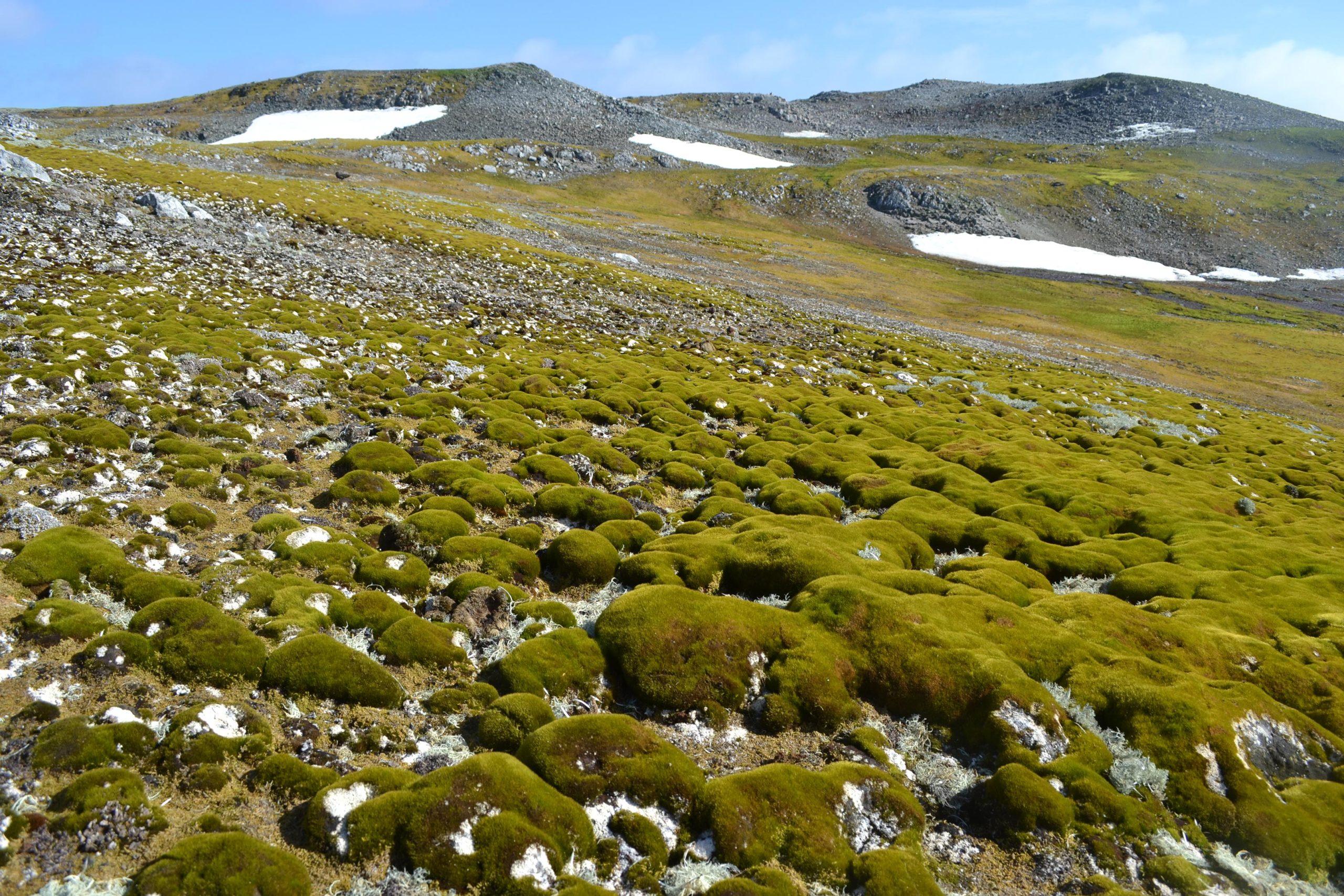
    Ardley Island, nestled close to the southern tip of King George Island in the South Shetland Islands of Antarctica, serves as a crucial habitat for wildlife, including several species of seabirds. The island is renowned for its significant penguin colonies, particularly gentoo penguins, and has been designated as an Important Bird Area to protect its diverse avian population. Credit: Dan Charman

    Over the last four decades, the Antarctic Peninsula has witnessed a dramatic increase in vegetation, with coverage expanding from less than one square kilometer in 1986 to nearly 12 square kilometers by 2021.

    This greening, primarily attributed to climate warming, is accelerating, threatening fundamental ecological shifts and the introduction of invasive species due to human activity.

    Rapid Vegetation Growth in Antarctic Peninsula

    New research reveals that vegetation cover on the Antarctic Peninsula has expanded by more than ten times in the past forty years. This region, similar to other polar areas, is experiencing a warming trend that surpasses the global average, accompanied by an increase in extreme heat events.

    The new study – by the universities of Exeter and Hertfordshire, and the British Antarctic Survey – used satellite data to assess how much the Antarctic Peninsula has been “greening” in response to climate change.

    It found that the area of vegetation cover across the Peninsula increased from less than one square kilometer in 1986 to almost 12 square kilometers by 2021.

    Norsel Point
    Norsel Point, positioned on the western coast of Anvers Island in the Palmer Archipelago, is a notable geographical landmark in Antarctica known for its historical significance to scientific expeditions. The point was frequently used as a base for summer research activities, particularly in marine biology, due to its proximity to diverse marine ecosystems. Credit: Dan Charman

    Acceleration of Plant Growth in Harsh Conditions

    Published today (October 4) in the journal Nature Geoscience, the study also found this greening trend accelerated by over 30% in recent years (2016-2021) relative to the full study period (1986-2021) – expanding by over 400,000 square meters per year in this period.

    In a previous study, which examined core samples taken from moss-dominated ecosystems on the Antarctic Peninsula, the team found evidence that rates of plant growth had increased dramatically in recent decades.

    This new study uses satellite imagery to confirm that a widespread greening trend, across the Antarctic Peninsula, is underway and accelerating.

    Green Island
    Green Island lies off the coast of the Antarctic Peninsula, enveloped by the icy waters of the Weddell Sea. This remote island is characterized by its rocky outcrops and sparse vegetation, typical of the Antarctic region. It serves as an important research site for studying climatic changes and wildlife patterns, particularly the migratory seabirds that nest along its shores. Credit: Matt Amesbury

    Impact and Future Implications of Vegetation Increase

    “The plants we find on the Antarctic Peninsula – mostly mosses – grow in perhaps the harshest conditions on Earth,” said Dr. Thomas Roland, from the University of Exeter.

    “The landscape is still almost entirely dominated by snow, ice, and rock, with only a tiny fraction colonized by plant life.

    “But that tiny fraction has grown dramatically – showing that even this vast and isolated ‘wilderness’ is being affected by anthropogenic climate change.”

    Dr. Olly Bartlett, from the University of Hertfordshire, added: “As these ecosystems become more established – and the climate continues to warm – it’s likely that the extent of greening will increase.

    “Soil in Antarctica is mostly poor or non-existent, but this increase in plant life will add organic matter, and facilitate soil formation – potentially paving the way for other plants to grow.

    “This raises the risk of non-native and invasive species arriving, possibly carried by eco-tourists, scientists or other visitors to the continent.”

    The researchers emphasize the urgent need for further research to establish the specific climate and environmental mechanisms that are driving the “greening” trend.

    “The sensitivity of the Antarctic Peninsula’s vegetation to climate change is now clear and, under future anthropogenic warming, we could see fundamental changes to the biology and landscape of this iconic and vulnerable region,” said Dr. Roland.

    He added: “Our findings raise serious concerns about the environmental future of the Antarctic Peninsula, and of the continent as a whole. In order to protect Antarctica, we must understand these changes and identify precisely what is causing them.”

    The researchers are now investigating how recently deglaciated (ice-free) landscapes are colonized by plants, and how the process might proceed into the future.

    Reference: “Sustained greening of the Antarctic Peninsula observed from satellites” by Thomas P. Roland, Oliver T. Bartlett, Dan J. Charman, Karen Anderson, Dominic A. Hodgson, Matthew J. Amesbury, Ilya Maclean, Peter T. Fretwell and Andrew Fleming, 4 October 2024, Nature Geoscience.
    DOI: 10.1038/s41561-024-01564-5

    Never miss a breakthrough: Join the SciTechDaily newsletter.
    Follow us on Google and Google News.

    Antarctica Climate Change Climate Science University of Exeter
    Share. Facebook Twitter Pinterest LinkedIn Email Reddit

    Related Articles

    Climate “Tipping Points” Need Not Be the End of the World – Disastrous Consequences Could Be Averted

    Evidence of Antarctic Glacier’s Tipping Point Confirmed for First Time – Risk of Rapid and Irreversible Retreat

    Weird Asymmetry: Nights Warming Faster Than Days Across Much of the Planet

    Oops! The World’s Oceans Soak Up Far More Carbon Than Most Scientific Models Suggest

    Ancient Antarctica Rainforest Discovery Suggests Prehistoric World Much Warmer Than Thought

    Pioneering New Research Disputes “Wavier” Jet Stream Due to Arctic Warming

    Alarming Discovery in Antarctica Serves as Warning Signal for Sea-Level Rise

    HELIX Projects Warns Some Climate Change Impacts Locked In, Worst Can Still Be Avoided

    Satellite Records Show Antarctic Sea Ice Reaches New Record Maximum

    1 Comment

    1. Kelly on October 15, 2024 10:26 am

      I always thought the design of Project Ice Cube closely resembled that of a bioreactor. Perhaps a leap to far but what amazing changes in/on our Earth

      Reply
    Leave A Reply Cancel Reply

    • Facebook
    • Twitter
    • Pinterest
    • YouTube

    Don't Miss a Discovery

    Subscribe for the Latest in Science & Tech!

    Trending News

    Scientists Uncover Potential Brain Risks of Popular Fish Oil Supplements

    Scientists Discover a Surprising Way To Make Bread Healthier and More Nutritious

    After 60 Years, Scientists Uncover Unexpected Brain Effects of Popular Diabetes Drug Metformin

    New Research Uncovers Hidden Side Effects of Popular Weight-Loss Drugs

    Scientists Rethink Extreme Warming After Surprising Ocean Discovery

    Landmark Study Links Never Marrying to Significantly Higher Cancer Risk

    Researchers Discover Unknown Beetle Species Just Steps From Their Lab

    Largest-Ever Study Finds Medicinal Cannabis Ineffective for Anxiety, Depression, PTSD

    Follow SciTechDaily
    • Facebook
    • Twitter
    • YouTube
    • Pinterest
    • Newsletter
    • RSS
    SciTech News
    • Biology News
    • Chemistry News
    • Earth News
    • Health News
    • Physics News
    • Science News
    • Space News
    • Technology News
    Recent Posts
    • Common Blood Pressure Drug Shows Surprising Power Against Deadly Antibiotic-Resistant Superbug
    • Students Build Dark Matter Detector and Set New Experimental Limits
    • Scientists Discover Caffeine Can Repair Key Memory Circuits After Sleep Loss
    • Strange 65-Foot Dinosaur Discovered in Argentina
    • Researchers Uncover Source of Strange Deformation in Earth’s Largest Continental Rift
    Copyright © 1998 - 2026 SciTechDaily. All Rights Reserved.
    • Science News
    • About
    • Contact
    • Editorial Board
    • Privacy Policy
    • Terms of Use

    Type above and press Enter to search. Press Esc to cancel.