
Close Menu
    Facebook X (Twitter) Instagram
    SciTechDaily
    • Biology
    • Chemistry
    • Earth
    • Health
    • Physics
    • Science
    • Space
    • Technology
    Facebook X (Twitter) Pinterest YouTube RSS
    SciTechDaily
    Home»Chemistry»Battery of the Future? Innovative Battery Chemistry Revolutionizes Zinc-Air Battery
    Chemistry

    Battery of the Future? Innovative Battery Chemistry Revolutionizes Zinc-Air Battery

    By University of MünsterJanuary 14, 20211 Comment2 Mins Read
    Facebook Twitter Pinterest Telegram LinkedIn WhatsApp Email Reddit
    Share
    Facebook Twitter LinkedIn Pinterest Telegram Email Reddit
    Non-Alkaline Aqueous Electrolyte
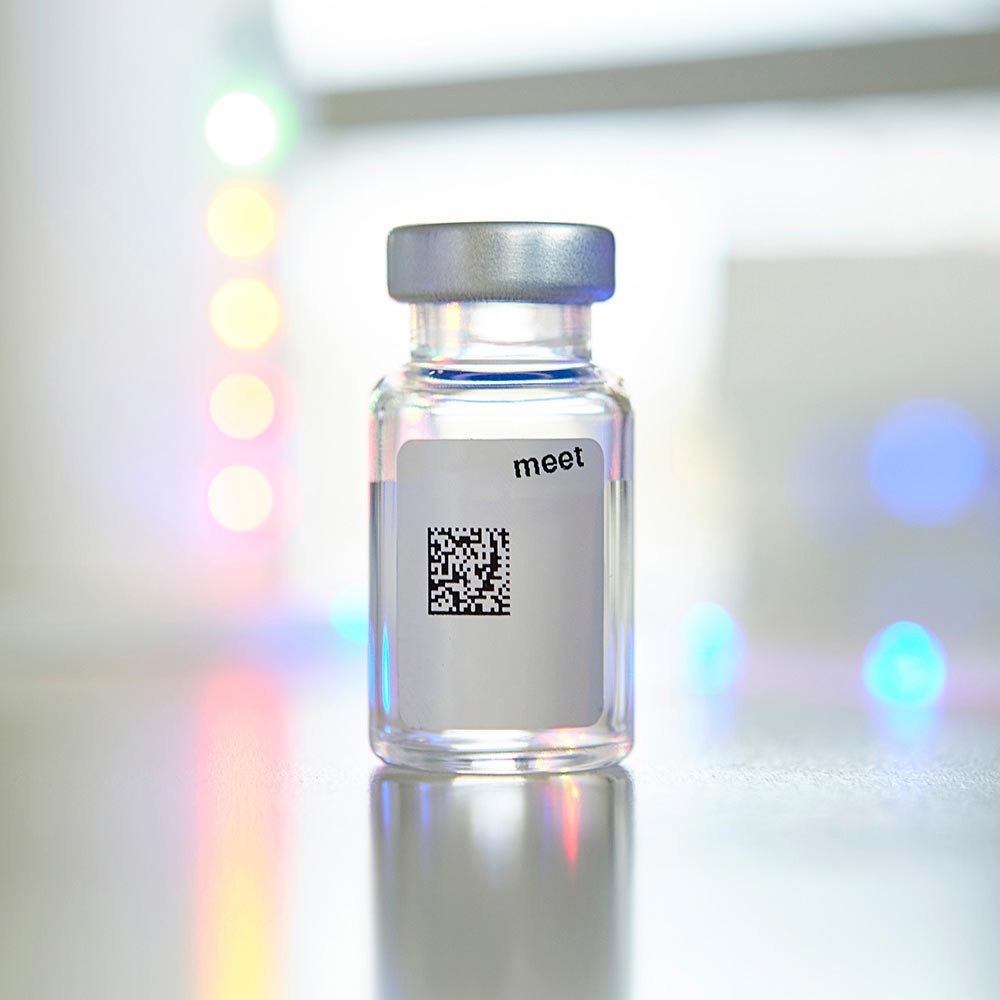
    The basis of the innovative battery chemistry for the zinc-air battery is a non-alkaline, aqueous electrolyte. Credit: WWU – MEET (Judith Kraft)

    International Research Cooperation for Sustainable Batteries of the Future

    High-performance, eco-friendly, safe, and at the same time cost-effective: the zinc-air battery is an attractive energy storage technology of the future.

    Until now, the conventional zinc-air battery has struggled with a high chemical instability, parasitic reactions which rooted in the usage of alkaline electrolytes lead to electrochemical irreversibility. Based on an innovative, non-alkaline, aqueous electrolyte, an international research team led by scientist Dr. Wei Sun of MEET Battery Research Center at the University of Muenster has developed a new battery chemistry for the zinc-air battery which overcomes the previous technical obstacles.

    The scientific team has published the detailed results of their research project, involving researchers from Fudan University in Shanghai, the University of Science and Technology in Wuhan, the University of Maryland, and the US Army Research Laboratory, in the journal Science.

    Key Parameters of the Zinc-Air Battery Optimized

    “Our innovative, non-alkaline electrolyte brings a previously unknown reversible zinc peroxide (ZnO2)/O2 chemistry into the zinc-air battery,” explains Dr. Wei Sun. Compared with the conventionally strong alkaline electrolytes, the newly developed non-alkaline aqueous electrolyte, which is based on the zinc trifluoromethanesulfonate salt, has several decisive advantages: The zinc anode is used more efficiently with a higher chemical stability and electrochemical reversibility. The full zinc-air batteries thus constructed can long-term operate stably for 320 cycles and 1,600 hours under ambient air atmosphere.

    The mechanism of this ZnO2/O2 battery chemistry and the role of the hydrophobic trifluoromethanesulfonate anion were systematically revealed using well-designed electrochemical, analytical techniques, and multiscale simulations. The identified increased energy density has now the potential to compete with the lithium-ion battery currently dominating the market.

    “The zinc-air battery provides a potential alternative battery technology with advantages such as environmental friendliness, high safety, and low costs,” emphasizes Sun. “This technology still requires further, intensive research and optimization before its practical application.”

    Reference: “A rechargeable zinc-air battery based on zinc peroxide chemistry” by Wei Sun, Fei Wang, Bao Zhang, Mengyi Zhang, Verena Küpers, Xiao Ji, Claudia Theile, Peter Bieker, Kang Xu, Chunsheng Wang and Martin Winter, 1 January 2021, Science.
    DOI: 10.1126/science.abb9554

    Never miss a breakthrough: Join the SciTechDaily newsletter.
    Follow us on Google and Google News.

    Battery Technology Energy University of Münster
    Share. Facebook Twitter Pinterest LinkedIn Email Reddit

    Related Articles

    MIT Uses Neutrons in Drive to Improve Energy Storage in Supercapacitors

    Ecological Power Storage Battery Made of Vanillin, the Main Flavor Component of Vanilla

    Scientists Use Fruit Peel to Turn Old Lithium-Ion Batteries Into New

    Solar Flow Battery: Single Device Generates, Stores and Redelivers Renewable Electricity From the Sun

    New Re-Attachable & Flexible “Sticker-Type” Rechargeable Batteries

    Scientists Explore Hazards of Pushing Lithium-Ion Cells Too Far [Video]

    Post-Lithium Technology: High-Energy-Density Next-Generation Rechargeable Batteries

    New Electrolyte Improves Cycle Life of Next-Generation Lithium-Ion Batteries

    New Concept Enables More Eco-Friendly Batteries With Twice the Energy Density

    1 Comment

    1. Peter C on January 15, 2021 12:25 am

      What is the energy density, (watts per kg)? What is the cost per kw?

      Reply
    Leave A Reply Cancel Reply

    • Facebook
    • Twitter
    • Pinterest
    • YouTube

    Don't Miss a Discovery

    Subscribe for the Latest in Science & Tech!

    Trending News

    Scientists Discover 132-Million-Year-Old Dinosaur Tracks on South Africa’s Coast

    Scientists Uncover the Secret Ingredient Behind the Spark That May Have Started Life on Earth

    Physicists Observe Matter in Two Places at Once in Mind-Bending Quantum Experiment

    Stanford Scientists Discover Hidden Brain Circuit That Fuels Chronic Pain

    New Study Reveals Why Ozempic Works Better for Some People Than Others

    Climate Change Is Altering a Key Greenhouse Gas in a Way Scientists Didn’t Expect

    New Study Suggests Gravitational Waves May Have Created Dark Matter

    Scientists Discover Why the Brain Gets Stuck in Schizophrenia

    Follow SciTechDaily
    • Facebook
    • Twitter
    • YouTube
    • Pinterest
    • Newsletter
    • RSS
    SciTech News
    • Biology News
    • Chemistry News
    • Earth News
    • Health News
    • Physics News
    • Science News
    • Space News
    • Technology News
    Recent Posts
    • The Surprising Non-Medical Factor That Determines Cancer Survival
    • Python Blood Could Hold the Secret to Weight Loss Without Side Effects
    • Naturally Occurring Bacteria Completely Eradicate Tumors in Mice With a Single Dose
    • The Ideal Temperature for Storing Mangoes Isn’t What You Think
    • Groundbreaking Enzyme Atlas Rewrites Decades of Biology Research
    Copyright © 1998 - 2026 SciTechDaily. All Rights Reserved.
    • Science News
    • About
    • Contact
    • Editorial Board
    • Privacy Policy
    • Terms of Use

    Type above and press Enter to search. Press Esc to cancel.