
Close Menu
    Facebook X (Twitter) Instagram
    SciTechDaily
    • Biology
    • Chemistry
    • Earth
    • Health
    • Physics
    • Science
    • Space
    • Technology
    Facebook X (Twitter) Pinterest YouTube RSS
    SciTechDaily
    Home»Space»Blinky, Pinky, Inky, and Clyde: NASA’s Starling CubeSats Take Flight in Swarm Experiment
    Space

    Blinky, Pinky, Inky, and Clyde: NASA’s Starling CubeSats Take Flight in Swarm Experiment

    By NASADecember 15, 20231 Comment3 Mins Read
    Facebook Twitter Pinterest Telegram LinkedIn WhatsApp Email Reddit
    Share
    Facebook Twitter LinkedIn Pinterest Telegram Email Reddit
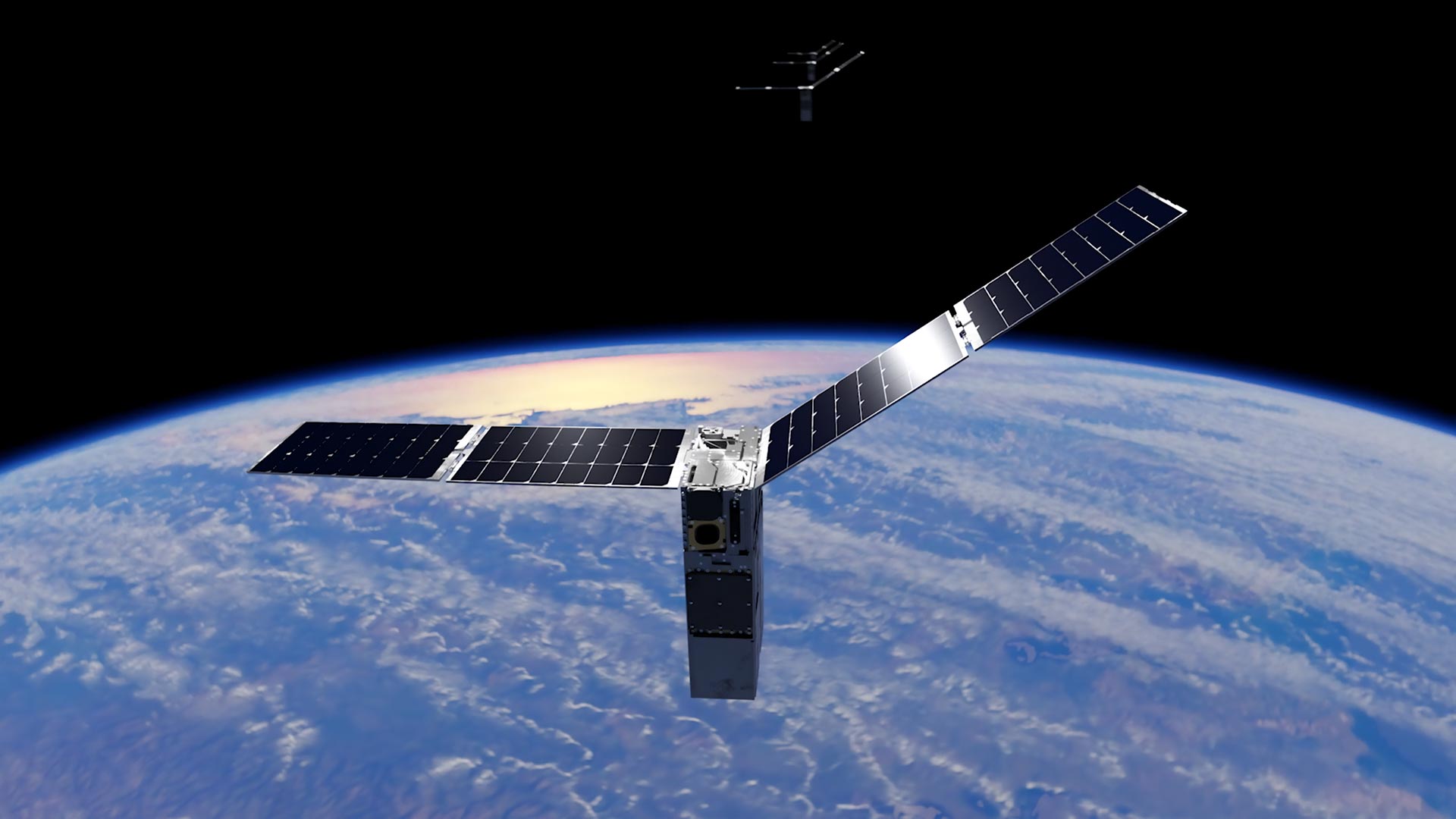
    NASA Starling
    NASA’s Starling mission will test new technologies for autonomous swarm navigation on four CubeSats in low-Earth orbit. Credit: NASA’s Ames Research Center

    NASA’s four Starling spacecraft, Blinky, Pinky, Inky, and Clyde, have successfully completed commissioning and are now in swarm experiment configuration. The spacecraft have successfully completed several mission activities working to advance satellite swarm technologies.

    Payload commissioning was delayed due to several anomalies the team needed to investigate, including a larger volume of GPS satellite data than expected in the spacecraft to payload interface. Software updates have resolved most of these issues and the CubeSats are beginning their planned work.

    Starling’s mission includes four main capabilities: network communications between the spacecraft, maintaining relative navigation and understanding each satellite’s position, autonomous swarm reconfiguration and maintenance to ensure the swarm can adjust when moving as a group, and distributed science autonomy to prove the ability to adjust experiment activities on their own.
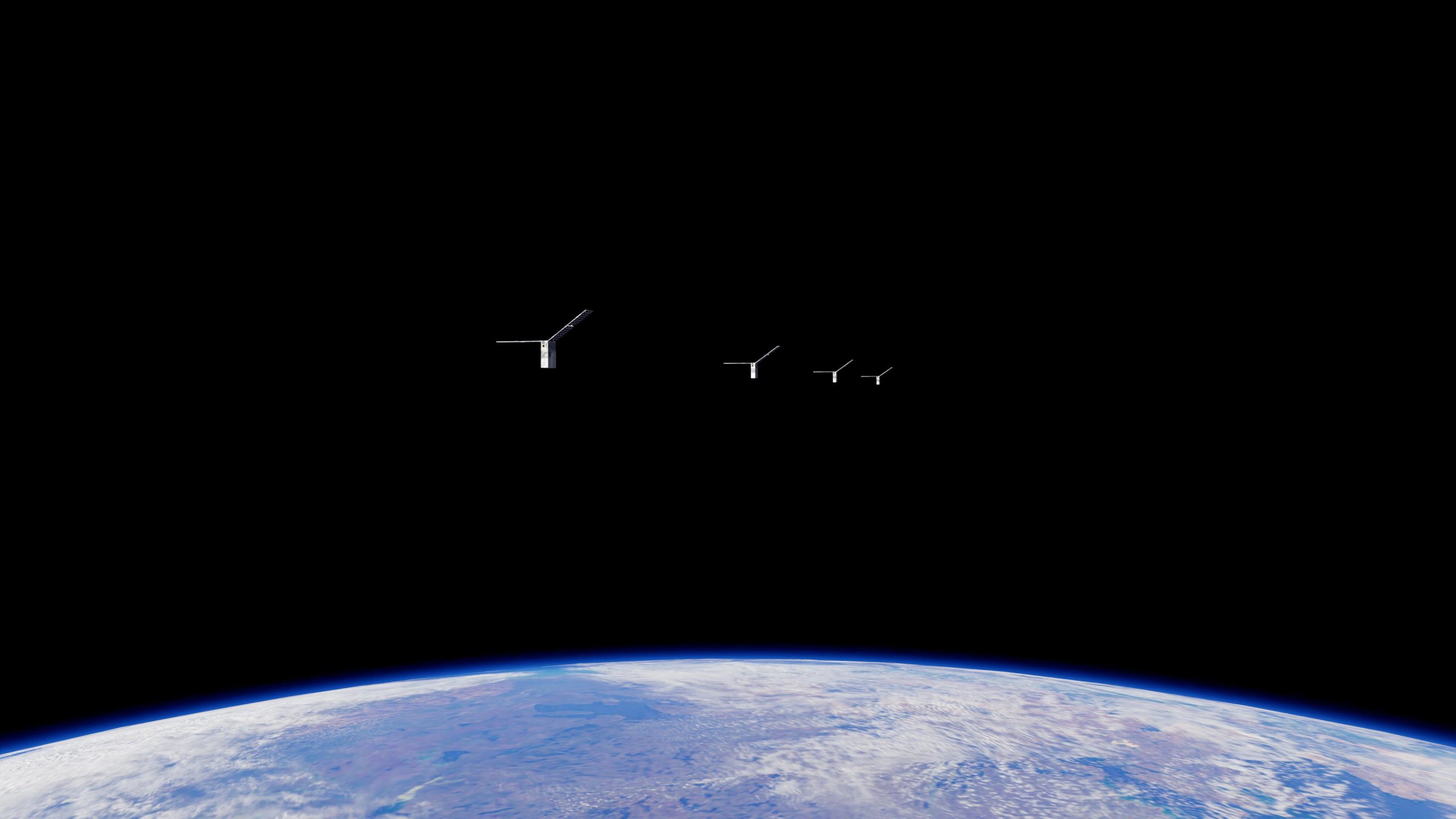
    NASA Starling CubeSats in Low Earth Orbit
    NASA’s Starling six-month mission will use a team of four CubeSats in low Earth orbit to test technologies that let spacecraft operate in a synchronized manner without resources from the ground. The technologies will advance capabilities in swarm maneuver planning and execution, communications networking, relative navigation, and autonomous coordination between spacecraft. Credit: NASA/Conceptual Image Lab/Ross Walter

    NASA’s Starling Mission

    NASA’s Starling Mission represents a significant step forward in the field of satellite technology. This mission features a group of small satellites, known as CubeSats, named Blinky, Pinky, Inky, and Clyde. These CubeSats are designed to operate in a swarm, showcasing advanced concepts in autonomous satellite interactions.

    The primary objectives of the Starling Mission include:

    1. Network Communications: The CubeSats are equipped to communicate with each other, forming an intricate network in space. This allows for coordinated activities and data sharing between the satellites.
    2. Relative Navigation: A key feature of the mission is the ability of each CubeSat to precisely understand its position relative to the others. This ensures accurate maneuvering and alignment within the swarm.
    3. Autonomous Swarm Reconfiguration: The satellites can autonomously reconfigure their positions within the swarm. This ability is crucial for adapting to various mission requirements and for maintaining optimal formation during operations.
    4. Distributed Science Autonomy: The CubeSats can independently adjust their experimental activities. This feature demonstrates the potential for future space missions to adapt and respond to environmental changes or mission objectives without the need for direct intervention from Earth.

    The Starling Mission, through these innovative CubeSats, aims to advance our understanding and capabilities in satellite swarm technologies, potentially revolutionizing how we approach space exploration and satellite operations.

    Never miss a breakthrough: Join the SciTechDaily newsletter.
    Follow us on Google and Google News.

    NASA Starling
    Share. Facebook Twitter Pinterest LinkedIn Email Reddit

    Related Articles

    NASA’s Starling Swarm Successfully Pioneers Autonomous Space Travel

    StarFOX Experiment: NASA’s Starling CubeSats Succeed in Autonomous Navigation Test

    The Starling Squadron: NASA’s CubeSats Take Formation in Space

    NASA’s Robotic Swarm Takes Flight: Communications Achieved for Four Starling CubeSats

    NASA’s Voyager 1 in “Cosmic Purgatory”

    Hubble Reaches New Milestone: 10,000th Scientific Paper Published

    NASA Confiscates Stolen Rocket Engine

    The Mars Rover Curiosity Planetary Protection Snafu

    NASA Curiosity Heads to Mars

    1 Comment

    1. Zubenelgenubi on December 15, 2023 8:06 pm

      Wondering how these differ from all those Musk has posted in orbit!!

      Reply
    Leave A Reply Cancel Reply

    • Facebook
    • Twitter
    • Pinterest
    • YouTube

    Don't Miss a Discovery

    Subscribe for the Latest in Science & Tech!

    Trending News

    AI Could Detect Early Signs of Alzheimer’s in Under a Minute – Far Before Traditional Tests

    What if Dark Matter Has Two Forms? Bold New Hypothesis Could Explain a Cosmic Mystery

    This Metal Melts in Your Hand – and Scientists Just Discovered Something Strange

    Beef vs. Chicken: Surprising Results From New Prediabetes Study

    Alzheimer’s Breakthrough: Scientists Discover Key Protein May Prevent Toxic Protein Clumps in the Brain

    Quantum Reality Gets Stranger: Physicists Put a Lump of Metal in Two Places at Once

    Scientists May Have Found the Key to Jupiter and Saturn’s Moon Mystery

    Scientists Uncover Brain Changes That Link Pain to Depression

    Follow SciTechDaily
    • Facebook
    • Twitter
    • YouTube
    • Pinterest
    • Newsletter
    • RSS
    SciTech News
    • Biology News
    • Chemistry News
    • Earth News
    • Health News
    • Physics News
    • Science News
    • Space News
    • Technology News
    Recent Posts
    • Living With Roommates Might Be Changing Your Gut Microbiome Without You Knowing
    • Simple and Cheap Blood Test Could Detect Cancer and Other Diseases Before Symptoms Appear
    • Century-Old Cleaning Chemical Linked to 500% Increased Risk of Parkinson’s Disease
    • What if Your Memories Never Happened? Physicists Take a New Look at the Boltzmann Brain Paradox
    • Students Found an Ancient Star That Shouldn’t Be in the Milky Way
    Copyright © 1998 - 2026 SciTechDaily. All Rights Reserved.
    • Science News
    • About
    • Contact
    • Editorial Board
    • Privacy Policy
    • Terms of Use

    Type above and press Enter to search. Press Esc to cancel.