
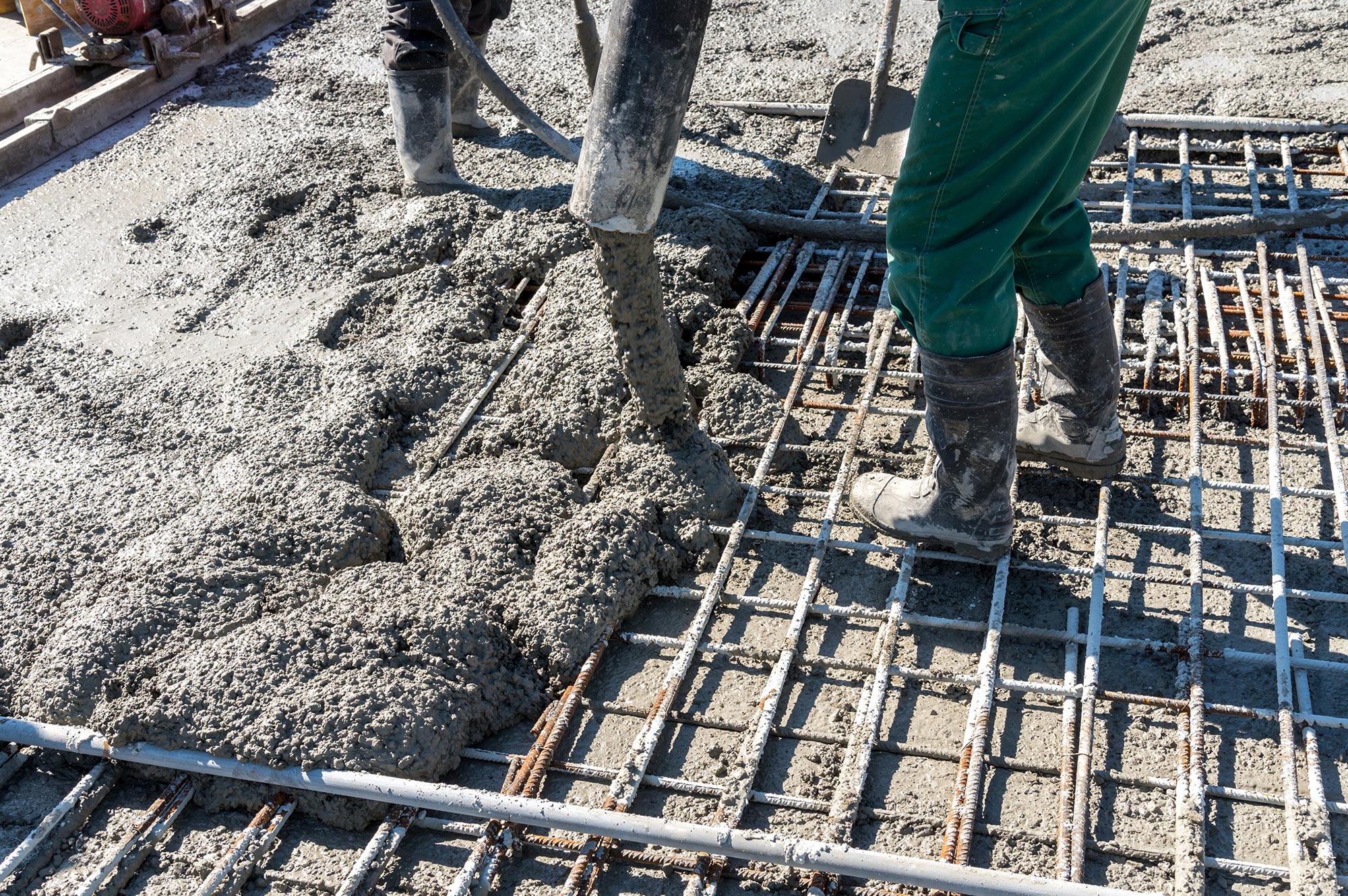
Replacing traditional construction materials with carbon-absorbing alternatives could cut global CO2 emissions by half, according to a new study.
This strategy not only reduces atmospheric CO2 but also leverages the construction industry’s vast scale for environmental benefit.
Transforming Building Materials for Climate Action
Switching from traditional building materials to those designed to store carbon dioxide could significantly advance efforts to achieve net-zero greenhouse gas emissions, according to a study led by Elisabeth Van Roijen. The research estimates that replacing conventional materials with CO2-sequestering alternatives could capture up to 16.6 ± 2.8 gigatons of CO2 annually, equivalent to nearly 50% of the world’s CO2 emissions in 2021.

CO2 Sequestration in Construction: A Game Changer
Reducing atmospheric CO2, alongside lowering emissions, is critical for slowing global warming. Construction materials, due to their widespread use and long lifespan, could serve as a major carbon reservoir. Van Roijen and her team analyzed the potential for storing carbon in materials like concrete, brick, asphalt, plastic, and wood, proposing solutions such as incorporating carbon aggregates into concrete and using bio-based components in bricks.
Overcoming Challenges in Carbon Storage Materials
The study highlights that the carbon storage potential depends more on the volume of material used (e.g., cement, which stores less carbon per unit but is ubiquitous) than the amount of carbon stored per unit weight. However, challenges remain, including resistance from builders hesitant to adopt new materials due to liability concerns, limited availability of carbon-sequestering minerals, and the need for a carefully managed supply chain.
These challenges, as noted by Christopher Bataille in a related commentary, underscore the importance of systemic changes to make these innovations viable.
For more on this study. see Innovative Materials Turning Buildings Into Massive Carbon Sinks.
Reference: “Building materials could store more than 16 billion tonnes of CO2 annually” by Elisabeth Van Roijen, Sabbie A. Miller and Steven J. Davis, 9 January 2025, Science.
DOI: 10.1126/science.adq8594
Never miss a breakthrough: Join the SciTechDaily newsletter.
Follow us on Google and Google News.