

Close Menu
    Facebook X (Twitter) Instagram
    SciTechDaily
    • Biology
    • Chemistry
    • Earth
    • Health
    • Physics
    • Science
    • Space
    • Technology
    Facebook X (Twitter) Pinterest YouTube RSS
    SciTechDaily
    Home»Health»Catch a Cold, Catch Dementia? The Surprising Connection Unveiled
    Health

    Catch a Cold, Catch Dementia? The Surprising Connection Unveiled

    By Tulane UniversityApril 23, 2023No Comments4 Mins Read
    Facebook Twitter Pinterest Telegram LinkedIn WhatsApp Email Reddit
    Share
    Facebook Twitter LinkedIn Pinterest Telegram Email Reddit
    Sick Senior Woman Cold Flu
    Researchers discovered a link between frequent illness and accelerated brain aging, increasing the risk of dementia or cognitive decline. The study, published in Brain, Behavior and Immunity, used aging male mice and found that repeated, moderate inflammation from infections like the flu or seasonal colds led to impaired cognition and disrupted neuronal communication. The research may have significant implications for standard care in managing infections among the elderly and dementia-prone individuals and emphasizes the importance of maintaining good health to prevent infections.

    A study by Tulane University reveals that frequent illness may accelerate brain aging and increase the risk of dementia or cognitive decline. The findings highlight the importance of maintaining good health to prevent infections, especially among the elderly and dementia-prone individuals.

    Getting sick often may impact how quickly the brain ages and increase the risk of dementia or other forms of cognitive decline.

    These are the findings of a Tulane University study conducted in partnership with West Virginia University and the National Institutes of Occupational Safety and Health and published in the journal Brain, Behavior and Immunity. The study examined aging male mice and found that repeated, intermittent experiences with moderate inflammation, such as that caused by the flu or a seasonal head cold, caused impaired cognition and disrupted communication between neurons in those mice.

    “We were interested in asking whether differences in infection experience could account, at least in part, for the differences in rates of dementia we see in the population,” said lead author Elizabeth Engler-Chiurazzi, PhD, a behavioral neuroscientist in the Tulane Department of Neurosurgery. “The mice we were studying were adults approaching middle age that had intact faculties, and yet, when exposed to intermittent inflammation, they remembered less and their neurons functioned more poorly.”
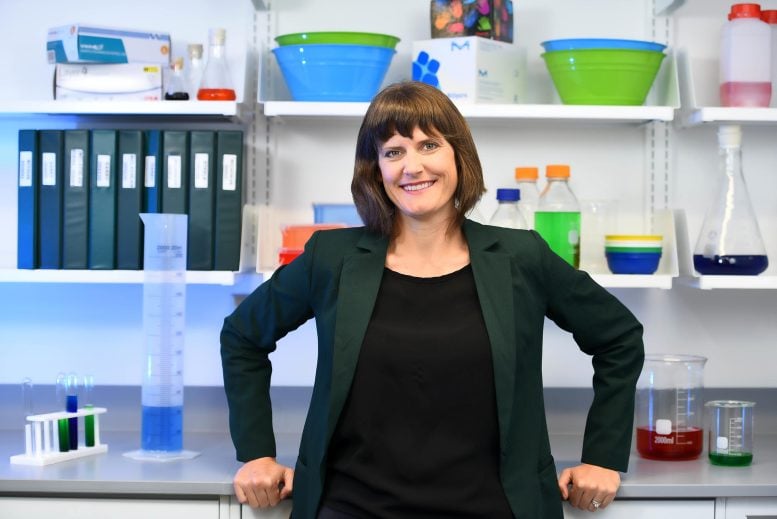
    Elizabeth Engler-Chiurazzi
    Elizabeth Engler-Chiurazzi, PhD, Assistant Professor of Neurosurgery at Tulane University School of Medicine. Credit: Tulane University

    This study is the first to model repeated, intermittent infections in mice and examine the long-term consequences for brain function and health.

    Humans often experience infections and inflammation at substantially higher rates than laboratory mice. But given that impairments were observed in mice after only five intermittent inflammatory treatments, the cognitive change in humans may be more robust.

    “Our mice only experienced intermittent sickness-like inflammation a handful of times, so the fact that we observed impairments at all was surprising,” Engler-Chiurazzi said. “The effects were subtle, but that’s why I find these results meaningful: In a human, cognitive impairments from a similar number of inflammatory experiences might not be noticeable in their daily lives but could have cumulative effects that negatively impact the aging brain.”

    The findings may have important implications for standard of care around how infections are handled among the elderly and those at risk for dementia. And they are perhaps more relevant in light of the COVID-19 pandemic and ongoing research around the effects of long-COVID syndrome.

    Going forward, Engler-Chiurazzi said more work needs to be done to understand why infections impact the brain and how to mitigate those effects. In addition, she hopes follow-up studies will investigate whether more vulnerable populations impacted by health disparities face a higher burden of neurological effects.

    “The biggest takeaway from this research, in our opinion, is the importance of staying as healthy and infection-free as possible,” she said.

    Reference: “Intermittent systemic exposure to lipopolysaccharide-induced inflammation disrupts hippocampal long-term potentiation and impairs cognition in aging male mice” by E.B. Engler-Chiurazzi, A.E. Russell, J.M. Povroznik, K.O. McDonald, K.N. Porter, D.S. Wang, J. Hammock, B.K. Billig, C.C. Felton, A. Yilmaz, B.G. Schreurs, J.P. O’Callaghan, K.J. Zwezdaryk and J.W. Simpkins, 19 December 2022, Brain, Behavior and Immunity.
    DOI: 10.1016/j.bbi.2022.12.013

    Never miss a breakthrough: Join the SciTechDaily newsletter.
    Follow us on Google and Google News.

    Dementia Popular Tulane University Virology
    Share. Facebook Twitter Pinterest LinkedIn Email Reddit

    Related Articles

    Shingles Shot Slashes Dementia Risk by 20% in Landmark Stanford Study

    New Tool Monitors Real Time Mutations in Flu – Could Help Stop Replication of Viruses

    What Happens When Coronavirus Is Not Alone?

    Breakthrough in Coronavirus Vaccine Research Results in New 3D Atomic Scale Map of Virus

    Single Mutation Could Significantly Enhance Wuhan Coronavirus

    Scientific Estimates of Spread of Coronavirus Much Higher Than Official Reports

    “Snake Pneumonia” – Coronavirus Outbreak in China Traced to Snakes by Genetic Analysis

    Zika Virus Vaccine Breakthrough – Could Lead to Global Elimination of the Disease

    Compound in Panda Blood Could Fight Superbugs

    Leave A Reply Cancel Reply

    • Facebook
    • Twitter
    • Pinterest
    • YouTube

    Don't Miss a Discovery

    Subscribe for the Latest in Science & Tech!

    Trending News

    Scientists Discover Cheap, Natural Remedy for High Blood Pressure

    Earth’s Upper Atmosphere Is Cooling Fast and Scientists Finally Know Why

    32,000 Olympic Pools of Magma Nearly Erupted Beneath Atlantic Island

    Exercise Changes the Heart in a Way Researchers Never Expected

    Too Much Sleep May Age Your Body Faster, New Study Warns

    Scientists Uncover Promising New Strategy To Stop Parkinson’s in Its Tracks

    Experts Reveal the Surprising Cancer Link Behind a Common Vitamin

    This Strange “Golden Orb” Found 2 Miles Deep Stumped Scientists for Years

    Follow SciTechDaily
    • Facebook
    • Twitter
    • YouTube
    • Pinterest
    • Newsletter
    • RSS
    SciTech News
    • Biology News
    • Chemistry News
    • Earth News
    • Health News
    • Physics News
    • Science News
    • Space News
    • Technology News
    Recent Posts
    • Climate Change Is Quietly Choking Rivers Across the Planet
    • Scientists Finally Solve the Mystery of “Clockwork” Earthquakes
    • Your Immune System Remembers Obesity for up to a Decade, Study Finds
    • Breakthrough Parkinson’s Drug Targets Disease at Its Genetic Roots
    • 10-Cent Pill Could Transform Heart Failure Treatment Worldwide
    Copyright © 1998 - 2026 SciTechDaily. All Rights Reserved.
    • Science News
    • About
    • Contact
    • Editorial Board
    • Privacy Policy
    • Terms of Use

    Type above and press Enter to search. Press Esc to cancel.