

A better understanding of ‘wet markets’ is key to safeguarding human health, biodiversity.
Great uncertainty surrounds the origins of SARS-CoV-2. Early on, some suggested a link between COVID-19 and a seafood market in Wuhan, China. Other theories are now circulating, though the origins of the virus are still unknown.
In response, governments have pushed for the closing of so-called “wet markets” around the world, but this is not an effective policy solution, Princeton University researchers report.
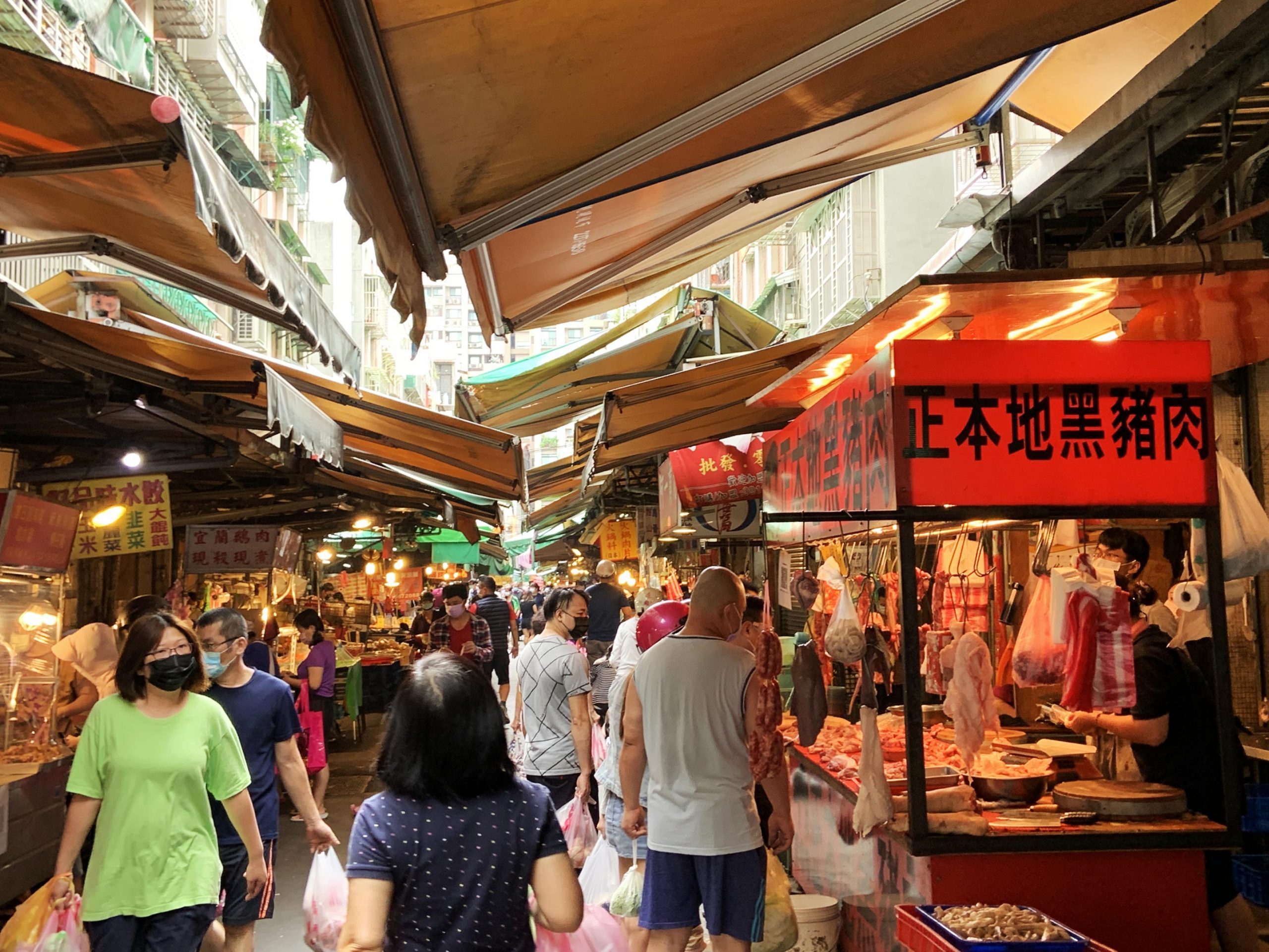
A widespread shuttering of all wet markets could have the unintended consequences of disrupting critical food supply chains, stimulating an unregulated black market for animal products, and stoking xenophobia and anti-Asian sentiment. Furthermore, the majority of these informal markets — which specialize in fresh meat, seafood, and other perishable items in open-air settings — pose little risk to human health or biodiversity.
Instead, policymakers should target the most high-risk aspects of markets to prevent disruptions to local food supply chains while reducing human health and biodiversity dangers, the researchers argue in the journal The Lancet Planetary Health. Markets selling live animals, especially live wild animals, pose the most outsized risks to human health and biodiversity, the researchers conclude.
Misconceptions About “Wet Markets”
“The usage of the term ‘wet market’ is laced with negative undertones, especially in light of COVID-19. I believe this is driven, in part, by a misunderstanding of what these markets actually are and the ways they can meaningfully differ from other markets and from each other. Given this confusion, the term is slowly being replaced in the academic and popular literature by more specific terminology,” said study lead author Bing Lin, a second-year Ph.D. student in the Program in Science, Technology, and Environmental Policy at the Princeton School of Public and International Affairs. “Our research injects some clarity on what wet markets are, and adds precision to how their risks can be considered and classified.”
“In the wake of the COVID-19 pandemic, many nations temporarily shut down their wet markets, but that’s not going to last — eventually some will be opened up while others will be more closely regulated or closed altogether,” said study co-author David S. Wilcove, professor of ecology and evolutionary biology and public affairs and the High Meadows Environmental Institute and a core faculty member at Princeton’s Center for Policy Research on Energy and the Environment. “Our work presents a way to tell which ones are worth focusing on for tighter regulation or closure.”
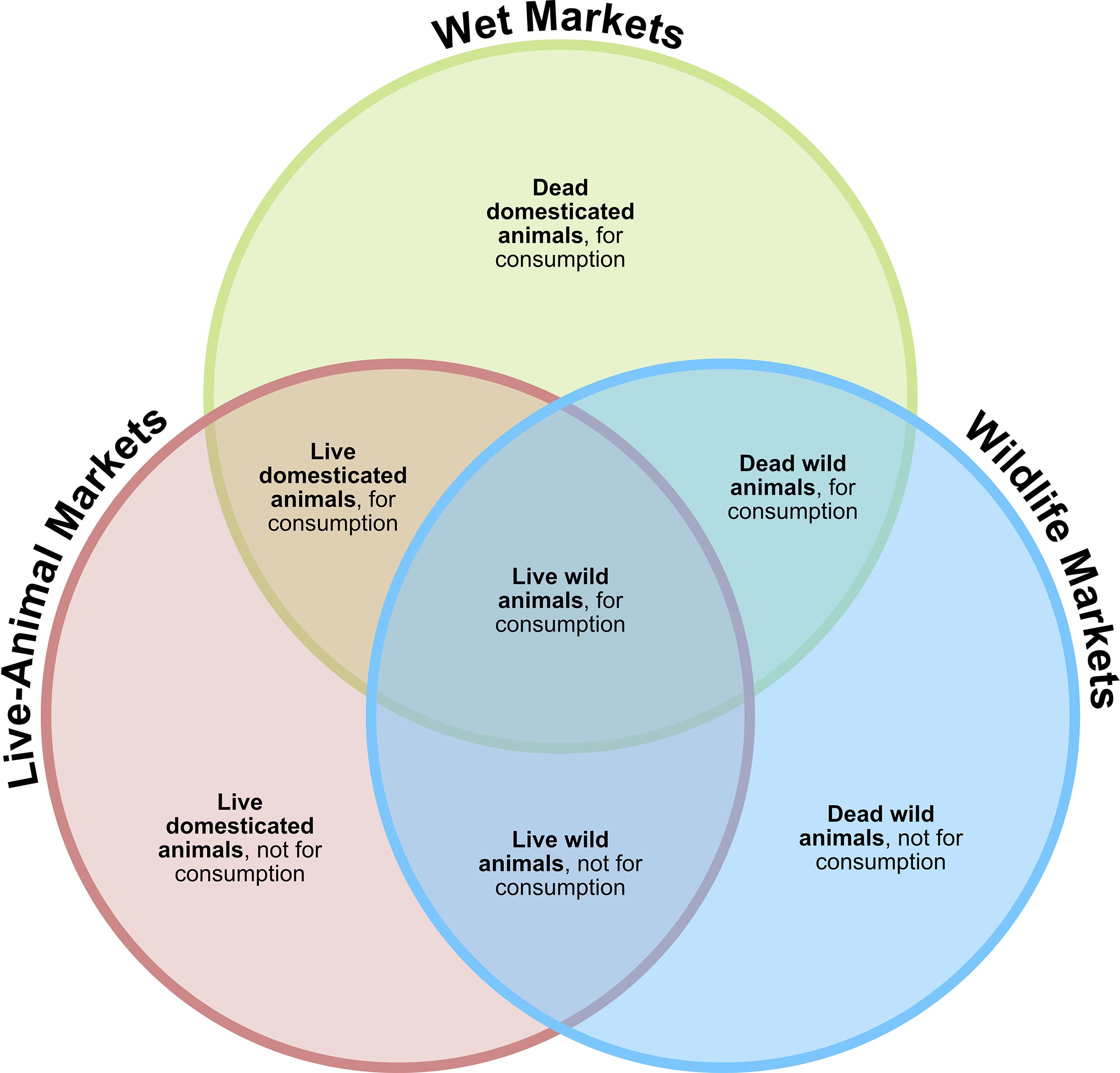
Lin and Wilcove began with a definition of wet markets, which sell consumption-oriented, perishable goods in a non-supermarket setting. These markets were named after their frequently wet floors, a result of regular washing to keep food stalls clean and the melting of ice to keep foods fresh. Wildlife markets, on the other hand, sell non-domesticated wild animals, and live-animal markets sell live animals. The Huanan Seafood Wholesale Market — considered a possible source of the COVID-19 pandemic — was a wet market, a live-animal market, and a wildlife market all in one.
Creating a Risk-Classification System
To help policymakers distinguish relatively benign markets from dangerous ones, Bing and his collaborators analyzed the different types of markets, how they function, and the risk they pose to people and wildlife. They then developed a unique framework that identifies the key risks associated with these markets, including size and cleanliness, whether they sell high disease-risk animals, and the presence of live animals, among other factors.
For the paper, Lin and Wilcove drew upon medical and peer-reviewed literature about markets from July through December 2020. They evaluated six specific risks that informal markets can pose to human health: the sale of high disease-risk animals; the presence of live animals; hygiene conditions; market size; animal density and interspecies mixing; and the length and scale of animal supply chains. They also identified the factors that present risks to biodiversity, including the sale of threatened and declining wild-animal species.
Not All Wet Markets Are Equal
They report that numerous wet markets around the world sell only processed domesticated animals such as poultry. These include all markets in Singapore and Taiwan, and farmer’s markets in the United States. A smaller number of markets sell live domesticated animals. Fewer still sell wild animals, dead or alive, alongside livestock or meat from domesticated animals.
When comparing all of these, the markets that sell live animals carry the greatest risks to human health and biodiversity, especially if they are selling live wild animals — which are connected to emerging infectious diseases. These are the markets that policymakers should target as they attempt to mitigate future infectious disease outbreaks, the researchers report.
Cultural Context and Informed Policy
“Growing up in metropolitan Indonesia and amidst the hustle of inner-city Taiwan, I knew from experience that wet markets differed drastically in their composition and constitution,” Lin said, “and good policy must be based on a clear, yet nuanced, understanding of the different types of markets and their associated and variable risks. We believe that targeted, risk-adjusted policies to mitigate the highest market risks to be preferable over sweeping but ineffectual short-term change.”
The researchers emphasize that these markets alone are not solely responsible for global pandemics. Instead, they represent one node of zoonotic transmission potential along the global wildlife trade supply chain. They hope that future research will continue to quantify the risk factors these markets pose so decision-makers can better safeguard human health and biodiversity.
Reference: “A better classification of wet markets is key to safeguarding human health and biodiversity” by Bing Lin, AB; Madeleine L Dietrich, AB; Rebecca A Senior, PhD and Prof David S Wilcove, PhD, 10 June 2021, The Lancet Planetary Health.
DOI: 10.1016/S2542-5196(21)00112-1
Additional co-authors include Madeleine L. Dietrich ’20 and Rebecca A. Senior, a postdoctoral research associate in Princeton SPIA.
The researchers cite the High Meadows Foundation for supporting the work of Lin, Senior, and Wilcove; and the World Wide Fund for Nature for supporting part of Dietrich’s research work.
Never miss a breakthrough: Join the SciTechDaily newsletter.
Follow us on Google and Google News.
1 Comment
You really should have led with the definition instead of waiting until the fifth paragraph. There’s too many psycho pillbillies out there that don’t realize that farmers’ markets and good fishmongers fall under that definition.