
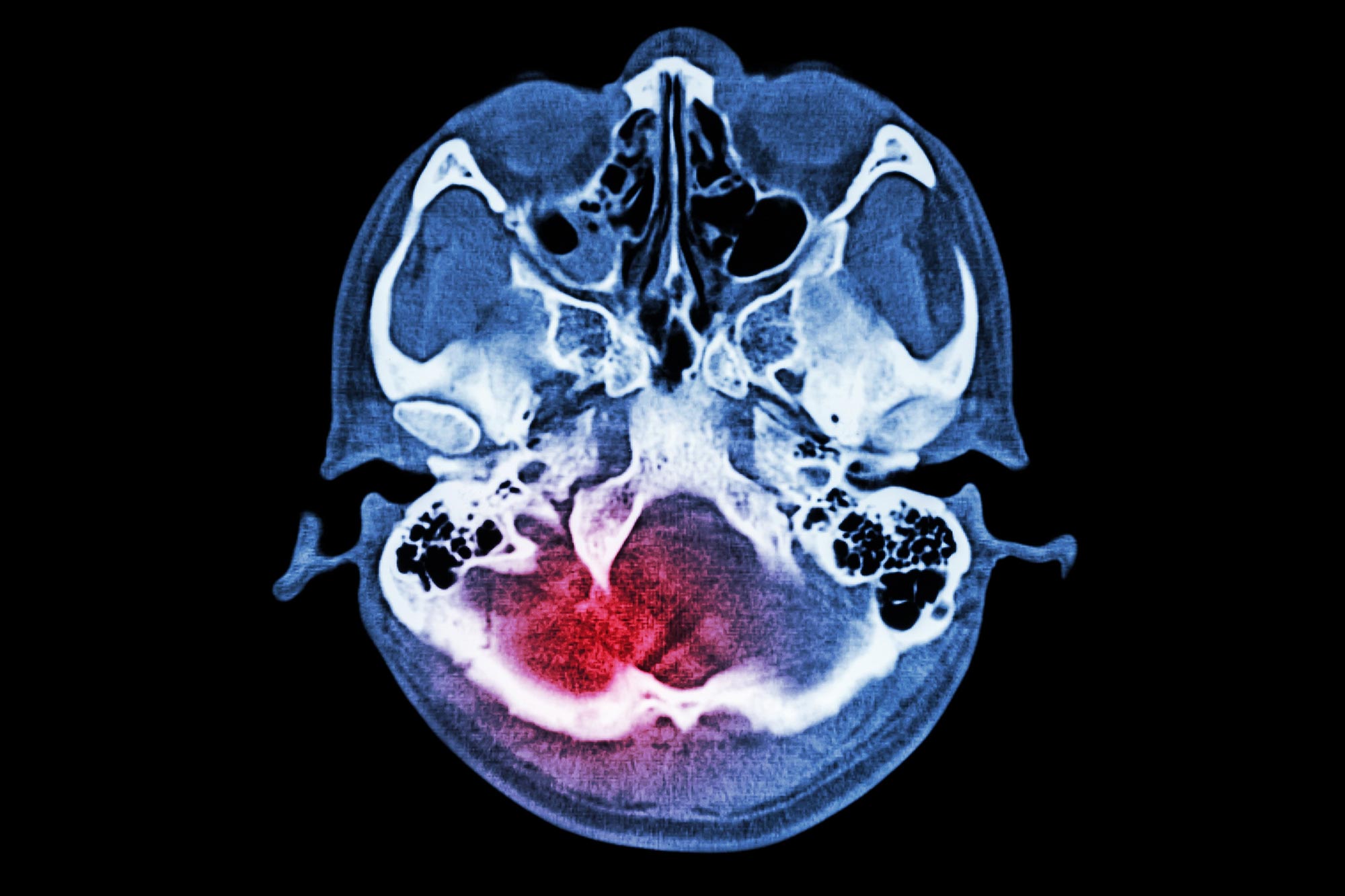
A study found that Streptococcus anginosus, a common mouth and gut bacterium, is more prevalent in stroke patients and linked to higher stroke risk and mortality.
Streptococcus anginosus, a bacterium commonly found in the mouth and gastrointestinal tract, may be present in high levels in the gut of individuals who have experienced a stroke. According to a preliminary study recently presented at the American Stroke Association’s International Stroke Conference 2025, this bacterium is linked to a poorer prognosis and a higher risk of death.
“In the future, if there was a quick test to detect harmful bacteria in the mouth and gut, we could use the information to help calculate stroke risk. Targeting these specific harmful oral bacteria may help prevent stroke,” said Shuichi Tonomura, M.D., lead author of the study and staff physician in the department of neurology at the National Cerebral and Cardiovascular Center in Osaka, Japan.
The Role of Gut and Oral Bacteria in Health
Everyone has trillions of bacteria in their gut, collectively known as the gut microbiota. There is also another community of bacteria in the mouth called oral microbiota. Most of these bacteria positively affect the body and assist with normal body processes, such as digestion. However, when the helpful and unhelpful types of bacteria get out of balance, illness can happen, Tonomura noted.
Previously, these researchers found that a different bacteria that causes tooth decay, Streptococcus mutans, was associated with a higher risk of bleeding inside the brain. In this new study, conducted at the largest stroke center in Japan, researchers quantified all detectible bacteria in both the saliva and guts of people who had recently had any type of stroke, comparing them to people without a stroke of similar age undergoing routine medical checkups.
The researchers found that one species of bacteria, Streptococcus anginosus, was significantly more abundant in the saliva and gut of people with acute stroke than in the control group of people who had not had a stroke.
An analysis of various groups of bacteria found:
- Streptococcus anginosus in the gut was independently associated with 20% higher odds of stroke after controlling for vascular risk factors, while Anaerostipes hadrus (a gut bacteria associated with beneficial effects) was associated with a drop in risk by 18% and Bacteroides plebeius (a gut bacteria common in the Japanese population) was associated with a drop in risk by 14%.
- Over the two-year follow-up, stroke survivors with Streptococcus anginosus in the gut had a significantly higher risk of death and major cardiovascular events over the two-year follow-up period.
- Increased risk of death and poor outcomes was not noted in stroke survivors with Anaerostipes hadrus and Bacteroides plebeius compared to controls.
Oral Health and Stroke Prevention
“Our findings offer new insights into the connection between oral bacteria and the risk of stroke, as well as potential strategies for stroke prevention. Both Streptococcus mutans and Streptococcus anginosus are bacteria that contribute to tooth decay by producing acids that break down tooth enamel. This highlights the importance of preventing tooth decay, which can be achieved by reducing sugar intake and using toothpaste that targets these bacteria. Maintaining good oral hygiene is essential,” Tonomura said.
The researchers hope to conduct similar studies in people who have not experienced a stroke, but have risk factors for stroke.
“Extending the analysis to populations at risk of stroke is crucial for understanding broader implications and developing potential preventive strategies for those susceptible to stroke,” Tonomura said.
Because the study was conducted in a Japanese population with a relatively small sample size (189 stroke patients and 55 non-stroke participants), the findings may not be fully generalizable to other populations or larger, more diverse groups.
“The oral and gut microbiome is strongly affected by lifestyle. Other bacteria may be main players in stroke in other countries,” Tonomura said.
“Poor oral health can lead to inflammation and may increase the risk of stroke. The increased levels of Streptococcus anginosus found in the gut of patients with recent stroke is intriguing, and the fact that levels were linked to increased mortality two years after stroke suggests that it may play a role in ongoing stroke risk,” said Louise D. McCullough, M.D., P.H.D., FAHA, who is the Roy M. and Phyllis Gough Huffington Distinguished Chair of Neurology at McGovern Medical School; chief of neurology at Memorial Hermann Hospital-Texas Medical Center and co-director of UTHealth Neurosciences, all in Houston, who was not involved in the study. “Since this study was conducted after a stroke occurred, examining a larger group of people who have not yet had a stroke but do have risk factors could enhance our understanding of how these bacteria are related to stroke risk. This knowledge could help improve prevention strategies.” McCullough also coauthored the commentary Stroke and the Microbiome published in the Jan. 2024 issue of the American Heart Association Stroke journal.
Study details, background, or design:
- The study included 250 people (average age 70, 40% female, all Japanese). Two hundred patients diagnosed (using brain imaging) with a stroke (either bleeding or clot-caused) within the past seven days were compared with 50 people the same age without a history of stroke who were receiving a routine medical checkup. The control group may have other medical problems such as high blood pressure, diabetes, or high cholesterol.
- Stroke patients were seen at the National Cerebral and Cardiovascular Center in Osaka, Japan’s largest stroke center. Controls were participants in the ongoing population-based Suita study, which examines cardiovascular risk factors in middle-aged and older people.
- Researchers analyzed the oral and gut microbiomes using saliva and stool samples obtained from the stroke patients and controls between July 2020 to July 2021. Over a two-year follow-up period, they observed how many of the stroke patients died or had new cardiovascular events.
Meeting: ASA International Stroke Conference 2025
Never miss a breakthrough: Join the SciTechDaily newsletter.
Follow us on Google and Google News.
6 Comments
What toothpaste is best suited to reduce oral bacteria?
Let me know when you find out
One with stannous floride
Yet in America the disabled and fixed income Seniors can’t get decent life saving dental care even though it’s a documented fact that those with heart issues can die if a dental infection goes to the heart. But gender reassignment surgery is covered for immigrants and inmates. The treatment of the disabled and fixed income seniors in this country is an absolute disgrace and no one cares. It’s not enough to keep them living below poverty so it’s clear their health and life just doesn’t matter.
Your relationship with God is very poorly and needs an adjustment.
Magdalene*…
YOU ARE ” NUTS-ON”…
Hopefully our New Gov-Admin fixes this past 4 years Pathetic neglect “… Keep Your Great Spirit!
Clayton” 🙏🇺🇸✅