
Close Menu
    Facebook X (Twitter) Instagram
    SciTechDaily
    • Biology
    • Chemistry
    • Earth
    • Health
    • Physics
    • Science
    • Space
    • Technology
    Facebook X (Twitter) Pinterest YouTube RSS
    SciTechDaily
    Home»Health»Common Stomach Bacteria Found in Two-Thirds of the World Population Could Increase Your Risk of Alzheimer’s
    Health

    Common Stomach Bacteria Found in Two-Thirds of the World Population Could Increase Your Risk of Alzheimer’s

    By McGill UniversityFebruary 2, 20243 Comments3 Mins Read
    Facebook Twitter Pinterest Telegram LinkedIn WhatsApp Email Reddit
    Share
    Facebook Twitter LinkedIn Pinterest Telegram Email Reddit
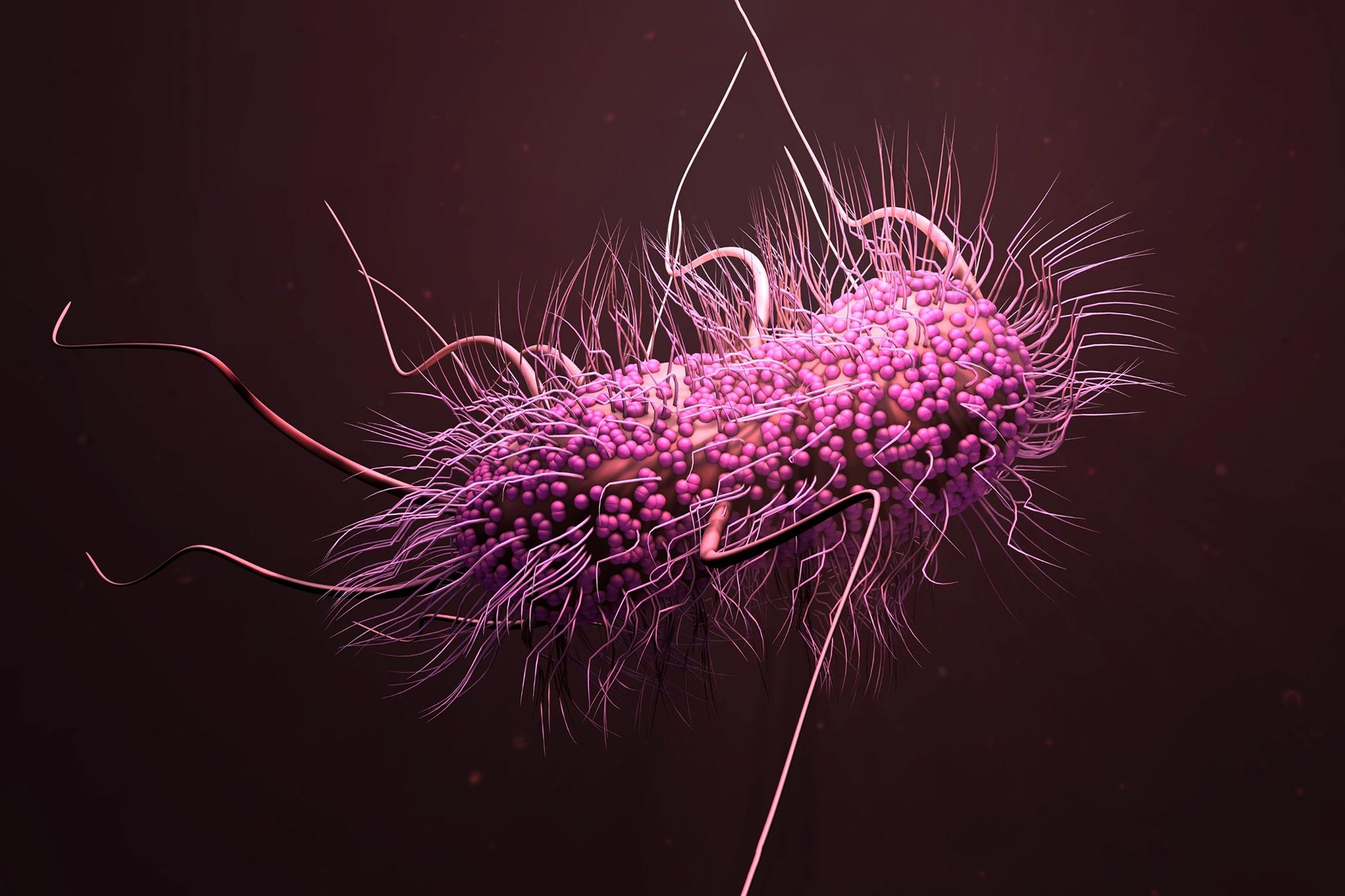
    Bacterial Superbug Concept
    Recent research from McGill University suggests a link between Helicobacter pylori (H. pylori) infection and an increased risk of Alzheimer’s disease in people aged 50 and above. Analyzing health data of over four million UK residents, the study found that those with symptomatic H. pylori infection had a higher risk of developing Alzheimer’s. This research underscores the importance of investigating potential prevention strategies, including eradicating H. pylori, to combat the rising prevalence of Alzheimer’s disease globally.

    A McGill study associates a moderate yet notable rise in Alzheimer’s disease risk in elderly with bacterial infections.

    New research indicates that a stomach bacteria found in two-thirds of the global population could be linked with an increased risk of Alzheimer’s disease.

    The study, published in Alzheimer’s & Dementia: The Journal of the Alzheimer’s Association, investigated whether a clinically apparent Helicobacter pylori (H. pylori) infection increased the risk of Alzheimer’s disease in people aged 50 and older. The prevalent infection can trigger indigestion, gastritis, ulcers, and even stomach cancer.

    A team of McGill University researchers analyzed health data of over 4 million people in the United Kingdom aged 50 and above between 1988 and 2019. It found that people with symptomatic H. pylori infection had an 11% higher risk of developing Alzheimer’s disease, the most common type of dementia. While the cause of Alzheimer’s disease is multifaceted, the findings build upon a growing body of evidence on the potential role of infections, particularly H. Pylori, in its development. The study opens avenues for future research, particularly exploring whether eradicating this bacterium could effectively prevent Alzheimer’s disease in some people.

    Implications for Alzheimer’s Disease

    Alzheimer’s disease affects millions of people globally, with numbers expected to rise sharply as demographics shift, say researchers. “Given the global aging population, dementia numbers are expected to triple in the next 40 years. However, there remains a lack of effective treatment options for this disease,” said Dr. Paul Brassard, the study’s senior author and a Professor in McGill’s Department of Medicine.

    “We hope the findings from this investigation will provide insight on the potential role of H. pylori in dementia in order to inform the development of prevention strategies, such as individualized eradication programs, to reduce infections at the population level,” said Dr. Brassard, a public health and preventive medicine physician at the McGill University Health Centre.

    Reference: “Clinically apparent Helicobacter pylori infection and the risk of incident Alzheimer’s disease: A population-based nested case-control study” by Antonios Douros, Zharmaine Ante, Carlo A. Fallone, Laurent Azoulay, Christel Renoux, Samy Suissa and Paul Brassard, 13 December 2023, Alzheimer’s & Dementia.
    DOI: 10.1002/alz.13561

    Never miss a breakthrough: Join the SciTechDaily newsletter.
    Follow us on Google and Google News.

    Alzheimer's Disease Bacteria Dementia McGill University Public Health Stomach
    Share. Facebook Twitter Pinterest LinkedIn Email Reddit

    Related Articles

    Scientists Discover Fascinating Link Between Regular Exercise and Better Brain Health

    New Research Indicates That Statins Could Slow Dementia

    New Research Shows Lifestyle Changes Can Prevent Dementia

    New Research: High Levels of Lean Muscle Might Protect Against Alzheimer’s Disease

    Genetic Risk Outweighs Age: Machine Learning Models Rank Predictive Risks for Alzheimer’s Disease

    New Study Calls Into Question Widely-Held Alzheimer’s Beliefs

    Surprising Link Between Gum Disease and Alzheimer’s Discovered

    AI Links COVID-19 Brain Changes to Alzheimer’s Disease-Like Cognitive Impairment

    Improving Air Quality May Improve Cognitive Function and Reduce Dementia Risk

    3 Comments

    1. Hottan Dyspeptic on February 2, 2024 12:41 pm

      H. Pylori infection is usually non-symptomatic. 11% higher risk is a very weak link. The study requiring “symptomatic infection” means inflammation, which is strongly linked to Alzheimer’s disease (“Inflammation as a central mechanism in Alzheimer’s disease” Alzheimers & Dementia, 05 September 2018)

      Reply
    2. Joe Blair on February 3, 2024 7:48 am

      Wow , that’s crazy . Would have been nice to know how to prevent getting the disease but very informative article.

      Reply
    3. TOP DOG on February 4, 2024 8:33 am

      I am convinced that we, ourselves, evolved from and are merely advanced forms of bacteria. It should not be a major huddle to find the turn-off switch for this particular model.

      Reply
    Leave A Reply Cancel Reply

    • Facebook
    • Twitter
    • Pinterest
    • YouTube

    Don't Miss a Discovery

    Subscribe for the Latest in Science & Tech!

    Trending News

    Popular Vitamin B3 Supplements May Help Cancer Cells Survive, Scientists Warn

    Scientists Discover Strange Property of Rice and Turn It Into a Smart Material

    NASA Artemis II Skips Burn As Astronaut Captures Stunning View of Earth

    NASA’s Artemis II: Humans Just Left Earth Orbit for the First Time Since 1972

    What Causes Chronic Pain? Scientists Identify Key Culprit in the Brain

    Semaglutide Shows Surprising Mental Health Benefits in Massive 100,000-Person Study

    This Liquid Snapped Instead of Flowing and Scientists Were Shocked

    Breakthrough Alzheimer’s Drug Rewires the Brain Instead of Just Clearing Plaques

    Follow SciTechDaily
    • Facebook
    • Twitter
    • YouTube
    • Pinterest
    • Newsletter
    • RSS
    SciTech News
    • Biology News
    • Chemistry News
    • Earth News
    • Health News
    • Physics News
    • Science News
    • Space News
    • Technology News
    Recent Posts
    • Scientists Uncover the Secret “Glue” That Helps Soil Hold Water
    • Climate Change Is Altering a Key Greenhouse Gas in a Way Scientists Didn’t Expect
    • Why Antarctic Sea Ice Suddenly Collapsed After Decades of Growth
    • Astronomers Discover the Most Pristine Star Ever Found
    • New Study Suggests Gravitational Waves May Have Created Dark Matter
    Copyright © 1998 - 2026 SciTechDaily. All Rights Reserved.
    • Science News
    • About
    • Contact
    • Editorial Board
    • Privacy Policy
    • Terms of Use

    Type above and press Enter to search. Press Esc to cancel.