

A recent study from the University of Sheffield reveals that water containing arsenic levels exceeding recommended limits could pose a serious health risk to millions.
New research from academics at the Institute for Sustainable Food at the University of Sheffield has found countries that do not adhere to the current World Health Organization (WHO) recommended limits on the levels of arsenic in water are putting around 32 percent of the global population – particularly those from low and middle-income countries – at risk of serious health issues.
Many countries worldwide still use the outdated WHO limit (50 µg L-1 or parts per billion) for inorganic arsenic in water introduced in 1963, including several Asian countries such as China, Bangladesh, Pakistan, Cambodia, Thailand, Myanmar, and Nepal, where rice is the main staple food.
Long-term exposure to arsenic in water used for drinking, food preparation, or irrigation of crops can cause a range of health issues affecting every organ in the body, such as cancer, diabetes, and pulmonary and cardiovascular diseases.
Study Findings on Rice and Arsenic Absorption
The new study, a first of its kind, compared how using different methods to cook common rice types with water contaminated with arsenic affected the amount absorbed into the food.
White and parboiled rice are more commonly consumed in the West and Asia, and this research found that these types accumulate more arsenic than brown rice when cooked with arsenic-spiked water. However, using arsenic-safe water removes arsenic from these rice types.
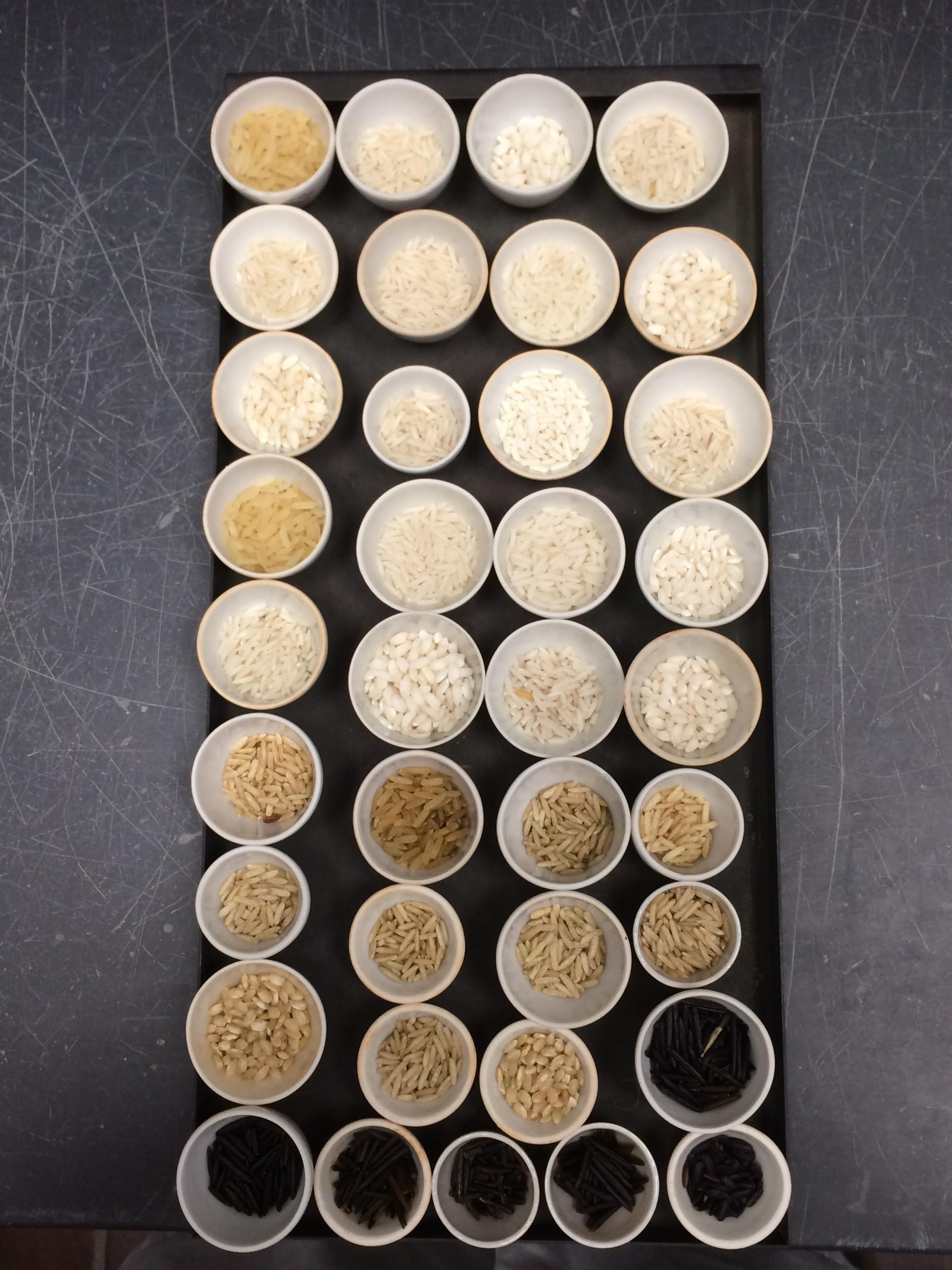
Research lead Dr Manoj Menon, from the University of Sheffield’s Institute for Sustainable Food and the Department of Geography, said: “Both rice and drinking water in the UK are regulated for arsenic, but further afield in Asia and Africa, there is often very little or no regulation to current WHO standards. We know that as many as 40 countries in the world allow more than 10 parts per billion in drinking water, and 19 countries have no evidence of any regulations. Rice is one of the major cereal crops in the world, contributing to the dietary energy and nutrition of more than half of the world’s population. We already know that rice has more arsenic than other cereals, and the risk is exacerbated if we cook rice with arsenic-contaminated water above the WHO recommended limit. That is why it is vitally important that countries worldwide work to adopt the latest WHO recommendations to ensure arsenic exposure is minimized as much as possible to protect the public.”
Global Impact and Cooking Methods
The study tested varying levels of inorganic arsenic in the cooking water, including 10 and 50 µg L-1 and arsenic-safe tap water from the UK ( which contains less than 0.2 parts per billion) as a control.
Dr Menon said: “India has a huge population that was affected by an arsenic problem, and a few years ago it adopted 10 parts per billion as its standard, setting a good example for the other countries that are yet to adopt this. Obviously, for people in countries where rice is a staple food, consumption is higher and the health risk also increases, such as in many parts of Asia. People in the UK may only consume around 5kg of rice annually, but the average global consumption is 57kg, and even higher at 85kg across Asia. In this study, we evaluated the exposure risks to the Bangladesh population–the highest per capita rice consumers in the world at approximately 170 kg per person, and found that nearly all age groups are at significant risk. Policymakers in those countries with high rice consumption rates urgently need to develop measures to supply arsenic-safe water for domestic use.”
Previous studies by the team found that the way rice is cooked is also meaningful in reducing arsenic loading, with certain methods able to remove more than half of the naturally occurring arsenic within rice grains. So, the study tested white and brown rice against two of the most commonly used cooking methods, using excess water (EW) and parboiled and absorbed (PBA).
This new research found that if there is no access to arsenic-safe water, the best way to cook rice is using the EW method, which is drained off when done (like pasta or noodles) to reduce the risks.
Dr Menon added: “One of the United Nations (UN) Sustainable Development Goals for good health and wellbeing is for everyone to have access to clean water and sanitation. This cannot happen without regulations being implemented in countries where limits or water testing are not currently in place. There are genuine concerns for rice consumers about consuming arsenic, but our successive studies have shown there are ways we can try to minimize our risk of exposure. Even in countries where there may be higher levels of inorganic arsenic in water supplies, where possible, this includes selecting varieties of rice that don’t absorb as much arsenic and using cooking methods that remove as much arsenic from the water and grains as possible.”
Reference: “A comparison of the effects of two cooking methods on arsenic species and nutrient elements in rice” by Manoj Menon, Andrea Nicholls, Alan Smalley and Edward Rhodes, 3 January 2024, Science of The Total Environment.
DOI: 10.1016/j.scitotenv.2023.169653
Never miss a breakthrough: Join the SciTechDaily newsletter.
Follow us on Google and Google News.