
Experiments on Neanderthal cooking techniques revealed challenges in butchering birds with flint tools and the impact of cooking methods on bone traceability in archaeological findings.
Understanding Neanderthal diets is crucial to understanding how these incredibly adaptable hominins lived and thrived for hundreds of thousands of years in wildly varied environments. However, it is difficult to ascertain what Neanderthals ate since food preparation, especially for smaller items like birds, leaves few archaeological traces. In a new study published in Frontiers in Environmental Archaeology, scientists tried cooking like Neanderthals to investigate what food preparation could look like in the archaeological record.
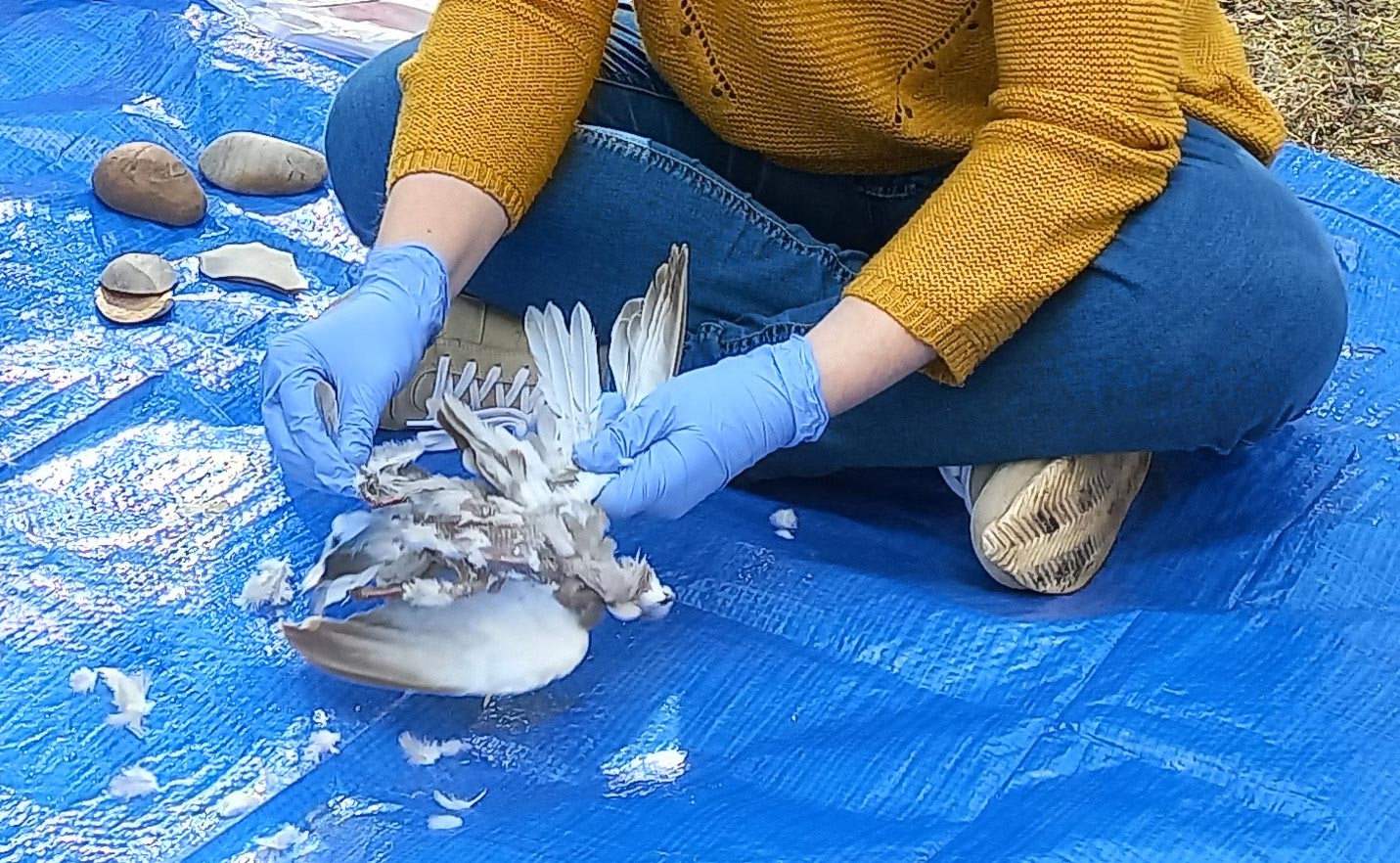
“Using a flint flake for butchering required significant precision and effort, which we had not fully valued before this experiment,” said lead author Dr Mariana Nabais of the Institut Català de Paleoecologia Humana i Evolució Social in Spain. “The flakes were sharper than we initially thought, requiring careful handling to make precise cuts without injuring our own fingers. These hands-on experiments emphasized the practical challenges involved in Neanderthal food processing and cooking, providing a tangible connection to their daily life and survival strategies.”
Insights from Experimental Archaeology
Although the big game hunting practiced by Neanderthals is well known, we know less about the birds that some Neanderthals hunted. But recent discoveries and new techniques allow us to investigate this more deeply. By testing food preparation methods that Neanderthals could have used, to see what traces these might leave on bones and how those traces compare to damage caused by natural processes or the actions of other animals, the scientists created an experimental database that can be compared to real archaeological sites.
Methods of Cooking and Butchery
The scientists collected five wild birds that had died of natural causes from the Wildlife Ecology, Rehabilitation and Surveillance Centre (CERVAS) in Gouveia, Portugal. They chose two carrion crows, two collared doves, and a wood pigeon, which are similar to the species that Neanderthals ate, and selected cooking methods using archaeological evidence and ethnographic data.
All the birds were defeathered by hand. A carrion crow and a collared dove were then butchered raw, using a flint flake. The remaining three were roasted over hot coals until cooked, then butchered, which the scientists found much easier than butchering the raw birds.
“Roasting the birds over the coals required maintaining a consistent temperature and carefully monitoring the cooking duration to avoid overcooking the meat,” said Nabais. “Maybe because we defeathered the birds before cooking, the roasting process was much quicker than we anticipated. In fact, we spent more time preparing the coals than on the actual cooking, which took less than ten minutes.”
Analysis of Cooking Impact on Bird Bones
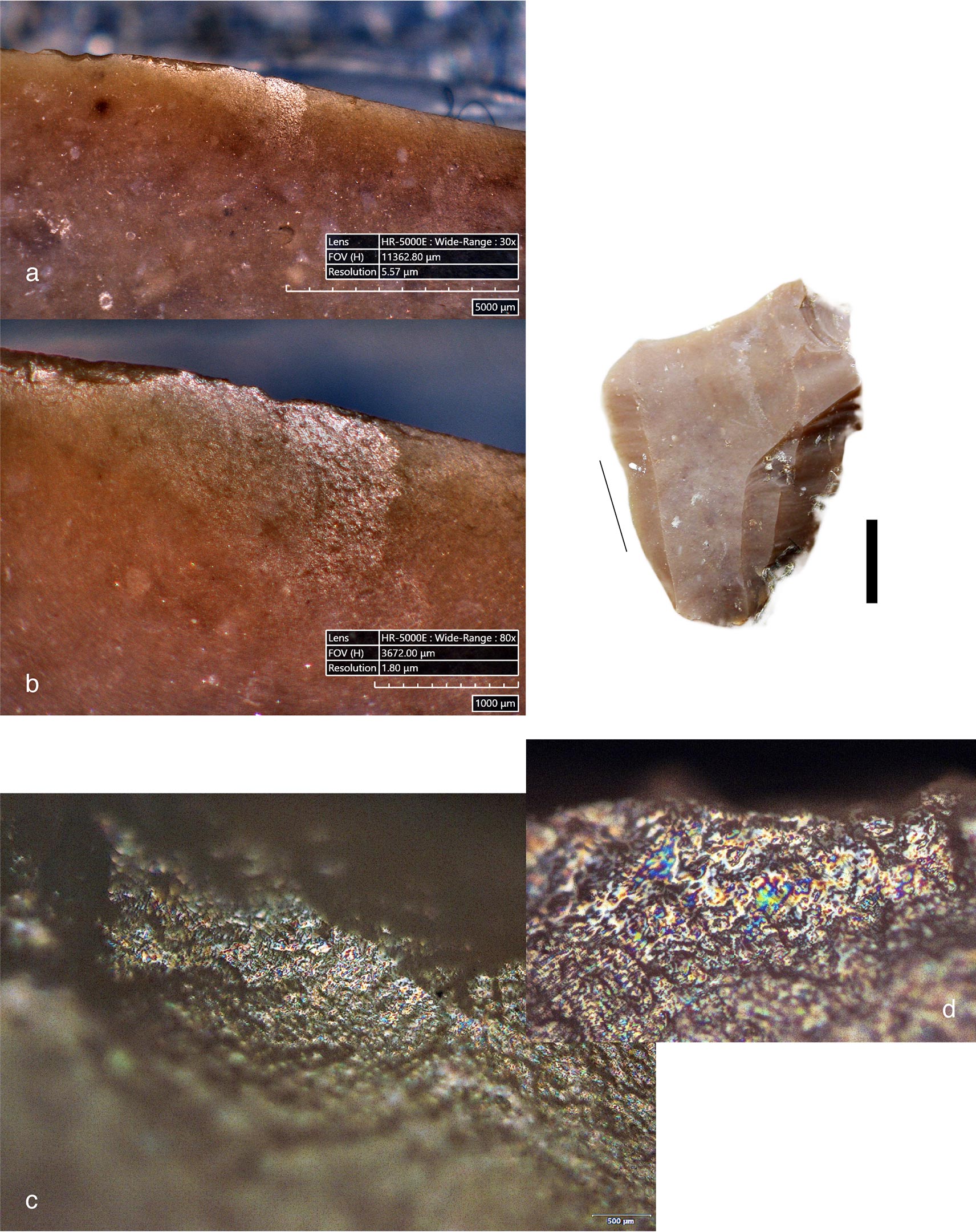
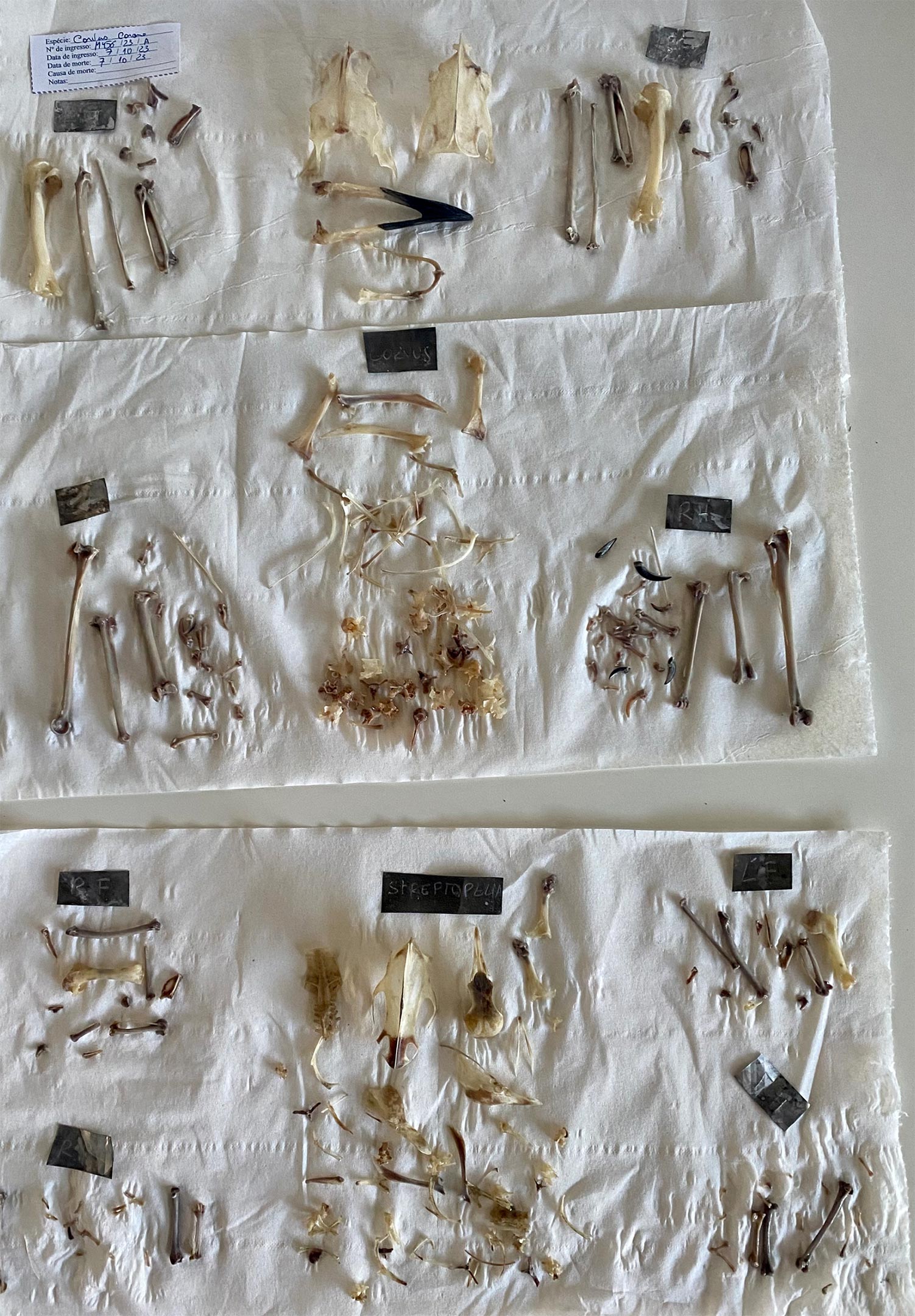
The scientists cleaned and dried the bones, then examined them microscopically for cut marks, breaks, and burns. They also examined the flint flake they had used for evidence of wear and tear. Although they had used their hands for most of the butchery, the raw birds required considerable use of the flint flake, which now had small half-moon scars on the edge. While the cuts used to remove meat from the raw birds did not leave traces on the bones, the cuts aimed at tendons left marks similar to those on birds found at archaeological sites.
The bones from the roasted birds were more brittle: some had shattered and couldn’t be recovered. Nearly all of them had brown or black burns consistent with controlled exposure to heat. Black stains inside some bones suggested that the contents of the inner cavity had also burned. This evidence sheds light not just on how Neanderthal food preparation could have worked, but also how visible that preparation might be in the archaeological record. Although roasting makes it easier to access meat, the increased fragility of the bones means the leftovers might not be found by archaeologists.
Conclusion and Future Research Directions
Scientists cautioned that this research should be expanded to gain a fuller understanding of Neanderthal diets. Future studies should include more species of small prey, as well as processing birds for non-food products, like talons or feathers.
“The sample size is relatively small, consisting of only five bird specimens, which may not fully represent the diversity of bird species that Neanderthals might have used,” noted Nabais. “Secondly, the experimental conditions, although carefully controlled, cannot completely replicate the exact environmental and cultural contexts of Neanderthal life. Further research with larger samples, varied species, and more diverse experimental conditions is necessary to expand upon these results.”
Reference: “Experimental replication of early human behaviour in bird preparation: a pilot-study focusing on bone surface modification and breakage patterns” by Mariana Nabais, Anna Rufà and Marina Igreja, 30 May 2024, Frontiers in Environmental Archaeology.
DOI: 10.3389/fearc.2024.1411853
Never miss a breakthrough: Join the SciTechDaily newsletter.
Follow us on Google and Google News.