
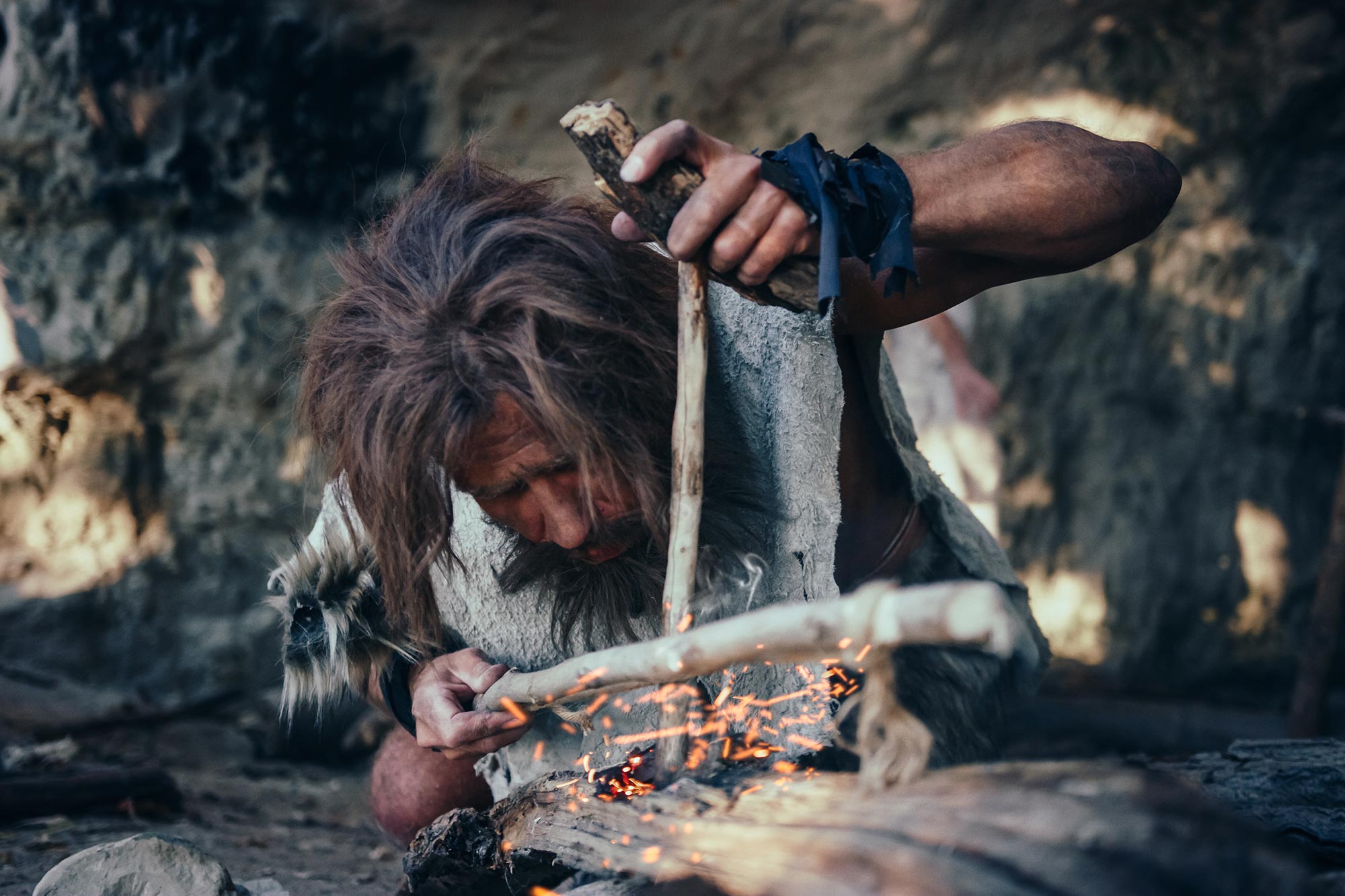
Neanderthals in two neighboring caves in ancient Israel may have developed their own unique food traditions, according to new archaeological research.
Despite sharing tools and prey, the two groups left behind different butchery patterns on bones — differences that suggest not just practical variation, but potentially learned, culturally transmitted practices. The findings hint that these prehistoric humans might have passed down food preparation styles like early “family recipes,” offering a fascinating glimpse into the social and culinary complexity of Neanderthal life.
Butchering Clues Hint at Neanderthal Traditions
A recent study suggests that Neanderthals living in two nearby caves in northern Israel may have followed very different food preparation routines. Even though they used the same kinds of tools and hunted similar animals, the way they butchered their meat was surprisingly distinct. This difference has led researchers to wonder if these groups passed down their own unique methods of processing food, similar to early culinary traditions.
“The subtle differences in cut-mark patterns between Amud and Kebara may reflect local traditions of animal carcass processing,” said Anaëlle Jallon, PhD candidate at the Hebrew University of Jerusalem and lead author of the article in Frontiers in Environmental Archaeology. “Even though Neanderthals at these two sites shared similar living conditions and faced comparable challenges, they seem to have developed distinct butchery strategies, possibly passed down through social learning and cultural traditions.
“These two sites give us a unique opportunity to explore whether Neanderthal butchery techniques were standardized,” explained Jallon. “If butchery techniques varied between sites or time periods, this would imply that factors such as cultural traditions, cooking preferences, or social organization influenced even subsistence-related activities such as butchering.”
Neighboring Caves, Divergent Habits
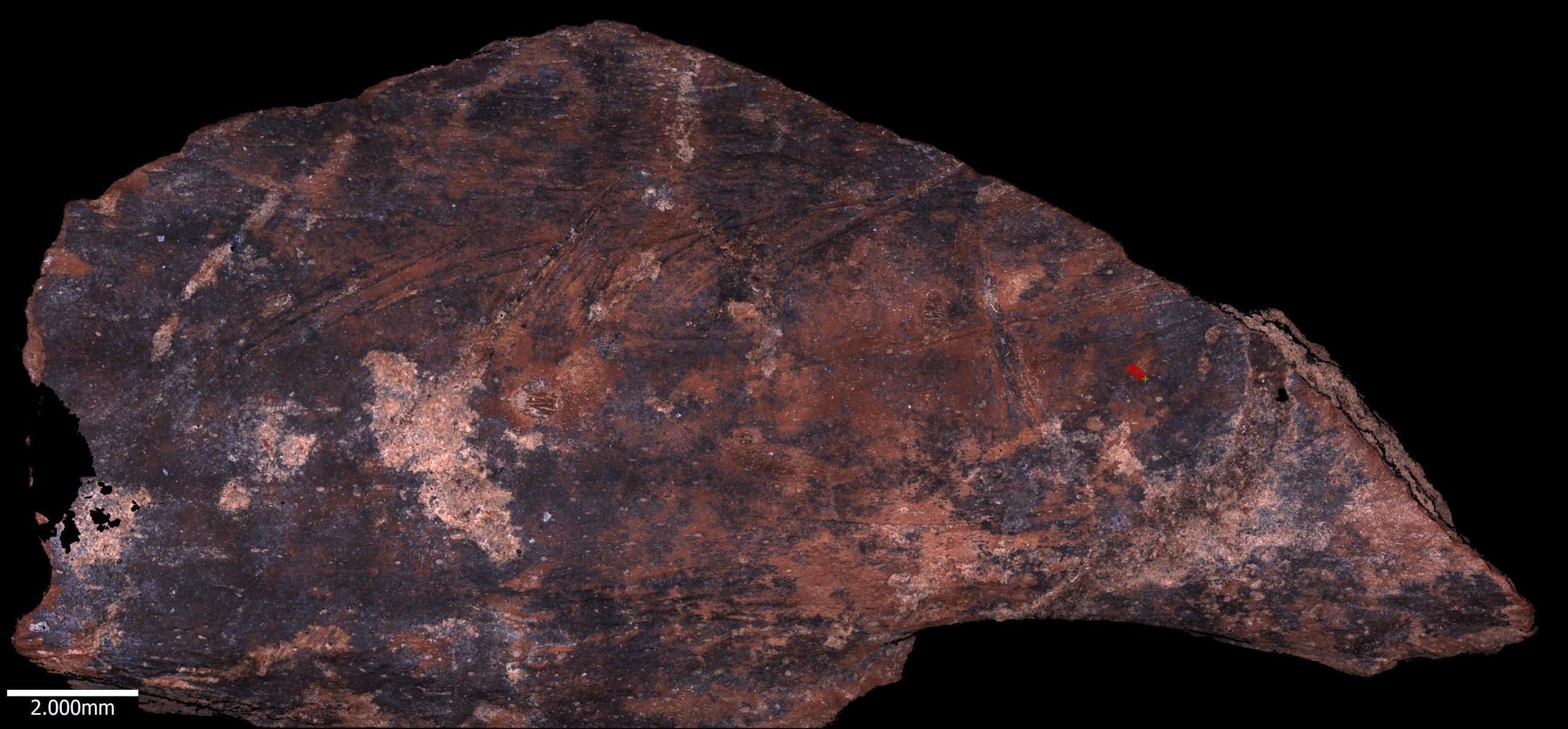
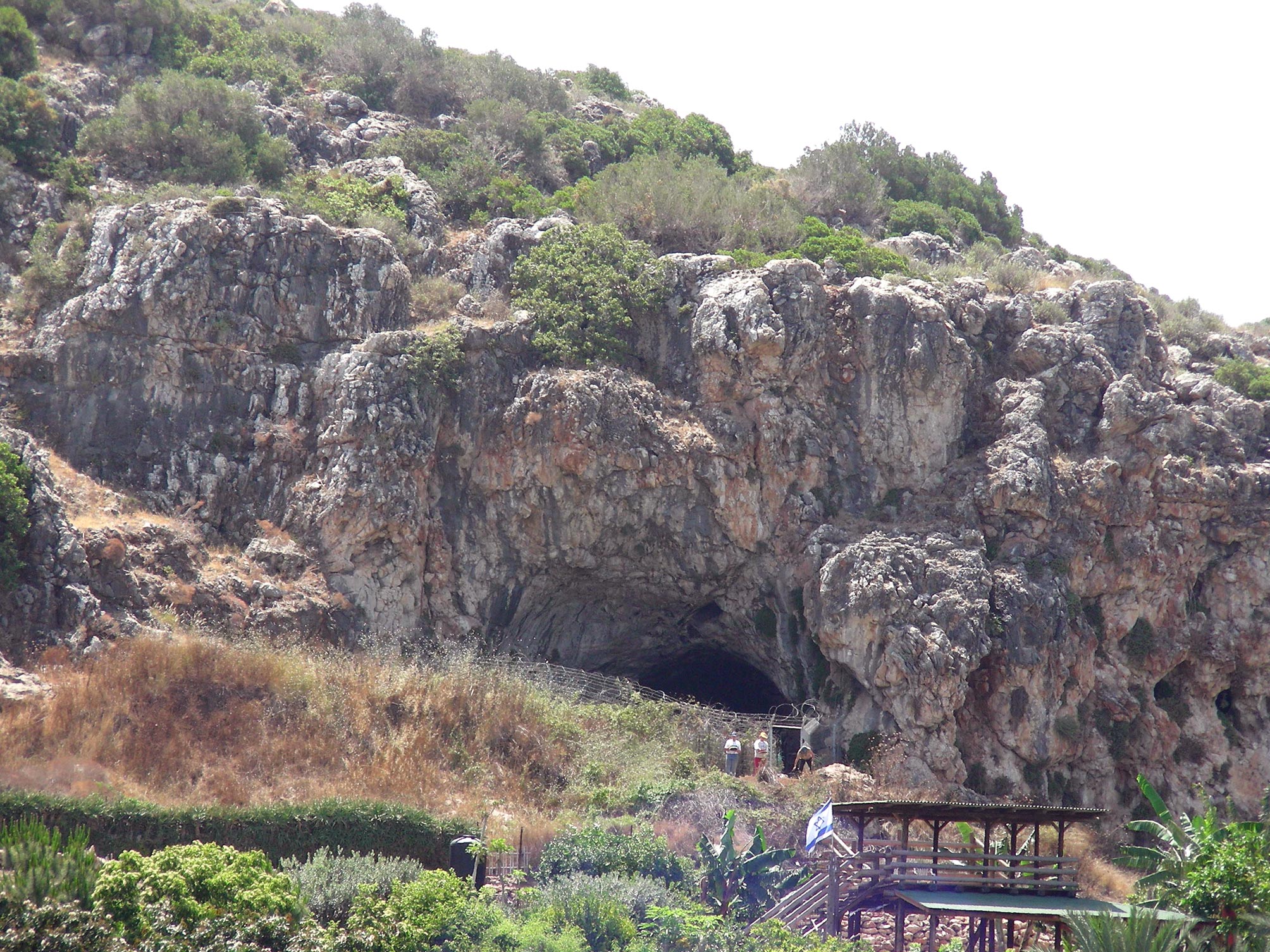
The Amud and Kebara caves lie just 70 kilometers (~43 miles) apart. Neanderthals lived in both caves during the winters between 50,000 and 60,000 years ago, leaving behind evidence like stone tools, hearths, animal bones, and even burials. Both groups hunted similar prey, including gazelles and fallow deer, and used the same flint tools. Still, their behavior wasn’t identical.
At Kebara, the Neanderthals seem to have targeted more large animals and often brought the entire carcasses back to the cave to butcher them, rather than processing them at the kill site. In contrast, this was less common at Amud.
Bones at Amud show more signs of burning, with about 40% affected, and most are broken into fragments. This could be from cooking or later damage. At Kebara, only 9% of the bones are burned, and they appear less fragmented, which may suggest controlled cooking. Interestingly, bones at Amud also show less evidence of being chewed or damaged by carnivores compared to those at Kebara.
Cut Marks Reveal Ancient Culinary Choices
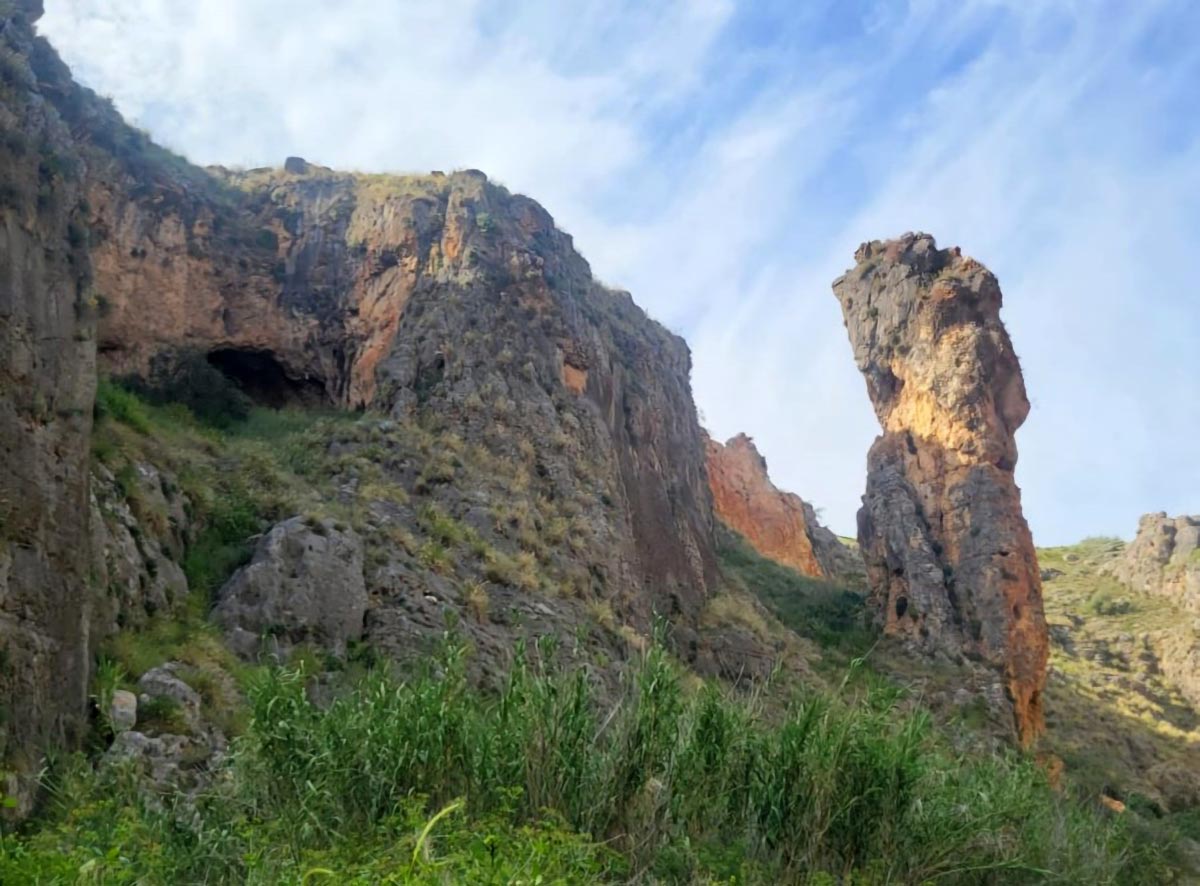
To better understand how food preparation differed between the Amud and Kebara sites, researchers analyzed a selection of animal bones showing cut marks from the same time period at each location. These bones were studied both with the naked eye and under magnification, allowing scientists to document the characteristics of the marks in detail. If the patterns appeared the same, it could point to shared butchery methods. On the other hand, noticeable differences might reflect separate cultural practices.
The cut marks on the bones were well-preserved and mostly untouched by later damage from scavengers or environmental exposure. The shape, angle, and width of the cuts were largely consistent between the two groups, which researchers believe is likely due to the use of similar stone tools. However, one key difference stood out: the marks at Amud were more densely clustered and tended to be less straight than those seen on bones from Kebara.
Cultural Butchery or Culinary Strategy?
The research team explored a range of possible reasons behind the cut-mark differences observed between the two sites. One idea was that the variation could be due to the types of animals being butchered or the kinds of bones involved. For example, most of the bones found at Amud were long bones, while this was not the case at Kebara. However, when the scientists narrowed their focus to the long bones of small hoofed animals found at both locations, the differences in cut-mark patterns remained.
Tests from experimental archaeology also ruled out other explanations. The distinct markings could not be explained by a lack of skill or by a need to butcher more aggressively to maximize food. Instead, the evidence points to intentional choices made by each group in how they prepared their meat.
One theory is that the Neanderthals at Amud may have handled their meat differently before butchering, possibly by drying it or letting it age, similar to how modern butchers hang meat before cooking. Since decayed or dried meat is tougher to cut, this could explain the more intense and irregular marks. Another explanation is that the structure of the groups may have differed, such as how many individuals worked together on a single animal, which could have influenced their butchering style.
The Recipe Puzzle Remains
However, additional research will be needed to investigate these possibilities.
“There are some limitations to consider,” said Jallon. “The bone fragments are sometimes too small to provide a complete picture of the butchery marks left on the carcass. While we have made efforts to correct for biases caused by fragmentation, this may limit our ability to fully interpret the data. Future studies, including more experimental work and comparative analyses, will be crucial for addressing these uncertainties — and maybe one day reconstructing Neanderthals’ recipes.”
Explore Further: Neanderthal “Family Recipes?” Cave Butchery Patterns Suggest Cultural Traditions
Reference: “Cut from the same cloth? Comparing Neanderthal processing of faunal resources at Amud and Kebara caves (Israel) through cut-marks analyses” by Anaëlle Jallon, Lucile Crété, Silvia M. Bello, Erella Hovers and Rivka Rabinovich, 27 May 2025, Frontiers in Environmental Archaeology.
DOI: 10.3389/fearc.2025.1575572
Never miss a breakthrough: Join the SciTechDaily newsletter.
Follow us on Google and Google News.