
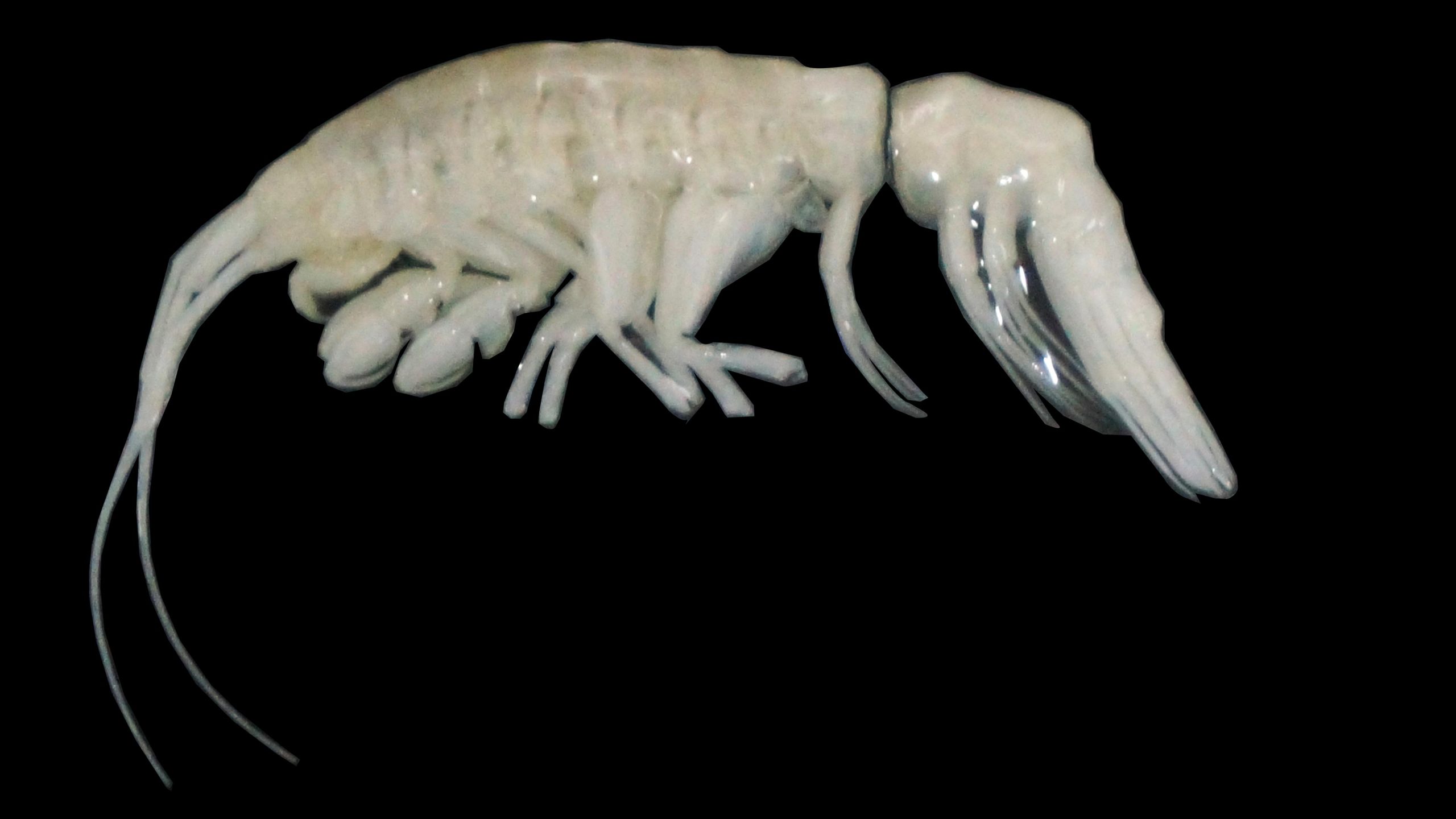
Researchers have discovered a new predatory crustacean species, Dulcibella camanchaca, in the hadal zone of the Atacama Trench.
This finding highlights the adaptive evolution necessary for survival in extreme deep-sea environments and underscores the importance of continued exploration and study of these remote ecosystems.
Discovery of Dulcibella Camanchaca
The ocean’s hadal zone, defined by crushing pressure and total darkness, might seem uninhabitable, but it’s home to a surprising array of unique creatures. Every new species discovered there helps scientists better understand how life adapts and even thrives in one of Earth’s harshest environments.
A recent study published in the journal Systematics and Biodiversity introduces one such species: Dulcibella camanchaca, a newly identified deep-sea crustacean. It’s the first known large, active predatory amphipod from the hadal depths. Researchers from the Woods Hole Oceanographic Institution (WHOI) and the Instituto Milenio de Oceanografía (IMO) at the Universidad de Concepción, Chile, made the groundbreaking discovery.
“Dulcibella camanchaca is a fast-swimming predator that we named after “darkness” in the languages of the peoples from the Andes region to signify the deep, dark ocean from where it predates,” explained Dr. Johanna Weston, the study’s co-lead author and a hadal ecologist at WHOI.
Adaptations and Habitat
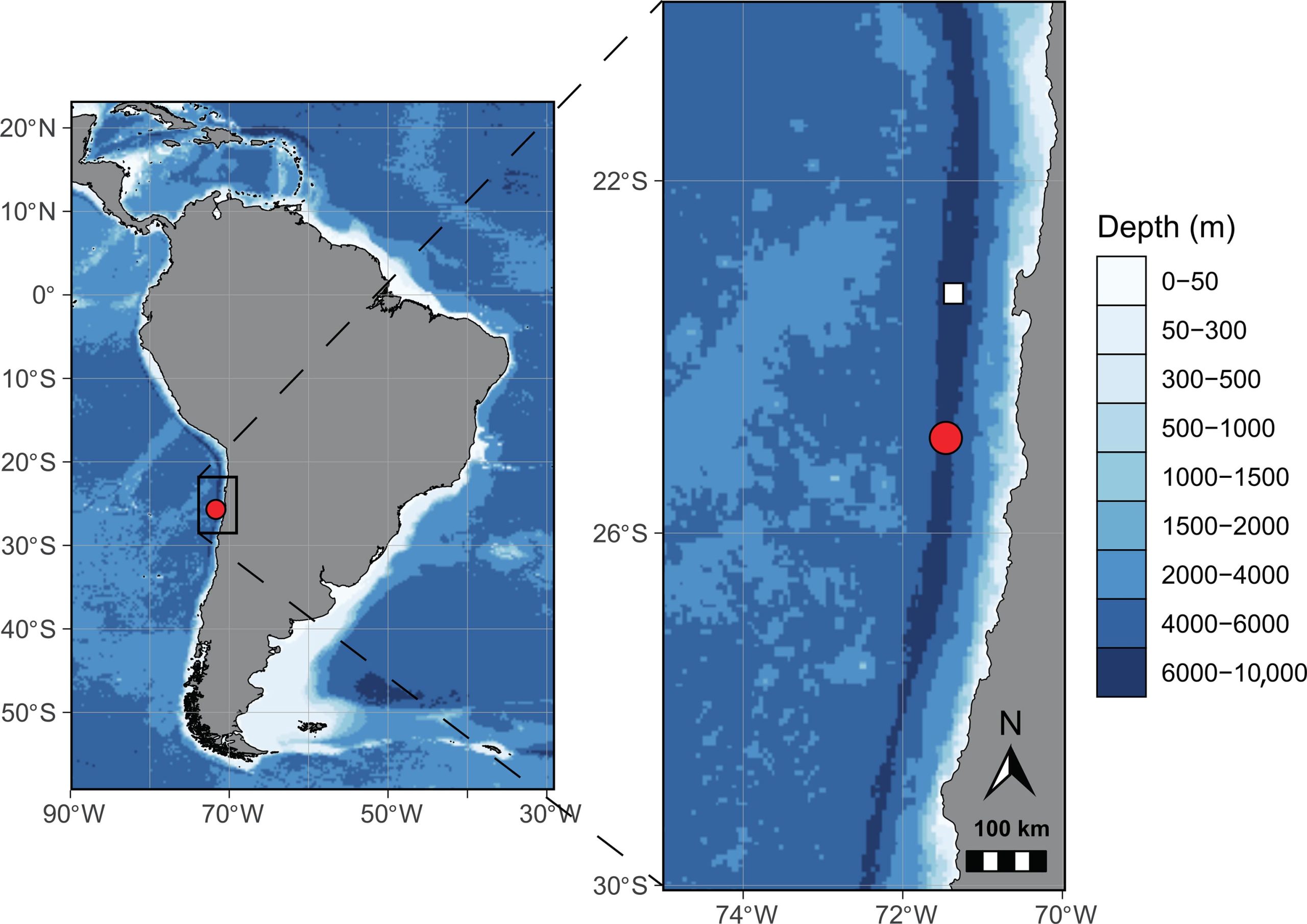
At nearly 4 centimeters in length, this crustacean uses specialized raptorial appendages to capture and prey upon smaller amphipod species in the Atacama (Peru-Chile) Trench’s food-limited realm. The trench stretches along the eastern South Pacific Ocean, plunging to depths exceeding 8,000 meters off the coast of northern Chile, and has long fascinated scientists. Located beneath nutrient-rich and productive surface waters and geographically remote from other hadal environments, the Atacama Trench hosts a distinctive community of native species.
“Most excitingly, the DNA and morphology data pointed to this species being a new genus too, emphasizing the Atacama Trench as an endemic hotspot,” continued Weston.
Impact of the IDOOS Expedition
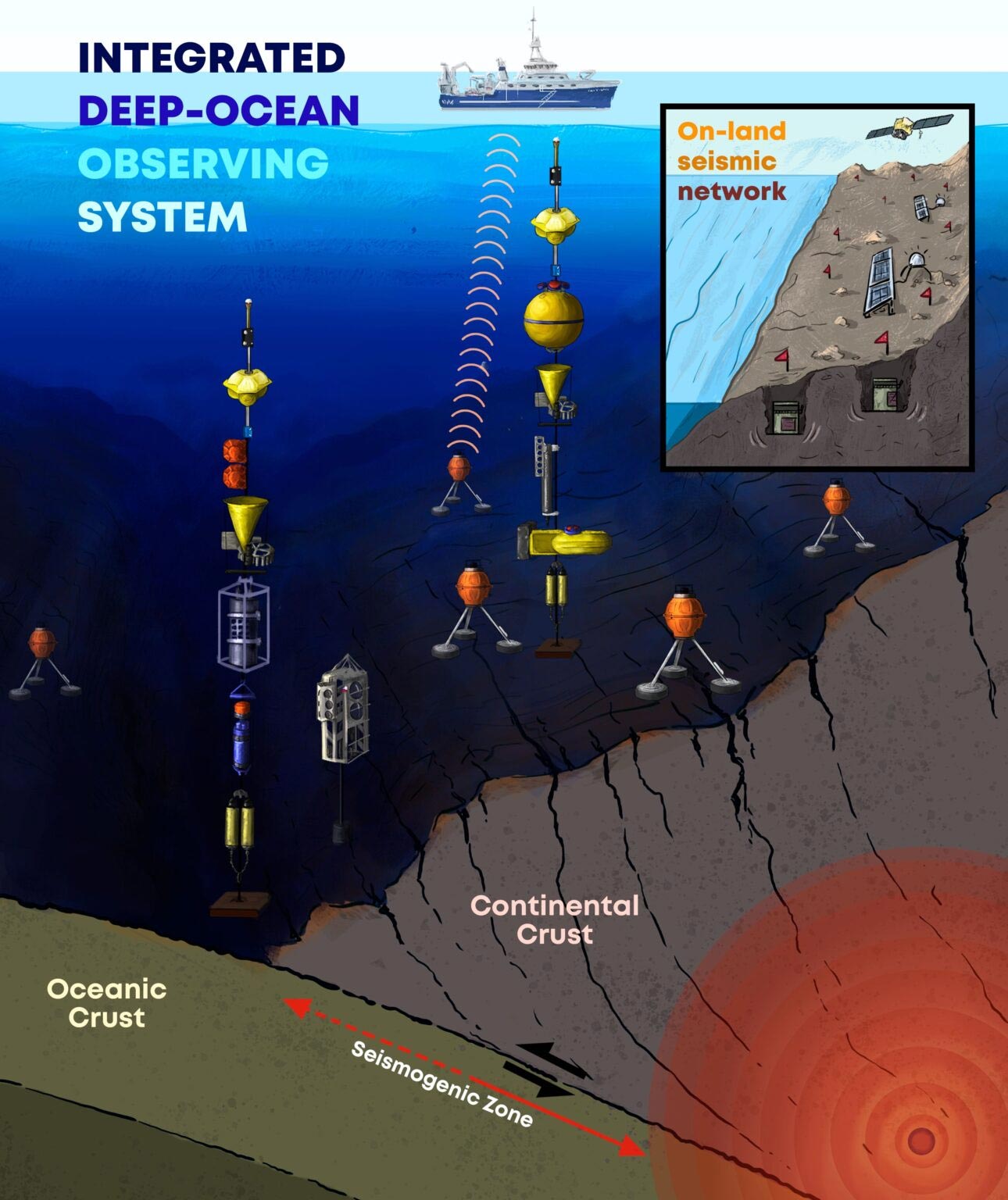
This remarkable finding is part of the 2023 Integrated Deep-Ocean Observing System (IDOOS) Expedition aboard the R/V Abate Molina, led by scientists from IMO. Four Dulcibella camanchaca individuals were collected at a depth of 7,902 meters using a lander vehicle, which is an untethered platform used for carrying scientific equipment, including baited traps, to and from the ocean floor. Once safely back on the ship’s deck, recovered amphipods were frozen and then underwent detailed morphological and genetic analysis at the Universidad de Concepción.
“This study’s collaborative effort and integrative approach confirmed Dulcibella camanchaca as a new species and highlights ongoing biodiversity discoveries in the Atacama Trench. This finding underlines the importance of continued deep-ocean exploration, particularly in Chile’s front yard,” said Dr. Carolina González, co-lead author from the IMO responsible for sample collection and DNA analysis. “More discoveries are expected as we continue to study the Atacama Trench.”
The Future of Deep-Ocean Exploration
As exploration technology advances, scientists anticipate uncovering more species, each offering insights into the evolutionary pressures and adaptations unique to the deep ocean. The results of this study will contribute to broader efforts to understand deep-ocean ecosystems and protect them from emerging threats, such as pollution and climate change.
Reference: “A new large predator (Amphipoda, Eusiridae) hidden at hadal depths of the Atacama Trench” by Johanna N. J. Weston, Carolina E. González, Rubén Escribano and Osvaldo Ulloa, 27 November 2024, Systematics and Biodiversity.
DOI: 10.1080/14772000.2024.2416430
Never miss a breakthrough: Join the SciTechDaily newsletter.
Follow us on Google and Google News.