
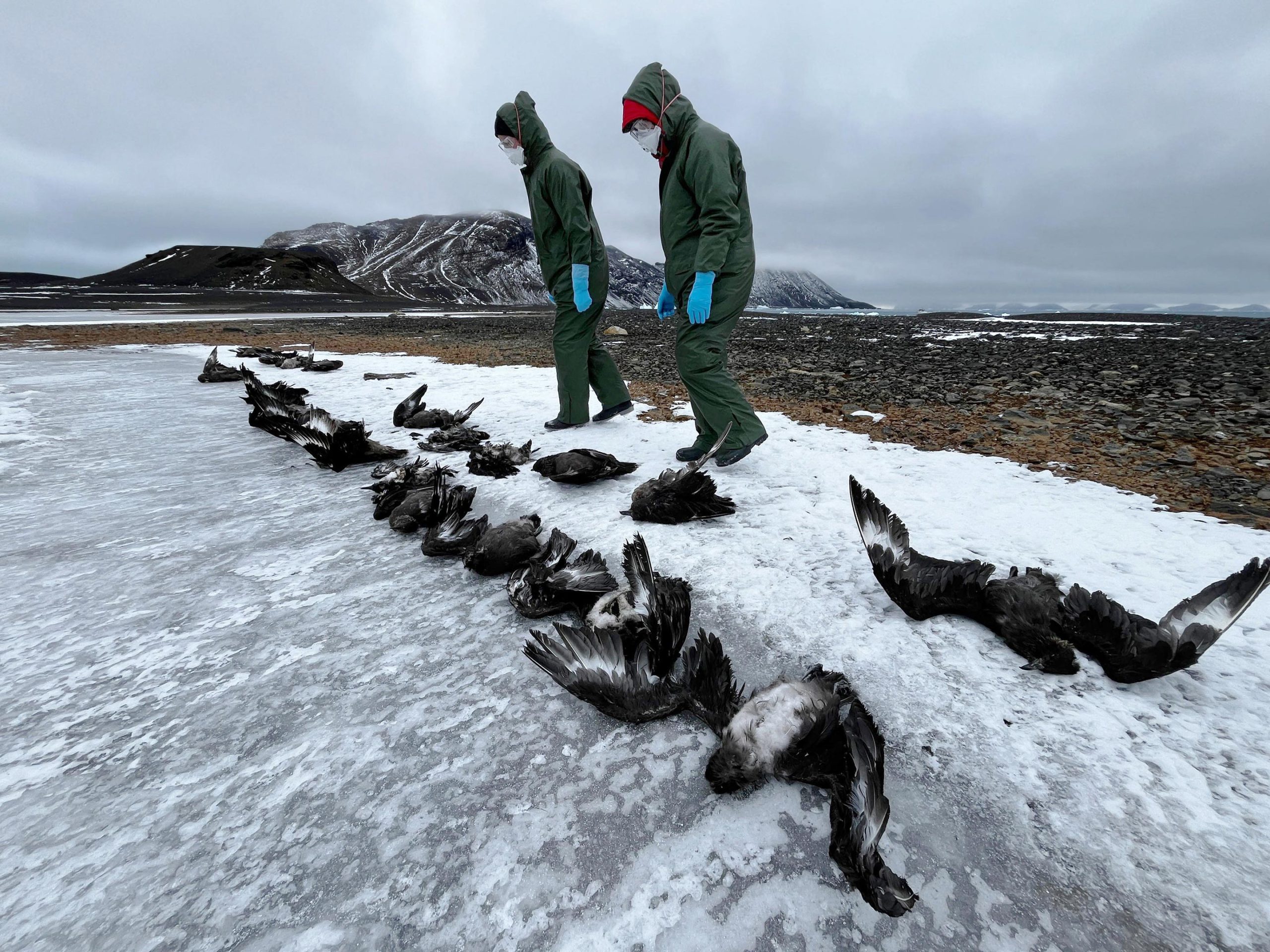
Deadly H5N1 bird flu has now claimed its first confirmed wildlife victims in Antarctica, killing more than 50 skuas.
More than 50 skuas died in Antarctica during the summers of 2023 and 2024 after being infected with the highly pathogenic avian influenza virus H5N1. Researchers say this is the first confirmed wildlife die-off linked to the virus on the continent. The findings were led by Erasmus MC in the Netherlands and the University of California, Davis, and were recently published in Scientific Reports.
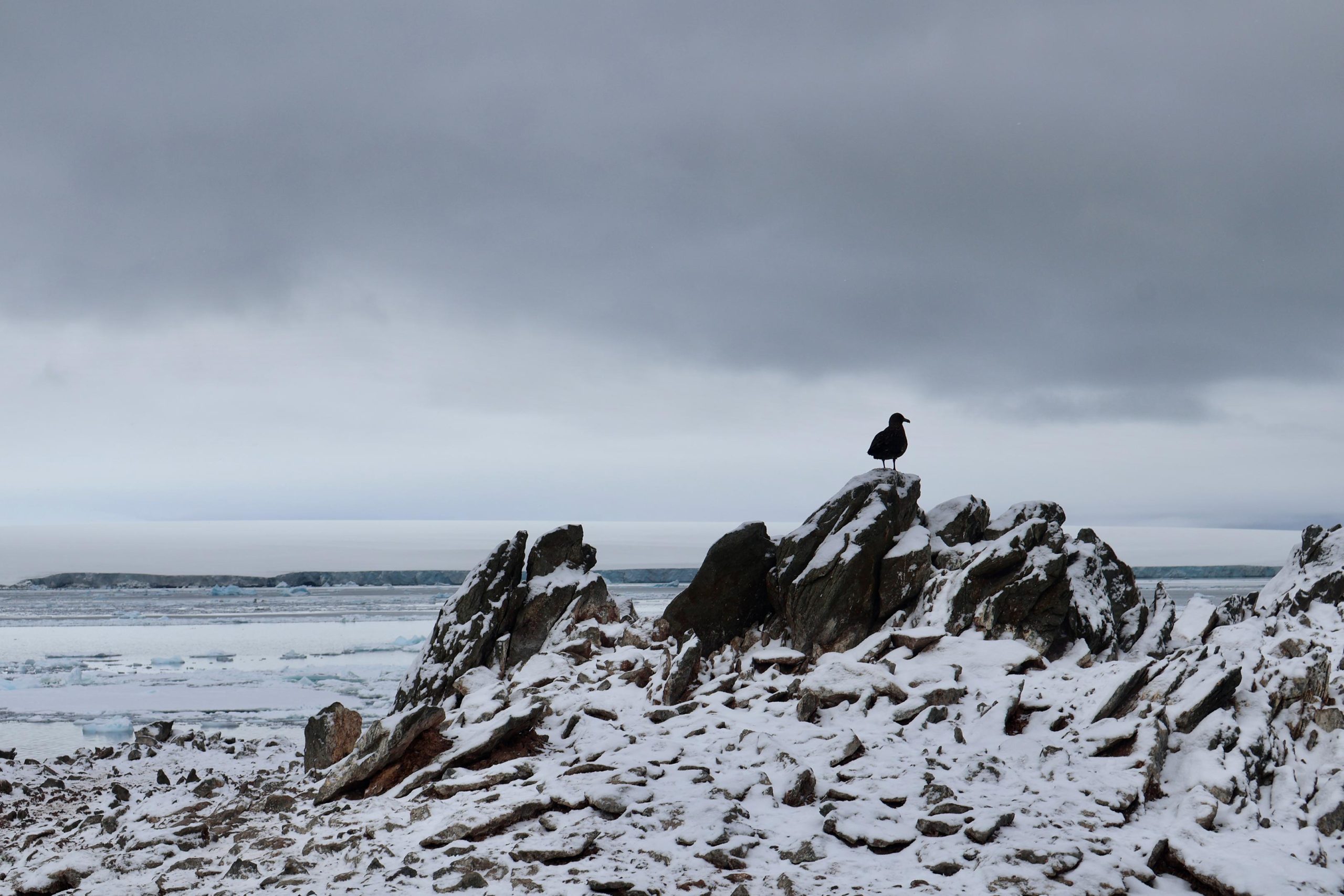
Skuas are large brown seabirds related to gulls that live mainly in polar and subpolar regions. As predators and scavengers, they play a vital role in their ecosystems, similar to birds of prey. However, that scavenging behavior may also increase their exposure to infected carcasses and potentially facilitate the virus’s spread across Antarctica, according to the study.
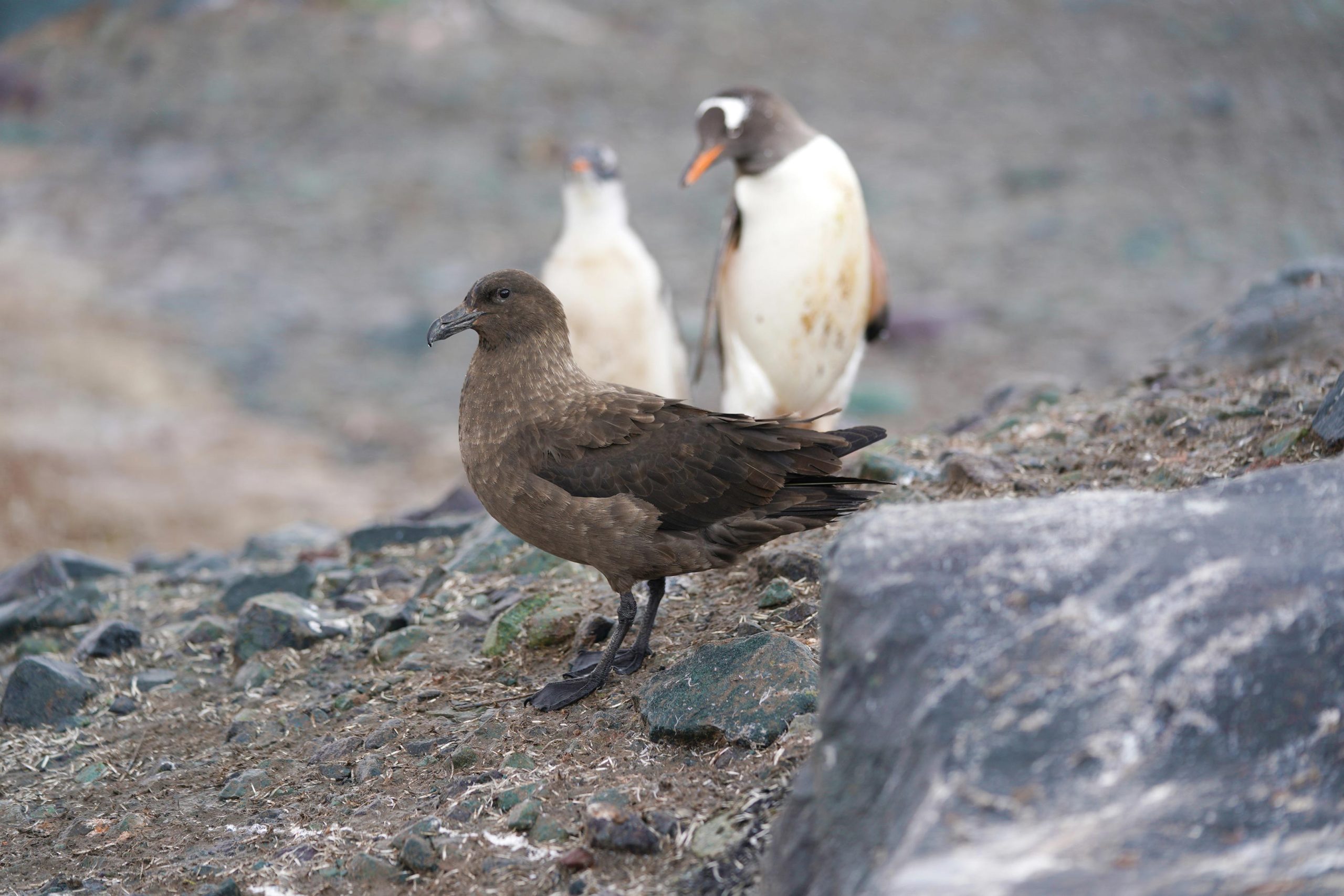
Earlier in 2024, H5N1 had been detected in a kelp gull and two skuas found dead in January and February. At the time, though, scientists had not confirmed that bird flu caused their deaths.
“We knew there were animals with the infection, but this is the first study to show they died of the viral infection,” said co-senior author Ralph Vanstreels, a wildlife veterinarian with the UC Davis One Health Institute within the Weill School of Veterinary Medicine. “It’s an important distinction in the early days of an outbreak.”
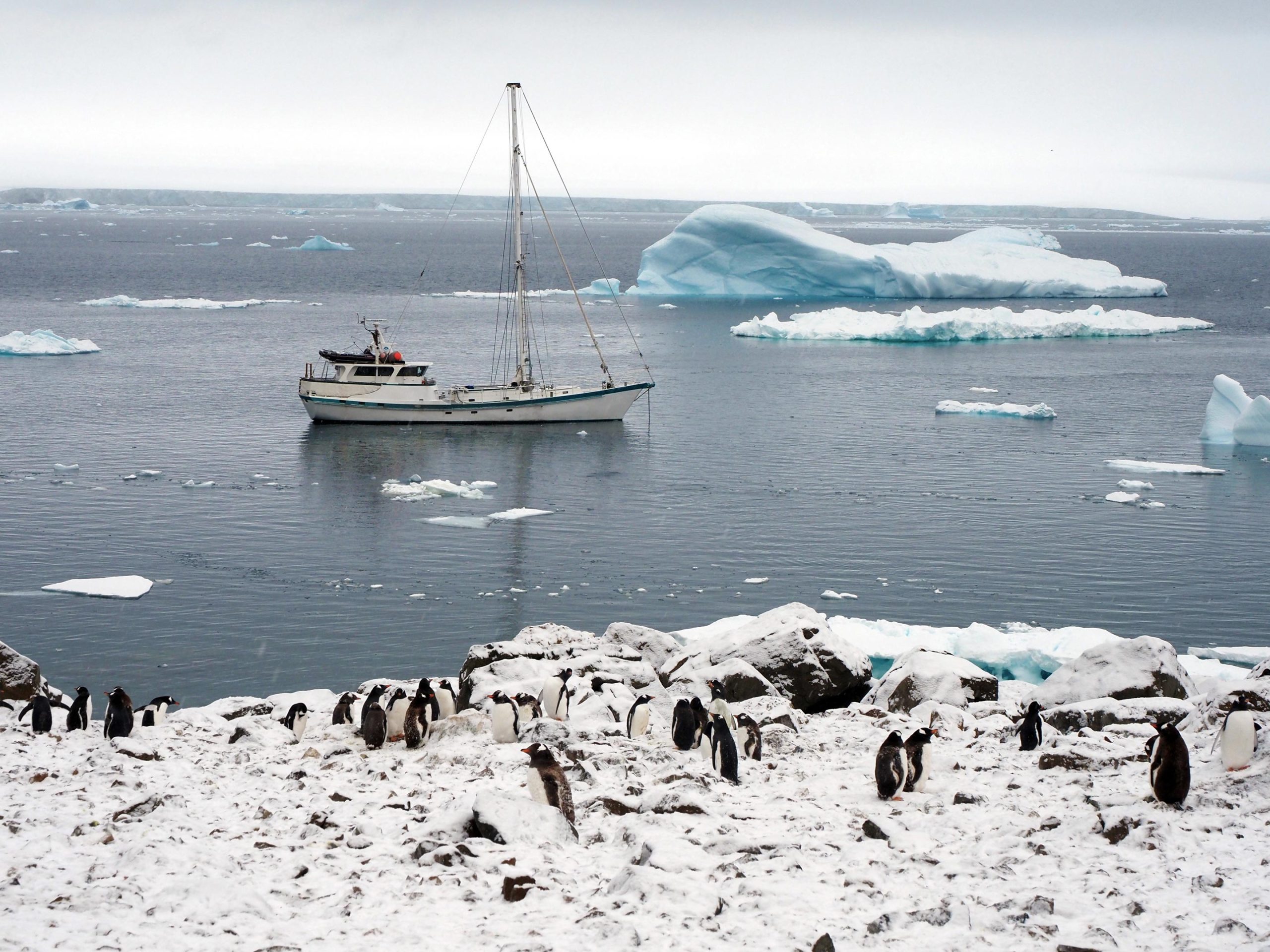
Antarctic Research Expedition Tracks H5N1 Spread
In March 2024, the research team traveled to Antarctica shortly after the breeding season for skuas and penguins. They examined wildlife at 10 sites across the South Shetland Islands, the northern Weddell Sea, and the Antarctic Peninsula.
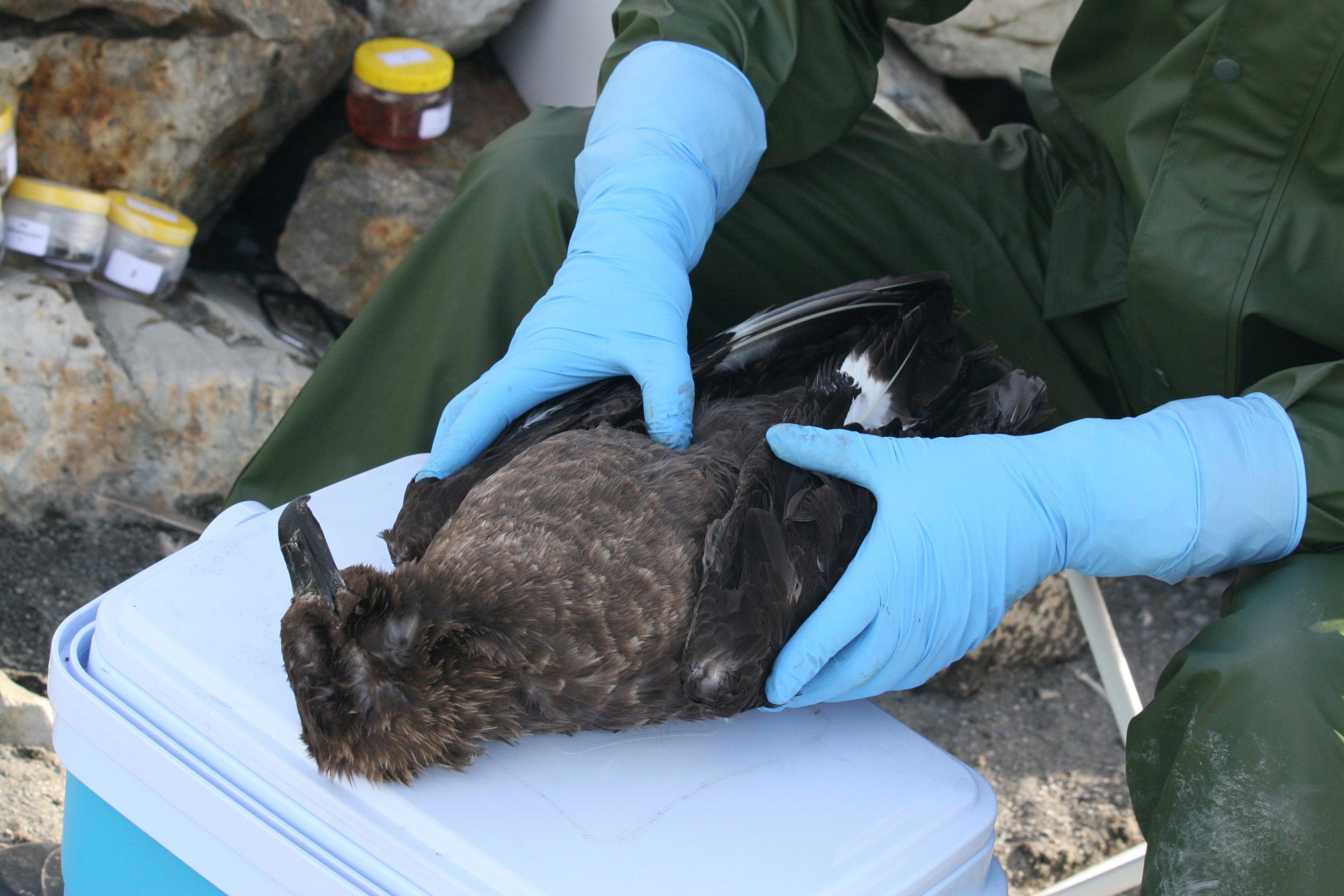
When they encountered sick or dead animals, they collected tissue and environmental samples and conducted necropsies to determine the cause of death. The team examined gentoo penguins, Adélie penguins, and Antarctic fur seals, but H5N1 was not identified as the cause of death in those species.
“As the expedition progressed, it became obvious quickly that skuas were a major victim,” said Vanstreels.
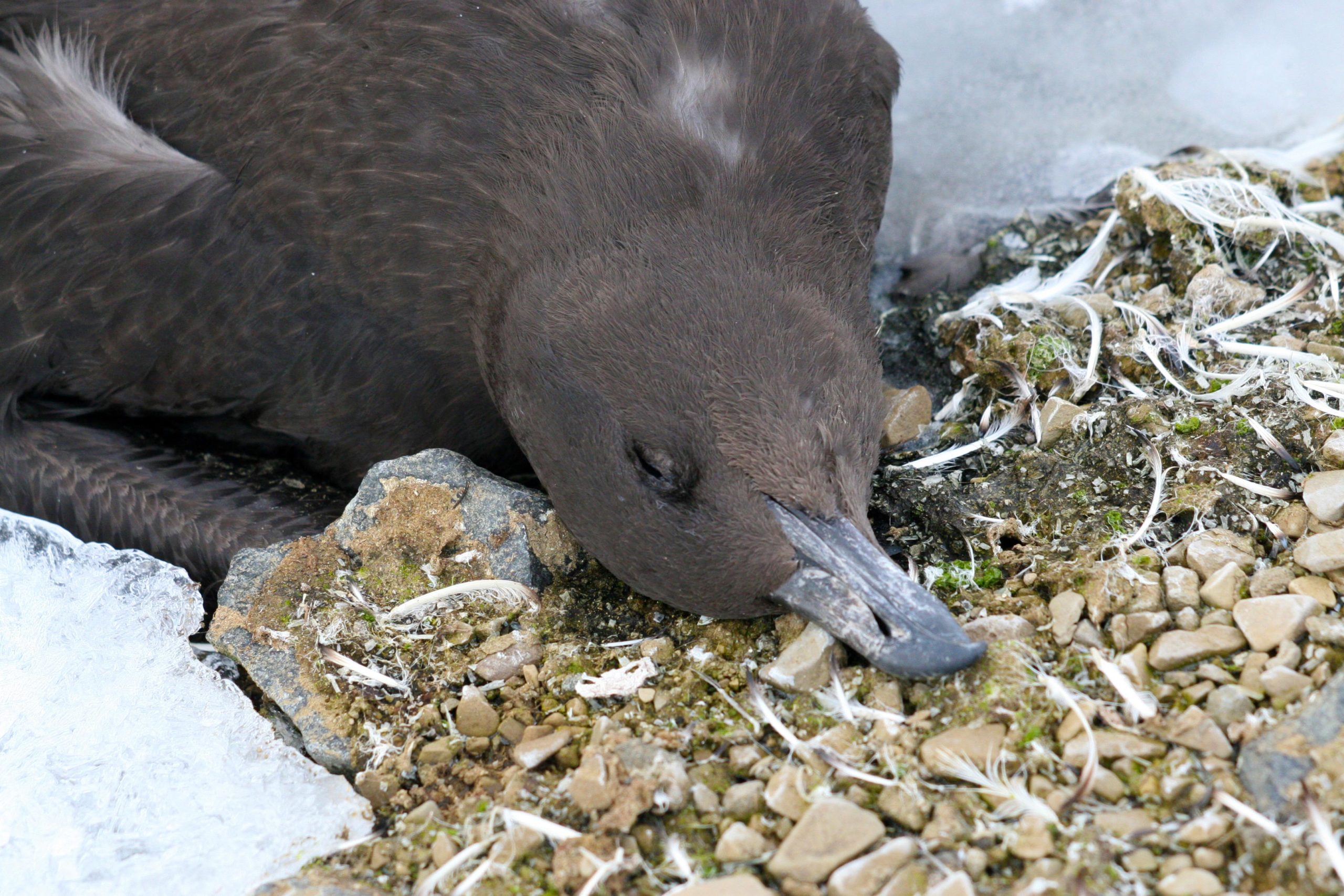
H5N1 was detected in skuas at three locations: Hope Bay, Devil Island, and Beak Island. Beak Island experienced a large die-off of south polar skuas.
“We diagnosed highly pathogenic avian influenza as the cause of death for nearly all of the dead skuas we found at Beak Island,” said first author Matteo Iervolino, a Ph.D. candidate at Erasmus MC in Rotterdam, The Netherlands. “There, I could really see with my eyes the impact this virus can have on these populations.”
Vanstreels described the situation as a “crisis in animal suffering.” The virus attacks the brain, leading to neurological symptoms such as twisted necks and unusual stretching movements. Infected birds may walk or swim in circles, collide with objects, or fall from the air. The researchers stress that human activity contributed to the emergence of the virus and that people also play a role in limiting its spread.
Global Spread of the H5N1 Bird Flu Virus
H5N1 was first identified in 1996 on a domestic goose farm in Southeast China. It circulated in poultry for several years without being brought under control. During that time, it spilled over into wild birds and spread across Europe, the Middle East, and Africa, later reaching North and South America, and by early 2024, Antarctica.
The same viral lineage affecting Antarctic skuas previously devastated elephant seals and sea lions in Argentina. It has also resulted in the loss of more than 400 million poultry and has infected dairy cows, mink, foxes, bears, otters, and many other mammals and wild birds.
The virus can infect humans as well. Of the roughly 1,000 reported human cases, about half were fatal.
“We let the virus slip out through our fingers when it first emerged in the poultry industry,” said corresponding senior author Thijs Kuiken, a professor at Erasmus MC. “Once it got into wild bird populations, we lost ability to control this virus. Now it’s established in wild bird populations in all the continental regions of the world except Oceania.”
Calls for Greater Surveillance in Antarctica
Antarctic wildlife already contend with extreme conditions and mounting pressures such as climate change, expanding tourism, invasive species, overfishing, and pollution. The addition of avian influenza represents another serious threat. The researchers emphasize the need for stronger surveillance and monitoring to reduce the risk of additional spread.
Reliable population data are also limited. The last census of Antarctic skuas was conducted in the 1980s, when scientists counted about 800 breeding pairs. Without updated numbers, it is difficult to determine how significant the loss of 50 birds may be.
“Everything points toward this virus spreading further,” Kuiken said. “If nobody is watching, we won’t know what is happening.”
Reference: “The expanding H5N1 avian influenza panzootic causes high mortality of skuas in Antarctica” by Matteo Iervolino, Anne Günther, Lineke Begeman, Begoña Aguado, Theo M. Bestebroer, Beatriz Bellido-Martin, Adam Coerper, M. Valentina Fornillo, Bruno Fusaro, Andrés E. Ibañez, Lonneke Leijten, Simeon Lisovski, Mariané B. Mañez, Alice Reade, Peter van Run, Florencia Soto, Ben Wallis, Meagan Dewar, Antonio Alcamí, Martin Beer, Ralph E. T. Vanstreels and Thijs Kuiken, 14 January 2026, Scientific Reports.
DOI: 10.1038/s41598-025-34736-3
The HPAI Australis Expedition was funded by the International Association of Antarctica Tour Operators (IAATO) and Ocean Expeditions. The study was supported by the European Union, Consejo Superior de Investigaciones Científicas (CSIC), and PTI Global Health.
Never miss a breakthrough: Join the SciTechDaily newsletter.
Follow us on Google and Google News.