
Close Menu
    Facebook X (Twitter) Instagram
    SciTechDaily
    • Biology
    • Chemistry
    • Earth
    • Health
    • Physics
    • Science
    • Space
    • Technology
    Facebook X (Twitter) Pinterest YouTube RSS
    SciTechDaily
    Home»Science»Breeding Area for the Blackthroat Luscinia Obscura Discovered
    Science

    Breeding Area for the Blackthroat Luscinia Obscura Discovered

    By SciTechDailyDecember 20, 2011No Comments1 Min Read
    Facebook Twitter Pinterest Telegram LinkedIn WhatsApp Email Reddit
    Share
    Facebook Twitter LinkedIn Pinterest Telegram Email Reddit
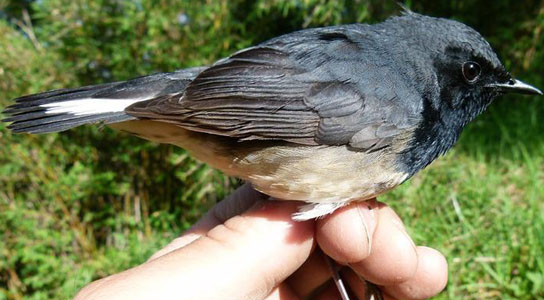
    The Blackthroat Luscinia Obscura Discovered
    Blackthroat Luscinia obscura

    In June of 2011, a team of Chinese and Swedish researchers rediscovered the breeding area for the Blackthroat Luscinia obscura, in the Qinling Mountains, Shaanxi province, in north central China. Seven singing males were seen in Foping and seven more in Changqing National Nature Reserves.

    This is a spectacular find because that nearly equals the total number reported since its discovery in the late 19th century. It suggests that even if they haven’t thrived, their numbers must be about the same. Almost all of the birds were seen on mountain slopes at 2400 meters (7,900 feet) above sea level in dense expanses of bamboo.

    In the late 19th and early 20th centuries, about 10 Blackthroats were collected in both the Gansu and Shaanxi provinces during the breeding season. But after that, there have only been a handful of unconfirmed sightings from Sichuan and Yunnan provinces. The most recent was of a bird photographed during migration on the campus of Sichuan University on May 2, 2011. One was also caught in Thailand in winter.

    Never miss a breakthrough: Join the SciTechDaily newsletter.
    Follow us on Google and Google News.

    Birds China Popular
    Share. Facebook Twitter Pinterest LinkedIn Email Reddit

    Related Articles

    “Amazing” New Fossil Birds – From the Time of Dinosaurs – Discovered Near China’s Great Wall

    Late Pleistocene Humans May Have Hatched and Raised “World’s Most Dangerous Bird” 18,000 Years Ago

    Unraveling a Mystery: Bird Brains Left Other Dinosaurs Behind

    Tiny Ancient Bird Discovered in China Shares Skull Features With Tyrannosaurus rex

    Hidden Diversity During the Age of Dinosaurs Revealed by Early Bird With Tall, Sickle-Shaped Beak

    One-of-a-Kind Dinosaur Specimen Discovered in China Offers View Into Dinosaur-Bird Evolution

    Cretaceous Period Sankofa Pyrenaica Fossilized Eggs Are Unusually Shaped

    Feathered Yutyrannus Huali Specimen Found in China, Closely Related to Tyrannosaurus Rex

    China to Create 10% More Rain by 2015

    Leave A Reply Cancel Reply

    • Facebook
    • Twitter
    • Pinterest
    • YouTube

    Don't Miss a Discovery

    Subscribe for the Latest in Science & Tech!

    Trending News

    These Toads Are Surviving a Deadly Fungus – Scientists May Finally Know Why

    These Brain Cells May Explain Why We Eventually Have To Sleep

    Tomatoes Contain an Invisible Ingredient With Surprising Effects on Liver Health

    World’s First Heat-Powered Cooling System Turns Waste Heat Into Cold

    Antarctica Gained a Record 695 Billion Tons of Ice in Just Two Years

    Don’t Miss: A Brilliant Venus and Glowing Harvest Moon Light Up the Sky

    New Twist on the Einstein Problem Reveals Unexpected Physics

    JWST Captures Stunning Evidence of How Supermassive Black Holes Feed

    Follow SciTechDaily
    • Facebook
    • Twitter
    • YouTube
    • Pinterest
    • Newsletter
    • RSS
    SciTech News
    • Biology News
    • Chemistry News
    • Earth News
    • Health News
    • Physics News
    • Science News
    • Space News
    • Technology News
    Recent Posts
    • Scientists Discover a Hidden Defect That Could Explain Why IBD Keeps Coming Back
    • Millions Take Blood Pressure Drugs, but Many May Be Missing Their Heart-Protective Benefits
    • Could Alien Life Be Conscious in Ways We Can’t Imagine?
    • Scientists Develop a Fruit Wash That Removes Pesticide Residues and Keeps Produce Fresh Longer
    • Scientists May Have Finally Explained Why Astronauts Get Constipated in Space
    Copyright © 1998 - 2026 SciTechDaily. All Rights Reserved.
    • Science News
    • About
    • Contact
    • Editorial Board
    • Privacy Policy
    • Terms of Use

    Type above and press Enter to search. Press Esc to cancel.