
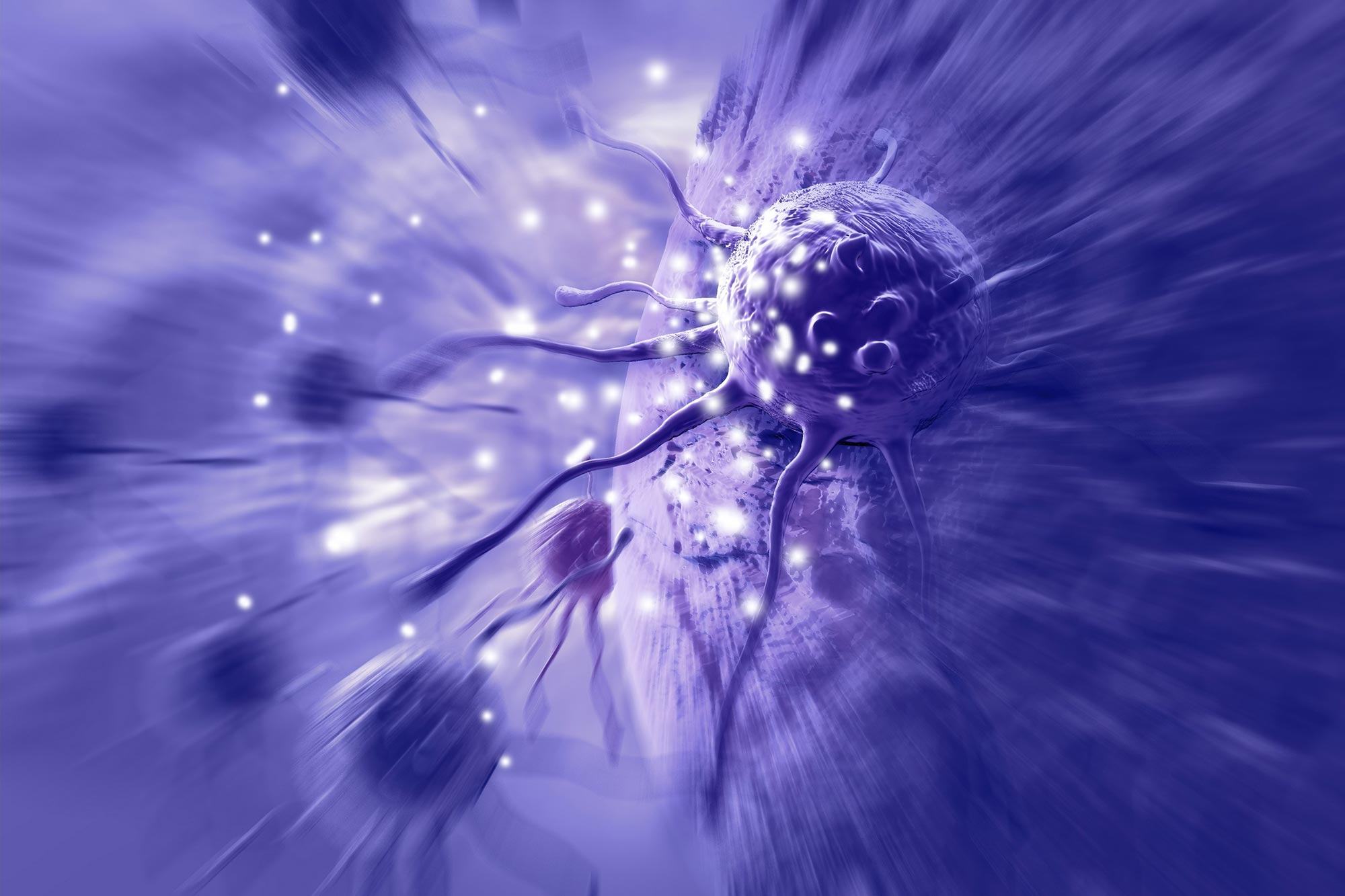
Every cell synthesizes its own proteins by interpreting the genetic information in its genes. Mutations, which are changes in this information, can impair the function of the affected proteins. In oncology, this is regarded as the genetics of cancer. However, over the last few decades, a new field has emerged: the epigenetics of cancer.
Epigenetic Changes in Cancer
Epigenetic modifications do not change the information but transiently modifies the cell’s ability to read some of its own genes and produce the associated proteins instead. There is a vast epigenetic program controlling in such way the general working of the cell and, when altered, it may put it at the starting line of malignant transformation.
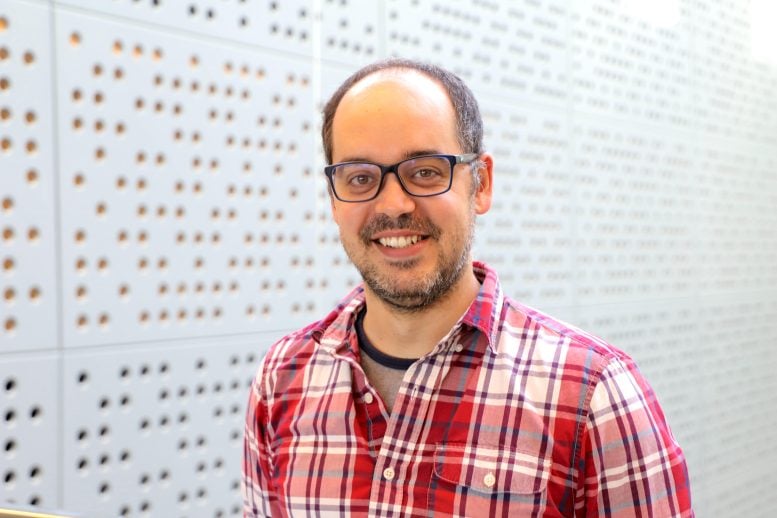
Josep Carreras Leukaemia Research Institute
Is there a way to track these changes and understand the epigenetics of cancer transition?
Breakthrough Research in Cancer Analysis
An international team of researchers has started to unlock this long-awaited milestone. In a tour de force, they analyzed 1.7 million cells from 225 samples from primary and metastatic origin, from 205 patients of 11 different cancer types.
For each cell, the team obtained the full transcriptome, exome, and epigenome. This covers virtually all gene mutations, gene accessibility, and their consequences. Using vast computational power, they could deduce the whole functional status of each analyzed cell and link it to its particular cancer type.
The results of the work, published in the prestigious scientific journal Nature, demonstrate that many regions in the DNA are differentially activated or inactivated in a cancer-specific manner, creating a signature for each tumor.
These differences are relevant for cancer progression and many correspond to already identified hallmarks of cancer, the steps a cell must undergo to become malignant. Dr. Eduard Porta, group leader at the Josep Carreras Leukaemia Research Institute (IJC-CERCA), is part of the team and contributed with his experience in the analysis of large amounts of biological data.
Epigenetic Changes as Cancer Drivers
Epigenetic changes at the DNA level stand out as an underlying cause of cancer, according to the new publication. Particularly, the accessibility of enhancer regions, a kind of master regulator acting upon many genes at once.
Taken together, the results converge into a short list of genes that can be used as markers for good or poor prognosis, valuable information for the clinical management of patients.
The analysis has also identified the cellular pathways of these important genes, making it possible to track their distant interactions. Sometimes, the affected genes are so fundamental that is impossible to drug them directly without side effects but, knowing the full pathway, researchers may develop strategies to target the weakest link in the chain, maximizing the therapeutic benefits while minimizing undesirable effects.
Reference: “Epigenetic regulation during cancer transitions across 11 tumour types” by Nadezhda V. Terekhanova, Alla Karpova, Wen-Wei Liang, Alexander Strzalkowski, Siqi Chen, Yize Li, Austin N. Southard-Smith, Michael D. Iglesia, Michael C. Wendl, Reyka G. Jayasinghe, Jingxian Liu, Yizhe Song, Song Cao, Andrew Houston, Xiuting Liu, Matthew A. Wyczalkowski, Rita Jui-Hsien Lu, Wagma Caravan, Andrew Shinkle, Nataly Naser Al Deen, John M. Herndon, Jacqueline Mudd, Cong Ma, Hirak Sarkar, Kazuhito Sato, Omar M. Ibrahim, Chia-Kuei Mo, Sara E. Chasnoff, Eduard Porta-Pardo, Jason M. Held, Russell Pachynski, Julie K. Schwarz, William E. Gillanders, Albert H. Kim, Ravi Vij, John F. DiPersio, Sidharth V. Puram, Milan G. Chheda, Katherine C. Fuh, David G. DeNardo, Ryan C. Fields, Feng Chen, Benjamin J. Raphael and Li Ding, 1 November 2023, Nature.
DOI: 10.1038/s41586-023-06682-5
Never miss a breakthrough: Join the SciTechDaily newsletter.
Follow us on Google and Google News.