
The lives of patients hospitalized with COVID-19 are being saved by doctors who are using an existing medical treatment at an earlier stage.
Dr. Luigi Sedda of Lancaster University analyzed the results from the team at Wrightington, Wigan, and Leigh Teaching Hospitals NHS Trust (WWL). Their research has now been published in the prestigious medical journal BMJ Respiratory Open.
He said: “We show that Continuous Positive Airway Pressure (CPAP) in the first days of hospitalization seems to save between 10% to 20% of patients. However, it is important to underline that this was a pilot study with a small sample size, although comforting evidence is starting to emerge elsewhere.”
According to NHS England, 96% of people who died with Covid had at least one serious health condition and the majority are over the age of 80.
The team led by Dr. Abdul Ashish used the CPAP machines on patients with COVID-19 admitted to the Royal Albert Edward Infirmary in Wigan.
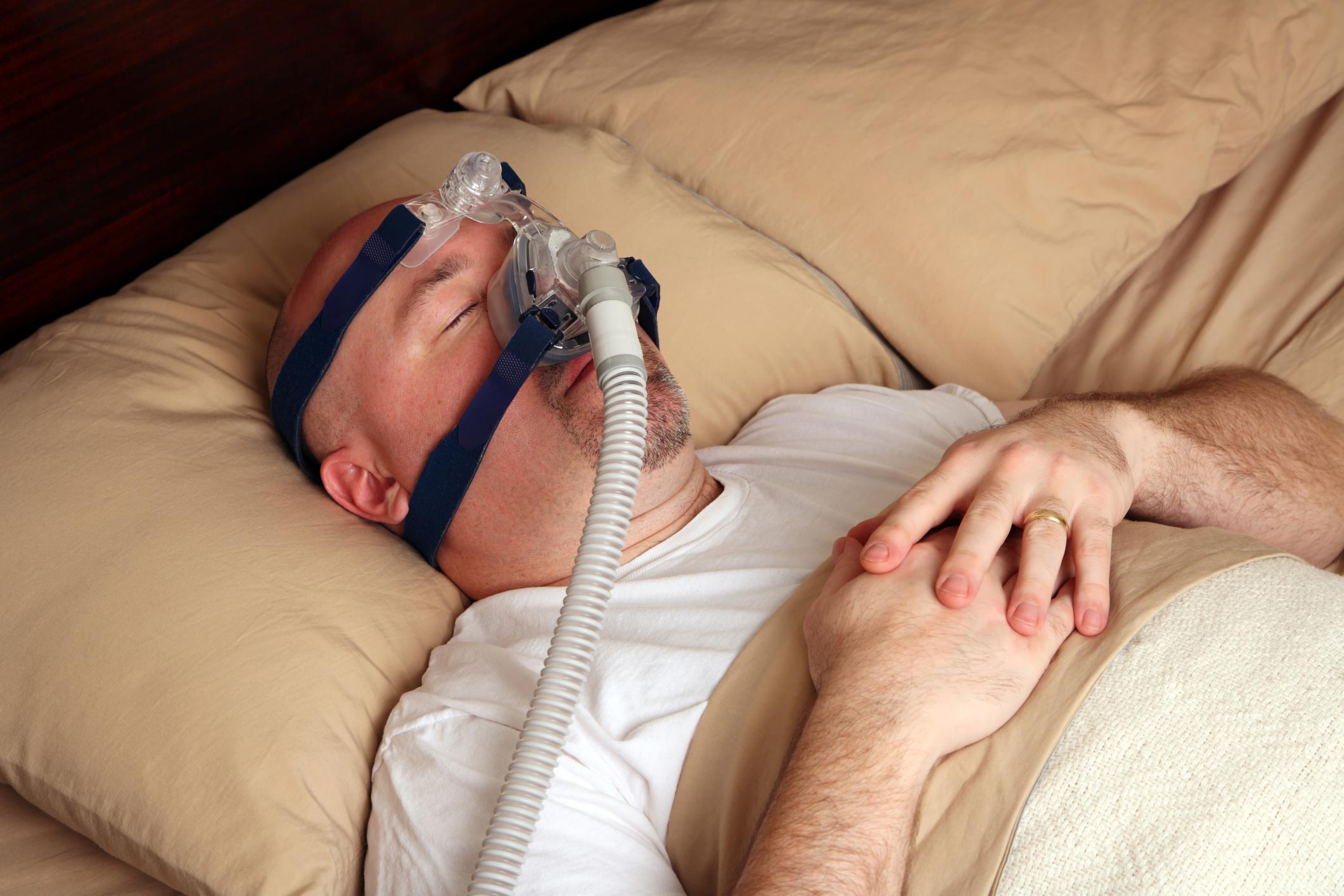
In the case of patients with severe acute respiratory syndrome, COVID-19 may cause the lungs to swell and collapse. CPAP treatment, which is often used at home to help people with sleep problems, helps to keep the lungs open and makes breathing easier.
The research conducted by the team showed how CPAP treatment can be delivered effectively in a ward setting, with low resources both across the country and worldwide where intensive care bed availability is limited.
The research has so far helped almost a hundred patients at the Royal Albert Edward Infirmary.
Consultant Respiratory Physician Dr. Ashish said: “When you use CPAP early in the admission it stops the patient getting worse, therefore avoiding invasive ventilation techniques. As CPAP is readily available and can be used in a ward setting, we have demonstrated that, when used early, it can be a very effective way of treating severe COVID-19 pneumonia.
“We are one of the early adopters of ward-based CPAP in the North West and have developed local protocols and pathways by modifying our existing CPAP machines to deliver good outcomes for our patients.”
The researchers also found that the early use of CPAP potentially reduces lung damage during the worst of the COVID-19 infection and allows the patient to recover from the inflammatory effects. However, when used later, CPCP does not prevent lung damage thus leading to additional inflammation and a reduction in survival chances.
Dr. Martin Farrier, Associate Medical Director, said: “We are at the forefront of developing care for COVID-19 patients and have developed a very effective treatment strategy for our population who develop lung failure following COVID-19 infection. The people of Wigan can be sure that they are going to get the best care at WWL because we have helped to develop the best care.”
He praised Dr. Luigi Sedda and his team at Lancaster University.
“This collaboration with Lancaster University has been remarkable and allowed us to deliver high quality research.
“The BMJ Respiratory Open is a very significant journal, but more than that, the results of the work are important in terms of our response to COVID-19 and for our organization. This is the most important publication on the use of CPAP in treating COVID-19 patients and shows a significant association with a fall in mortality. The way that we treat patients here in Wigan has been influential in the way that patients are now treated in other organizations.”
Reference: “CPAP management of COVID-19 respiratory failure: a first quantitative analysis from an inpatient service evaluation” by Abdul Ashish, Alison Unsworth, Jane Martindale, Ram Sundar, Kanishka Kavuri, Luigi Sedda and Martin Farrier, 4 November 2020, .
DOI: 10.1136/bmjresp-2020-000692
Never miss a breakthrough: Join the SciTechDaily newsletter.
Follow us on Google and Google News.