
Close Menu
    Facebook X (Twitter) Instagram
    SciTechDaily
    • Biology
    • Chemistry
    • Earth
    • Health
    • Physics
    • Science
    • Space
    • Technology
    Facebook X (Twitter) Pinterest YouTube RSS
    SciTechDaily
    Home»Health»Does Oral Immunotherapy for Peanut Allergy Work & What Happens When You Stop?
    Health

    Does Oral Immunotherapy for Peanut Allergy Work & What Happens When You Stop?

    By NIH/National Institute of Allergy and Infectious DiseasesSeptember 15, 2019No Comments3 Mins Read
    Facebook Twitter Pinterest Telegram LinkedIn WhatsApp Email Reddit
    Share
    Facebook Twitter LinkedIn Pinterest Telegram Email Reddit
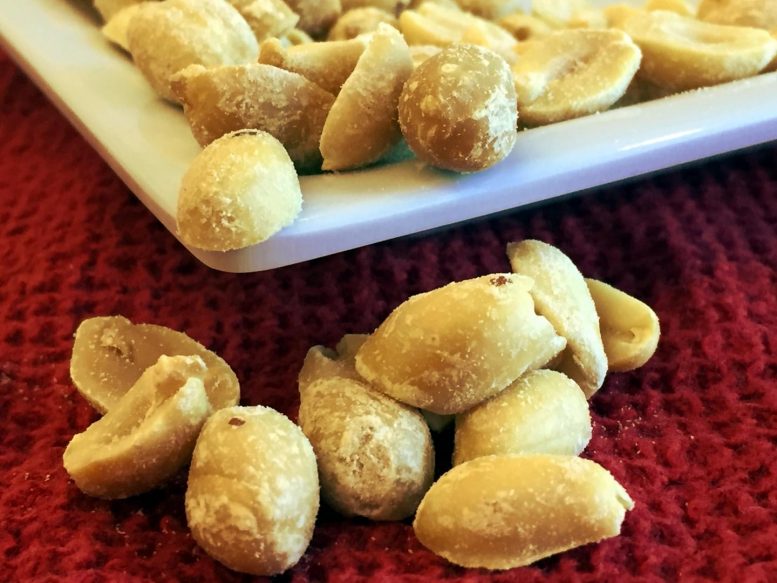
    Peanuts
    Image Credit: NIAID

    Few people with peanut allergy tolerate peanut after stopping oral immunotherapy. Continuing with a modest dose confers more protection, NIH-funded study finds.

    Allergy to peanut, which is often severe, is one of the most common food allergies in the United States. Although previous studies have shown that peanut oral immunotherapy (OIT)—ingesting small, controlled amounts of peanut protein—can desensitize adults and children and prevent life-threatening allergic reactions, the optimal duration and dose are unknown. In a study that followed participants after OIT successfully desensitized them to peanut, discontinuing OIT or continuing OIT at a reduced dose led to a decline in its protective effects. The study, published online today in The Lancet, also found that several blood tests administered before OIT could predict the success of therapy. The Phase 2 study—supported by the National Institute of Allergy and Infectious Diseases (NIAID), part of the NIH—may inform who may benefit from peanut OIT and what changes in this experimental treatment should be implemented.

    Investigators at Stanford University enrolled 120 people aged 7 to 55 with diagnosed peanut allergy in the Peanut Oral Immunotherapy Study: Safety Efficacy and Discovery, or POISED. While otherwise avoiding peanut throughout the trial, 95 participants received gradually increasing daily doses of peanut protein up to 4 grams, and 25 participants received daily placebo oat flour OIT. After 24 months, participants were given gradually increasing amounts of peanut in a controlled environment, to assess their tolerance. Of those participants who received peanut OIT, 83% passed the peanut challenge without an allergic reaction, while only 4% on placebo OIT did so.

    Those on OIT who passed the challenge were then randomized to receive either placebo OIT or were switched to a 300-mg daily dose of peanut protein. One year later, more participants on 300-mg peanut OIT (37%) passed the challenge than those on placebo OIT (13%), confirming insights from smaller trials that desensitization is maintained in only a minority of participants after OIT is discontinued or reduced. Participants who passed food challenges also had lower initial levels of allergic antibodies to peanut protein and other indicators of allergic activity in the blood. Future research will focus on identifying optimal OIT regimens that maintain protection after therapy and will allow for regular food consumption without allergic symptoms.

    Reference: “Sustained Outcomes in a Large Double-blind, Placebo-controlled, Randomized Phase 2 Study of Peanut Immunotherapy” by R Sharon Chinthrajah, MD; Natasha Purington, MS; Sandra Andorf, PhD; Andrew Long, PharmD; Katherine L O’Laughlin, MN; Shu Chen Lyu, MSc; Monali Manohar, PhD; Scott D Boyd, MD; Prof Robert Tibshirani, PhD; Prof Holden Maecker, PhD; Marshall Plaut, MD; Kaori Mukai, PhD; Mindy Tsai, DMSc; Prof Manisha Desai, PhD; Prof Stephen J Galli, MD and Prof Kari C Nadeau, MD, 12 September 2019, The Lancet.
    DOI: 10.1016/S0140-6736(19)31793-3


    Never miss a breakthrough: Join the SciTechDaily newsletter.
    Follow us on Google and Google News.

    Allergy Immunotherapy National Institute of Allergy and Infectious Diseases National Institutes of Health
    Share. Facebook Twitter Pinterest LinkedIn Email Reddit

    Related Articles

    Breakthrough Treatment Helps Food Allergy Sufferers Tolerate More Allergens

    NIH Launches Clinical Trial To Study Allergic Reactions to COVID-19 mRNA Vaccines

    Oral Immunotherapy Safely Desensitizes Most Young Children That Are Highly Allergic to Peanuts

    New Coronavirus That Causes COVID-19 Is Stable for Hours on Surfaces

    COVID-19: A Potent Reminder of the Challenge of Emerging Infectious Diseases

    Clinical Trial of Antiviral Remdesivir to Treat COVID-19 Underway

    Research Underway to Address Threat of Novel Coronavirus That Recently Emerged in China

    FDA Approved Drug Reverses Signs of Liver Disease in People Living With HIV

    NIAID: Sexually Transmitted Infections a Growing Global Health Crisis

    Leave A Reply Cancel Reply

    • Facebook
    • Twitter
    • Pinterest
    • YouTube

    Don't Miss a Discovery

    Subscribe for the Latest in Science & Tech!

    Trending News

    Popular Sugar-Free Sweetener Linked to Liver Disease, Study Warns

    What Is Hantavirus? The Deadly Disease Raising Alarm Worldwide

    Scientists Just Discovered How the Universe Builds Monster Black Holes

    Scientists Unveil New Treatment Strategy That Could Outsmart Cancer

    A Simple Vitamin May Hold the Key to Treating Rare Genetic Diseases

    Scientists Think the Real Fountain of Youth May Be Hiding in Your Gut

    Ravens Don’t Follow Wolves, They Predict Them

    This Common Knee Surgery May Be Doing More Harm Than Good

    Follow SciTechDaily
    • Facebook
    • Twitter
    • YouTube
    • Pinterest
    • Newsletter
    • RSS
    SciTech News
    • Biology News
    • Chemistry News
    • Earth News
    • Health News
    • Physics News
    • Science News
    • Space News
    • Technology News
    Recent Posts
    • Why Are So Many New Fathers Dying? Scientists Say the U.S. Has a Dangerous Blind Spot
    • Scientists Identify Simple Supplement That Greatly Reduces Alzheimer’s Damage
    • You May Have a Dangerous Type of Cholesterol Even if Your Tests Look Normal
    • Study Reveals Dangerous Flaw in AI Symptom Checkers
    • New MRI Breakthrough Captures Stunningly Clear Images of the Eye and Brain
    Copyright © 1998 - 2026 SciTechDaily. All Rights Reserved.
    • Science News
    • About
    • Contact
    • Editorial Board
    • Privacy Policy
    • Terms of Use

    Type above and press Enter to search. Press Esc to cancel.