
Close Menu
    Facebook X (Twitter) Instagram
    SciTechDaily
    • Biology
    • Chemistry
    • Earth
    • Health
    • Physics
    • Science
    • Space
    • Technology
    Facebook X (Twitter) Pinterest YouTube RSS
    SciTechDaily
    Home»Health»Experts Identify Steps to Expand and Improve Antibody Tests in COVID-19 Response
    Health

    Experts Identify Steps to Expand and Improve Antibody Tests in COVID-19 Response

    By NIH/National Institute of Allergy and Infectious DiseasesJune 29, 2020No Comments3 Mins Read
    Facebook Twitter Pinterest Telegram LinkedIn WhatsApp Email Reddit
    Share
    Facebook Twitter LinkedIn Pinterest Telegram Email Reddit
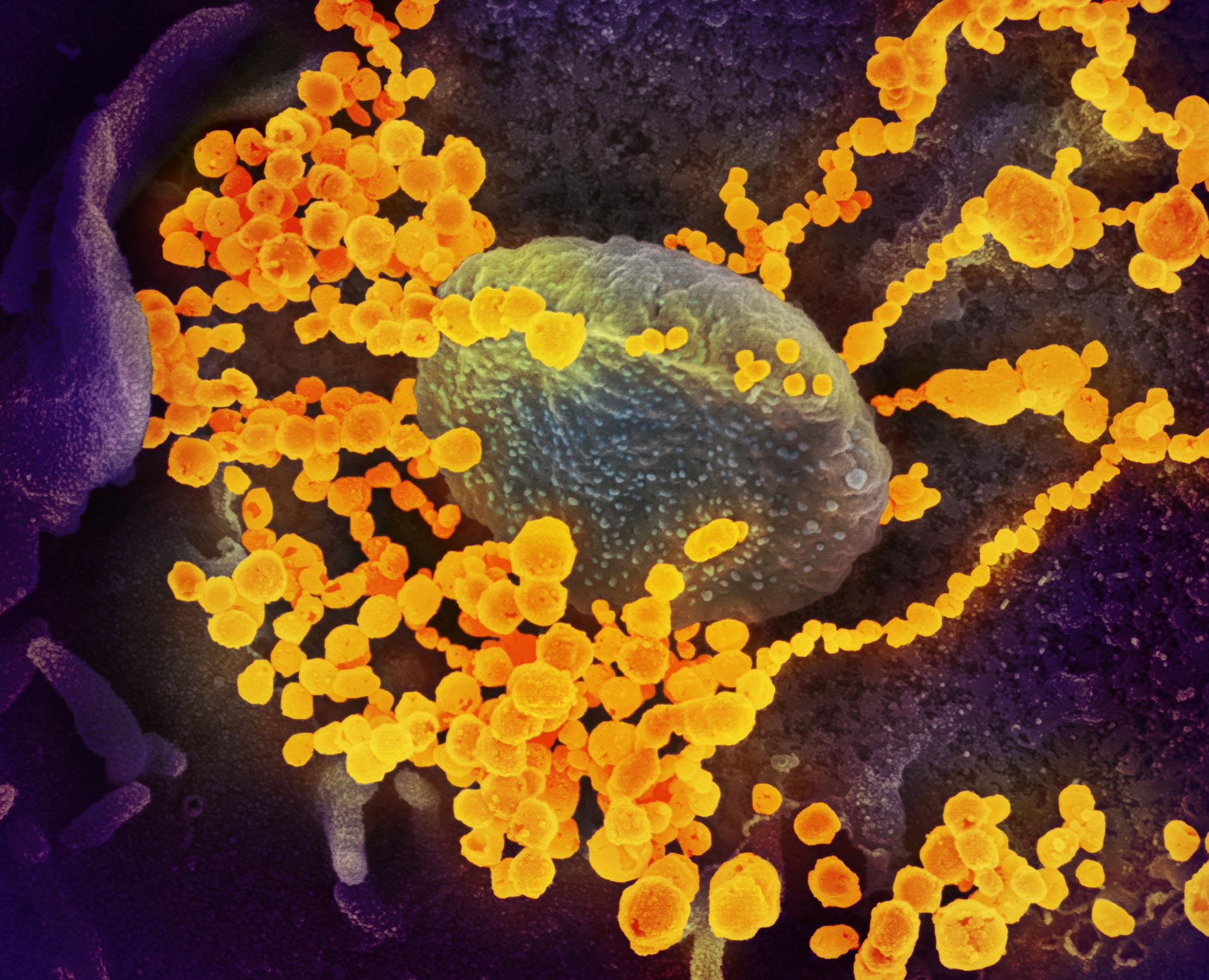
    SARS-CoV-2 Electron Microscope Image
    This scanning electron microscope image shows SARS-CoV-2 (round gold objects) emerging from the surface of cells cultured in the lab. SARS-CoV-2, also known as 2019-nCoV, is the virus that causes COVID-19. The virus shown was isolated from a patient in the U.S. Credit: NIAID-RML

    More than 300 scientists and clinicians from the federal government, industry, and academia published a report of their conclusions and recommendations on COVID-19 serology studies online in Immunity. The group gathered for an online workshop in May to discuss the role of serology testing in understanding and responding to the COVID-19 public health crisis and to explore strategies to address key scientific knowledge opportunities and gaps in the emerging field. Serology tests for COVID-19 are designed to detect antibodies against SARS-CoV-2, the virus that causes COVID-19. While such tests do not diagnose active infection, they can indicate prior infection with SARS-CoV-2 that may have been missed because a person did not experience significant symptoms or access testing while infected.

    The COVID-19 Serology Studies workshop was convened by an interagency working group comprised of experts from the U.S. Department of Health and Human Services—including scientists at the National Institute of Allergy and Infectious Diseases (NIAID), the National Cancer Institute (NCI), and the National Heart, Lung and Blood Institute (NHLBI), parts of the National Institutes of Health, as well as the Centers for Disease Control and Prevention and the Biomedical Advanced Research and Development Authority—and the Department of Defense. Attendees assessed efforts to better understand the implications of serology test results, to produce and validate test kits, and to quantify undetected cases of SARS-CoV-2 infection.

    Attendees recommended that additional research is needed to determine if and to what extent a positive antibody test means a person may be protected from reinfection with SARS-CoV-2. Attendees emphasized that until such data is available, serology tests should not be used as a stand-alone tool to make decisions about personal safety related to SARS-CoV-2 exposure. Researchers are now pursuing studies in humans and in animal models to better understand SARS-CoV-2 immunity. Attendees noted that such understanding could help identify optimal donors of convalescent plasma that potentially could be used to help treat those with severe COVID-19.

    Researchers from NCI reviewed progress in their effort to independently validate SARS-CoV-2 serology tests on behalf of the U.S. Food and Drug Administration. Attendees also proposed strategies to expand the accuracy and capacity of these tests to distinguish between naturally acquired and vaccine-induced antibodies, which will be critical to evaluating COVID-19 vaccine candidates.

    Both community-based and large-scale serology surveillance efforts—such as the RESPONSE study sponsored by NIAID and NHLBI—are collecting critical data to improve epidemiological models and inform public health decision-making. Ideally, attendees noted, federal partners will expand this activity to establish an interactive serological database that will help public health officials monitor and quickly respond to changes in SARS-CoV-2 infection patterns.

    Reference: “The COVID-19 Serology Studies Workshop: Recommendations and Challenges” by Andrea M. Lerner, Robert W. Eisinger, Douglas R. Lowy, Lyle R. Petersen, RosemaryHumes, Matthew Hepburn and M. Cristina Cassetti, Immunity.
    DOI: 10.1016/j.immuni.2020.06.012

    Never miss a breakthrough: Join the SciTechDaily newsletter.
    Follow us on Google and Google News.

    COVID-19 National Institute of Allergy and Infectious Diseases National Institutes of Health Public Health
    Share. Facebook Twitter Pinterest LinkedIn Email Reddit

    Related Articles

    NIH Testing Hyperimmune Intravenous Immunoglobulin Plus Remdesivir to Treat COVID-19

    U.S. Begins Phase 3 Clinical Trial of COVID-19 Vaccine

    COVID-19 Vaccine Phase 1 Trial Results: Safe, Generates High Levels of Neutralizing Antibodies

    Remdesivir Improves Time to Recovery for COVID-19 in New England Journal of Medicine Study

    Single Dose of ChAdOx1 nCoV-19 Vaccine Protects Monkeys Against COVID-19 Pneumonia

    NIH Begins Clinical Trial of Hydroxychloroquine and Azithromycin to Treat COVID-19

    New Coronavirus That Causes COVID-19 Is Stable for Hours on Surfaces

    COVID-19: A Potent Reminder of the Challenge of Emerging Infectious Diseases

    Clinical Trial of Antiviral Remdesivir to Treat COVID-19 Underway

    Leave A Reply Cancel Reply

    • Facebook
    • Twitter
    • Pinterest
    • YouTube

    Don't Miss a Discovery

    Subscribe for the Latest in Science & Tech!

    Trending News

    Just a Few Breathless Minutes a Day Could Slash Your Risk of 8 Major Diseases

    This Simple Habit Could Cut Your Risk of Dementia by 30%

    Scientists Debunk Rattlesnake Myth That Fooled Hikers and Doctors for Decades

    Scientists Discover Plants Can “Count” – and May Be Smarter Than We Thought

    New Research Reveals Ancient Mars May Have Been Warm, Wet – and Possibly Alive

    This Surprising Daily Habit Could Cut Dementia Risk by 35%

    Just 10 Minutes a Day: Scientists Say This Ancient Chinese Practice Shows Powerful Blood Pressure Benefits

    Scientists Say This Popular Food Could Help Your Body Get Rid of Microplastics

    Follow SciTechDaily
    • Facebook
    • Twitter
    • YouTube
    • Pinterest
    • Newsletter
    • RSS
    SciTech News
    • Biology News
    • Chemistry News
    • Earth News
    • Health News
    • Physics News
    • Science News
    • Space News
    • Technology News
    Recent Posts
    • This Liquid Snapped Instead of Flowing and Scientists Were Shocked
    • New Study Challenges Long-Held Concerns Over Infant Ibuprofen and Acetaminophen Use
    • This Molecule in Your Sweat Could Stop the Flu Before It Starts
    • Breakthrough Alzheimer’s Drug Rewires the Brain Instead of Just Clearing Plaques
    • NASA’s Artemis II Cleared for Moon Flight As Orion Prepares for Critical Engine Burn
    Copyright © 1998 - 2026 SciTechDaily. All Rights Reserved.
    • Science News
    • About
    • Contact
    • Editorial Board
    • Privacy Policy
    • Terms of Use

    Type above and press Enter to search. Press Esc to cancel.