
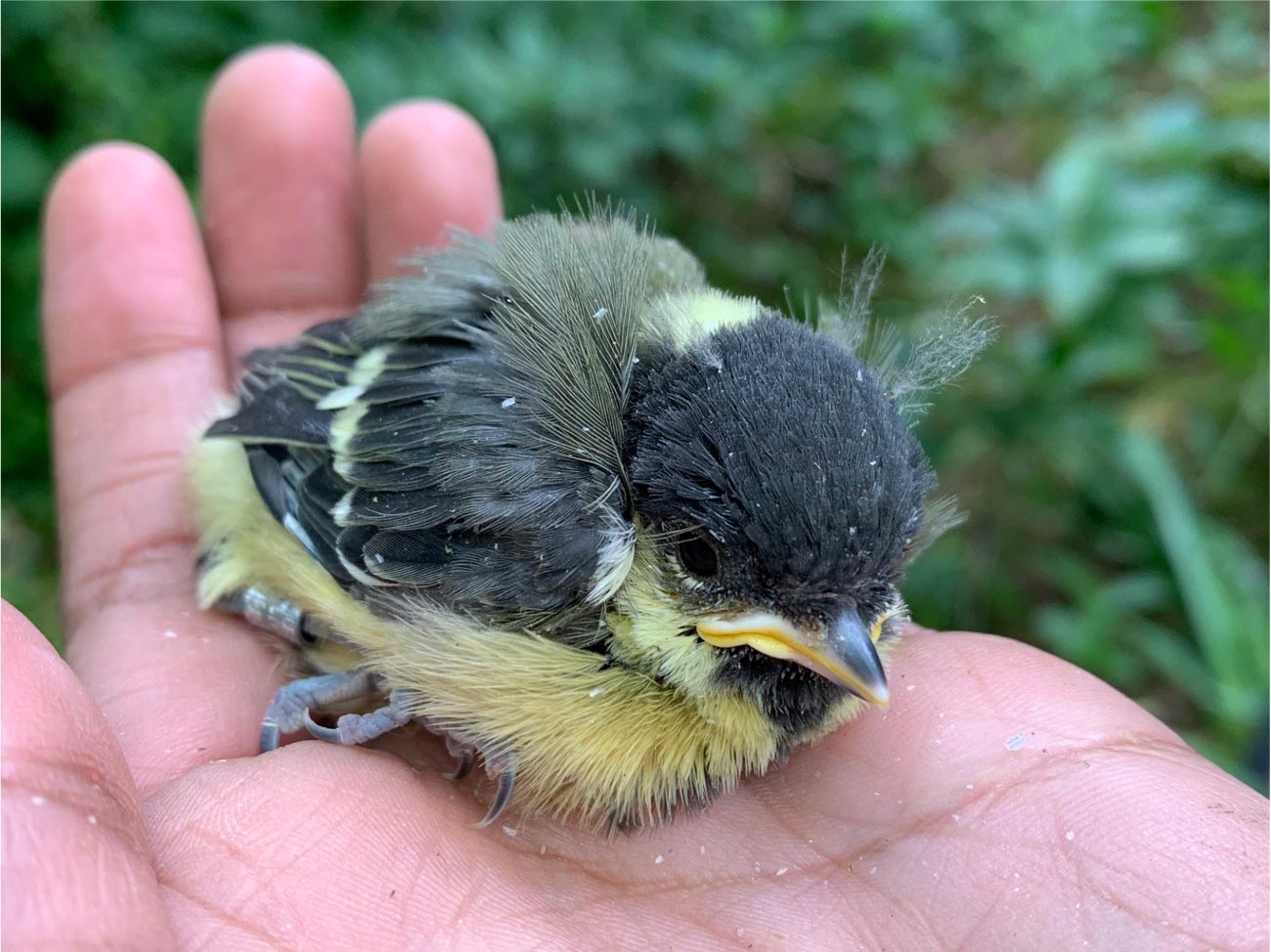
Sixty years of data show that cold snaps and heavy rain can stunt the growth of baby birds and reduce their survival chances.
A study from the University of Oxford, published March 11, finds that sudden cold spells and heavy rain can slow growth and lower survival chances for young great tits in the UK. At the same time, birds that begin breeding earlier in the season appear to avoid many of the worst effects linked to these weather extremes.
The research draws on 60 years of data from more than 80,000 wild great tits living in Oxford’s Wytham Woods, combined with detailed daily weather records. Scientists pinpointed the coldest, wettest, and hottest days in each breeding season, then tracked how often these events occurred during key stages of chick development. They focused on body mass at fledging (left their nest), which is closely tied to survival.
Cold and Rain Reduce Survival Chances
The results show that extreme cold during the first week after hatching is especially damaging. As chicks grow, heavy rainfall becomes a greater threat. Both types of weather can reduce fledging mass by up to 3%.
The effects are even more severe when extreme heat and heavy rain happen together. In those cases, fledging mass can drop by as much as 27%, especially in broods that hatch later in the season.
Lead researcher Devi Satarkar (Department of Biology, University of Oxford) says: “In the Wytham population, great tits have adjusted to warmer springs by breeding earlier to track peak abundance of their main prey, caterpillars. This overall earlier laying is beneficial, buffering them against many impacts of extreme weather – but it also exposes them to cold spells early in the season. Even small early-life deficits can have large implications for survival. It will only get tougher for birds to keep up as extreme weather increases in frequency and intensity with climate change.”
Why Harsh Weather Affects Nestlings
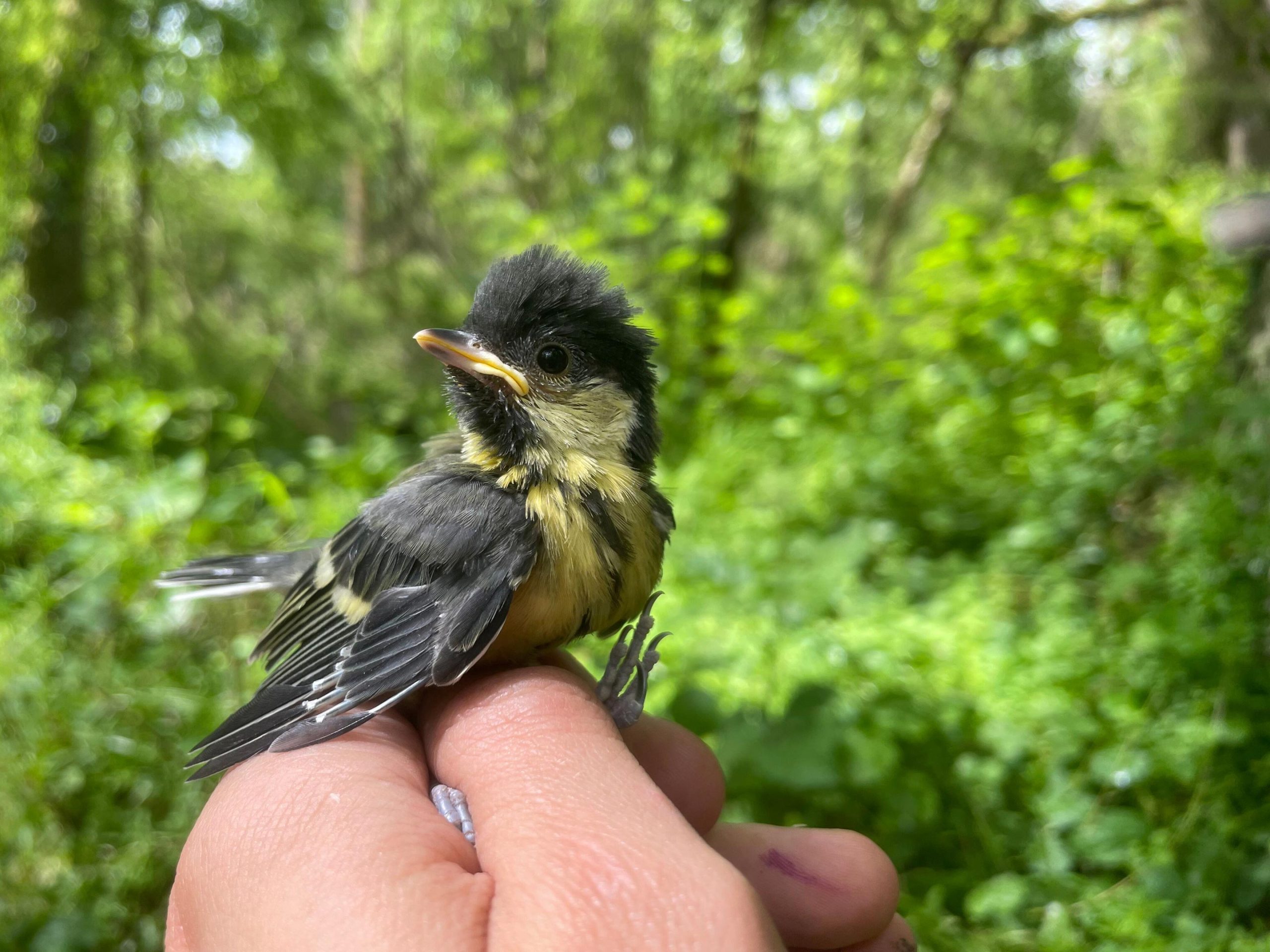
Newly hatched chicks struggle to regulate their body temperature because they do not yet have feathers. During cold snaps, they must use energy to stay warm instead of growing.
Weather also affects how much food they receive. Cold and rainy conditions can reduce how often parents forage. Heavy rain can also knock caterpillars off plants, limiting the main food source for chicks, which need large amounts of energy to develop.
Mild Heat Can Boost Growth
One unexpected finding was that warmer conditions were linked to heavier chicks at the fledging stage. While extreme heat is often harmful, the warmer periods in Oxfordshire are relatively mild compared to much hotter regions in southern Europe.
Devi explains: “Extreme weather events are affecting wild bird populations in complex ways. The level of warmth we see in these heat extremes in Oxfordshire might boosts growth because it can increase insect activity and visibility – making caterpillars easier to find – while letting parents forage more and reducing nestlings’ thermoregulatory costs. The high water content in caterpillars also helps against dehydration. This contrasts sharply with hotter regions like the Mediterranean, where similar events can exceed 35°C and harm nestlings.”
Early Breeding Helps Offset Climate Risks
Chicks that hatch earlier in the season tend to benefit from warmer spring conditions, when caterpillars are abundant and temperatures remain within safe limits. In contrast, later broods struggle more. Their fledglings are about one third lighter, even though the warmest days they experience reach similar temperatures of about 16-17ºC.
Over time, extreme cold and heavy rain slightly reduce the likelihood that young birds will survive into adulthood, while warmer conditions can provide small benefits. Overall, breeding earlier in the season helps reduce exposure to harmful weather.
Climate Change and Conservation Implications
As climate change increases the frequency and intensity of extreme weather, researchers say it is becoming more important to study local conditions such as microclimates and habitat differences. This information can guide conservation efforts, including nestbox placement and woodland management, to better protect vulnerable chicks during critical stages of development.
Scientists plan to continue monitoring the great tits in Wytham Woods to understand how these patterns change over time, especially to determine whether currently moderate heatwaves could become harmful as temperatures continue to rise.
Reference: “Developmental Stage-Specific Responses to Extreme Climatic Events and Environmental Variability in Great Tit Nestlings” by Devi Satarkar, David López-Idiáquez, Irem Sepil and Ben C. Sheldon, 11 March 2026, Global Change Biology.
DOI: 10.1111/gcb.70794
Never miss a breakthrough: Join the SciTechDaily newsletter.
Follow us on Google and Google News.
1 Comment
“Sixty years of data show that cold snaps and heavy rain can stunt the growth of baby birds and reduce their survival chances.”
Among other things such as an increase in metabolic rate with warming, biodiversity increase related to warming, and competition for food from an increase in biodiversity, to mention just three factors off the top of my head.
However, to get published in a journal like ‘Global Change Biology,’ I imagine that they have to find some association with climate change. How often does the “publish or perish” syndrome cause researchers to come to premature or unwarranted conclusions?