
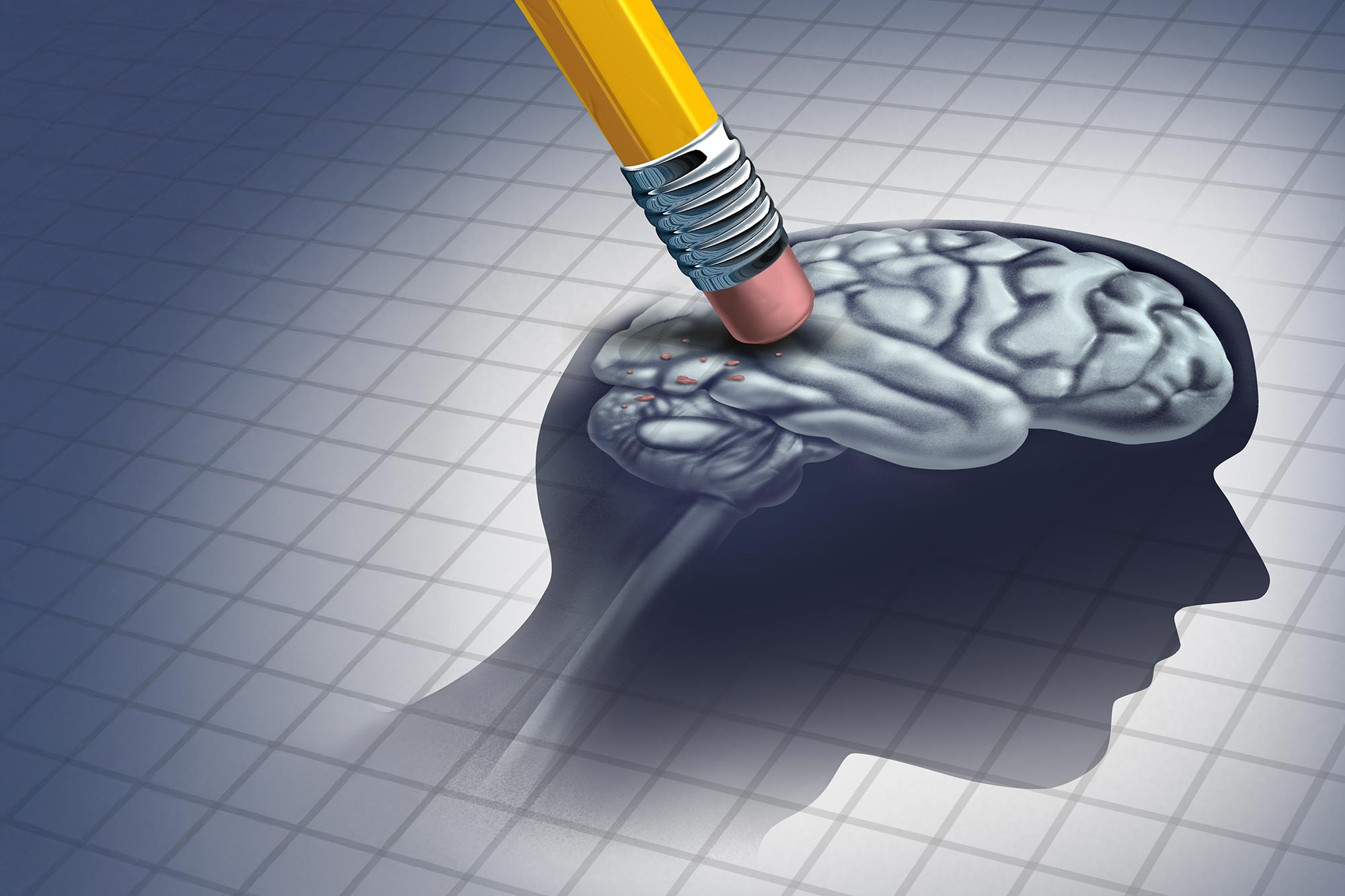
A new study reveals how gut bacteria may influence the onset of ALS and frontotemporal dementia.
A newly uncovered gut-brain connection may help explain why two devastating neurological diseases develop in some people but not others.
Researchers at Case Western Reserve University found evidence that gut bacteria may contribute to brain damage in Amyotrophic Lateral Sclerosis (ALS) and Frontotemporal Dementia (FTD). Their study points to certain bacterial sugars as a possible trigger for immune activity that harms cells, while also suggesting a way that process might be stopped.
ALS, often known for its effects on movement, destroys motor neurons and gradually leads to worsening muscle weakness and paralysis. FTD affects the frontal and temporal regions of the brain, disrupting personality, behavior, and language.
A Molecular Clue to Disease Risk
Most ALS and FTD cases still have no clear cause. Scientists have long investigated genetics, environmental exposures, diet, and head trauma, but the full picture has remained incomplete.
The new study, published in Cell Reports, offers a possible answer to one of the field’s most persistent questions. The researchers identified a molecular link between gut microbes and disease risk that may help explain why some people with inherited susceptibility go on to develop ALS or FTD while others do not.
“We found that harmful gut bacteria produce inflammatory forms of glycogen (a type of sugar), and that these bacterial sugars trigger immune responses that damage the brain,” said Aaron Burberry, assistant professor in the Department of Pathology at the Case Western Reserve School of Medicine.
Burberry, the study’s senior investigator, reported that 70% of the 23 ALS/FTD patients examined had dangerous glycogen levels. Among people without these neurological conditions, only about one-third showed similarly high levels.
New Opportunities for Treatment
The findings could have immediate value for patient care. The research highlights new biological targets for treating ALS and FTD and identifies biomarkers that may help doctors determine which patients could benefit from therapies aimed at the gut.
The discovery also opens the door to treatments designed to break down harmful sugars in the digestive tract. It may also support the development of medications that target communication between the gut and the brain, offering potential new strategies to slow or prevent these devastating disorders.
Alex Rodriguez-Palacios, assistant professor in the Digestive Health Research Institute at the School of Medicine, said the researchers used their findings to reduce the harmful sugars, which “improved brain health and extended lifespan.”
Explaining the C90RF72 Mutation
The results are especially important for people who carry the C90RF72 mutation, the most common genetic cause of ALS and FTD. The study suggests that gut bacteria may act as a key environmental trigger, helping explain why some carriers develop the diseases while others do not.
Scientists in the university’s Department of Pathology and Digestive Health Research Institute are advancing research on neurodegenerative diseases through their ability to study germ-free mouse models. These mice are raised in completely sterile environments without bacteria, which allows researchers to isolate the effects of specific microbes on brain disease.
Fabio Cominelli, Distinguished University Professor and director of the Digestive Health Research Institute, leads this program. It relies on an innovative “cage-in-cage” sterile housing system developed by Rodriguez-Palacios, a specialized capability available at only a few institutions worldwide and critical to the discovery.
Advanced Tools for Gut–Brain Research
This system makes it possible to perform large-scale microbiological studies needed to examine the complex communication between the gut and the brain. Traditional laboratory methods can typically support only a small number of mice at a time, which limits this type of research.
“To understand when and why harmful microbial glycogen is produced, the team will next conduct larger studies surveying gut microbiome communities in ALS/FTD patients before and after disease onset,” Burberry said. “Clinical trials to determine whether glycogen degradation in ALS/FTD patients could slow disease progression are also supported by our findings and could begin in a year.”
Reference: “CRISPR screens in iPSC-derived neurons reveal principles of tau proteostasis” by Avi J. Samelson, Nabeela Ariqat, Justin McKetney, Gita Rohanitazangi, Celeste Parra Bravo, Rudra S. Bose, Kyle J. Travaglini, Victor L. Lam, Darrin Goodness, Thomas Ta, Gary Dixon, Emily Marzette, Julianne Jin, Ruilin Tian, Eric Tse, Romany Abskharon, Henry S. Pan, Emma C. Carroll, Rosalie E. Lawrence, Jason E. Gestwicki, Jessica E. Rexach, David S. Eisenberg, Nicholas M. Kanaan, Daniel R. Southworth, John D. Gross, Li Gan, Danielle L. Swaney and Martin Kampmann, 28 January 2026, Cell.
DOI: 10.1016/j.cell.2025.12.038
Never miss a breakthrough: Join the SciTechDaily newsletter.
Follow us on Google and Google News.
2 Comments
A valuable contribution to the study of ALS. My own research with a lab and neurology has found triggers in severe bouts of some strains of flu supported by a history of the latter in too many patients to ignore. Then there is the geographical area (the then USSR) where it appeared to be endemic and migrants could be tracked to neighbouring countries. This does not dispute the gut theory offered by you.
Forget everything you know.
Bacteria (combinations )
We are Bacteria and host our stomach is like there mucus sack.
This is a chemical reaction lab.
Bacteria produce the products through i like to say ‘shitting’ lol.
Take a element make an element.
The cure for everything is itself
Guessing the a direction for all tho.
not that anyone will ever read this.
So i guess you already picked up what im putting down.
Heavy metals hmm Bacteria eats everything its just the strains.
Very easy to cultivate from scratch.
But everyone already knows this