
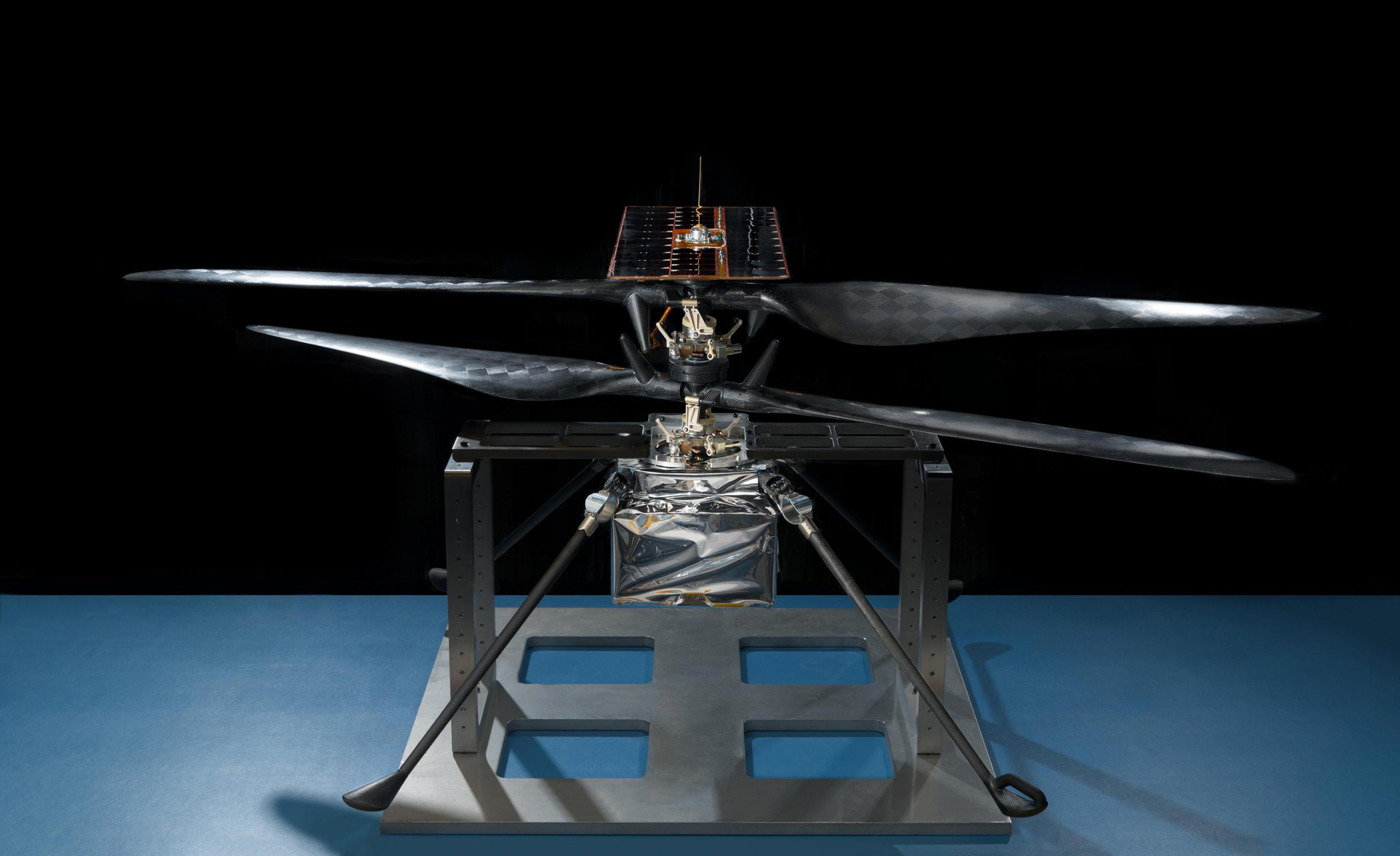
From lasers to rovers, the technology NASA’s Jet Propulsion Laboratory develops for space often has unanticipated uses much closer to home.
As NASA pushes the frontiers of science and human exploration, the agency also advances technology to modernize life on Earth, including drones, self-driving cars and other innovations.
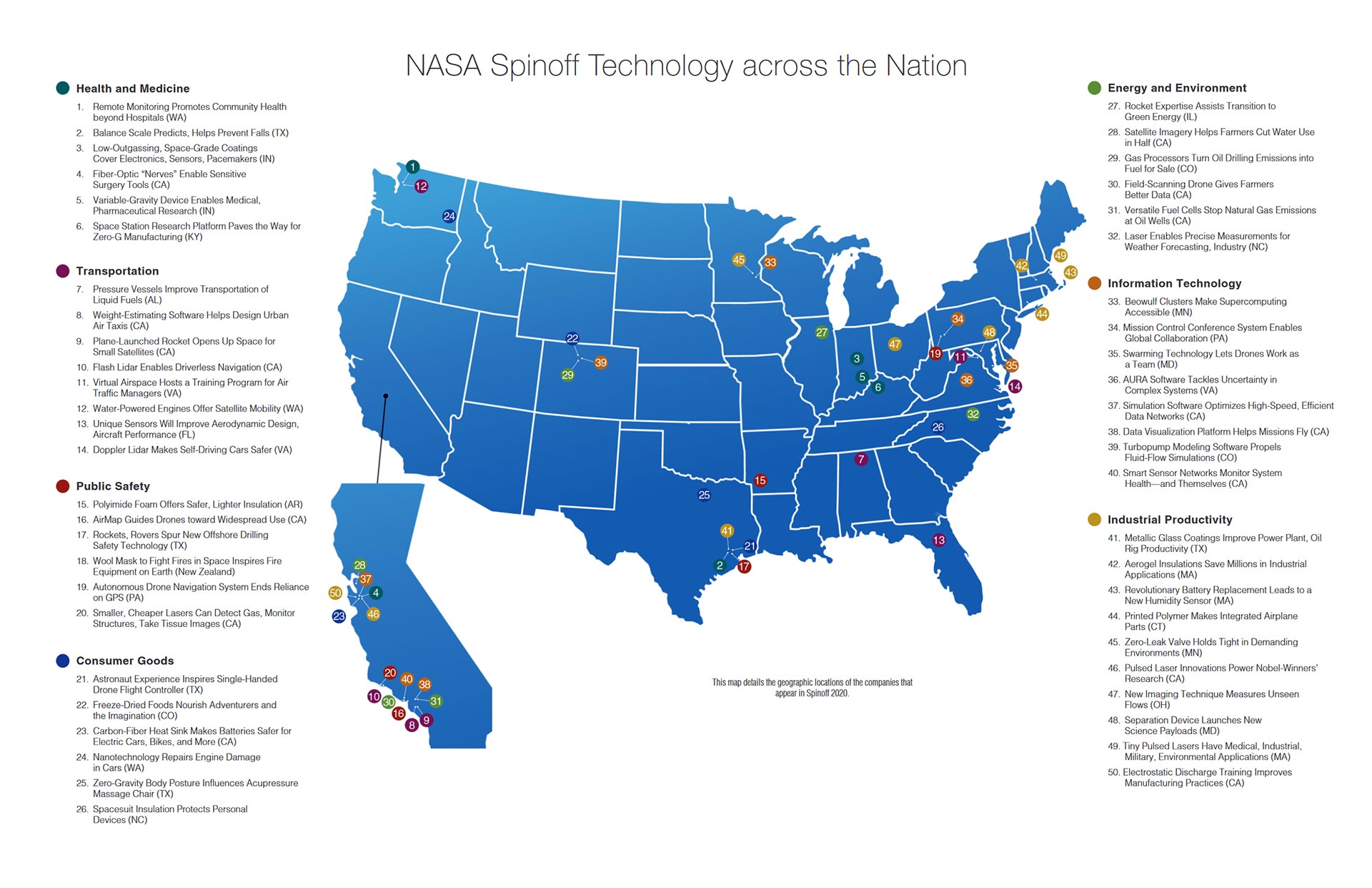
NASA’s diverse missions spur the creation and improvement of thousands of new products that make life better for people around the world. Dozens of the latest examples are featured in the newest edition of NASA’s Spinoff publication, including several from NASA’s Jet Propulsion Laboratory in Southern California, and many illustrating how NASA is working to shape the coming revolution of autonomous vehicles on the roads and in the air.
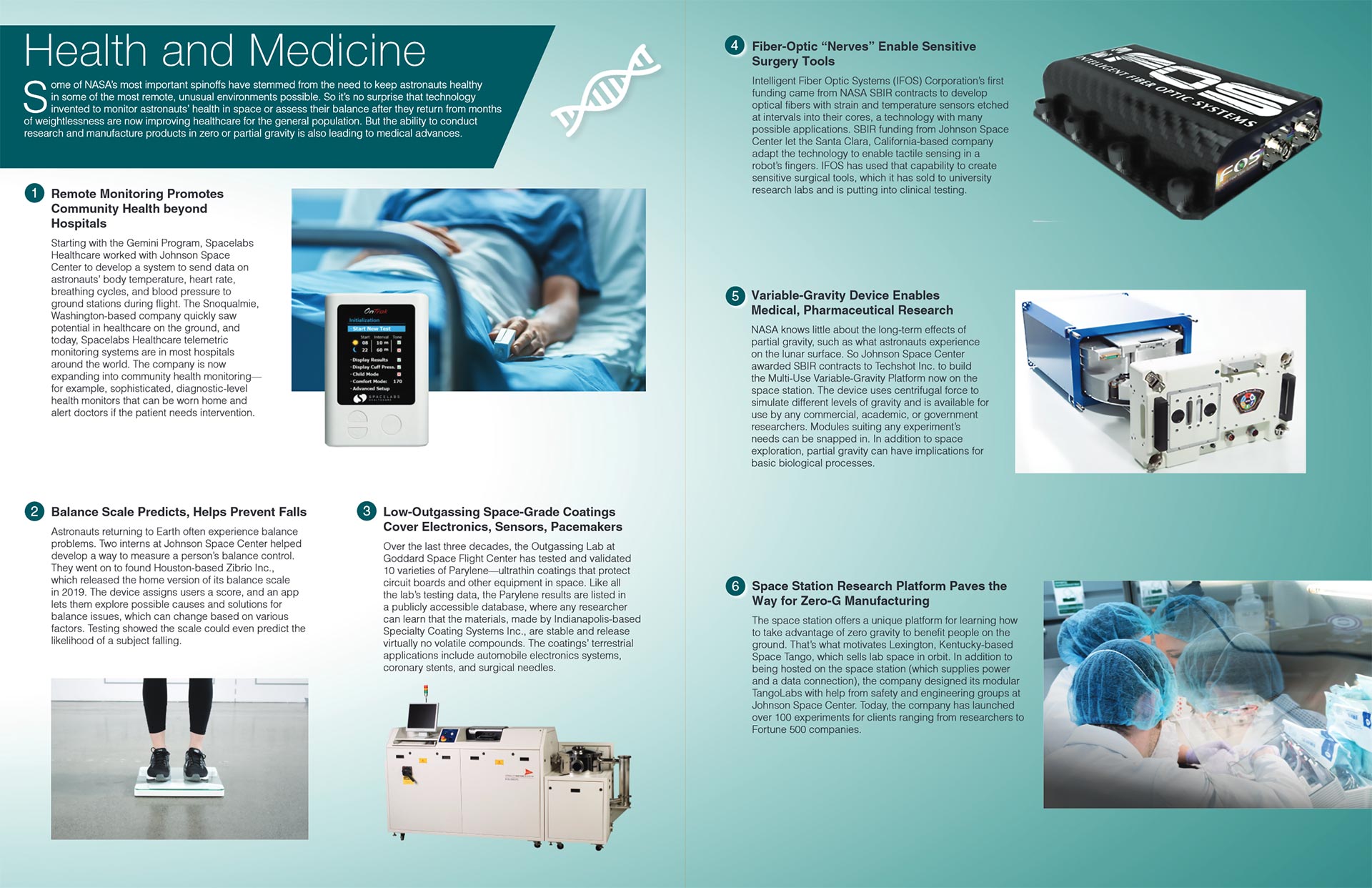
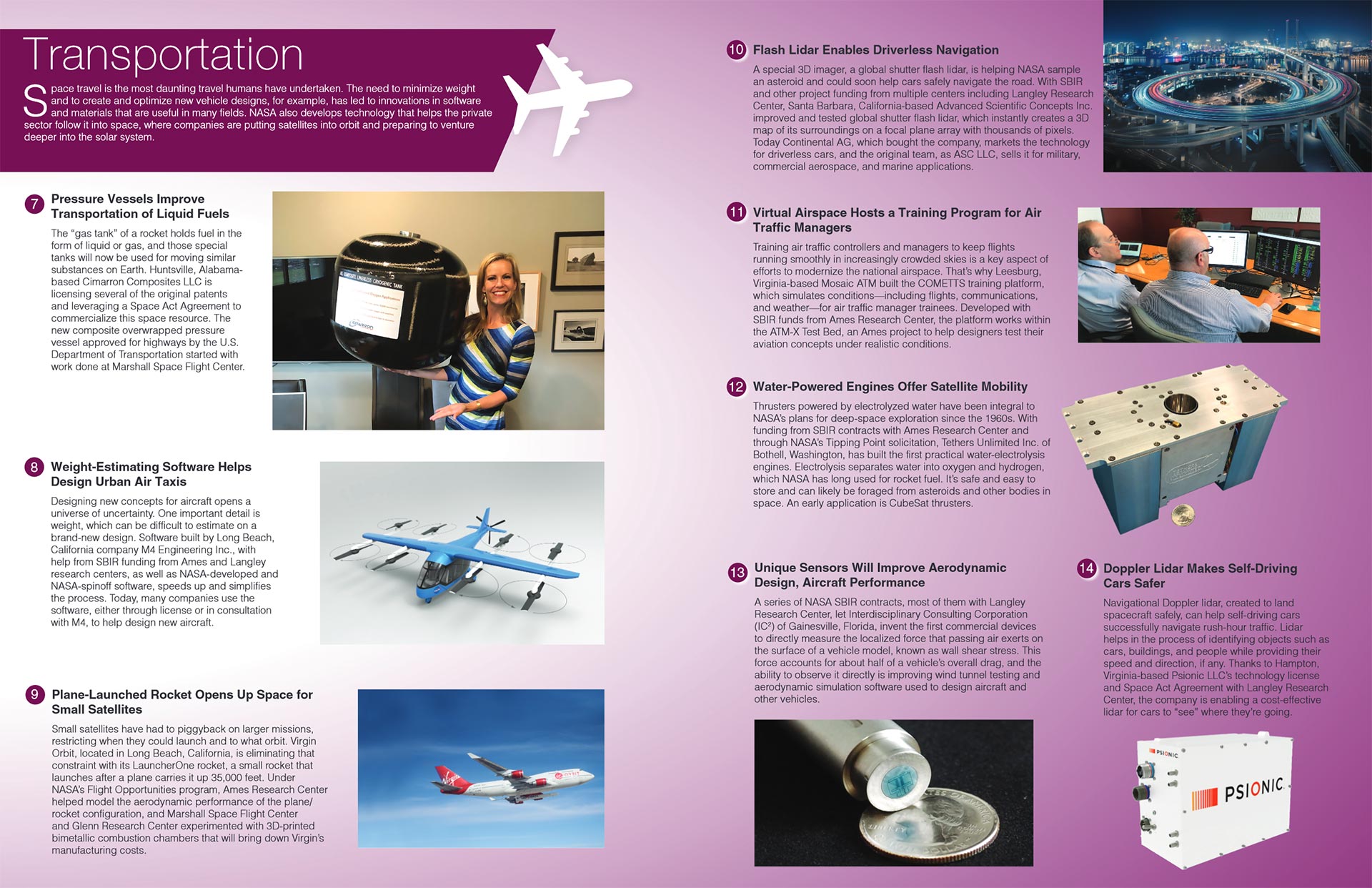
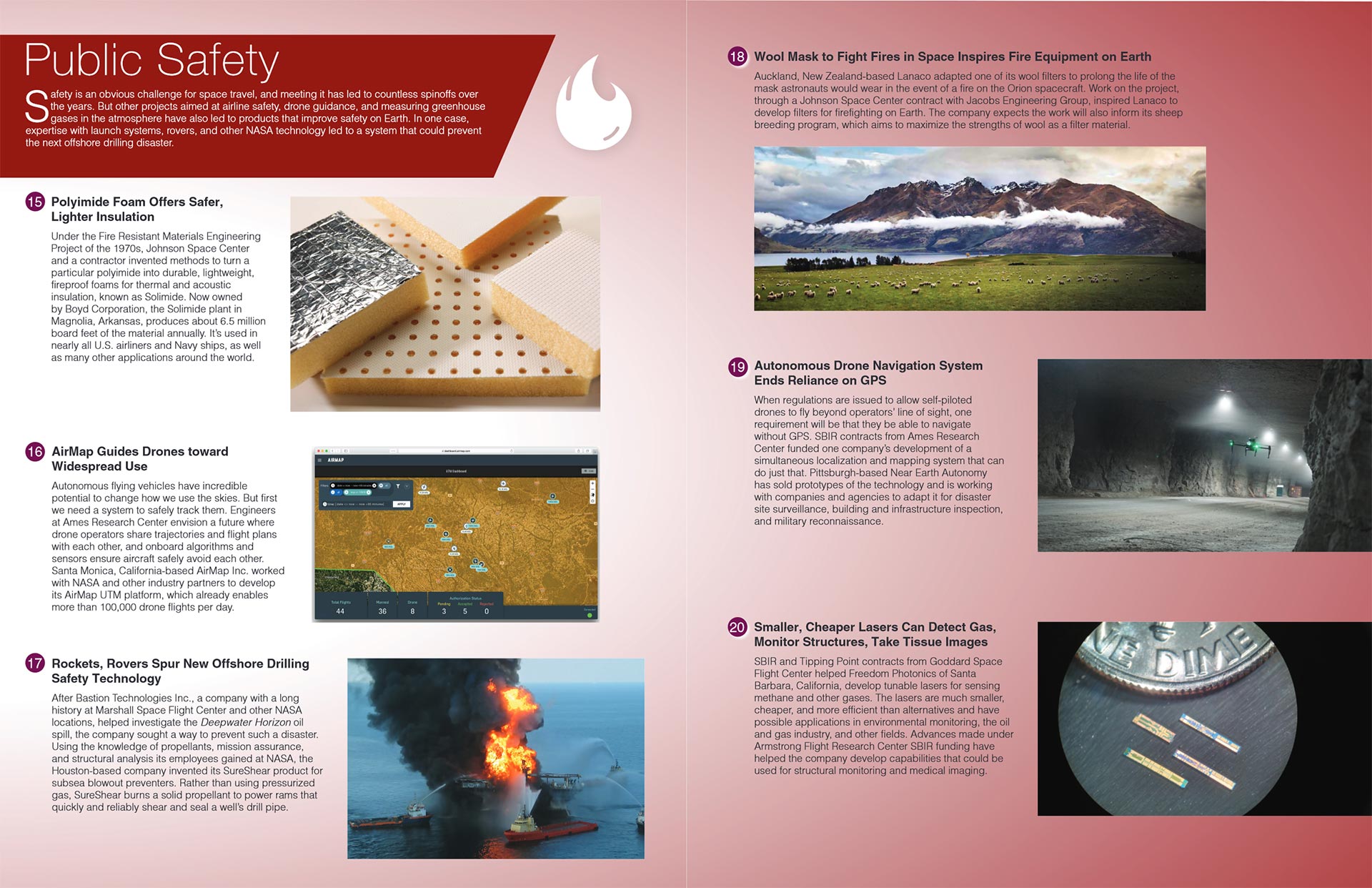

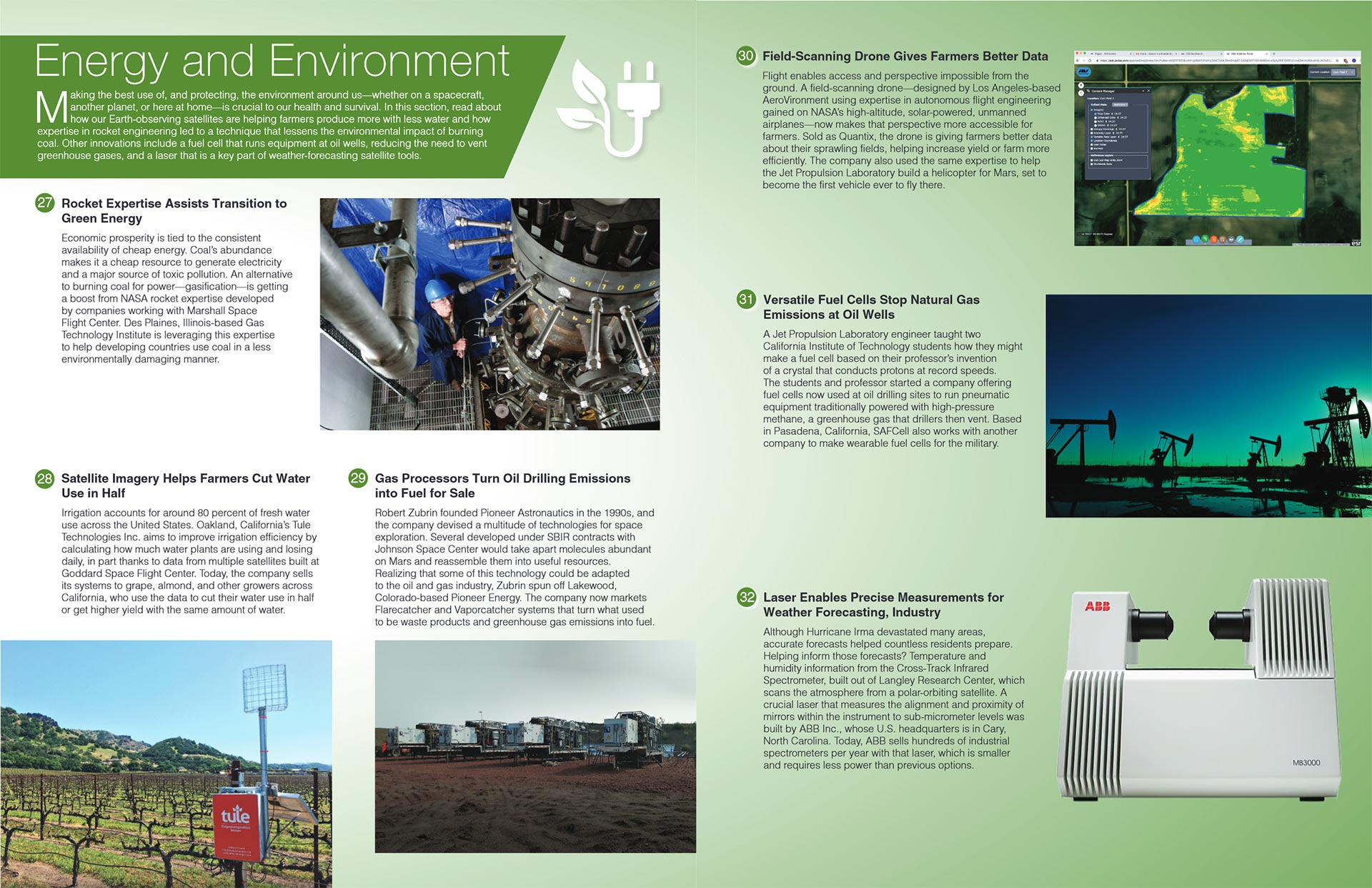
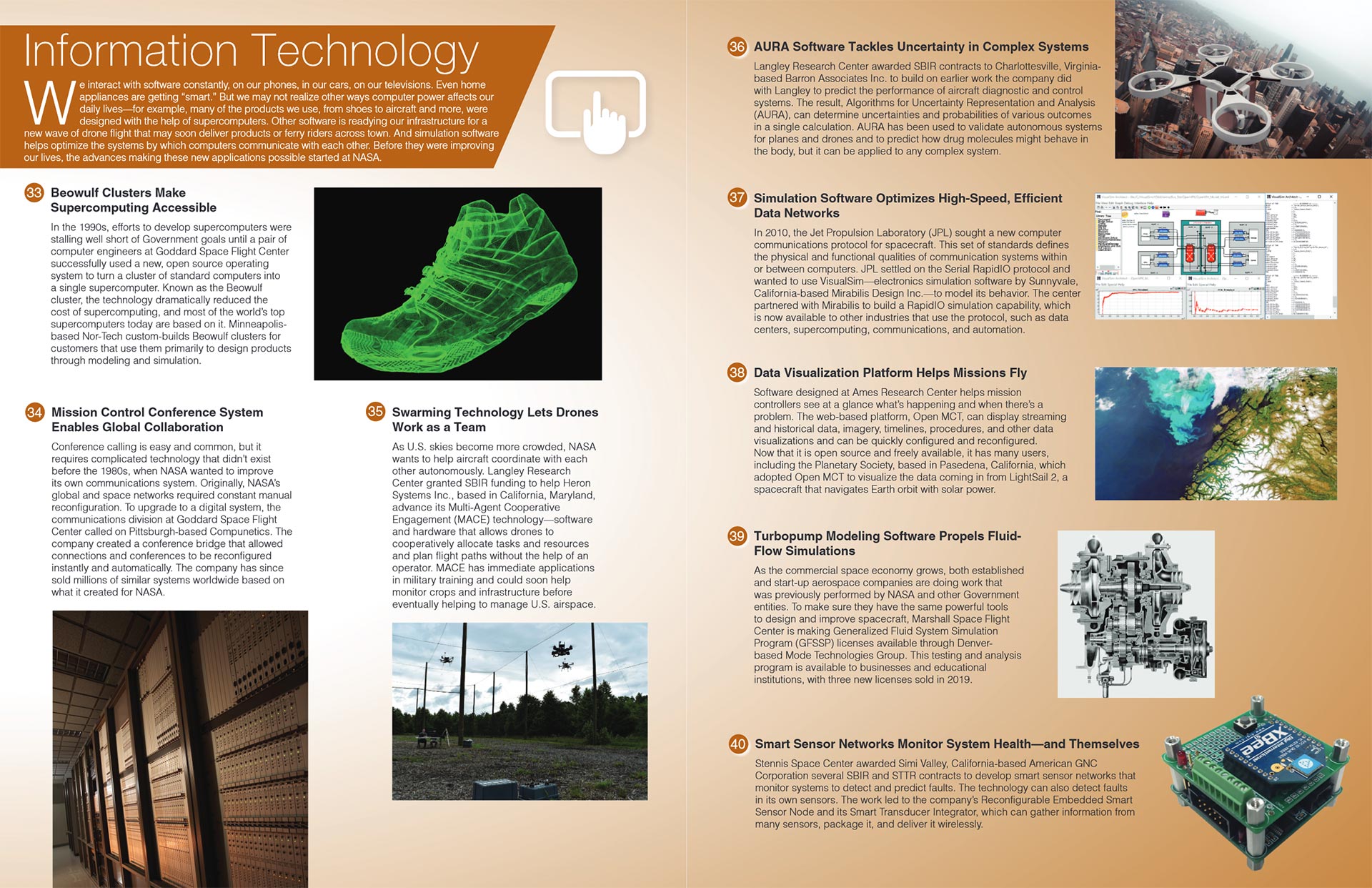
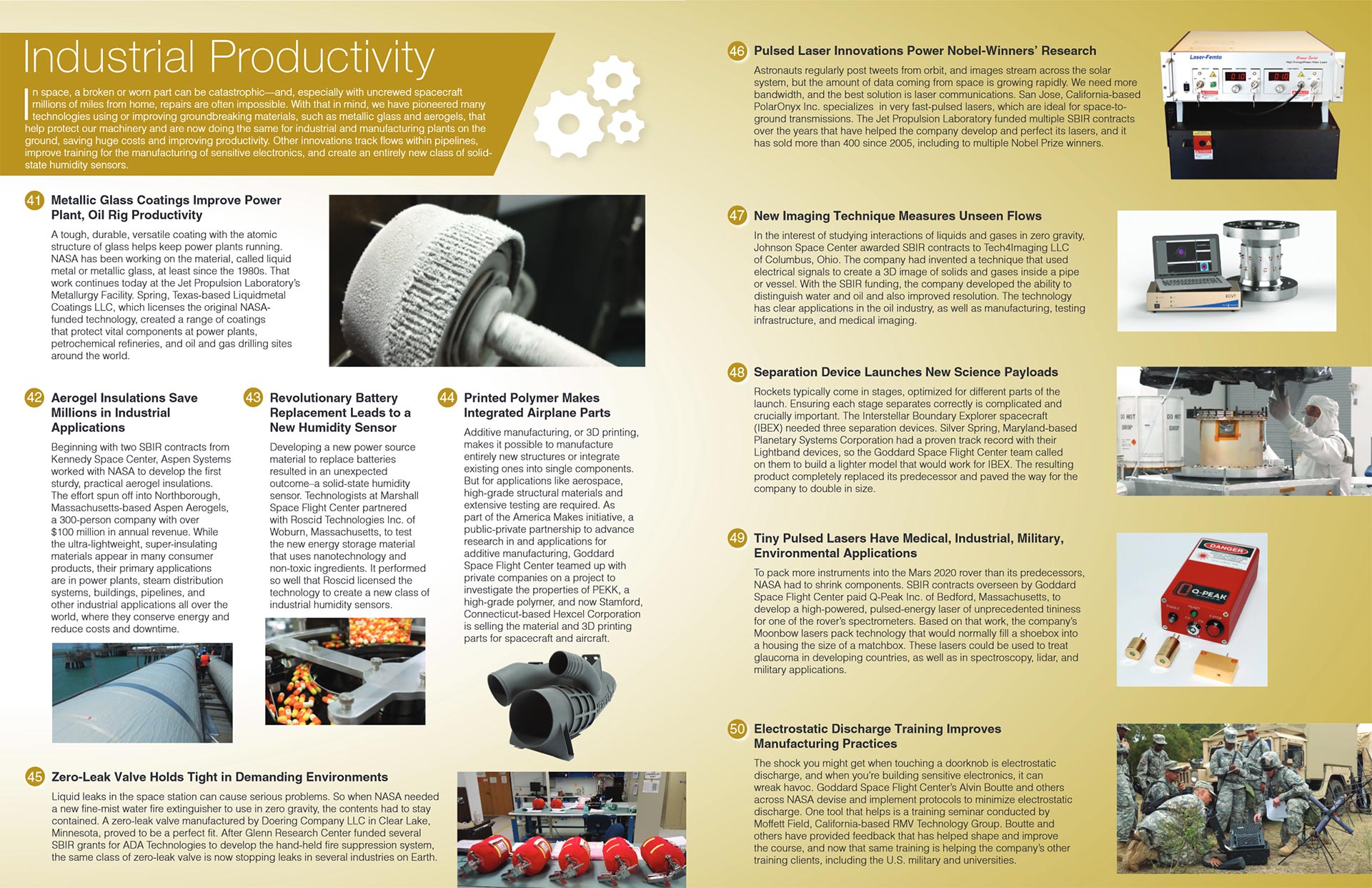
“NASA engineers, scientists and technologists innovate the tools we need for the Artemis missions to the Moon and exploration beyond, but our mission also is here on Earth,” said Jim Reuter, associate administrator of the agency’s Space Technology Mission Directorate (STMD). “Whether it’s a new application for a technology created for space or our extensive work to modernize and innovate aeronautics, our work has had immense benefits for all kinds of transportation technology on Earth — not to mention in the realms of medicine, the environment, and public safety.”
In this issue of Spinoff, readers will learn how:
- The technology behind NASA-JPL’s Mars helicopter — which will ride aboard the agency’s Perseverance Mars rover when it launches this summer — also has aided the design of a rugged drone farmers use to survey land and maximize crop yields.
- A methanol-based fuel cell, developed with JPL engineering know-how, is being adopted by the oil and gas industry to mitigate emissions of methane, a potent greenhouse gas, during the drilling process.
- Metallic glass, which has been developed by JPL over decades, is now used in a coating that helps power plants avoid emergency shutdowns, saving millions of dollars in operating costs.
- The need for greater bandwidth for space communications has spurred the development of low-cost, ultra-fast pulsed laser technology. Supported by JPL collaborations, this technology has gone on to support research by Nobel Prize-winning scientists.
- JPL helped fund a simulation of a highly efficient computer communication protocol for potential use in spacecraft, leading to that protocol’s adoption by the supercomputer, data center, and automation industries.
“Technology is a means to an end. But sometimes there are more ends than anticipated, and the technology created for one purpose here at NASA finds new life in applications for U.S. industry and daily life,” said Daniel Lockney, executive of NASA’s Technology Transfer program. “As a result, NASA technology doesn’t just improve quality of life on the ground — it also creates jobs, saves money and even saves lives.”
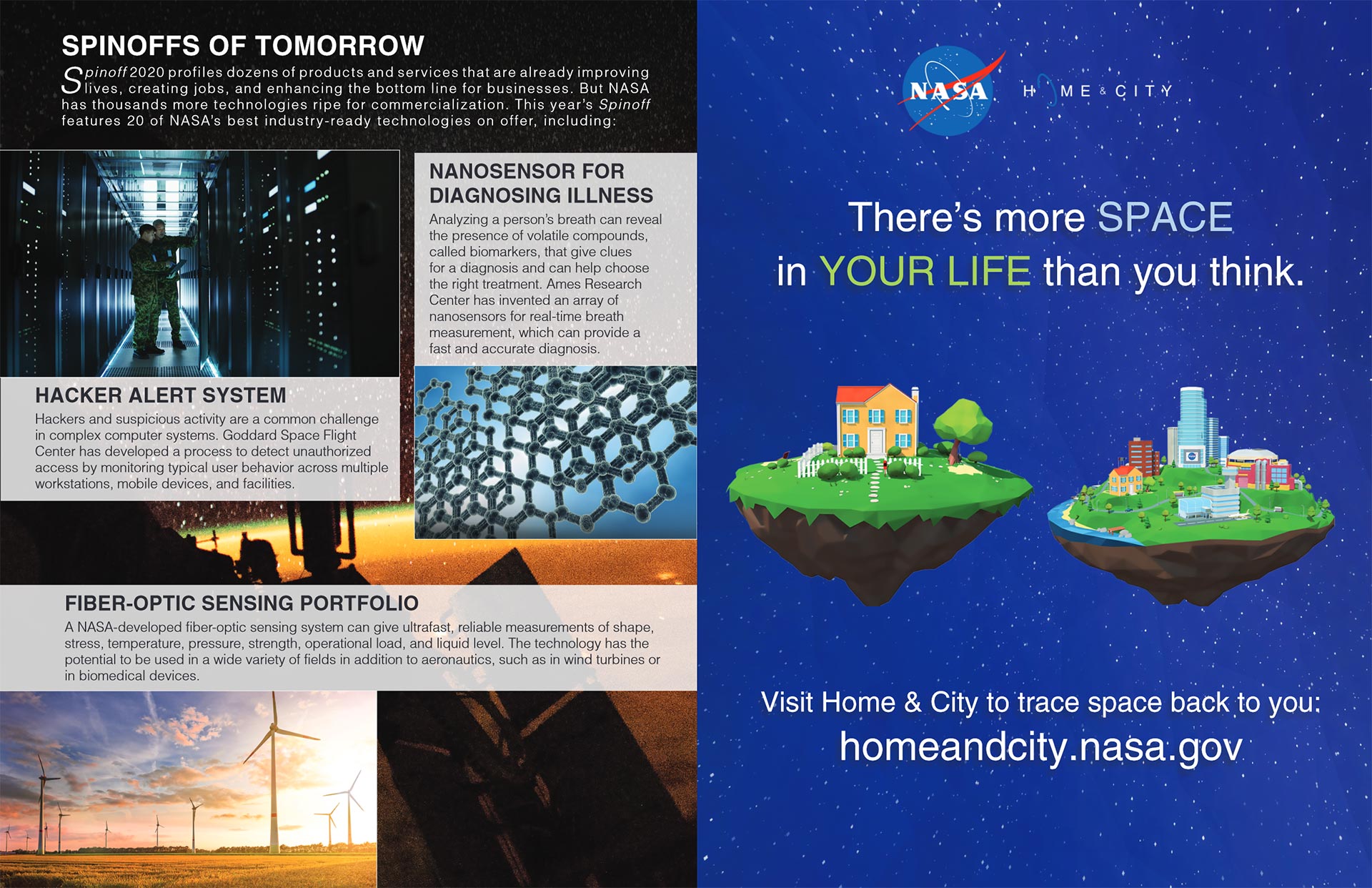
The publication also includes a “Spinoffs of Tomorrow” section, which highlights 20 NASA technologies available for license, including a nanosensor array that can diagnose illness by scent, a drought assessment and prediction system, and a computer monitoring system that alerts when hackers try to infiltrate.
Spinoff highlights the many successes of the agency’s Technology Transfer program within STMD, which is charged with finding the widest possible applications for NASA technology through partnerships and licensing agreements with industry, ensuring that NASA’s investments in its missions and research find additional applications that benefit the nation and the world.
Print and digital versions of the latest issue of Spinoff are available at: https://spinoff.nasa.gov
An iPad version, including shortened versions of the stories, multimedia and interactive features, is also available for download in the iTunes store.
Never miss a breakthrough: Join the SciTechDaily newsletter.
Follow us on Google and Google News.
1 Comment
From time to time, I hear, or read, complaints about “all the money being wasted in space”, because the space programme has always been a soft target for people whose thought processes are more suited to rigours of reality television. When I hear, or read, such complaints, I direct the complainers to any site related to NASA Spinoffs and invite them to read through the list of space-related inventions and technology that have flowed into the public domain since spaceflight began.
Then I invite them to consider how drastically their lives would change if all that space-related technology were to suddenly disappear.